GEPRC TriPro6 Gemini-X: 915MHz + 2.4GHz Does Not Bind Like Ordinary ELRS

A pilot buys the GEPRC TriPro6 O4 Pro with a 915MHz/2.4GHz Gemini-X receiver, enters the same ExpressLRS binding phrase used by an older 2.4GHz radio and gets no link. The radio works with ordinary ELRS receivers, and the DJI goggles already show O4 video—so why will the aircraft not arm? Gemini Xrossband is not simply a normal 2.4GHz receiver with a second antenna. True dual-band operation uses compatible hardware and firmware to receive packets on 900MHz and 2.4GHz simultaneously; the matching transmitter must support the appropriate GemX mode.
What is inside the TriPro6 Gemini-X version?
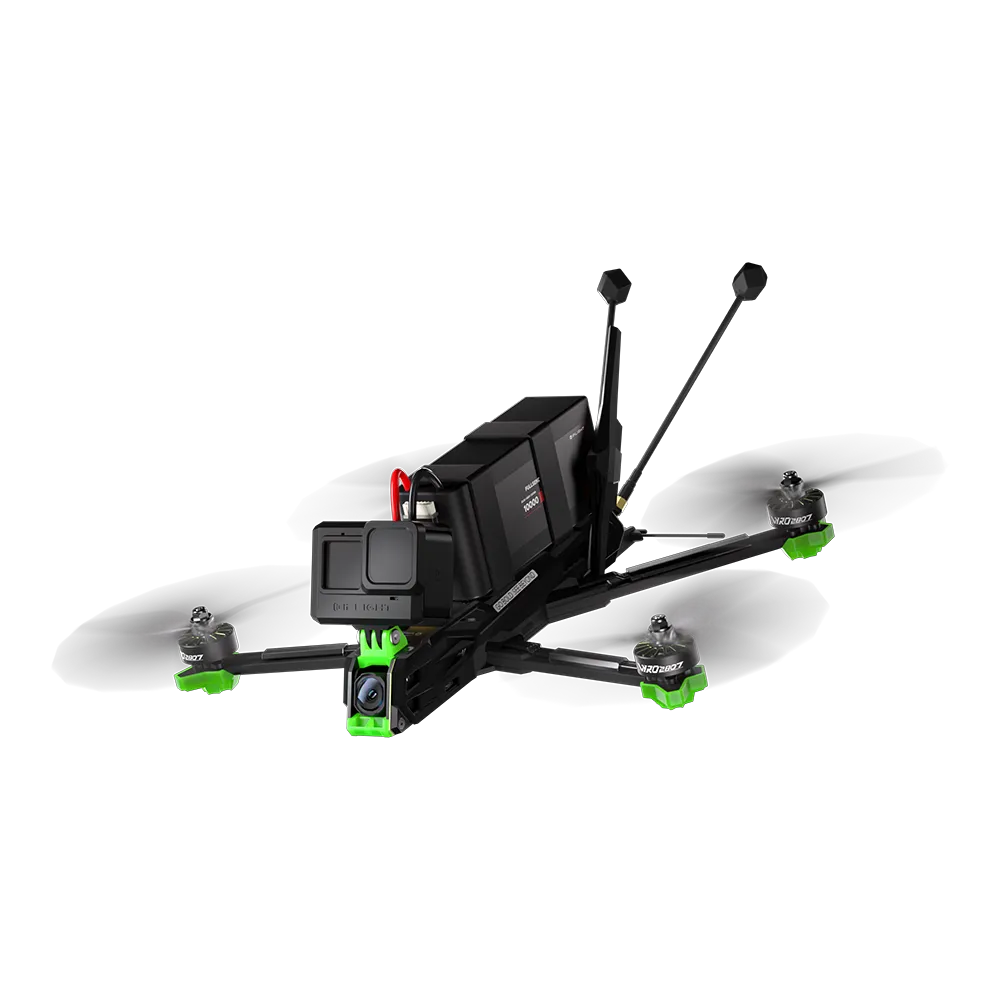
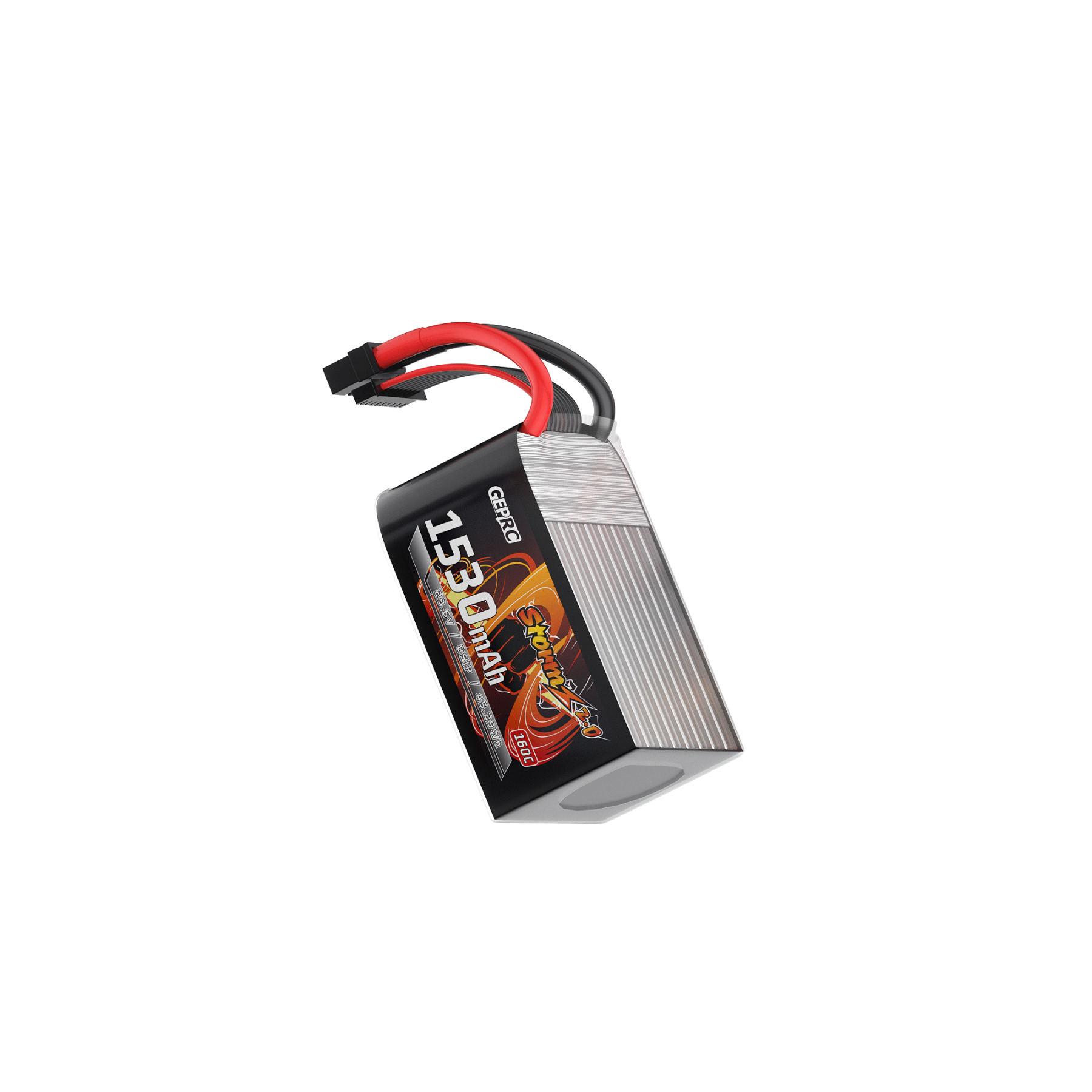
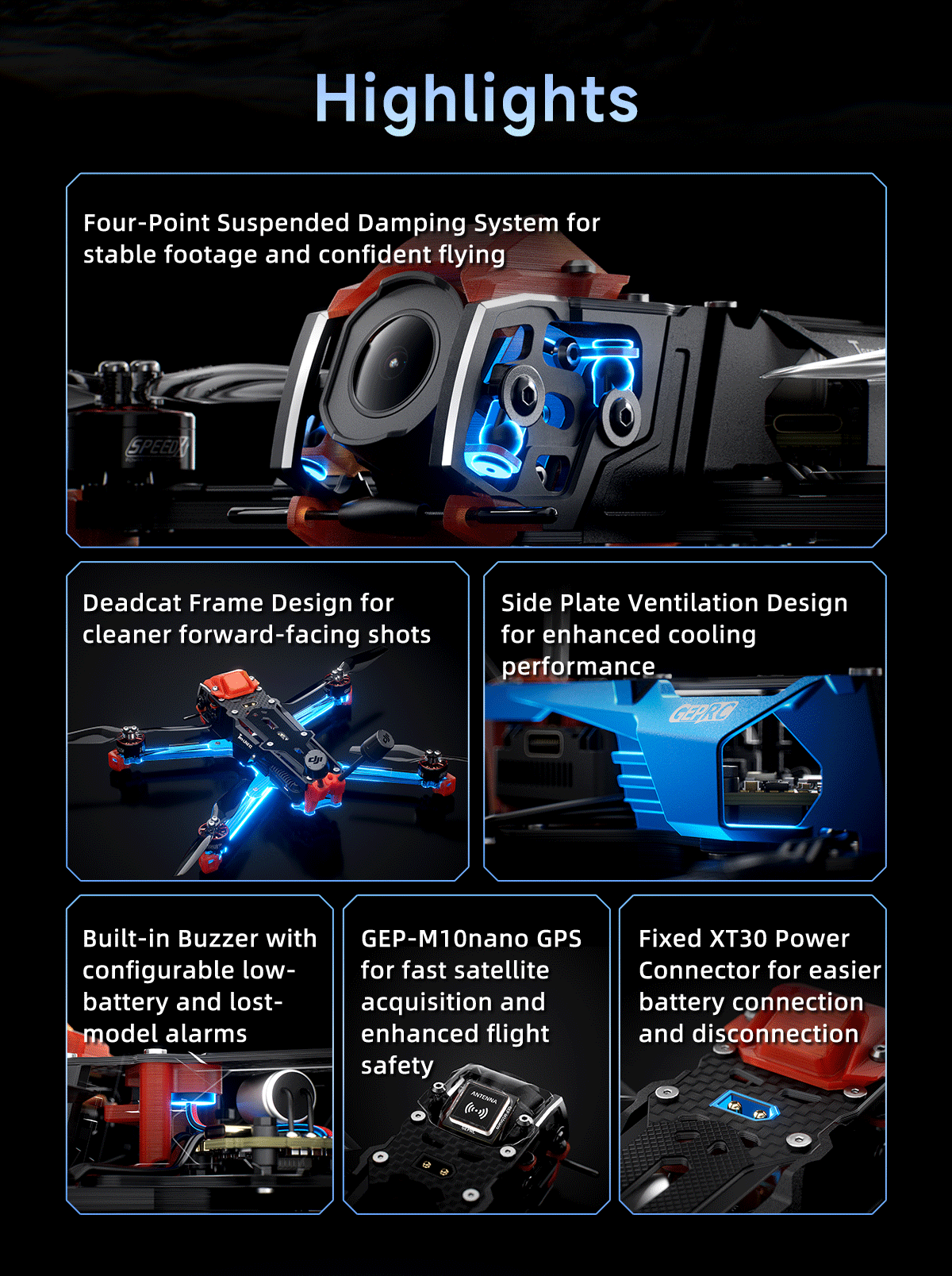
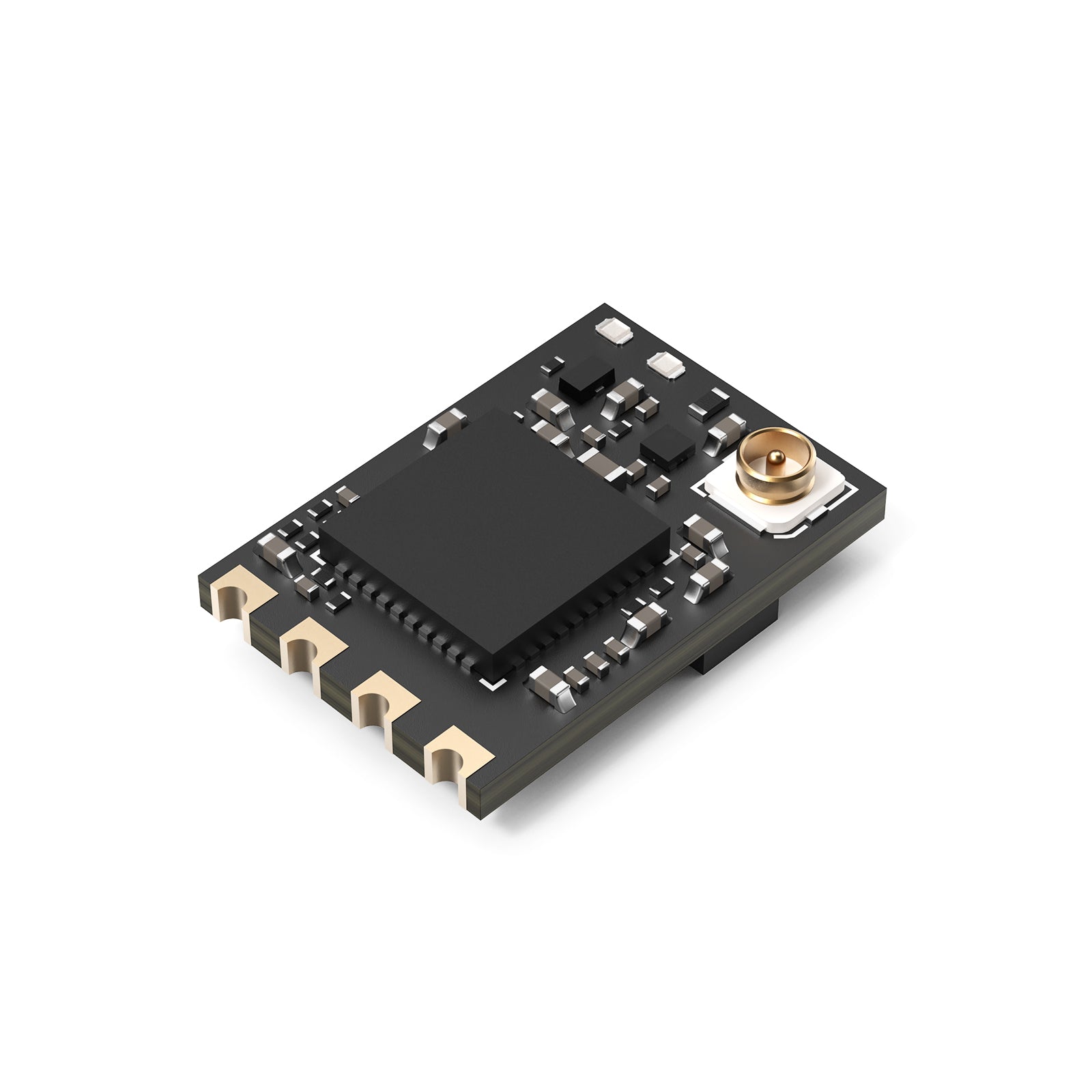
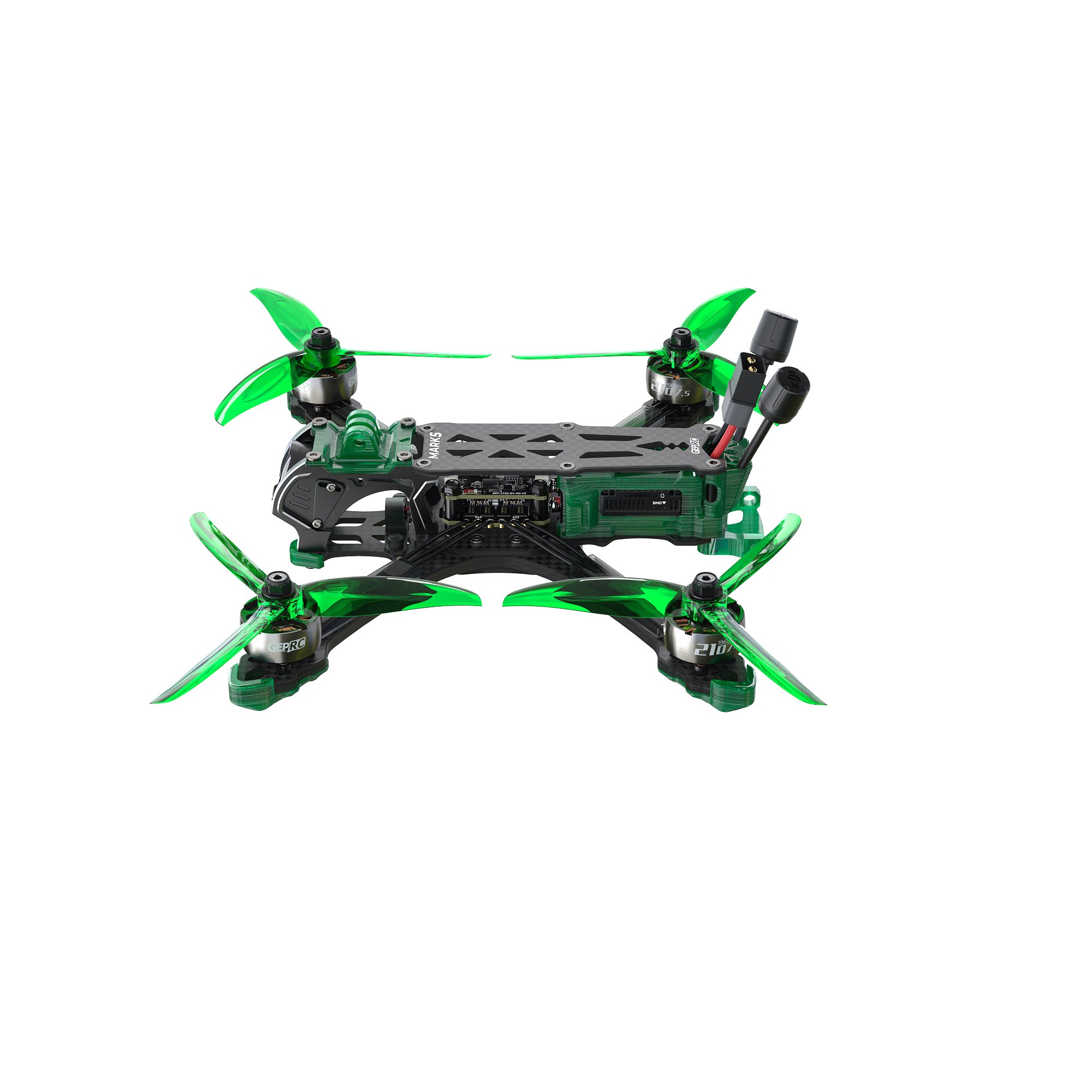
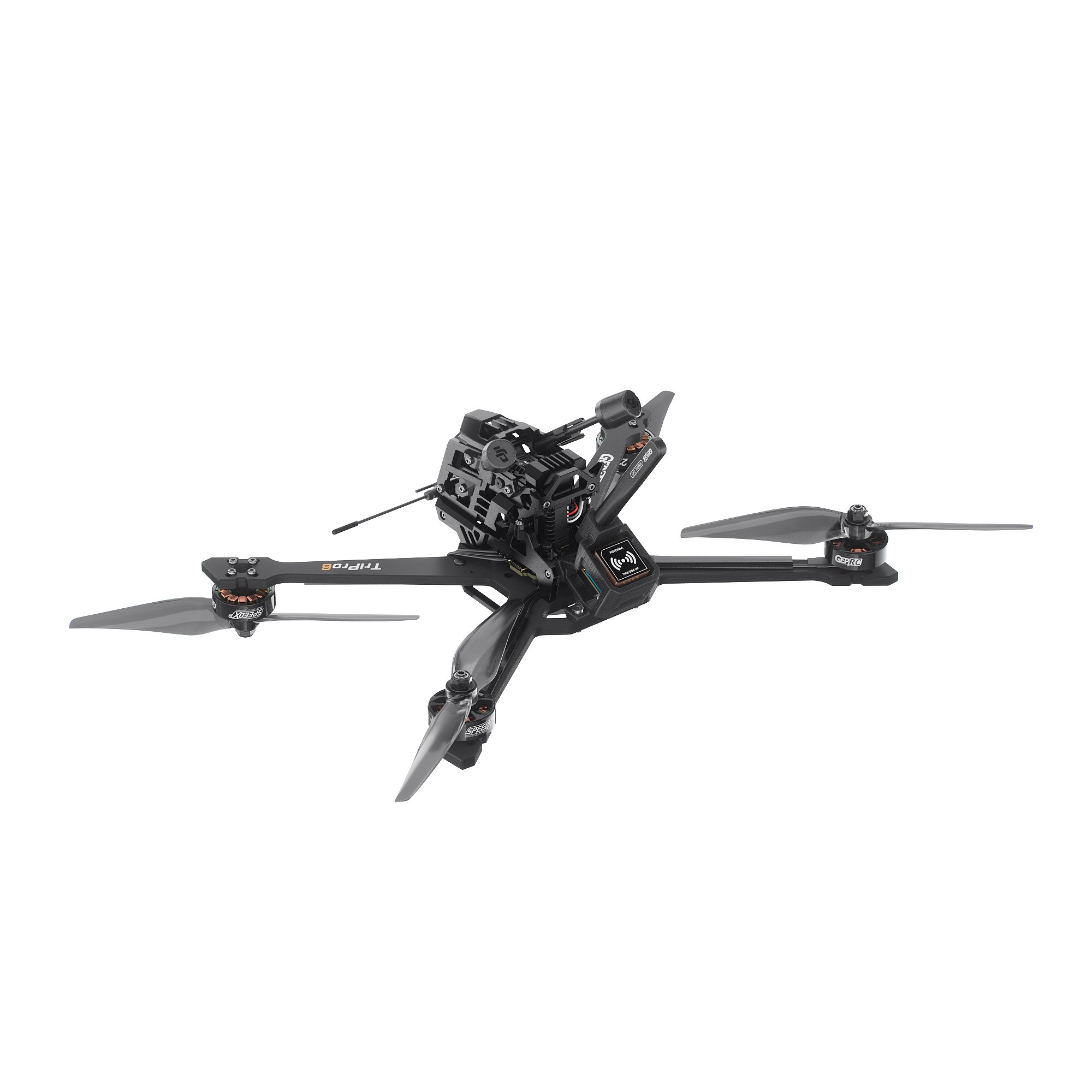
The GEPRC TriPro6 O4 Pro with Gemini-X and GPS is a 6-inch long-range FPV drone with 265mm wheelbase, a TAKER F722 45A AIO, SPEEDX2 2205E 1400KV motors, HQProp 6×4.3 propellers and the DJI O4 Air Unit Pro. GEPRC’s GemX option integrates a 915MHz/2.4GHz C3 dual-band ELRS receiver and a GEP-M10 GNSS module. The 6S powertrain is designed around the manufacturer’s suggested 6S1P 3000mAh 18650 Li-ion or 6S 2200mAh LiPo battery configurations.

GEPRC publishes a 383g ±5g reference weight and 26–28-minute slow-cruising flight time for the TriPro6 family. These figures depend on tested configuration and flying conditions. A larger battery can extend endurance but also changes mass and wind/turning response; 26 minutes should not be treated as a guaranteed return-from-long-range budget.
Single-band ELRS versus Gemini versus Gemini Xrossband
| Radio configuration | What is transmitted | Required compatibility |
|---|---|---|
| Ordinary ELRS 2.4GHz | One 2.4GHz RF link | Compatible 2.4GHz TX and receiver, matching firmware/phrase |
| Single-band Gemini | Two RF channels within the same band | Gemini-capable dual RF hardware in the selected band |
| Gemini Xrossband (GemX) | Simultaneous 900MHz and 2.4GHz packets | Dual-band LR1121-capable GemX TX and RX, compatible crossband mode |
| DJI O4 digital video | Independent 5GHz-range digital video/control ecosystem | DJI-compatible goggles/controller; not equivalent to ELRS GemX binding |
According to the official ExpressLRS documentation, GemX’s full crossband modes include X150Hz and X100Hz Full Resolution on supported firmware/hardware. These are not interchangeable with ordinary single-band 2.4GHz packet-rate selections. Check the transmitter’s ExpressLRS Lua script and the selected RF Band before deciding the receiver is defective.
Why the same binding phrase may not be sufficient
ELRS binding requires matching firmware major version, target, regulatory domain and appropriate RF packet format as well as a binding phrase or supported binding procedure. On dual-band equipment, selecting 2.4GHz only or 900MHz only on the TX can differ from selecting GemX X-Band. A transmitter without dual LR1121 radio chips cannot magically transmit simultaneous 900MHz and 2.4GHz packets merely by installing a Lua script that displays similar wording.
ExpressLRS’s official Lua documentation names supported dual-band modules and specifically includes GEPRC Gemini Xrossband receivers as matching destinations. If a normal 2.4GHz-only radio is used, investigate whether the receiver’s firmware and hardware offer a documented supported single-band operation. Do not assume a default or unofficial firmware target makes this work, and never flash a 900MHz-only device with a 2.4GHz target or vice versa.
The two frequencies are subject to regional rules
“915MHz” on a product page is not a universal authorisation to transmit on that band in every country. ExpressLRS 900MHz hardware may have a relevant regulatory-domain selection for different jurisdictions. Configure the correct regional domain and permitted transmitter power and frequency before field testing. Do not import a noncompliant radio setting from an overseas tutorial just because it binds successfully. The 2.4GHz band has its own power and channel requirements as well.
How to troubleshoot no binding in seven steps
- Confirm the receiver version: identify the actual GEPRC 915M/2.4G C3 GemX hardware and installed firmware—not a standard PNP or TBS Diversity Nano variant.
- Identify the transmitter: confirm whether the radio’s internal or external module truly supports GemX dual-band operation, rather than being only an ordinary 2.4GHz ELRS module.
- Check firmware generation: record the TX and RX ExpressLRS major versions and their supported compatible protocol modes. Use only the device’s official firmware target.
- Check binding phrase and UID: set matching supported values without assuming a common phrase can overcome a different RF mode or regulatory domain.
- Open ELRS Lua: confirm the RF Band is set to supported X-Band / GemX and select a compatible X-mode when using a genuinely dual-band transmitter/receiver.
- Inspect antenna connections: with battery disconnected, verify that the correct dual-band antennas and each receiver RF path are connected and not cut, crushed or hidden against carbon.
- Verify the FC separately: after the receiver links, check Betaflight CRSF serial RX port, stick movement, channel mapping, failsafe and arming flags with the props removed.
O4 video is not evidence of an ELRS link
The DJI O4 Air Unit Pro can send a clear FPV camera picture while the ELRS radio receiver is unbound or wired to the wrong flight-controller UART. The control link on a GemX-equipped configuration comes from the separate ELRS receiver; DJI O4 video/Goggles pairing does not solve ExpressLRS UID, firmware or CRSF routing. Check link quality and packet reception in the ELRS tools, and use Betaflight’s Receiver tab to validate real stick input independently from the DJI goggles image.
The same distinction matters for fail-safe planning: a video feed can remain usable after RC control loss or vice versa. Configure the correct Betaflight failsafe and never assume DJI video “Return to Home” behaviour applies to the ELRS-connected freestyle drone.
Does dual-band GemX double the range?
No. ExpressLRS documentation explicitly notes that Gemini does not inherently increase RF packet sensitivity or guarantee a longer maximum range. The advantage is resilience: two independent frequency paths can help maintain a higher Link Quality when one is affected by interference, propagation or antenna shadowing. Long-range flights still require appropriate receiver placement, clear antennas, regulated TX power, verified GNSS and legal operating procedures. An apparent “better LQ” does not remove the need for a safe landing reserve or reliable failsafe.
Li-ion versus LiPo on a 6-inch long-range build
GEPRC recommends both 6S 3000mAh 18650 Li-ion and 6S 2200mAh LiPo options. Li-ion can suit gentle low-current cruising where energy density is valuable; LiPo can offer higher discharge capability for demanding acceleration. The right pack depends on installed payload, current draw and return reserve. Do not use a larger nominal mAh number as proof of safe performance under high-power manoeuvres.
O4 Pro versus WTFPV: avoid buying the wrong video bundle
The TriPro6 comes in different video-system packages. The O4 Pro version documented in this article includes a DJI O4 Air Unit Pro transmitter, camera and antenna. GEPRC separately lists a TriPro6 WTFPV variant whose model-specific specification explicitly shows VTX: None, Camera: None and Antenna: None. The airframe and propulsion can look very similar in photos. A WTFPV quad therefore cannot provide an O4 image merely because the controller receiver is bound; its video hardware must be selected and installed separately.
Check the invoice/SKU for O4 Pro versus WTFPV independently of the radio-receiver option (PNP, TBS Diversity Nano RX or GemX ELRS). A GemX receiver is for the control link, not a substitute for the DJI O4 digital video unit. Refer to the GEPRC WTFPV technical specification, not a general promotional paragraph that may describe the complete O4 Pro model.
What the 26–28-minute endurance claim actually covers
GEPRC specifies the 26–28-minute flight time for slow cruising flights. It is not a promise of the same runtime under aggressive throttle, strong headwinds or added camera payload. The manufacturer’s suggested 6S1P 3000mAh 18650 Li-ion and 6S 2200mAh LiPo packs suit different current-demand profiles. Compare usable discharge current, full-pack weight and the planned return reserve rather than relying on mAh or the headline flight duration alone.
Official GEPRC and ExpressLRS references
GEPRC’s TriPro6 specification identifies the GemX receiver, 6S propulsion and GPS. ExpressLRS’s Gemini technical guide explains simultaneous dual-band operation and its limits; the ELRS Lua RF-band and packet-rate guide details X150/X100 and compatible modules. The complete TriPro6 GemX package at FalconFly is the specific model addressed here; see also our Gemini Xrossband versus conventional ELRS buying guide.