GEPRC Tern40 LR V2: 4S LiPo vs 18650 Battery Trade-Offs

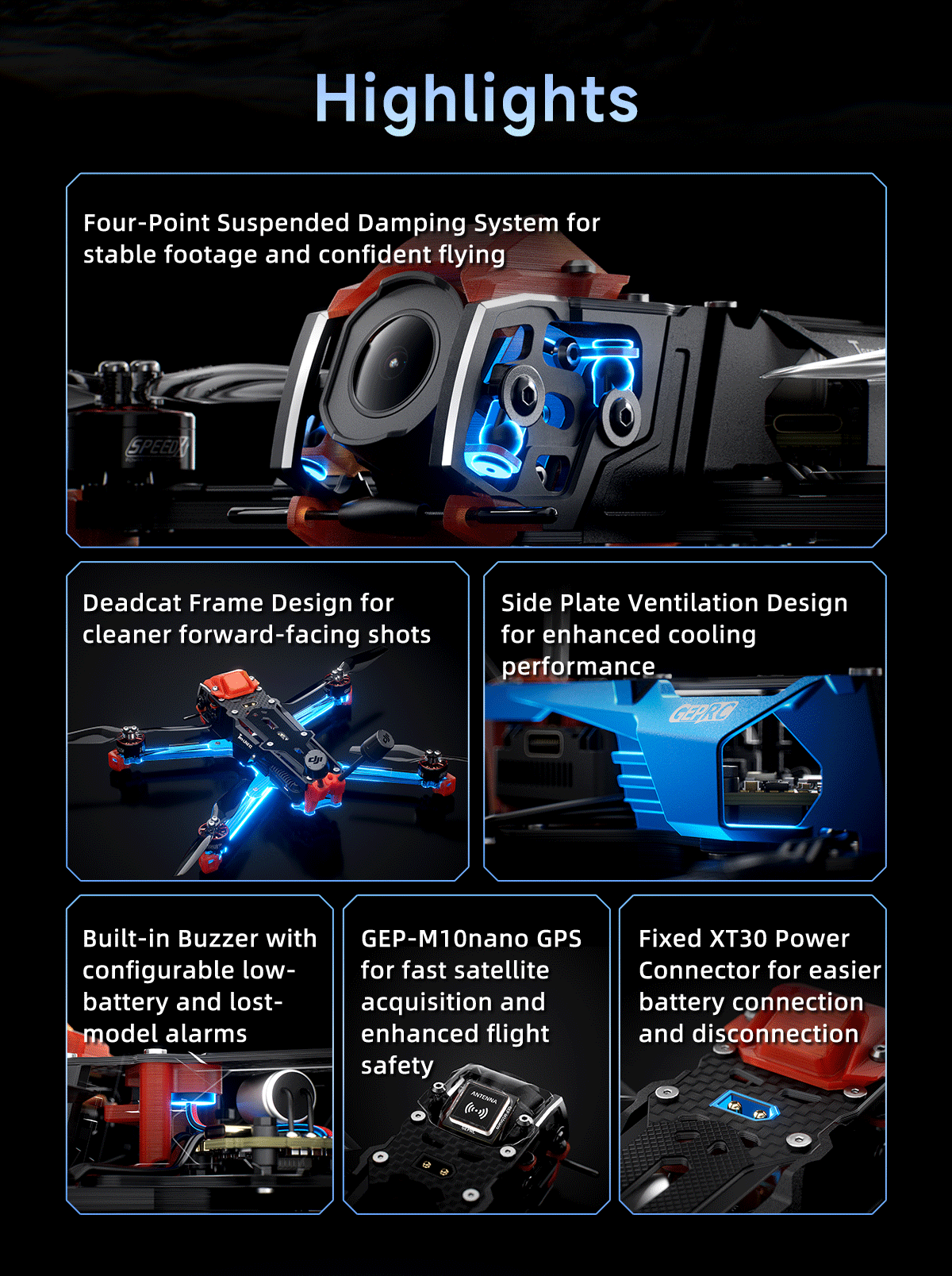
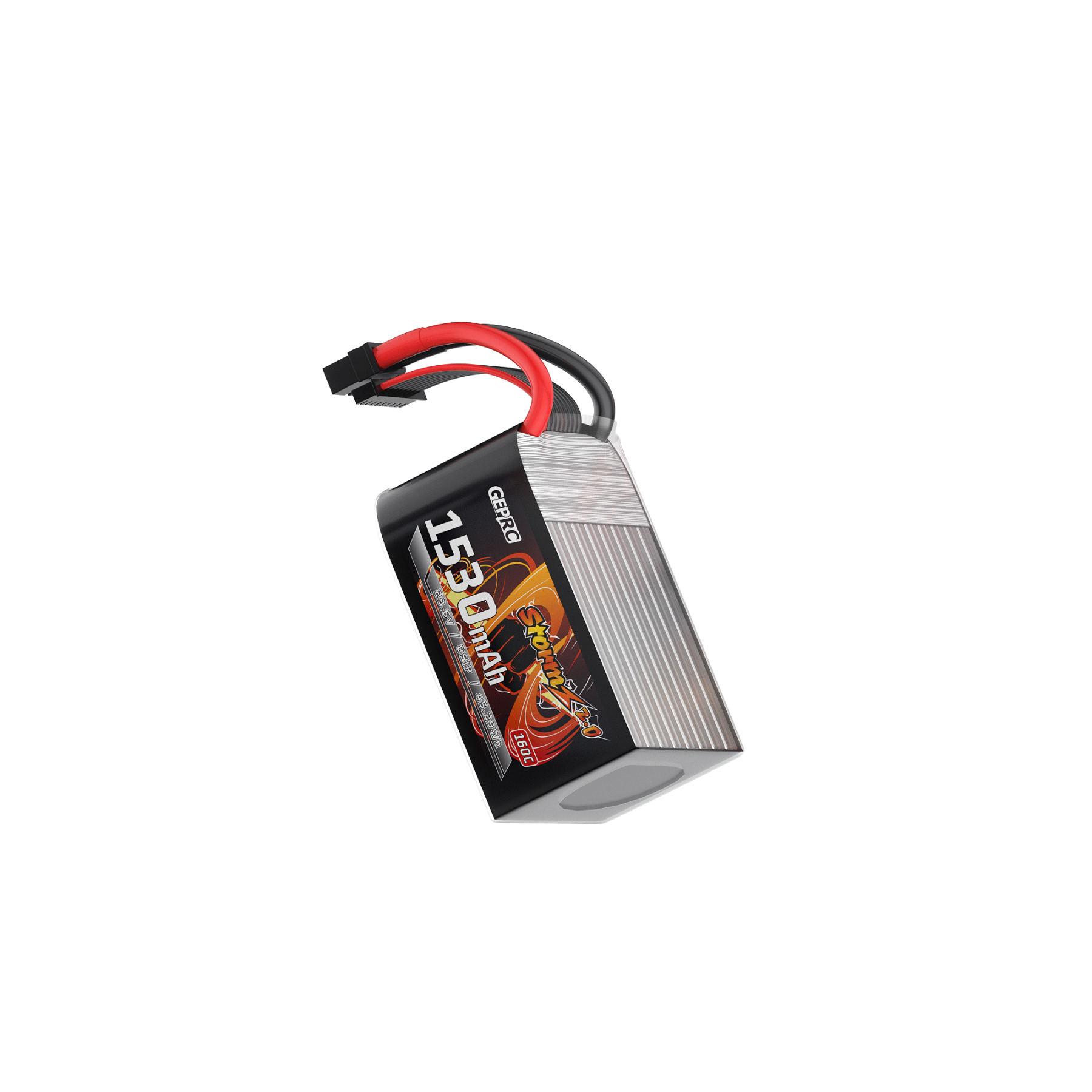
The GEPRC Tern40 LR V2 O4 Pro is built for efficient four-inch cruising, but a battery with more nominal capacity is not automatically the better choice for every flight. GEPRC lists both compact 4S LiPo packs and a 3000 mAh 18650-based option. Which suits your mission depends on current demand, weight, voltage behaviour, and the return reserve you keep.
Start with GEPRC’s actual reference configuration
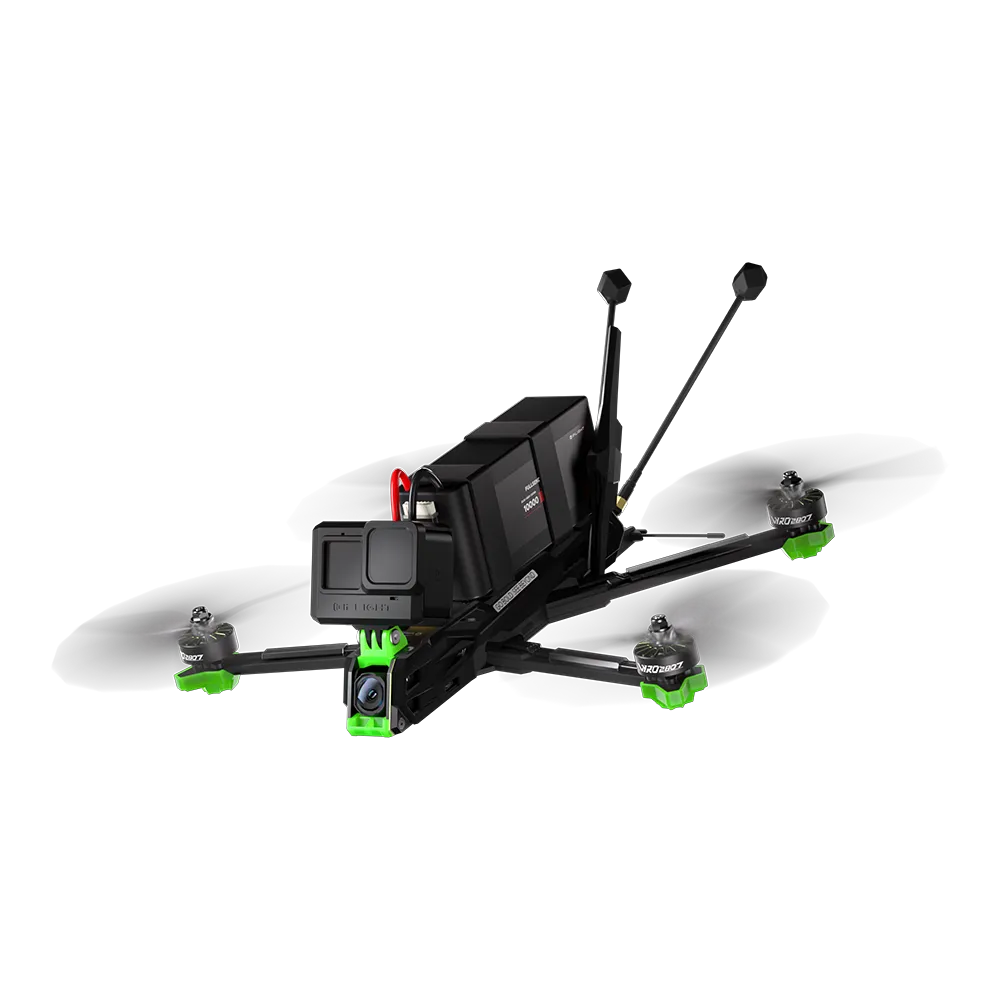
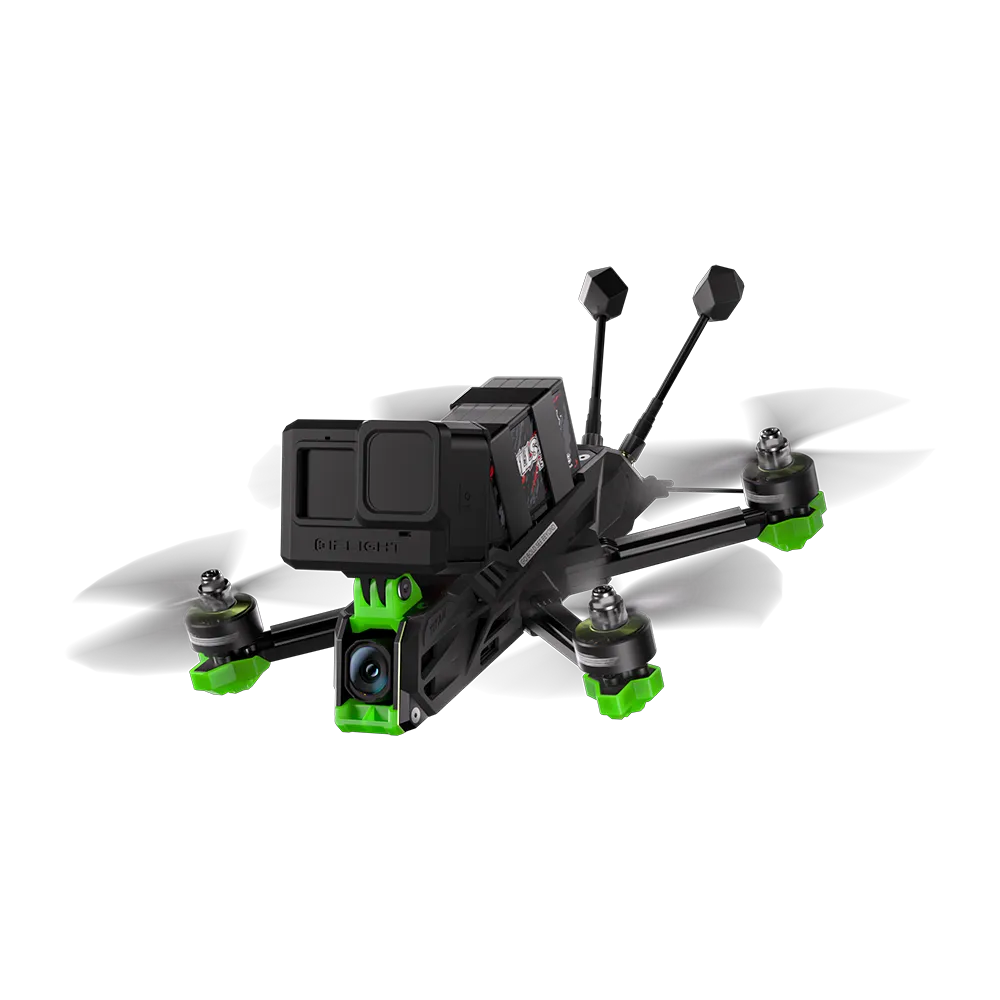
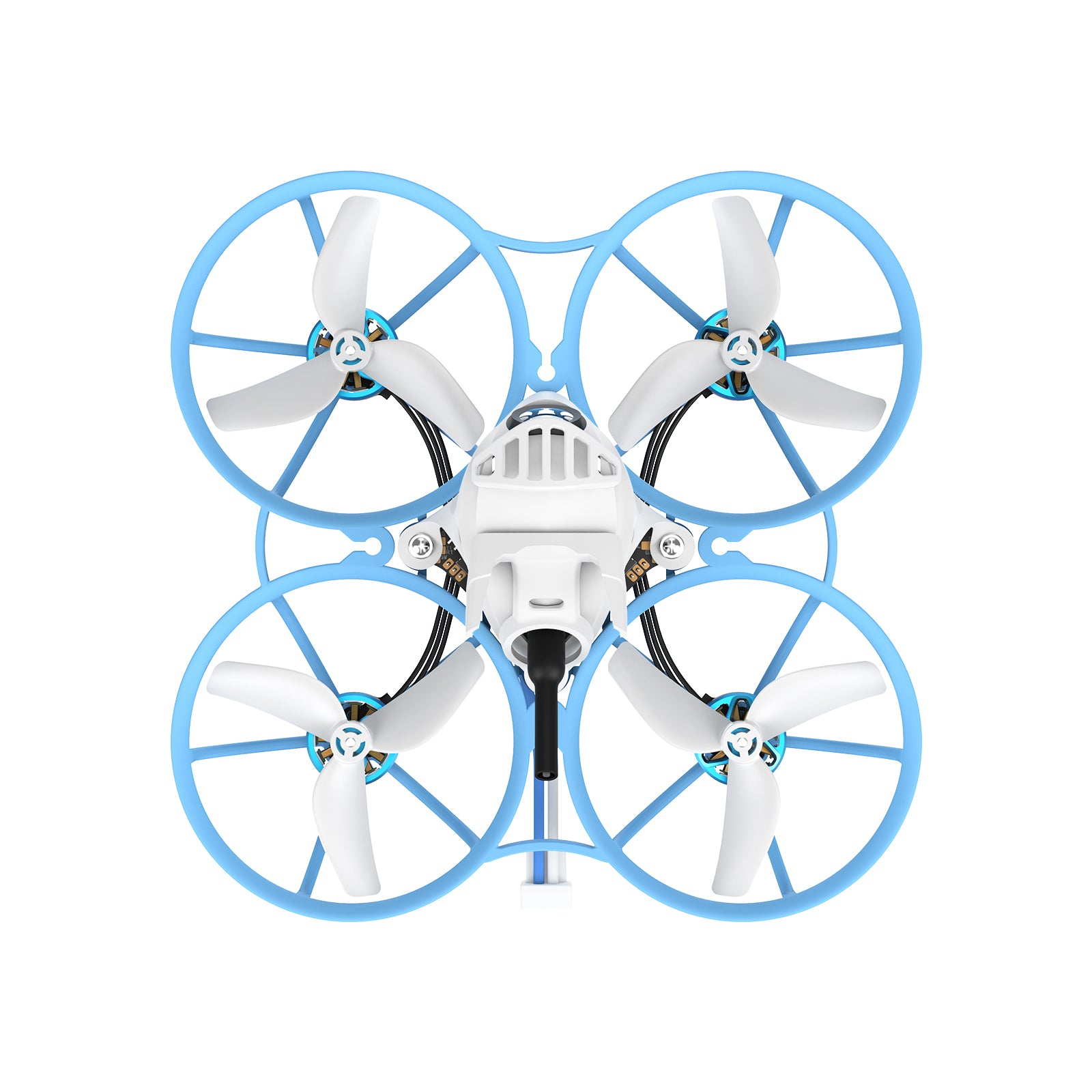
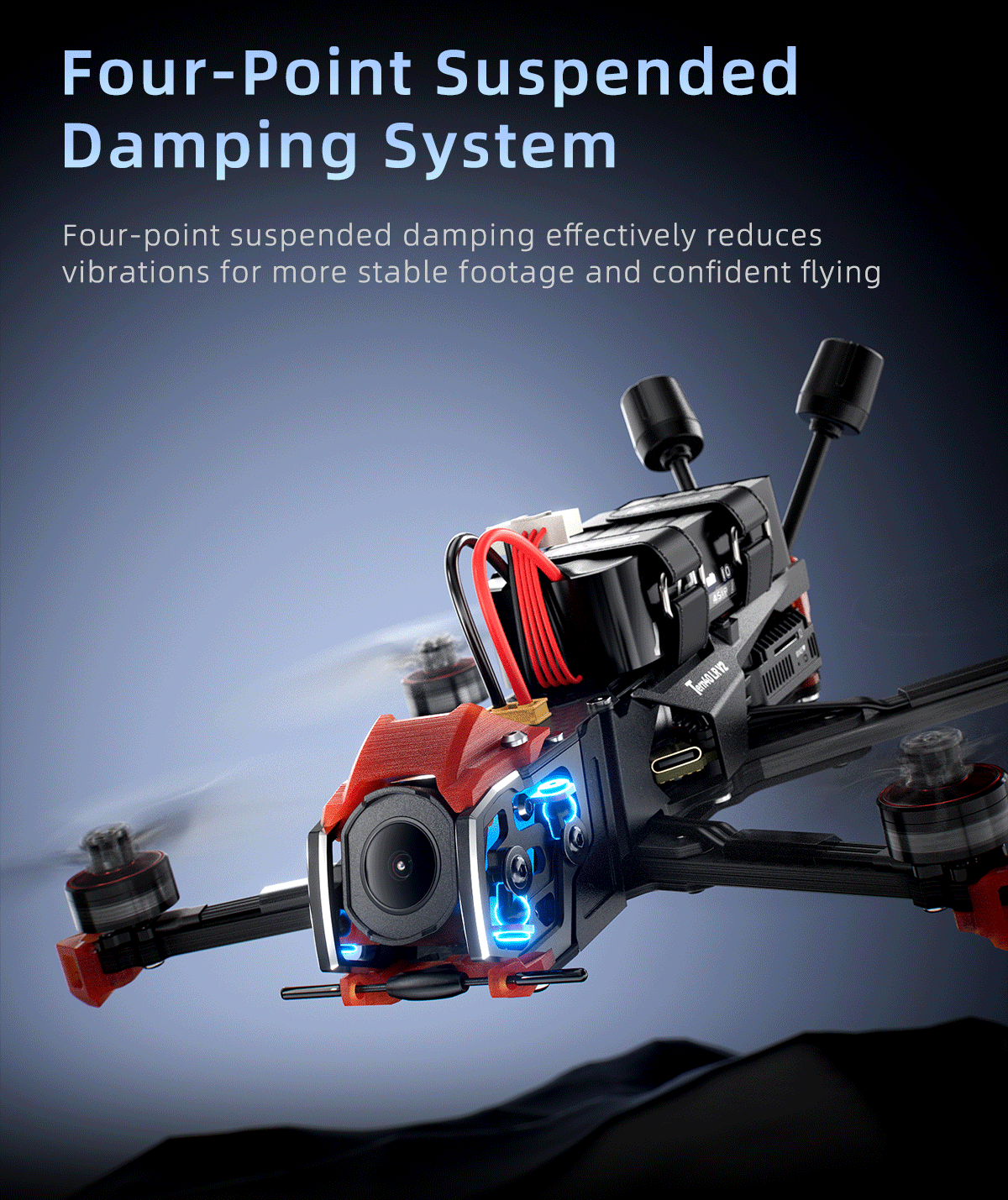
The manufacturer specifies a 186.7 mm deadcat frame, SPEEDX2 1404 3000KV motors, XT30 input, GEP-M10nano GPS and DJI O4 Pro camera system. Its normal LiPo guidance is 4S 660–850 mAh; GEPRC also lists an 18650 3000 mAh battery option, subject to the correct pack assembly and operating limits. A published short-cruise test used a LiHV 4S 720 mAh pack and quoted about 12 minutes to the manufacturer’s test landing threshold. Your own flight time will vary.
LiPo versus 18650: the decision isn’t just mAh
| Concern | Compact 4S LiPo | Compatible 18650-based pack |
|---|---|---|
| High instantaneous current | Usually better suited to aggressive throttle when correctly rated | May be significantly limited by cell discharge rating |
| Energy for gentle cruise | Depends on actual pack watt-hours and mass | Can offer useful energy density with the correct configuration |
| Weight and center of gravity | Often compact for a 4-inch platform | Check physical shape, restraint and actual ready-to-fly mass |
| Safe voltage envelope | Use the specific LiPo/LiHV cell limits | Use the cell and pack maker’s full series and cutoff rules |
Compare watt-hours, not mAh alone. A 3000 mAh rating without its series count and nominal voltage does not provide a meaningful energy comparison. Do not substitute loose cells, improvised series assemblies or an incorrectly rated XT30 lead. Any 18650 pack must have the correct construction, chemistry, voltage range and sustained discharge capability for the full airframe.
What the GPS and buzzer do—and do not do
GEPRC includes an M10nano GPS and buzzer. Before any mission, verify satellite lock and the orientation of the home indicator, as well as the Betaflight version and configured failsafe. A lost-model buzzer is valuable when the aircraft is on the ground, but GPS does not automatically turn a Betaflight quad into a navigation-certified autopilot. FalconFly’s existing GPS Rescue safety checklist covers emergency return settings in more depth.
A practical battery test for this exact drone
- Record the battery’s real cell count, chemistry, watt-hour rating, connector and continuous current rating.
- Mount the pack using suitable straps and anti-slip pads; verify propeller and cable clearance with the canopy installed.
- Check CG with the O4 camera in its mission angle and any added recording accessory.
- Conduct a brief safe hover and gentle cruise in a permitted location; log current draw, voltage sag, pack temperature and remaining capacity.
- Run a separate conservative return-reserve test. Do not extrapolate a single calm-weather cruise result into a headwind mission.
Related FalconFly guide
For broader practical context, read our real LiPo versus Li-ion long-range trade-offs guide. It complements this product-specific troubleshooting workflow.
Worked energy comparison: why mAh alone is misleading
A four-cell 3000mAh Li-ion pack may store roughly 43.2Wh at 14.4V nominal, while a 4S 720mAh LiHV pack has roughly 10.9Wh at 15.2V nominal. This illustrates why a long-range low-current pack can have more stored energy than a small high-discharge LiPo. But the heavier and larger Li-ion pack does not provide unlimited motor current and can change the Tern40’s mass and CG enough to offset part of the endurance advantage. Real usable energy depends on pack discharge curve, internal resistance, temperature and minimum safe cell voltage.
| Choice | What to verify first |
|---|---|
| 4S 660–850mAh LiPo/LiHV | Manufacturer cell-voltage profile, high-current burst margin, frame slot fit and intended agile flight style |
| 4S 3000mAh 18650 Li-ion option | Actual pack assembly, permitted discharge current, mounting clearance, weight and conservative long-range return margin |
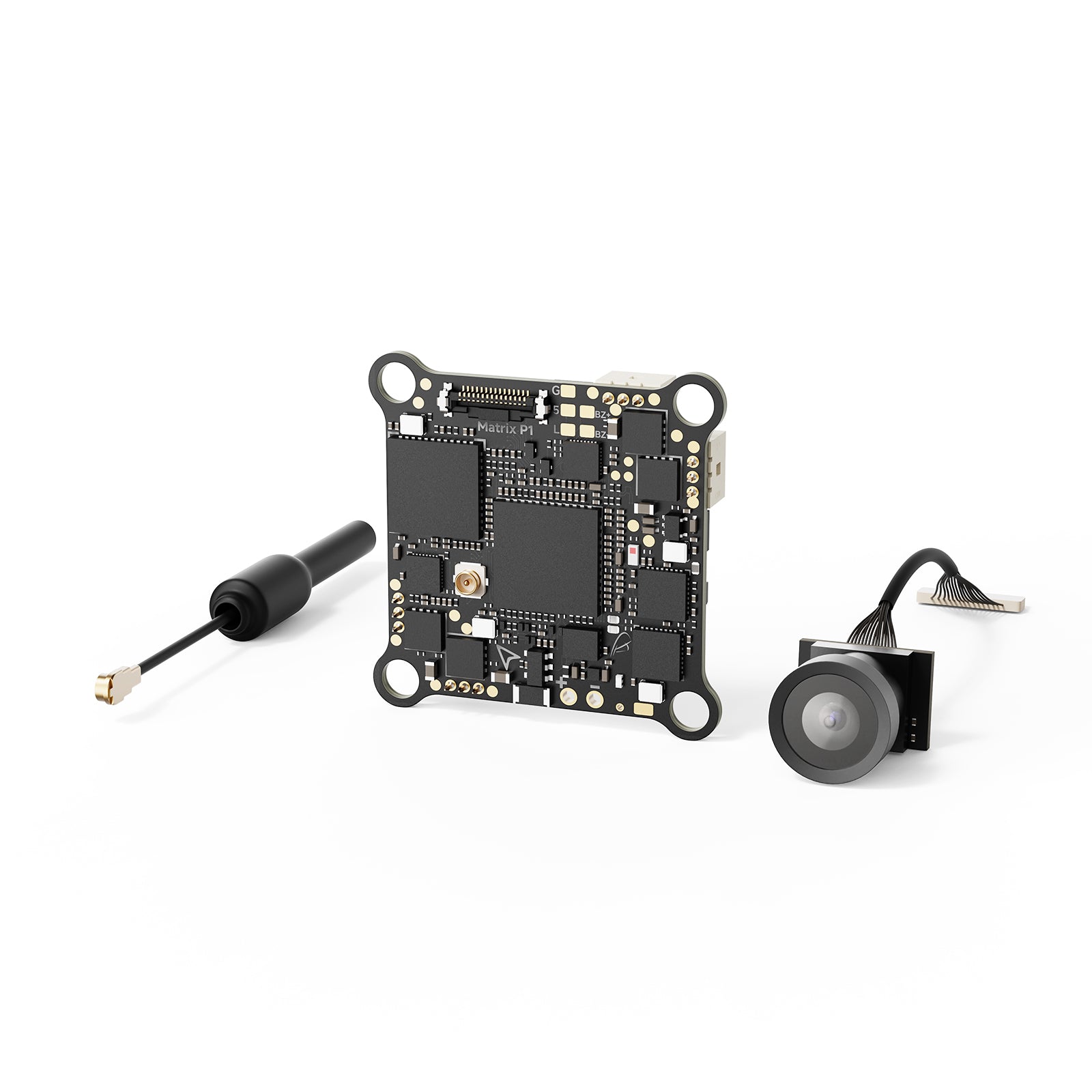
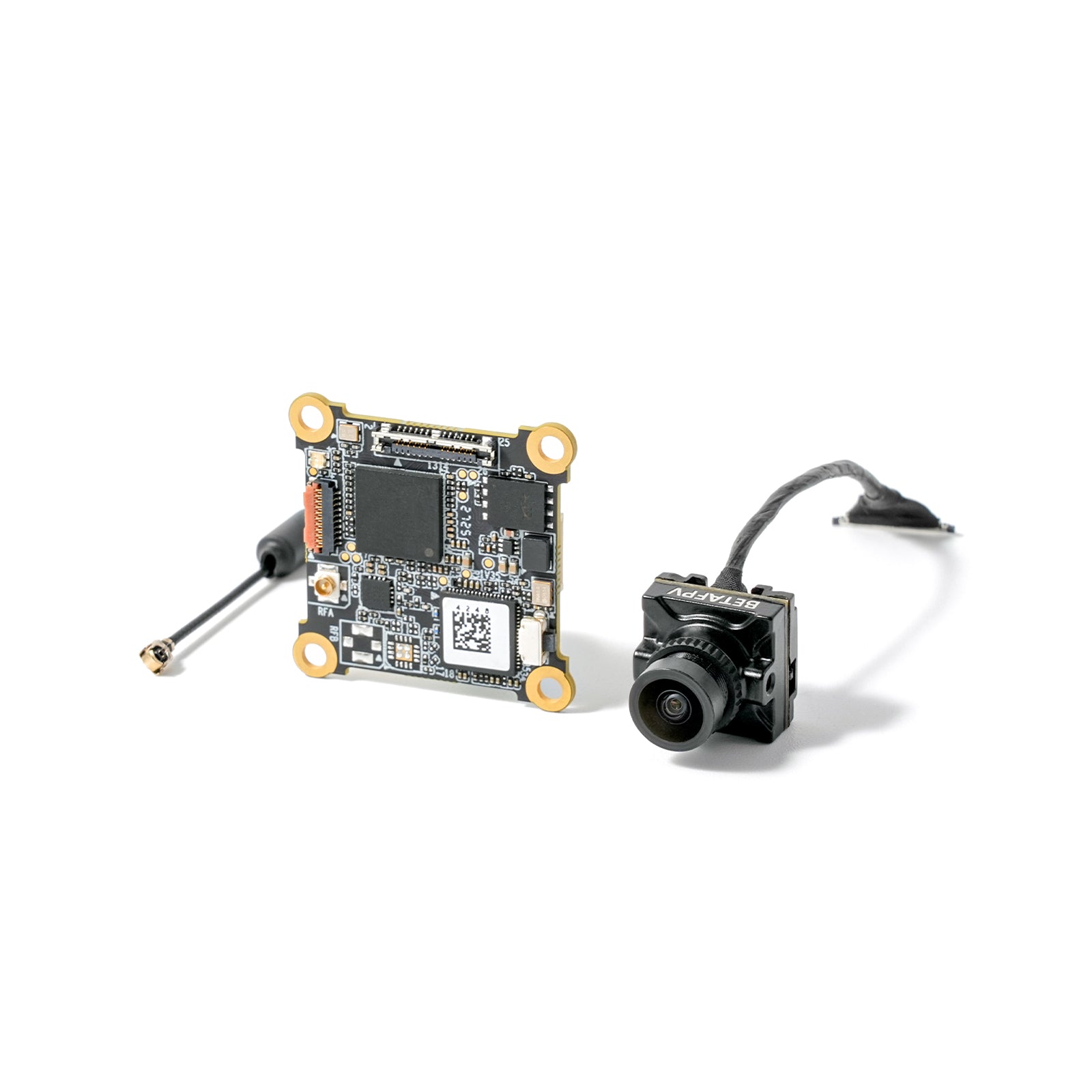
| Unexpected video blackout | DJI O4 Pro power rail, antenna/camera coax and FC supply—not battery capacity alone |
| Sudden voltage drop on throttle | Cell internal resistance, connector and wiring loss, motor demand and selected pack chemistry |
A repeatable battery trial without risking the aircraft
First select only manufacturer-approved battery options. Log each pack’s label, measured ready-to-fly mass, starting cell voltages and return threshold. Fly the same legal test route under comparable weather, with a safe landing reserve, and record average power, voltage sag on moderate manoeuvres, elapsed time and remaining capacity. Evaluate whether the Li-ion pack can sustain the aircraft’s actual climb and recovery current before using it for a demanding mission. A GPS Rescue or buzzer can assist after an unexpected problem, but neither creates extra battery power nor guarantees safe autonomous return.
When to choose each pack
A responsive short local flight often favours a correctly rated compact LiPo. An energy-dense 18650 assembly may suit a sustained gentle cruise where the pack’s continuous current rating and aircraft weight remain appropriate. For either, calculate a realistic return reserve, consider RF terrain and avoid flying beyond legal operating constraints. The Tern40 LR V2 O4 Pro product page identifies the stocked airframe variant, while GEPRC’s official listing gives the supported reference setup.