iFlight TITAN X3: What a 3.5-Inch O4 Pro FPV Drone Gives Up vs a 5-Inch

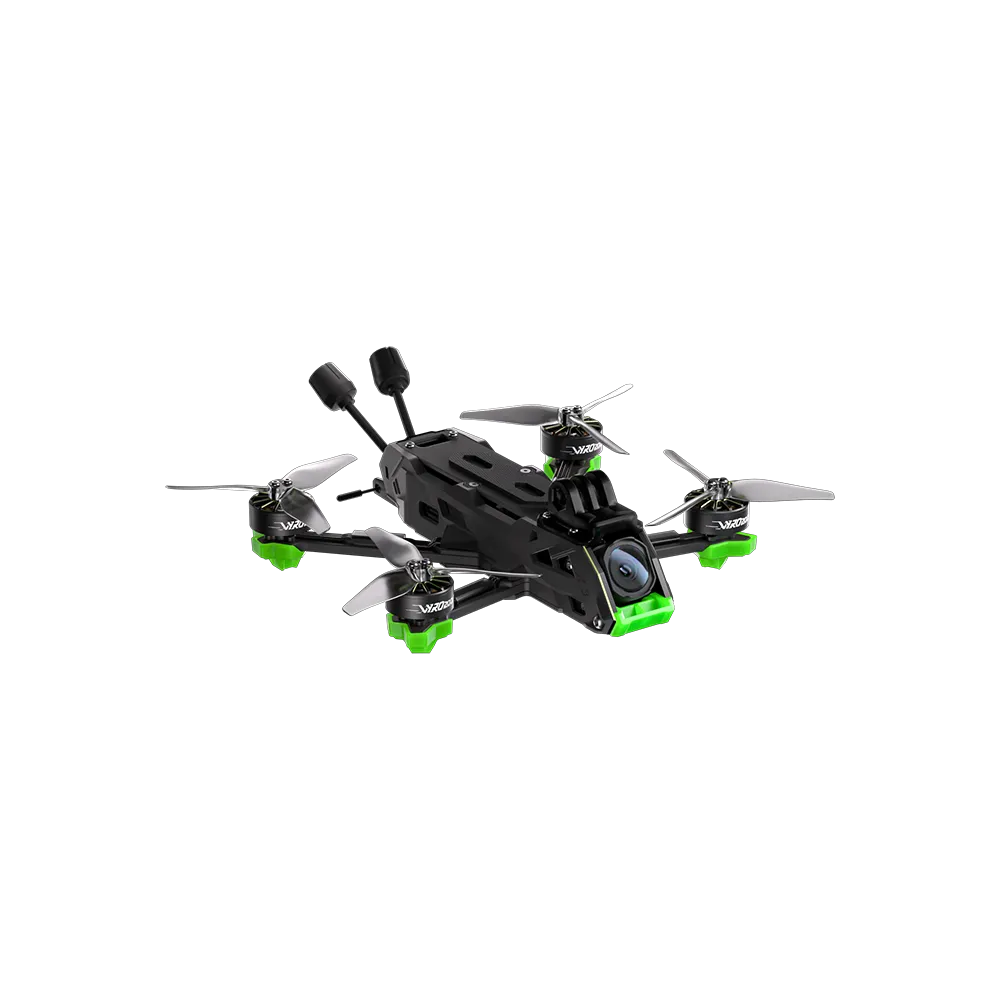
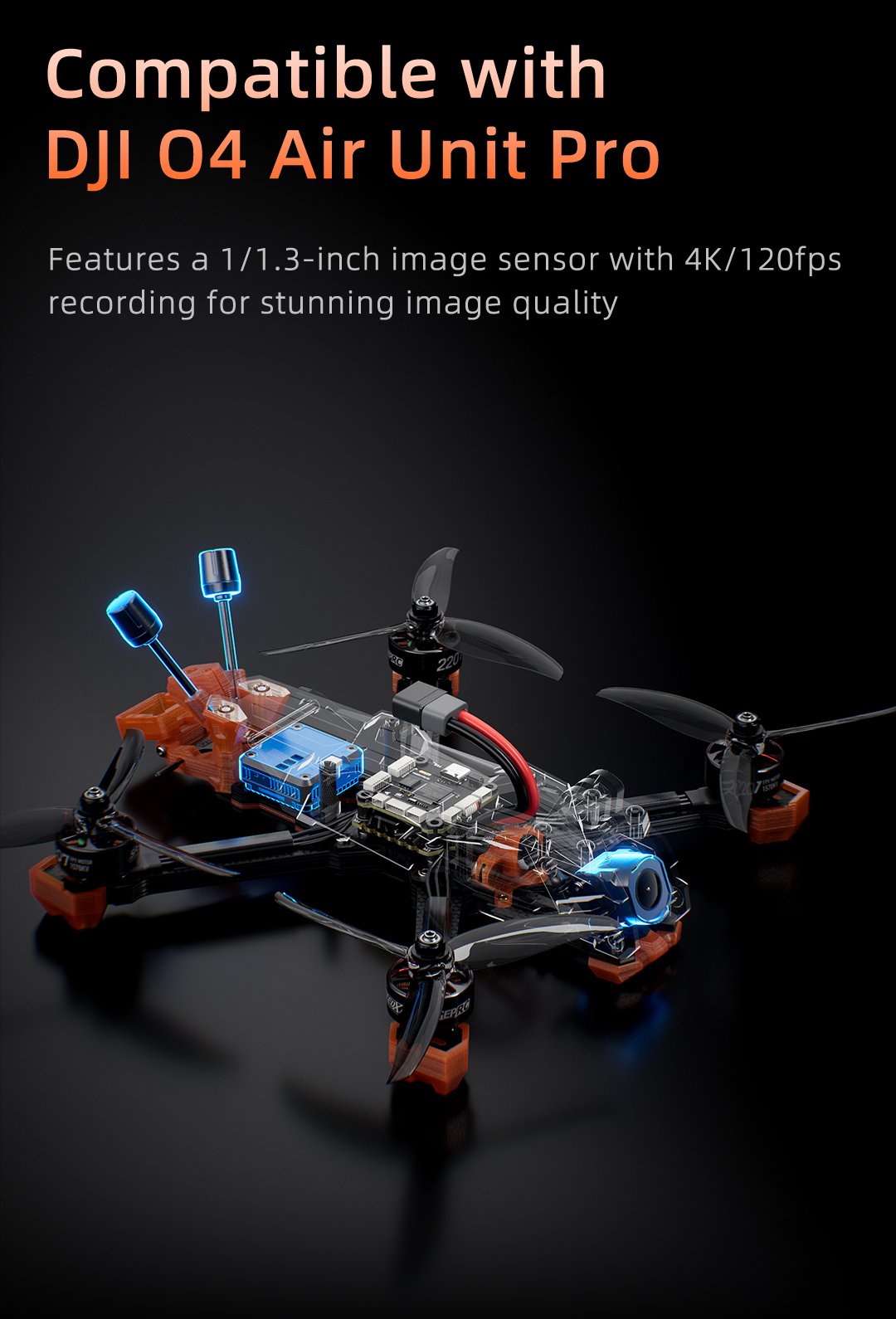
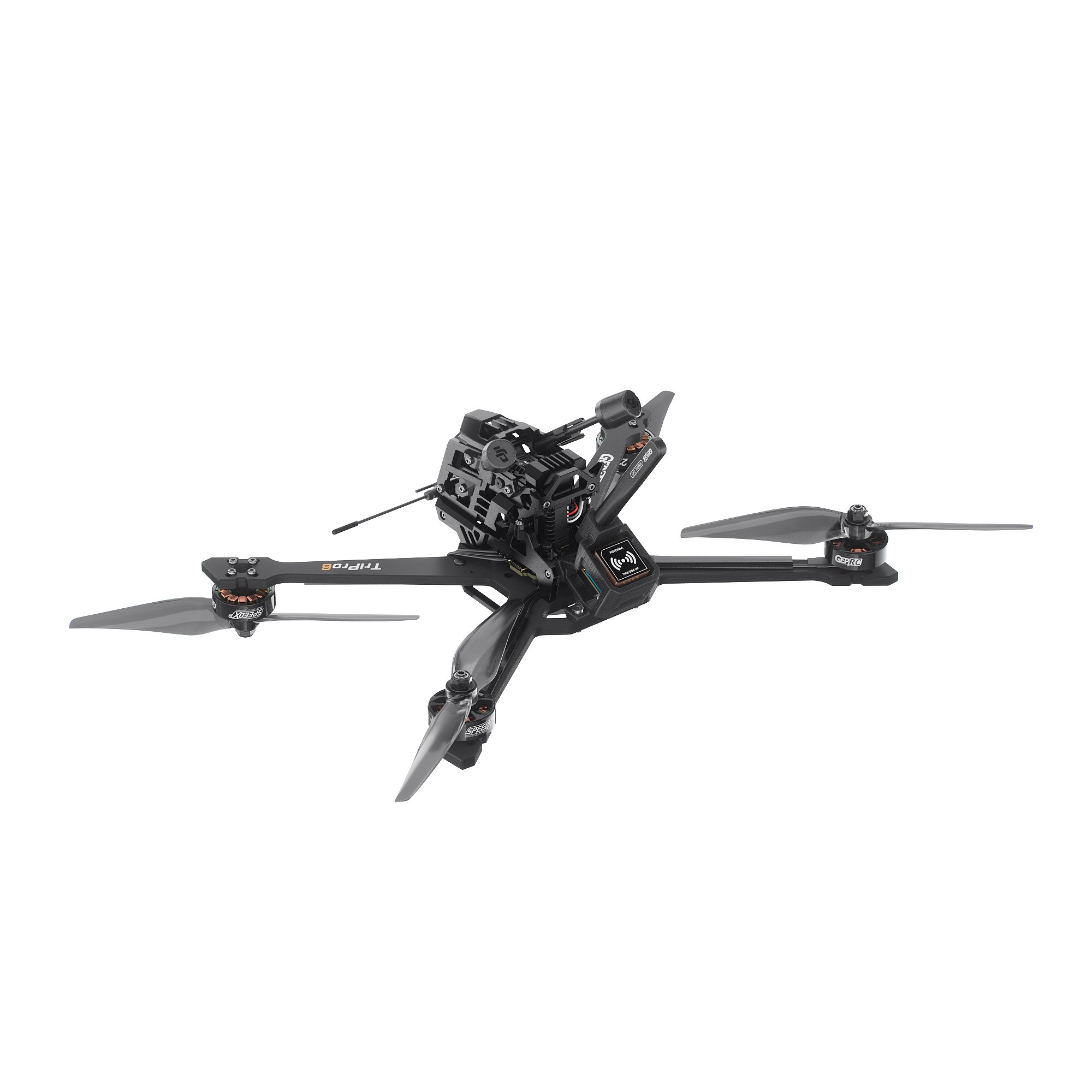
A pilot wants the camera quality of DJI O4 Pro in a smaller FPV drone and considers the iFlight TITAN X3 instead of a conventional five-inch build. The 3.5-inch platform can be more manageable in tighter spaces, but it also has less room for large batteries and different thrust, cooling and payload constraints. Compare the real airframe, ESC, motor and propeller combination before moving a five-inch battery or tuning profile to the X3; a smaller diameter does not make every electronic or camera accessory automatically compatible.
Where this problem starts
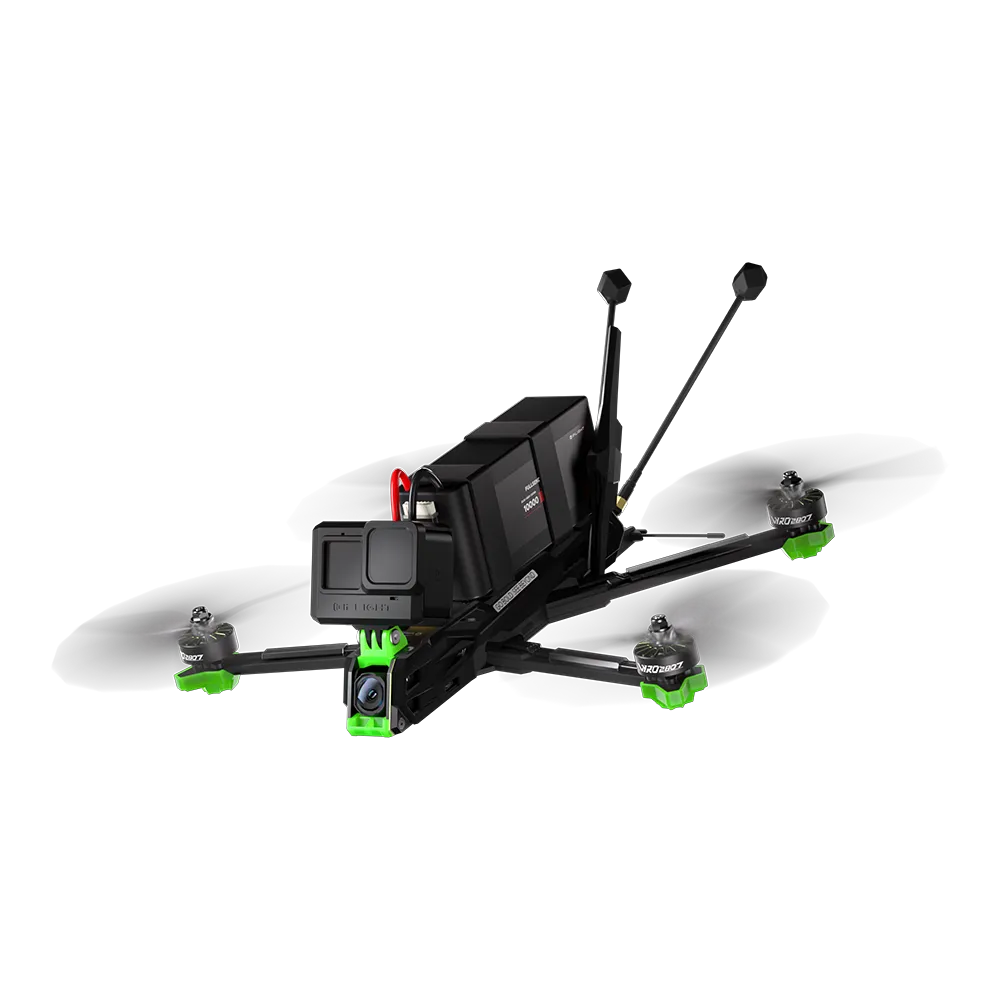
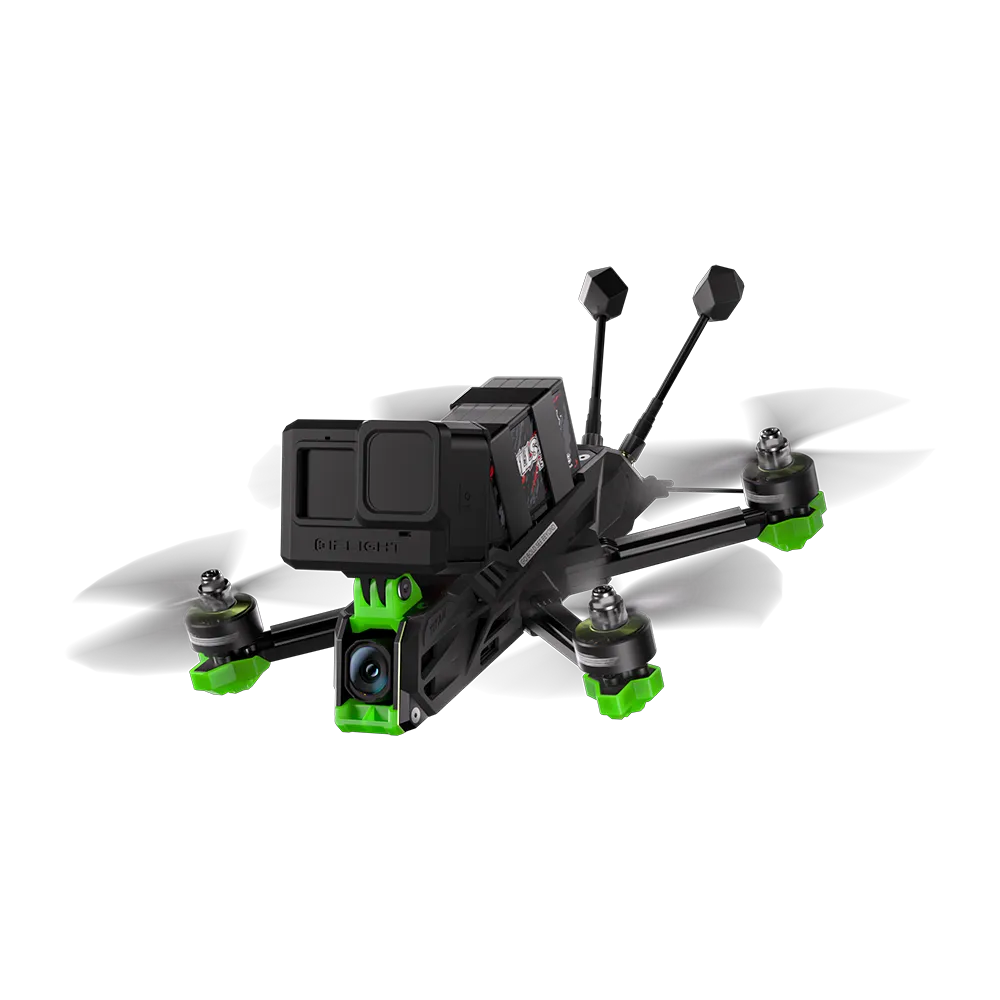
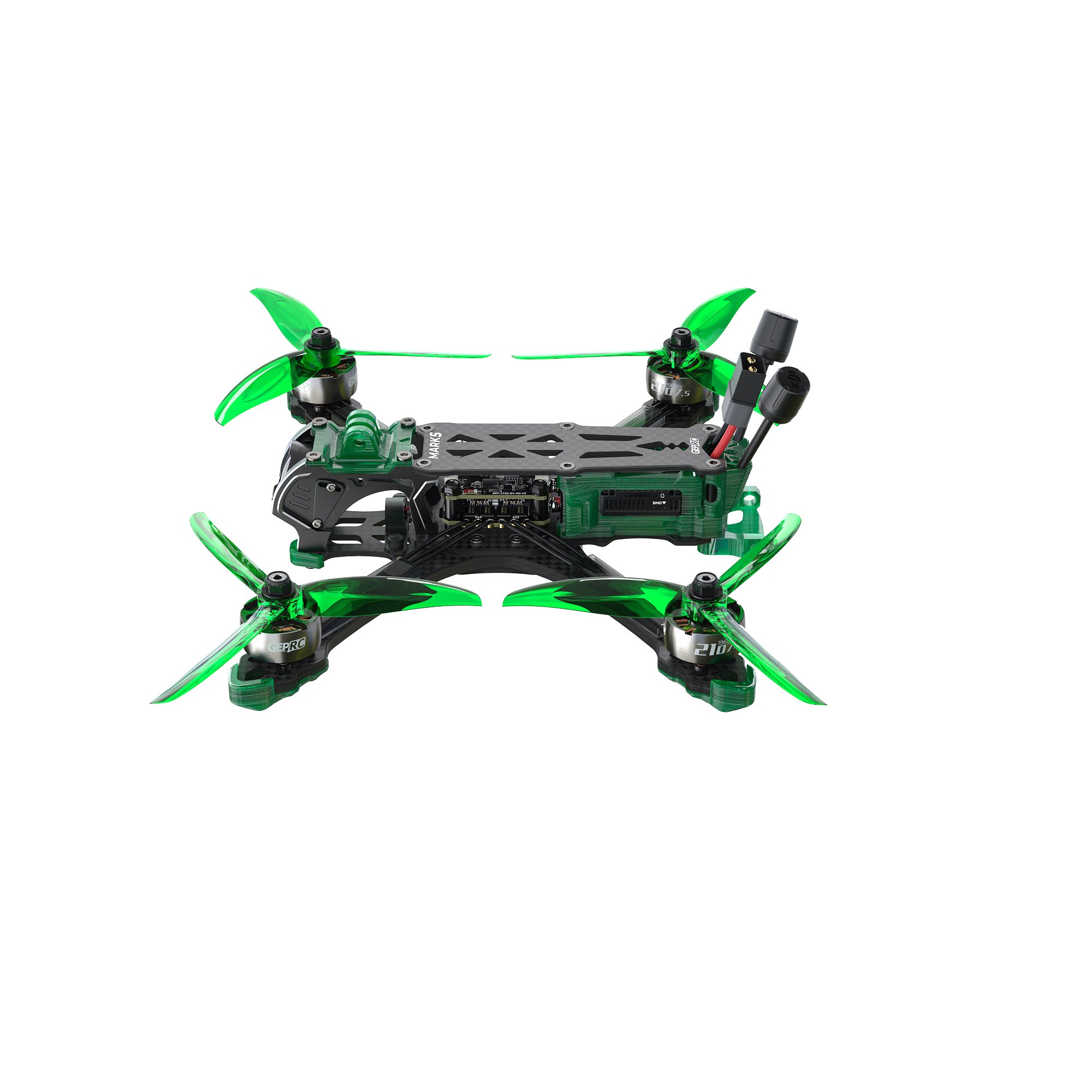
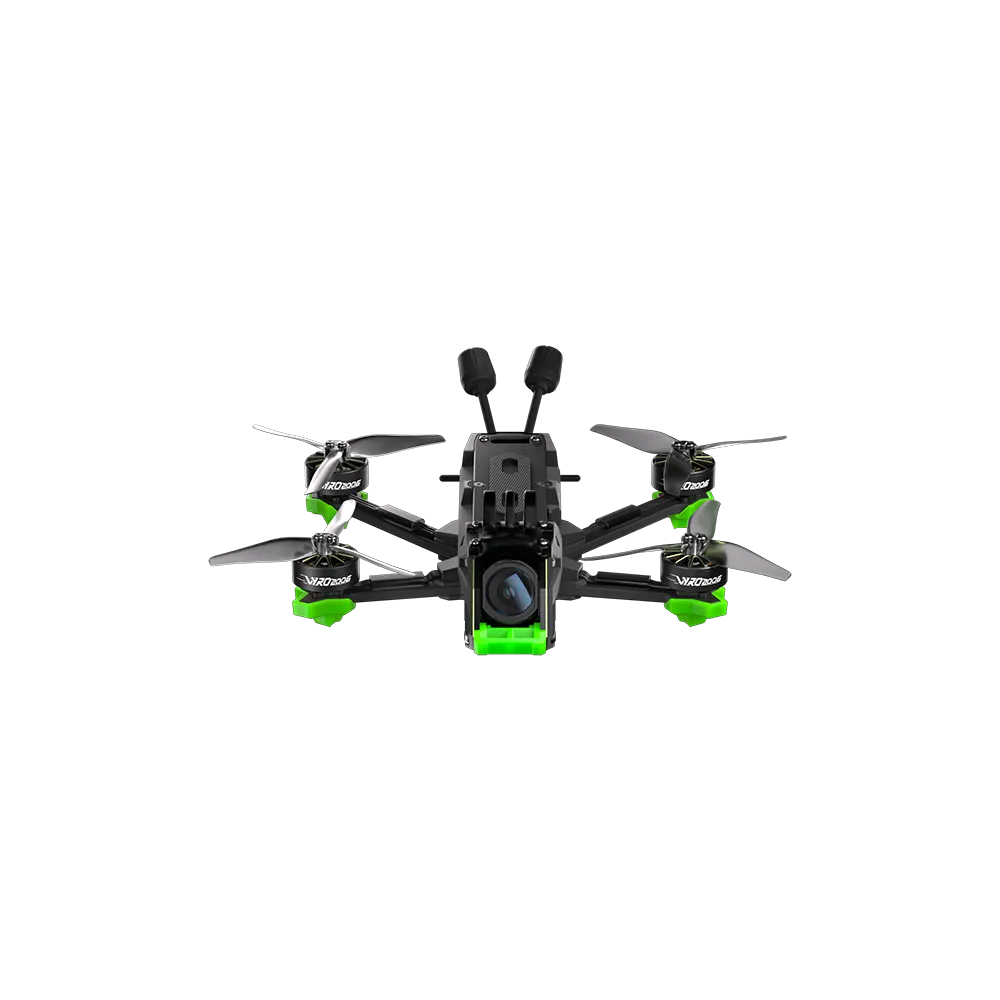
TITAN X3 uses DJI O4 Pro on a 3.5-inch platform, whereas the X5 moves to a 5-inch wide-X concept. The same FPV frame can come in different receiver, VTX and voltage variants, so a pilot should record the precise ordered configuration, firmware and battery before comparing two builds. Familiar connector colours or an identical airframe silhouette are not conclusive compatibility evidence.
Practical diagnosis on the bench
- Identify the fault: Note whether the problem is electrical power, control link, digital/analog video, propulsion, charging, navigation or mechanical fit.
- Run the relevant check: Evaluate safe training space, landing surfaces and propeller availability before deciding on prop size.
- Isolate the next variable: Compare flight feel and endurance under the same carried-camera and pack assumptions.
- Compare with a known-safe setup: Use a supported part or the manufacturer’s documented baseline; change only one variable per attempt.
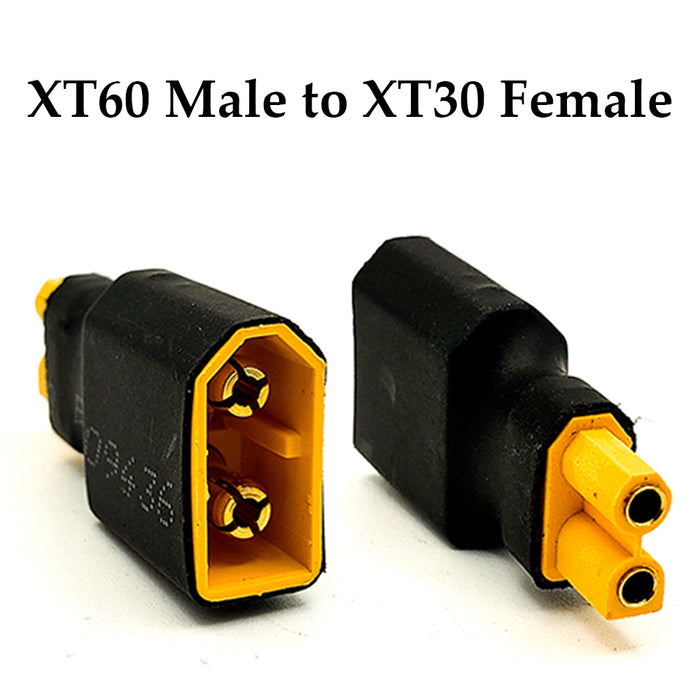
For electrical diagnosis, remove propellers and use suitable measurement equipment before energising a modified circuit. Check polarity and allowed input voltage with the component specifications, not by assuming all XT30- or XT60-equipped devices operate at the same pack voltage. Stop immediately on unexpected heat, smoke or damaged insulation, and do not attempt to revive swollen or mechanically compromised cells.
What does a successful test actually prove?
| Result | Useful conclusion | Still to check |
|---|---|---|
| Part powers on | Some supply path is working | Full voltage headroom, signal integrity, operating mode |
| Radio or video link connects | A compatible transport is present | Failsafe, legal RF channel and link margin |
| Static bench check passes | One controlled condition is satisfied | Cooling, vibration, real loads and safe preflight |
A misleading shortcut to avoid
Smaller propellers can feel different under throttle and wind; 3.5 inches is not simply a lighter X5. If the symptom began after a crash, inspect the physical system before flashing firmware or swapping tune profiles. A bent shaft, damaged antenna and loose connector can mimic a software issue. Conversely, software that speaks to a device does not mean that the power wiring and load are safe.
What to order, and what to keep
When buying a replacement, match the manufacturer-approved version and check iFlight TITAN X3 O4 Pro 6S HD 3.5-Inch FPV Drone at FalconFly. Keep notes on the original symptom and part model; this is essential when different shaft sizes, RF standards or battery voltages share similar product names. For a new build, calculate the component-level voltage and current envelope before paying for a larger pack or more powerful transmitter.
Do not treat a pilot’s range or flight-time video as an assurance for your environment. Antenna placement, interference, wind, payload and software versions affect the outcome. Prepare an accessible arming-disarm procedure and a safe recovery plan for the intended flying site.
FAQ
Can a compatible plug prove two parts are compatible?
No. Confirm polarity, cell count, signal protocol, connector ratings and the documentation for both components.
Should I update firmware as a first troubleshooting step?
Only after identifying the exact target and reading its release notes. An incompatible firmware build can make the original fault harder to diagnose.
Should I fly to test a suspicious setup?
Never use an uncontrolled flight to investigate damaged propulsion, uncertain power distribution or failed failsafe configuration.
Before moving from 3.5 inches to a 5-inch FPV airframe, compare the whole job rather than only maximum thrust. Our tiny-whoop, cinewhoop and 5-inch drone selection guide puts handling, protection and operating space into context.
Manufacturer information
Read the original manufacturer’s technical material for this product family, then confirm the exact stocked version on iFlight TITAN X3 O4 Pro 6S HD 3.5-Inch FPV Drone.