SPEEDX2 2207E 1960KV: Which 6S ESC and Propellers Actually Fit?

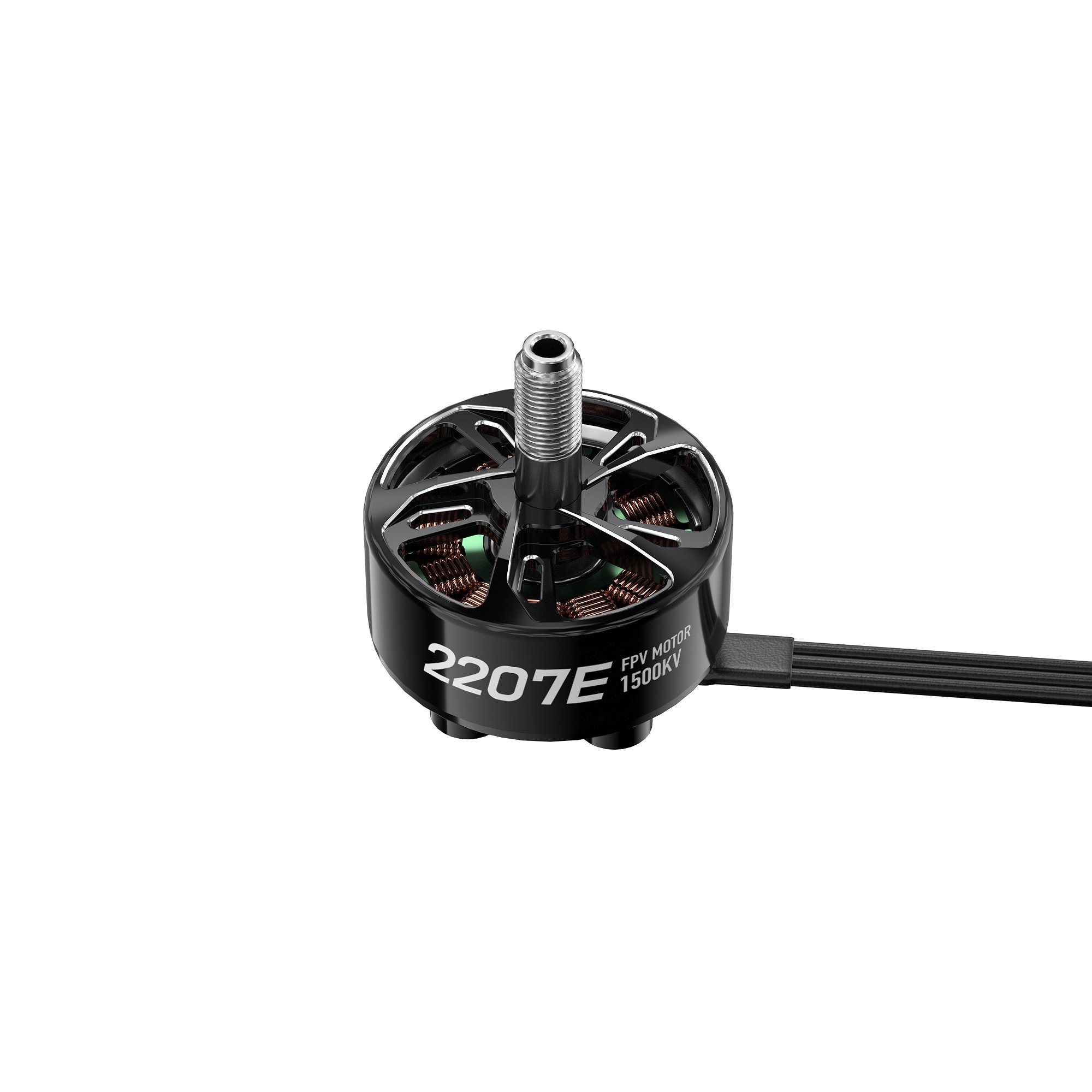
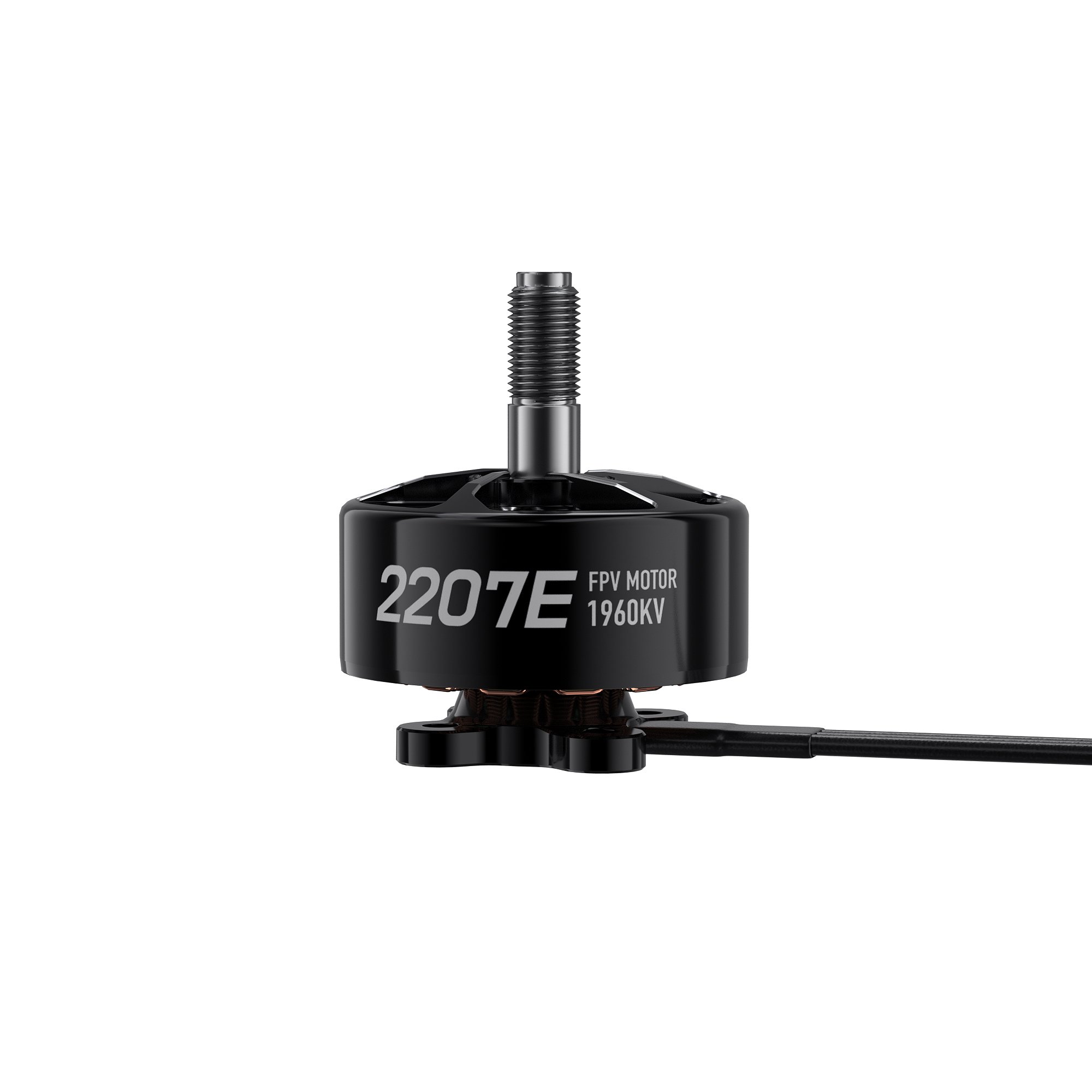
An FPV builder orders the GEPRC SPEEDX2 2207E 1960KV motor for a 6S five-inch quad and sees a “52A maximum current” claim on another SPEEDX2 product page. Should the build use a 45A ESC, a 50A ESC or something larger? The first step is to separate two similar model names: SPEEDX2 2207E 1960KV and SPEEDX2 2207 1960KV (without the E) have different manufacturer test data. For the actual 2207E, GEPRC specifies 44.57A peak current, 1,104.7W maximum power, 6S input and a 50A/6S compatible ESC under its defined motor specification.
GEPRC SPEEDX2 2207E: the actual numbers
The SPEEDX2 2207E 1960KV is a motor for 4–5-inch, three-blade FPV propellers. It uses a 12N14P stator/magnet configuration, N52H magnets, NMB/NSK bearings and a 5mm output shaft. GEPRC lists 16×16mm mounting holes, 20AWG/150mm motor wires and about 34.5g weight with wire. These mechanical details matter just as much as KV when installing the motor on a frame or repairing one damaged arm.
| Specification | SPEEDX2 2207E 1960KV | Why it matters |
|---|---|---|
| Intended battery | 6S | Do not select voltage from KV alone |
| Manufacturer peak current | 44.57A | A measured reference, not a continuous current guarantee |
| Manufacturer maximum power | 1,104.7W | Depends on tested propeller/load and supply voltage |
| Recommended compatible ESC | 50A/6S | Check continuous rating, burst conditions and cooling |
| Propeller recommendation | 4–5-inch, three-blade | Actual pitch/weight still affect current draw |
| Stator layout | 12N14P; 1960KV | ESC electrical and motor identification |
| Mounting | 16×16mm; 5mm shaft | Frame screw compatibility and propeller hub fit |
| Weight | 34.5g with wire | Aircraft mass and motor replacement matching |
Do not confuse 2207E with 2207
GEPRC sells a separate non-E SPEEDX2 2207 1960KV model. Its manufacturer page lists 52.2A peak current and 1,315.4W maximum power for the non-E motor. Those figures should not be copied into a 2207E product listing or used to size an ESC for a different motor. Both share a 2207-class size and similar KV naming, but their published test results and physical details differ. Check the engraving and exact retailer SKU before reusing data from a spreadsheet or another article.
Is a 50A ESC enough for this 6S motor?
GEPRC explicitly lists 50A/6S under compatible ESC for the SPEEDX2 2207E. That makes a properly rated 50A/6S ESC a reasonable manufacturer-grounded starting point. However, the number on an ESC’s packaging may be a per-channel continuous rating, a short burst rating or an advertised figure measured with substantial airflow. A 4-in-1 ESC must also dissipate heat from all four motors in a real frame. Check the ESC’s own manufacturer thermal and current specifications, cooling airflow, capacitor recommendations and battery-voltage rating before treating 50A as unconditional.
Do not multiply the single-motor 44.57A peak by four and describe the result as the normal flight current. Peak thrust tests at high throttle and a particular propeller do not predict average freestyle current. Battery and wiring selection should consider total current peaks, connector limits, actual flight style, temperature and logs—not a fictitious “constant four-motor maximum”.
Propeller pitch can move current beyond the reference
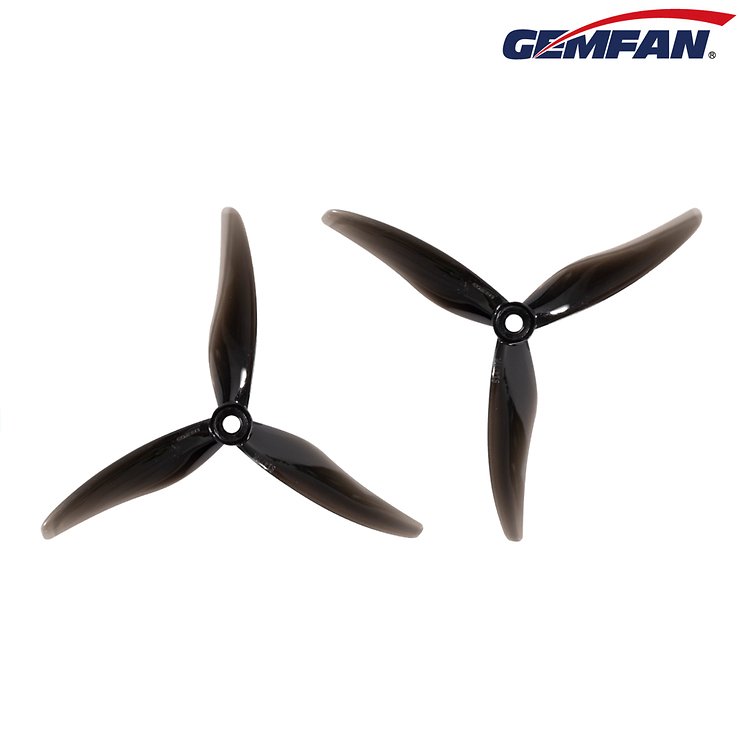
GEPRC recommends 4–5-inch three-blade props, but the pitch, diameter, blade area and mass all change the motor’s load. Two props marked “5 inch” can demand different current at the same throttle and voltage. A higher-pitch, wider-blade or unusually heavy propeller may cause more heating than the propeller used in the manufacturer test. The published 44.57A value is not a promise that every three-blade combination stays below that current.
A controlled build process starts with a documented suitable propeller, confirms the chosen ESC is within its ratings, and then measures real power and motor temperature in safe, approved conditions. Never fit propellers during initial firmware or direction checks; motor mapping, ESC signal routing and motor-screw penetration must be verified with the propellers removed.
Six common failures after a motor swap
- Motor stutters but other motors arm: check phase-wire continuity, motor screws touching windings, ESC channel health and connectors before changing PID settings.
- Motor runs hot on the bench: no propeller cooling, incorrect drive configuration or mechanical bearing friction can alter temperature; do not conduct unsafe extended full-throttle bench tests.
- Flight controller reboots at punch-out: power-supply sag, XT60 solder joints or missing/inadequate filtering may cause FC brownout independently of the motor’s KV.
- Quad flips on takeoff: verify motor order, rotation direction and prop orientation in Betaflight before assuming an incorrect motor model.
- Vibration persists after replacing one motor: inspect arm alignment, frame hardware, the propeller and matching replacement motor; a bent shaft or loose mounting may be the cause.
- ESC overheating only with an aggressive prop: reduce the unverified load and compare actual current, cooling and manufacturer ratings before increasing power.
Mounting screws can damage the winding
The 2207E’s manufacturer specifies 16×16mm mounting geometry. A frame may have that exact bolt pattern yet still allow an overly long screw to enter the motor stator. Check arm thickness and permitted thread engagement before reusing another motor’s hardware. A screw that touches windings can cause intermittent shorts or permanent motor/ESC damage. Consult our FPV motor screw-length troubleshooting guide if a failure began immediately after the motor was mounted.
Preflight and procurement checklist
- Confirm that the ordered motor is 2207E 1960KV, not non-E 2207 1960KV or 2050KV.
- Record the planned 6S pack, 4–5-inch three-blade propeller and actual frame motor-mount thickness.
- Choose an ESC with a manufacturer-documented 6S voltage rating and appropriate per-channel continuous/burst current and cooling; GEPRC recommends 50A/6S.
- Inspect 5mm propeller-hub compatibility, 16×16mm bolt pattern, 20AWG motor leads and screw penetration.
- With propellers removed, confirm wiring, motor order, rotation, ESC configuration and absence of unexpected heating.
- Perform a manufacturer-compliant operational test, then examine current logs, ESC temperature, vibration and power supply under normal flying conditions.
Original GEPRC references
The GEPRC SPEEDX2 2207E specification gives 44.57A, 1,104.7W, 6S, 50A/6S ESC and the mechanical data. Compare it with the different SPEEDX2 2207 non-E model before transferring any performance figures. See the correct SPEEDX2 2207E motor at FalconFly for the actual available component.