


FPV Motor Screws Too Long? How a Simple Repair Damages Windings

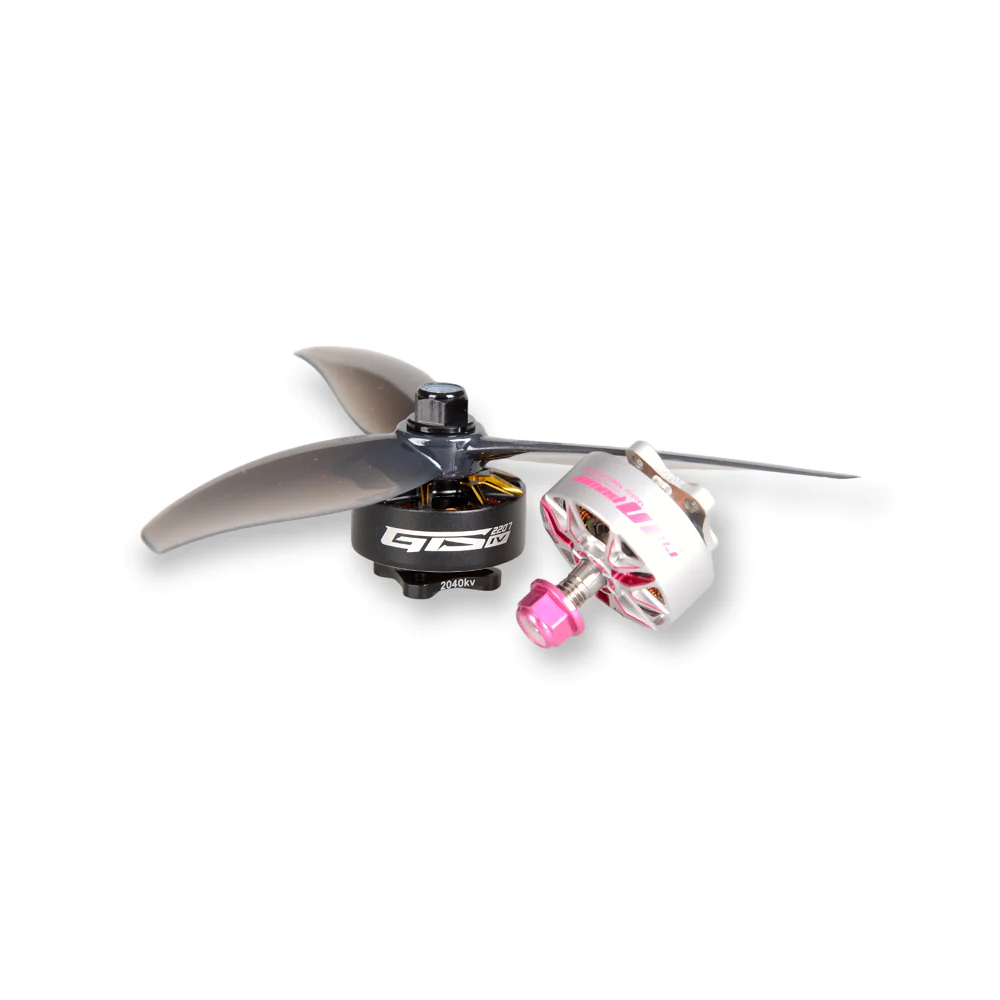
You replace a cracked carbon arm, transfer the motor and reuse the original screws. The motor spins once, feels rough, then becomes hot. The new arm may be thinner than the old one, allowing the screws to extend farther into the motor housing and damage the copper windings. This is an infuriating repair failure because all the parts looked mechanically compatible. The prevention is boring but effective: measure the actual screw penetration before tightening.
A screw can fit the thread and still be wrong
Motor mounting screws pass through the frame arm into threaded holes in the motor base. The thread pitch and nominal diameter must match, but screw length also depends on the arm thickness, washers and available depth inside the motor. If the screw tip enters the stator area, it can scrape insulation from copper winding wire. That may produce an intermittent phase short or a permanently damaged motor. Do not use torque alone as a safety test; a screw can tighten while contacting parts that it should never reach.
Why a replacement frame changes the calculation
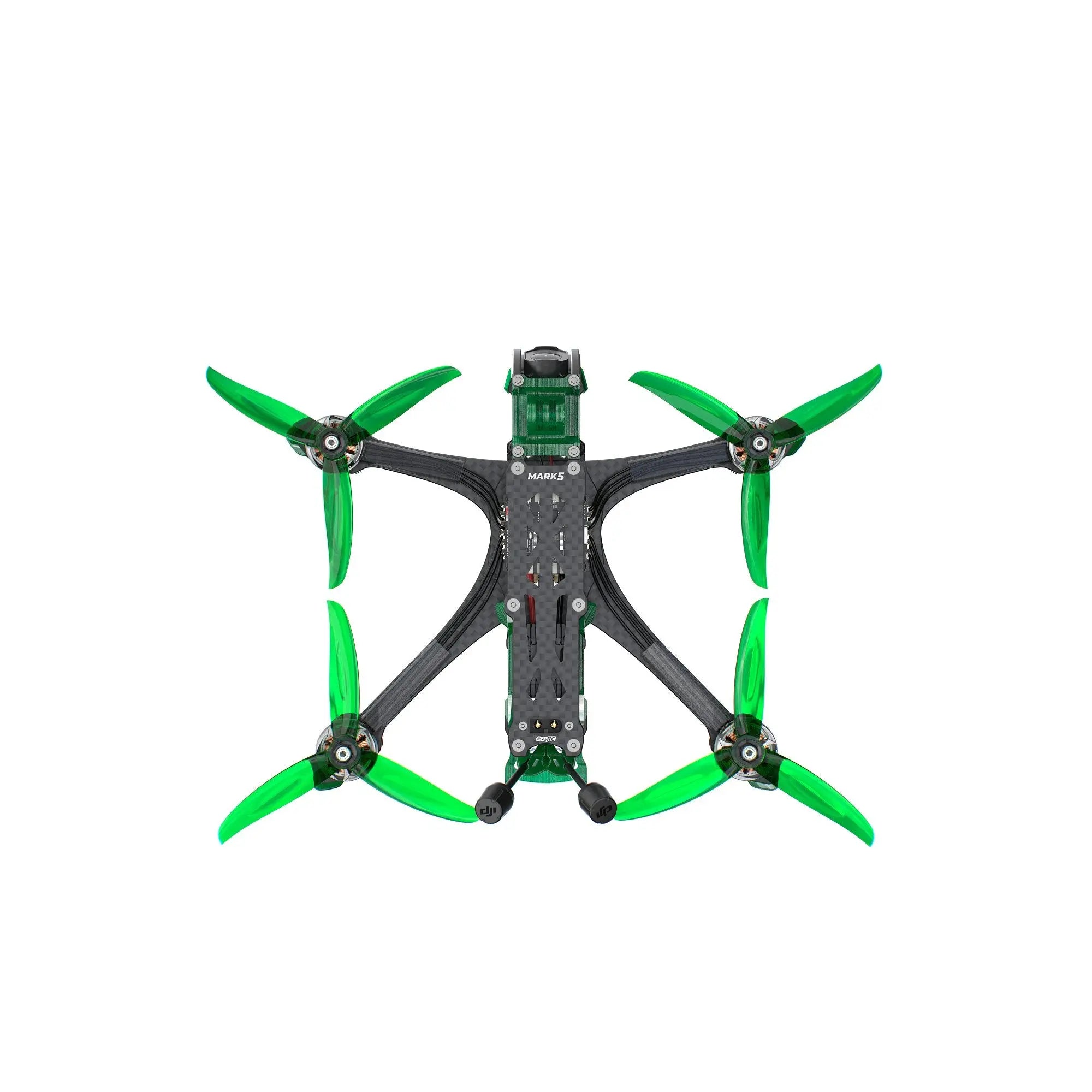
A 5mm carbon arm, a 4mm arm and an arm with an embedded soft mount do not present the same mounting thickness. Reusing screws from another frame or motor can change how far they extend. Small washers sometimes alter fit but are not a universal correction. Use the motor manufacturer’s specified screw dimensions and the frame designer’s mounting instructions. For specialized cinelifter motors, confirm the exact hardware kit rather than borrowing screws from a small freestyle motor.
Bench inspection checklist
| Question | How to check safely |
|---|---|
| Correct thread? | Consult motor specification; never force engagement |
| Correct length? | Measure assembled arm/washers and allowable thread depth |
| Windings clear? | Inspect motor base and accessible screw-tip clearance |
| All four equal? | Compare screw length and retention across motors |
What to do after a suspected winding strike
Disconnect the battery immediately. Do not repeatedly power an ESC into a motor that has suddenly become stiff, smells burnt or produces abnormal heat. If there is visible copper damage or a short is suspected, replace the affected motor and investigate the ESC as appropriate. Simply shortening the screws after damage does not restore insulation. During troubleshooting, remove propellers and use suitable electrical test equipment rather than relying on a throttle test.
A one-minute prevention habit
Lay out the original motor screws, new frame part and mounting hardware before disassembly. Record their lengths with a caliper when possible. Insert each screw into the unpowered assembly without forcing the thread and confirm it cannot reach the windings. Apply any thread-locking product only where the motor or frame maker specifies, taking care not to contaminate bearings or plastic. This small check can prevent a needless second motor purchase and a damaged ESC.
Worked example: a motor transfer between two carbon arms
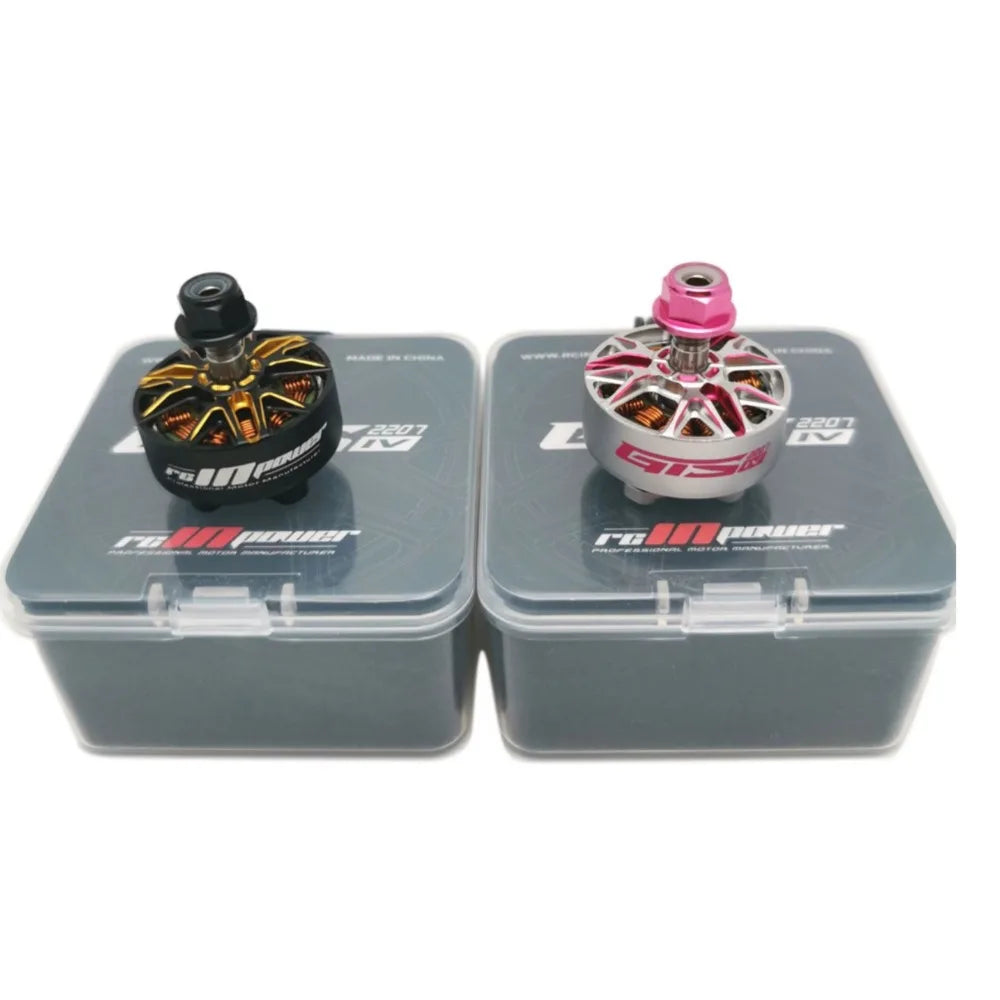
Imagine transferring the same 2207 motor from a thick carbon arm onto a thinner replacement. A screw that previously sat flush now penetrates farther into the motor base. The risk depends on exact motor construction and the stack of arm, washers and screw. The correct response is to verify allowable mounting depth, not to tighten until resistance increases. For the RCINPOWER GTS V4 2207, as with any replacement motor, obtain the specified mounting hardware before assembly instead of guessing from screw color or a spare-parts drawer.
A similar error can occur when a thicker TPU motor protector is removed, because that change also alters effective screw engagement.
How to separate a screw problem from an ESC problem
If a newly installed motor behaves abnormally, first disconnect all batteries and inspect the mechanical installation. Look for signs that a screw touched windings, a pinched motor phase wire or a motor bell rubbing the arm. Only if the mechanical condition is safe should an appropriate technician proceed to electrical diagnostics. Repeatedly commanding throttle into an unknown short can damage a healthy ESC. Keep the original motor and mounting measurements in the service log to prevent repeating the failure on another corner.
Frequently asked questions
Can a motor still spin with a damaged winding?
Sometimes, but apparent operation is not evidence of safety. Stop using suspect hardware.
Are M2 screws the same length for all 2207 motors?
No. Thread standard and correct penetration are different requirements.
Does changing frame arms require new screws?
It may. Recalculate mounting thickness and follow the intended hardware specification.

















