


RCINPOWER GTS V4 2207 1960KV vs 2040KV: Same Size, Different Build?

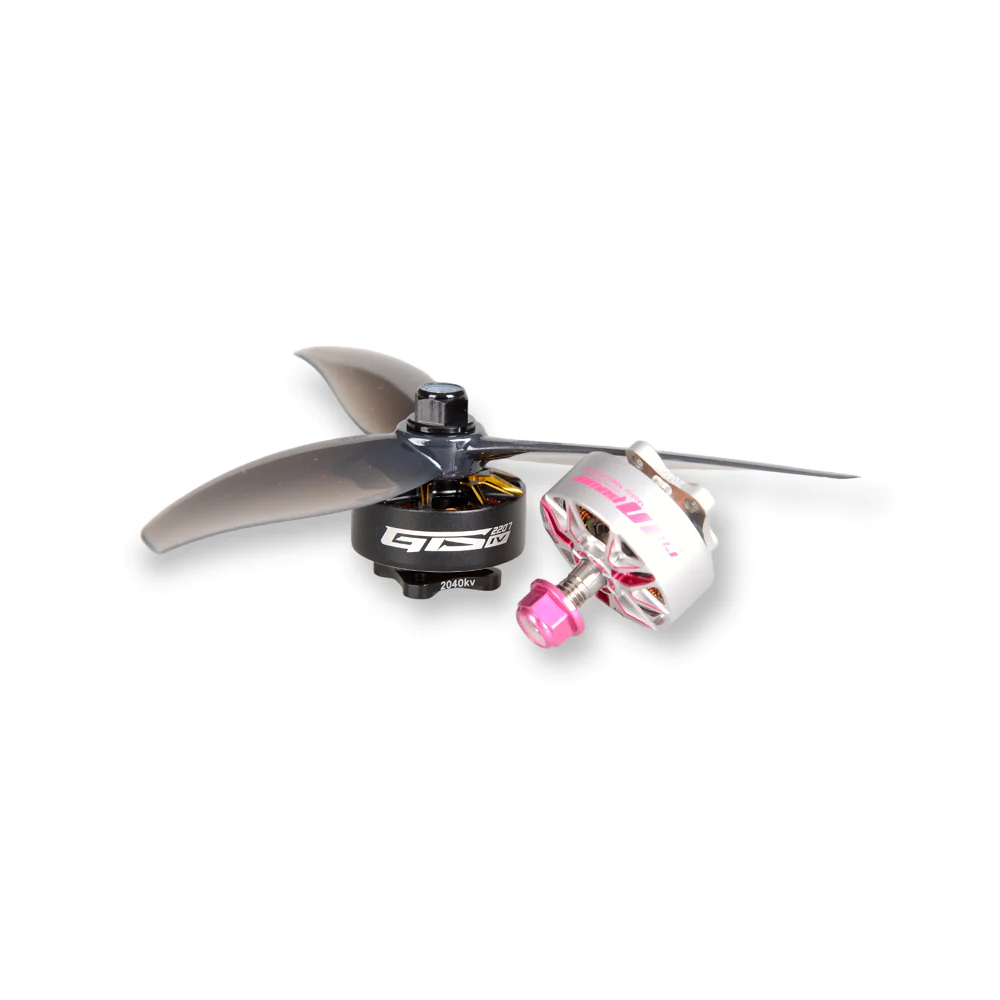
A pilot damages one motor on a five-inch FPV quad, then finds 1960KV and 2040KV variants in stock. Eighty KV sounds insignificant, and the motors have the same 2207 stator class. But buying one of each is not the right way to save a little money. Motor speed constant, winding design, propeller loading and flight-controller tuning are part of a matched set. Here’s how to buy replacements without introducing an avoidable new imbalance.
What the 80KV difference actually means
KV is the approximate unloaded motor speed constant, expressed as revolutions per minute per volt. On a purely illustrative 22.2V nominal 6S supply, 1960KV corresponds to about 43,500 unloaded RPM and 2040KV to about 45,300. Those numbers are not flight RPM, motor efficiency or torque ratings. Under propeller load the motor draws current and operates much more slowly. The difference in theoretical no-load speed is roughly four percent, but resulting flight behavior depends on magnetic design, ESC protocol, motor temperature and the propeller.
Do not use the figure to justify a high-pitch propeller without a current and heat check.
Why mixing variants is a bad repair shortcut
The FC compensates for normal motor variation, but installing a different winding/KV at one corner adds a permanent asymmetry. During fast roll and yaw changes the unequal response can appear as more correction, unwanted heat or subtle handling differences. Replace a damaged motor with the exact existing model if possible. If the original model is unavailable and you decide on a different KV, evaluate replacing the complete matched set rather than one corner, following the build manufacturer’s recommendations.
Choose based on the complete 5-inch setup
| Factor | Question |
|---|---|
| Battery | Is the motor/prop system documented for your cell count? |
| Propeller | Does blade pitch and area exceed the intended load? |
| ESC | Is the continuous current rating adequate for the tested combination? |
| Frame | Does mounting hole spacing, shaft length and motor height fit? |
| Repair | Can all motors remain an exact matched model? |
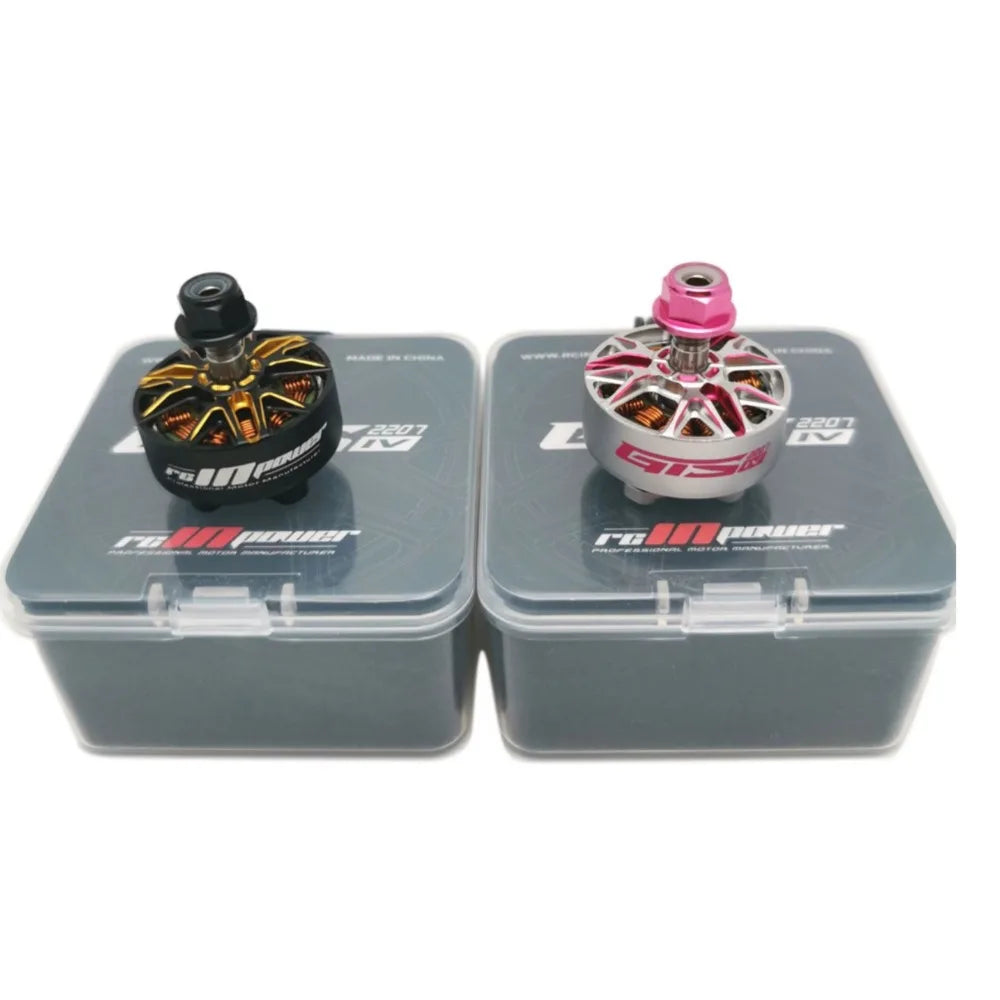
A buying example that catches an expensive mistake
Imagine a pilot running Gemfan 5136 props on a relatively heavy O4 build. The original motor label reads 1960KV, but the available listing displays a visually identical 2040KV unit. The correct first step is to inspect the installed motor code and compare the manufacturer variants. Do not order based on color or photographs alone. Check mounting screws and bearing dimensions while the airframe is apart; worn bearings or a bent shaft may make the real repair more extensive than replacing the motor can itself.
Validation after a complete replacement
Remove all propellers, confirm solder integrity and phase-wire insulation, and use appropriate FC/ESC tooling to verify motor order and rotation. Do not borrow PID settings from a different propeller or weight configuration. Begin with a controlled low-risk flight, inspect temperatures after landing and compare logs only if the airframe is mechanically healthy. If one motor remains notably hotter than the others, stop and inspect the installation rather than assuming the higher KV is simply ‘more powerful’.
A product photograph is not a complete compatibility list. Confirm exact SKU, firmware, fitment and included accessories before buying or replacing hardware.
What to do when a new motor sounds different
A replacement that spins but produces a sharp whine or uneven vibration should not be declared healthy on that evidence alone. Check the bell for rub, verify screw clearance and compare phase-wire joints with the remaining motors. A bent shaft or damaged bearing can cause vibration independent of KV. Remove propellers before electronic motor tests and do not use fingers to slow a powered motor.
If the repaired corner still heats more than others after a controlled permitted flight, recheck the motor model and propeller for mismatch. One overheated motor is a reason to stop, not to increase filtering or reduce the warning threshold.
When a full matched set is economically sensible
If the original 1960KV model is unavailable but all four motors are already worn, a complete matched 2040KV set may be a more coherent project than repeatedly replacing individual corners with different windings. However, that is a propulsion change, not a drop-in repair. Validate voltage range, propeller load, ESC current and tuning implications first. Factor in the cost of new props if the existing set creates excessive motor loading. The aim is a consistent reliable aircraft, not just four motors that happen to spin.
Motor replacement economics beyond the listed price
For a working production drone, an exact motor replacement may be worth more than a cheaper ‘almost matching’ alternative. Calculate delivery time, workshop labor, the cost of retuning and the operational value of having four identical motors. If one model is likely to be discontinued, buying a complete matched spare set when building the aircraft can be sensible. Keep a record of the motor label, KV, shaft size and connector or wire details, so a future repair order can be placed without dismantling the whole quad to identify it.
After a hard landing, also look at the damaged propeller and arm. A new motor installed on a twisted arm can still generate strong vibration. Repair decisions should include the surrounding structure, not just the motor can.
Frequently asked questions
Can I swap a single 1960KV motor for 2040KV?
A mismatched motor is not the recommended repair. Restore the exact motor specification or assess a complete matched-set change.
Does 2040KV mean a faster quad in every case?
No. Battery sag, propeller load, current limits and tuning influence actual speed and handling.
Will the same 2207 mount fit automatically?
Not necessarily. Verify hole pattern, shaft and screw depth from the exact manufacturer drawing.

















