


XT90 vs XT90S Anti-Spark: Which Battery Connector Should a Cinelifter Use?

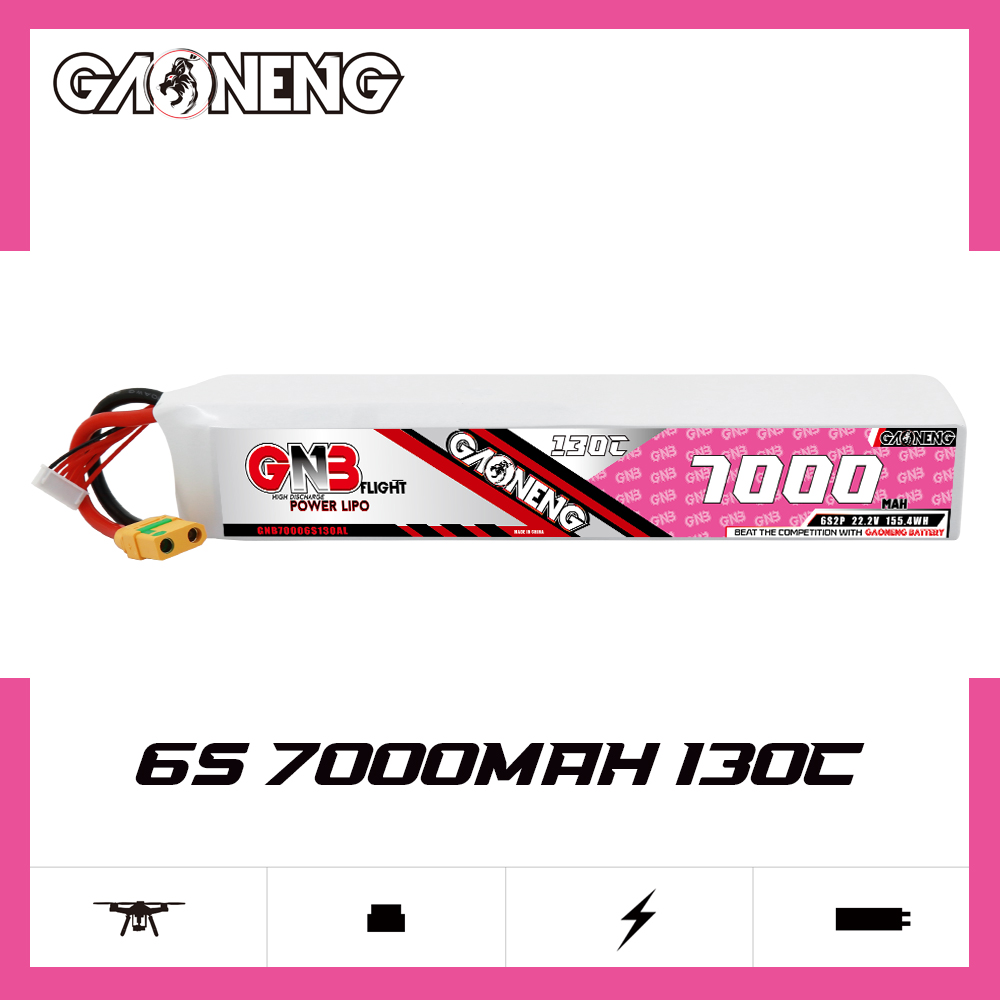
A new cinelifter owner plugs in a large battery and hears a sharp snap. The aircraft still powers on, so they assume the spark is either harmless or a sign the pack is faulty. Neither conclusion is safe from one observation. High-capacitance power electronics can draw a brief inrush current on connection, and the way the connector handles that matters. XT90 and XT90S are related, but the anti-spark feature is not a replacement for correct circuit design.
Why the spark appears at connection
Many high-current ESC and power-distribution assemblies include input capacitors that are initially uncharged. Connecting a battery creates a short inrush as those capacitors charge. On a conventional plug, the momentary arc can pit contacts if repeated. The XT90S family incorporates an anti-spark contact arrangement to help limit that initial arc when correctly matched and installed. The feature is about connection behavior—not the amount of continuous motor current your wires or battery can safely supply.
What anti-spark does and does not do
| Question | Answer |
|---|---|
| Can it reduce the first connection spark? | Yes, in a supported XT90S design and orientation |
| Does it replace a fuse or current limiter? | No |
| Does it protect against reverse polarity? | No |
| Does it repair an overloaded ESC? | No |
| Can it be mixed with any visually similar connector? | Only after checking exact compatibility |
Connector rating is not the entire power path
The plug is only one link between the battery cells and motors. Wire gauge, solder quality, strain relief, maximum ESC input voltage, expected continuous current and pack temperature must all be considered. A large XT90 connector on thin wire does not make that cable a high-current assembly. If the contacts have become dark, loose or unusually hot, remove the connector from service and investigate before the next flight.
A buying decision that starts with your existing drone
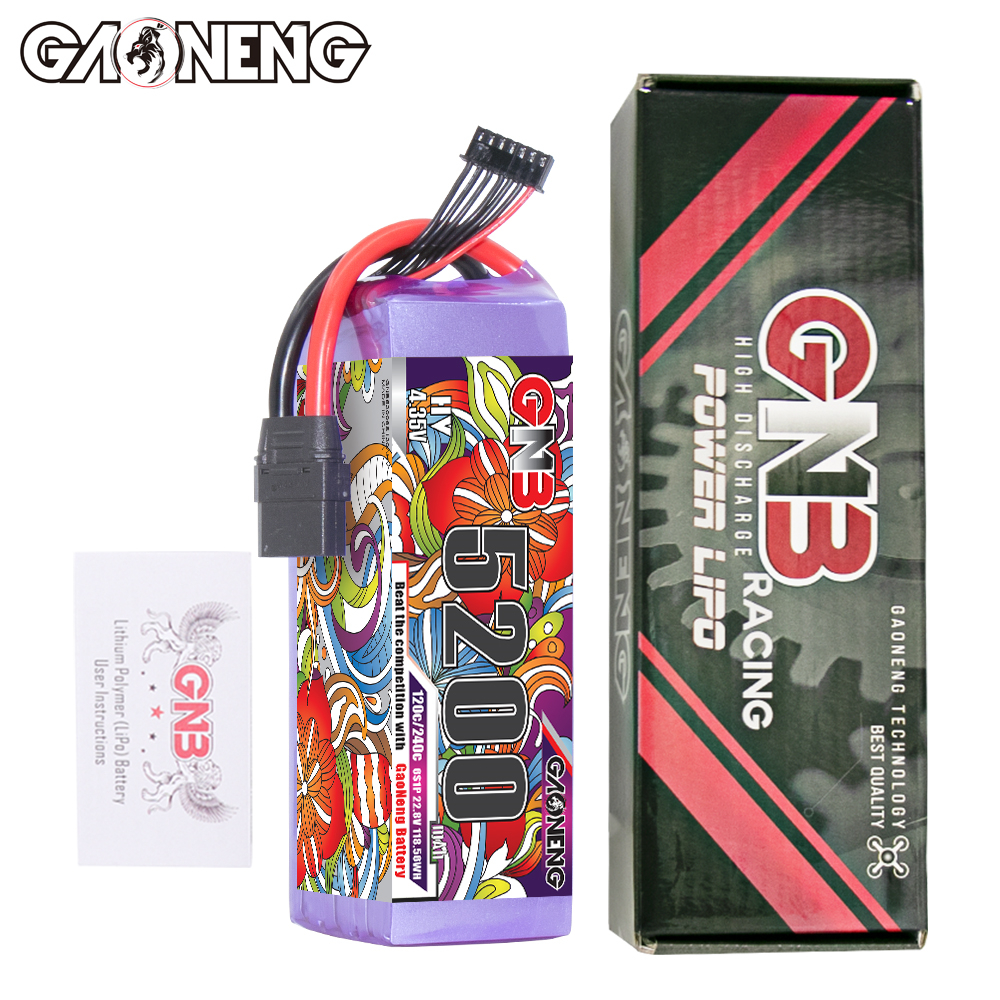
Photograph the installed aircraft-side connector and any high-capacitance input arrangement. Check exact mating specifications rather than copying colors or relying on the letters printed on an unrelated spare battery. If you own several packs, standardizing the correct connector type can reduce field mistakes, but it should not encourage swapping incompatible battery voltages between aircraft.
For large production drones, have connector alterations performed by competent technicians using documented polarity and cable requirements. Never solder directly on a connected battery.
When a separate pre-charge system makes sense
Very large electrical systems can benefit from a dedicated pre-charge circuit or controlled power switch designed for their input capacitance. An XT90S-style anti-spark connector is not necessarily the right final solution for every large multi-motor system. Use the flight-controller, ESC and battery manufacturers’ guidance, especially where camera payload safety and repeated field connections matter. Do not repeatedly connect a visibly damaged plug just because the aircraft still arms.
Before checkout
Confirm exact model revision, electrical limits, connections, any included accessories and the manufacturer’s installation notes. Good fitment is a system property: matching one specification does not confirm the rest.
What to check after repeated arcing
Unplugged battery connectors can be inspected visually for darkened or pitted contact surfaces, softened plastic, poor pin retention and overheated solder joints. If a connector shows any of these, stop using it until the fault is resolved. Cleaning an already damaged contact is not a substitute for replacing a compromised connector. Repeated arcing can worsen contact resistance, which may create heat during later high-current flights.
Do not attempt to recreate a large arc in order to decide whether anti-spark hardware is necessary. A qualified technician can assess the input capacitance and proper pre-charge arrangement using the equipment design.
Separate anti-spark from battery safety
XT90S-style contacts address one moment of connection, but they do not prevent reverse polarity, excessive discharge, cable abrasion, battery swelling or unsafe charging. A cinelifter still needs suitable power distribution and a sound mechanical cable route. The most effective upgrade may be proper strain relief and consistent connectors across approved packs, rather than adding adapters at the field. Every extra connector introduces another potential resistance point and another opportunity for an incorrect connection.
The adapter trap in mixed battery fleets
A workshop may own XT60, XT90 and XT90S packs for several drones. It is tempting to keep a bag of small adapters so everything appears interchangeable. That can create two separate hazards: a connector may be mechanically compatible while the battery voltage is unsuitable, and extra adapter joints may introduce resistance or poor strain relief. Label battery packs by approved aircraft and cell count as well as connector type. Use adapters only where their full electrical and mechanical ratings are verified for the task.
When standardizing a new cinelifter fleet, choose a documented power connector architecture and make future purchases conform to it. The goal is to reduce incorrect connections under time pressure, not to create an arbitrary universal plug for every battery.
Customer questions
Does XT90S make an XT90-powered aircraft faster?
No. It primarily addresses connection sparking in supported arrangements.
Is a little connection spark always safe?
No. Visible arcing can result from inrush, a fault or damaged contacts; inspect the installation appropriately.
Can I solder XT90S directly onto my LiPo?
Battery lead modification is hazardous; have a qualified technician follow correct procedures.

















