


FPV Battery Ejected in a Crash? Strap, Pad and Connector Fixes

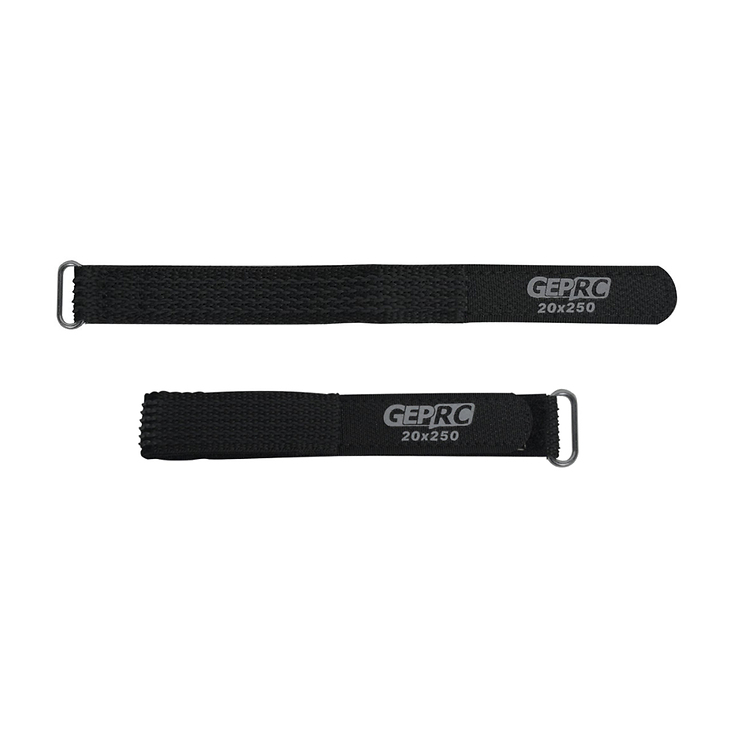
The drone survives a rough landing, but the LiPo is lying two meters away. A broken strap looks inexpensive until it pulls the power lead into an arm, damages a balance connector or sends a battery sliding toward spectators. Battery retention is a structural part of an FPV build. It deserves the same attention as motor mounting, especially on a heavy O4 quad where the pack can move under abrupt acceleration.
Why a strap alone can fail
Battery retention depends on friction and geometry as well as strap strength. A smooth carbon top plate and a glossy shrink-wrapped battery can slide against one another even when the strap feels tight at rest. An appropriate high-friction pad helps resist movement, but the pad must be compatible with the pack and secured to the frame. If the pack’s corners rest on a standoff or the strap crosses a sharp edge, impact load may cut or loosen the restraint. Do not assume a wider strap compensates for an unstable battery mounting area.
Route the power lead so it does not become a handle
An XT60 or XT90 cable should have enough slack to connect comfortably without forming a loose loop near the propellers. A battery dragged out of its mount can pull on the aircraft’s power leads and rip solder pads from the ESC. Route the battery lead along a protected path and retain excess length where it cannot interfere with moving parts. Avoid using the connector to support the battery mechanically. Also protect the balance plug: torn balance wires can create a hazardous short.
Choose the correct strap arrangement
| Issue | Better approach |
|---|---|
| Pack slides sideways | Correct-sized grip pad and centred strap path |
| Strap loosens under load | Check buckle, threading and wear |
| Heavy pack flexes in a crash | Manufacturer-approved multiple retention points |
| Cable is tugged by pack movement | Short protected route with strain relief |
Measure the full pack circumference with padding. Product strap length alone does not tell you how much secure overlap remains once the battery is installed.
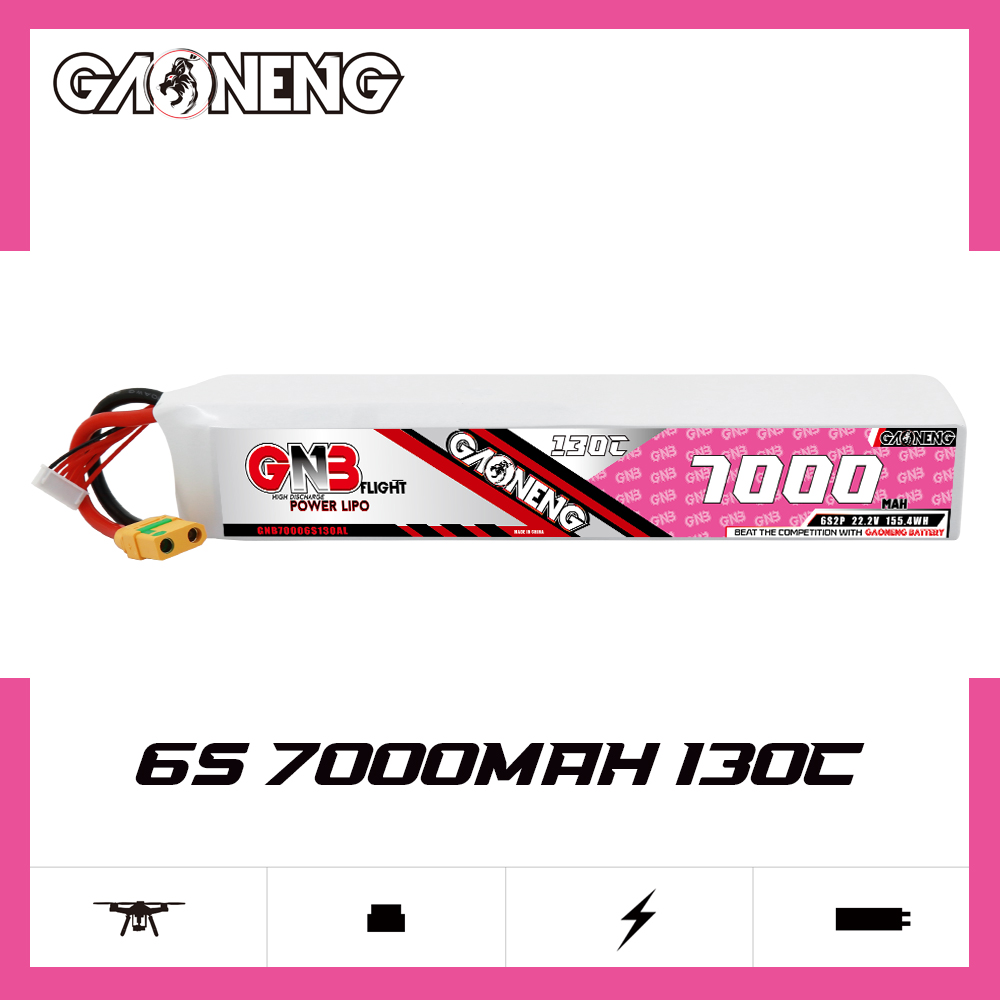
A no-flight retention inspection
Remove propellers and power. Check the strap for fraying, loose stitching and melted edges, then look at the carbon where it passes through mounting slots. Confirm that the battery can be secured without crushing the soft pouch and that the pack cannot slide into the camera or propellers. An appropriately controlled manual check of retention is useful, but do not jerk the frame or apply a load that could damage the cell. Check the battery’s exact allowed mounting orientation and temperature constraints.
After a battery has left the aircraft
Do not immediately reconnect a pack that struck the ground. Look for dents, puffing, torn insulation, damaged leads and unusual odour or heat. A damaged lithium pack requires isolation and appropriate disposal rather than another flight. Inspect the aircraft-side power connector and flight-controller mounting for secondary damage. If this happened repeatedly, treat it as a mounting design problem instead of buying identical replacement straps and hoping for a different result.
Example: a 6S pack that slides forward under braking
A heavy freestyle drone lands after a short session with the battery almost touching the camera mount. The strap is not torn, so the owner assumes it is fine. But pack movement during rapid braking means the contact surface and strap geometry are inadequate. A high-friction pad, correct strap threading and the appropriate pack dimensions can address the issue together. A second strap may be suitable for some frames, but it should follow the frame maker’s recommended retention arrangement. FalconFly’s GEPRC 20×250mm straps illustrate why exact width and length must be checked against the chosen pack.
After reconfiguring the mount, review whether the power wire stays free of propellers throughout normal battery movement. A strap fix that forces the lead against carbon is an incomplete repair.
A maintenance log worth keeping
Record strap condition after crashes, when grip pads are replaced and whether a particular battery repeatedly slips. Different packs have different surface shapes and center-of-gravity positions. If one pack cannot be secured without crushing the pouch or straining the leads, it is the wrong physical size for that mount. Retire damaged restraints before the next filming job, and never treat electrical connector tension as a substitute for mechanical battery retention.
Frequently asked questions
Should I use two straps on every FPV drone?
Use the retention arrangement recommended for your frame and pack mass; an additional strap is not a substitute for correct fit.
Can I tighten a strap until the LiPo cannot move?
Do not crush or deform a pouch cell. Secure the pack without excessive pressure.
Is a battery safe after it flies out but still powers the quad?
Electrical function does not prove the cell is undamaged. Inspect and isolate suspicious packs.

















