Gemfan 51477 Three-Blade Props: Why a 5-Inch FPV Drone Vibrates After a Crash

The quad flies normally until a crash bends one Gemfan 51477 blade. You replace that propeller, then the next FPV recording has jello at certain throttle positions. Before changing Betaflight PID or camera stabilization, separate the propeller, mounting hub, motor shaft and frame. GEPRC’s Vapor-D5 8S uses Gemfan 51477 as a manufacturer-selected prop, but a replacement is safe only when the correct CW/CCW direction, shaft retention and motor condition are verified.
What Gemfan actually specifies for Hurricane 51477
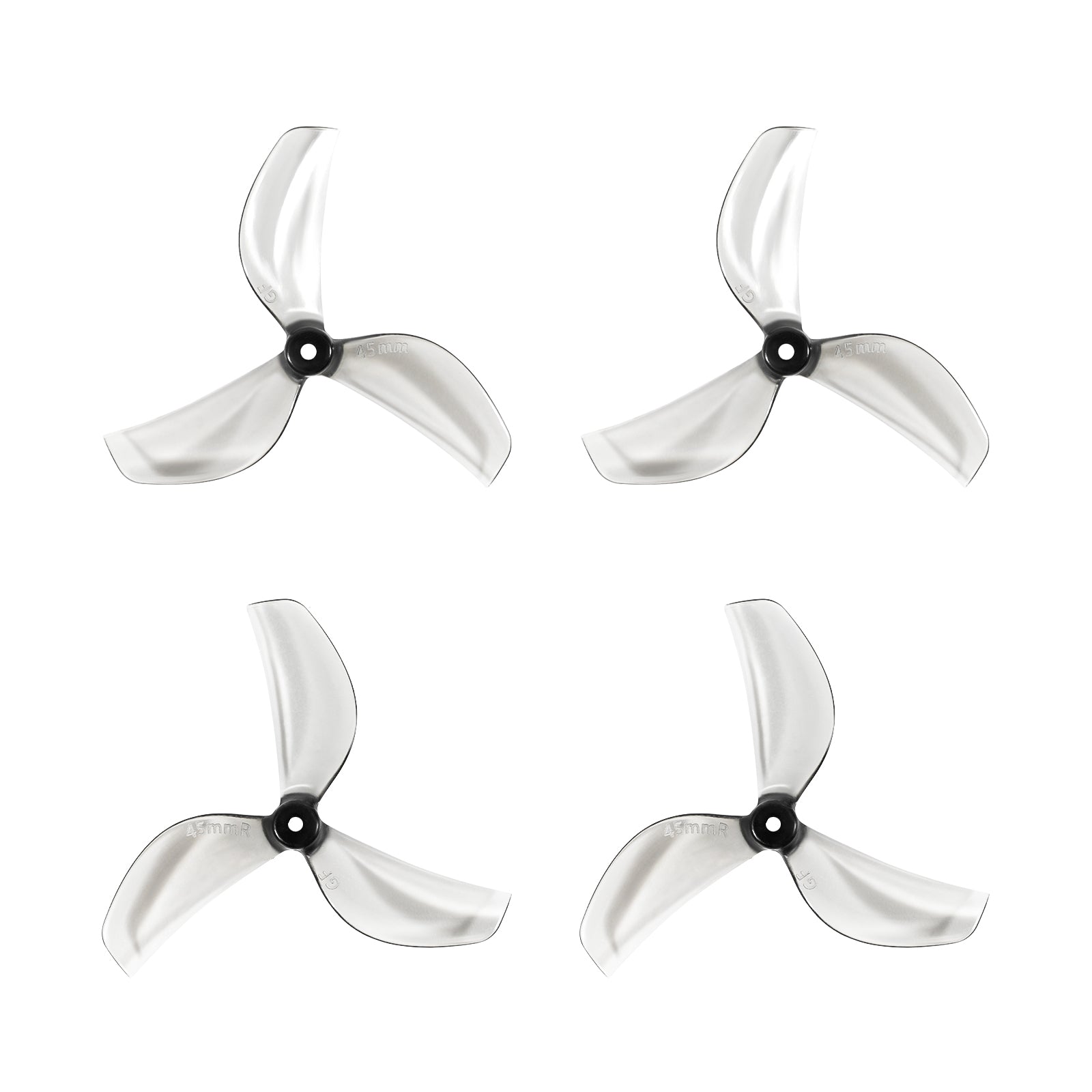
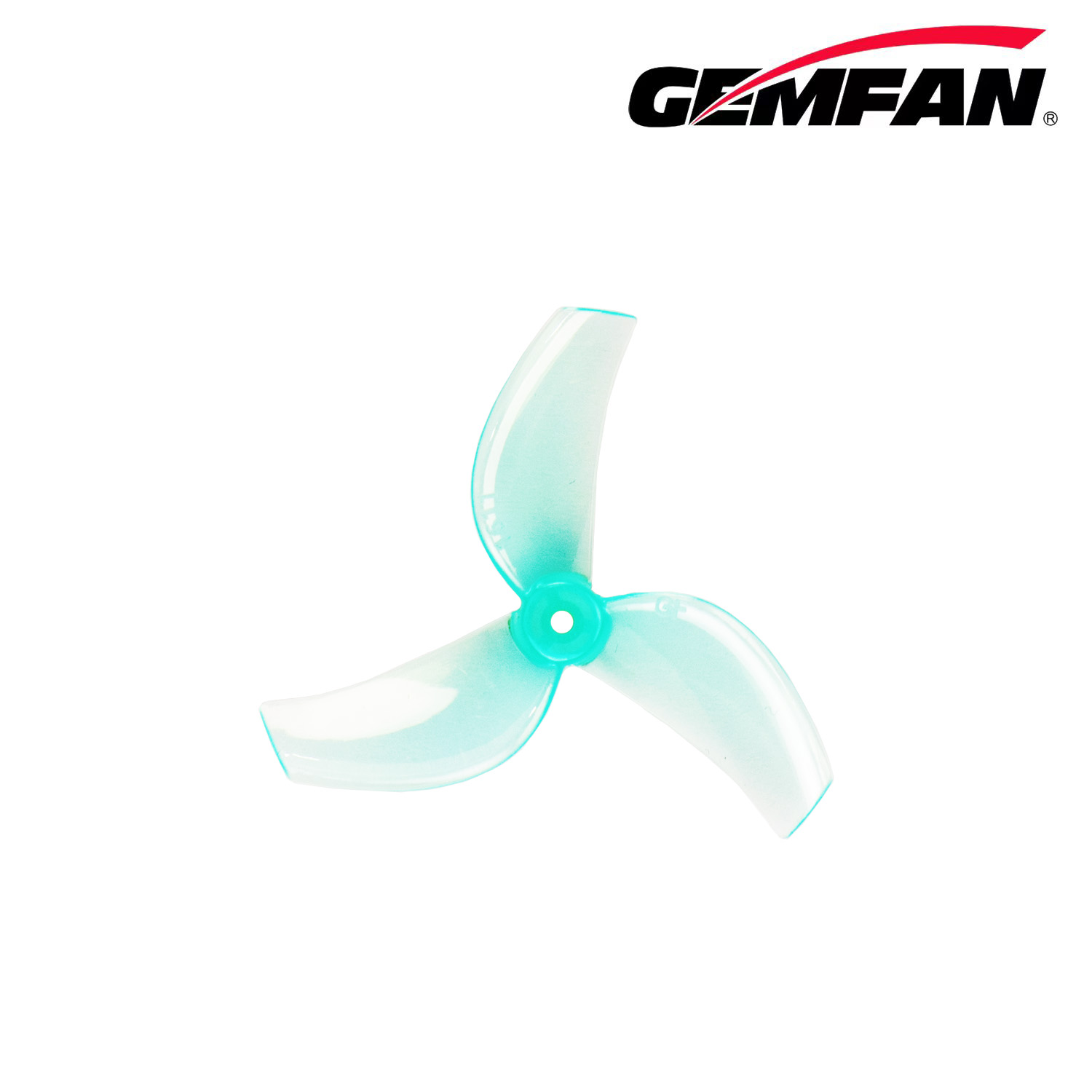
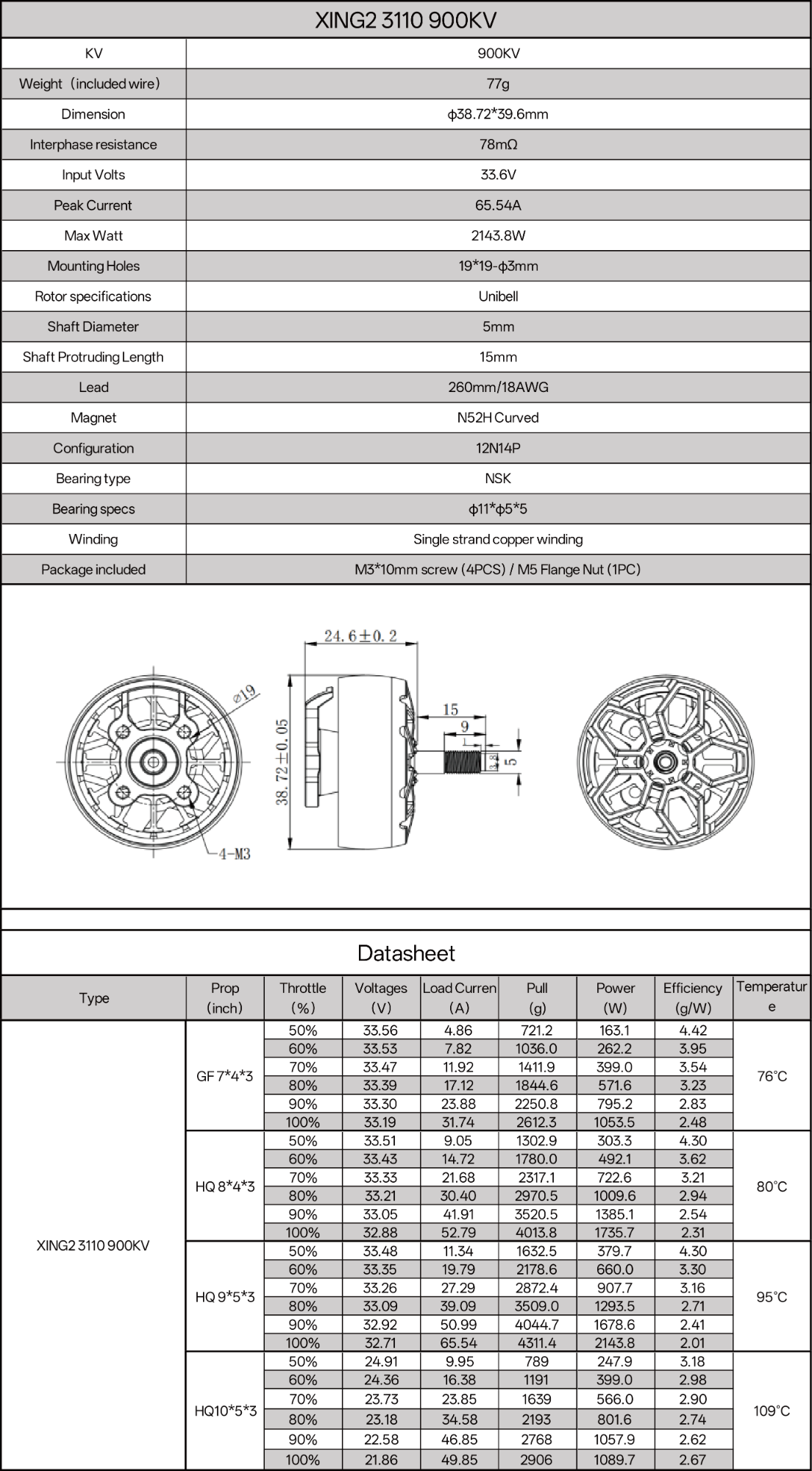
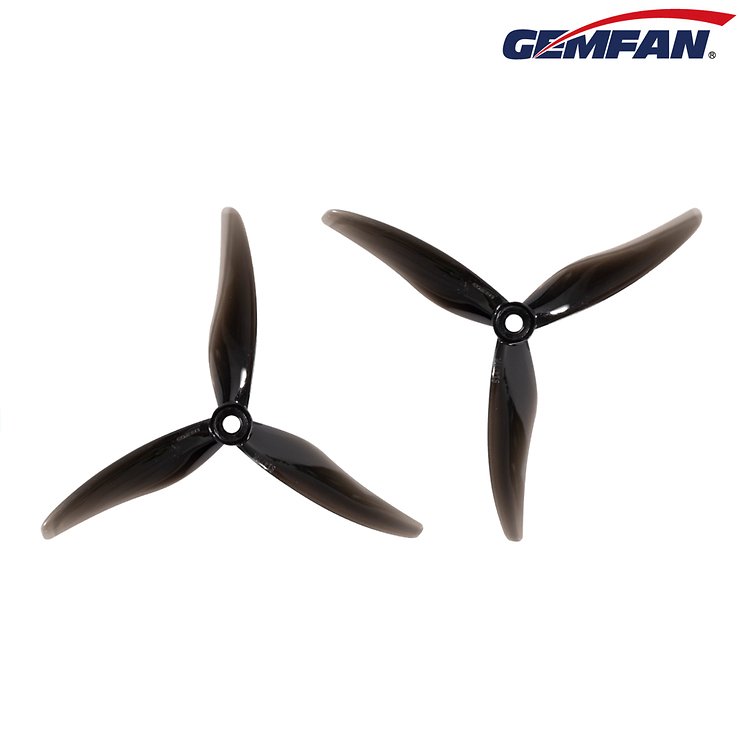
The Gemfan Hurricane 51477 Three-Blade Clear Black (4PCS) has a 5.1-inch (approximately 129.3mm) diameter, a 3.6-inch pitch, a 5mm M5 hub opening and three polycarbonate blades. Gemfan lists about 4.12g weight per propeller and a 6mm hub thickness. The original four-piece pack contains two CW and two CCW props. Its manufacturer-recommended motors are broadly in the 2206–2407 size class, but actual motor KV, cell count and tested current determine whether a particular combination is suitable.
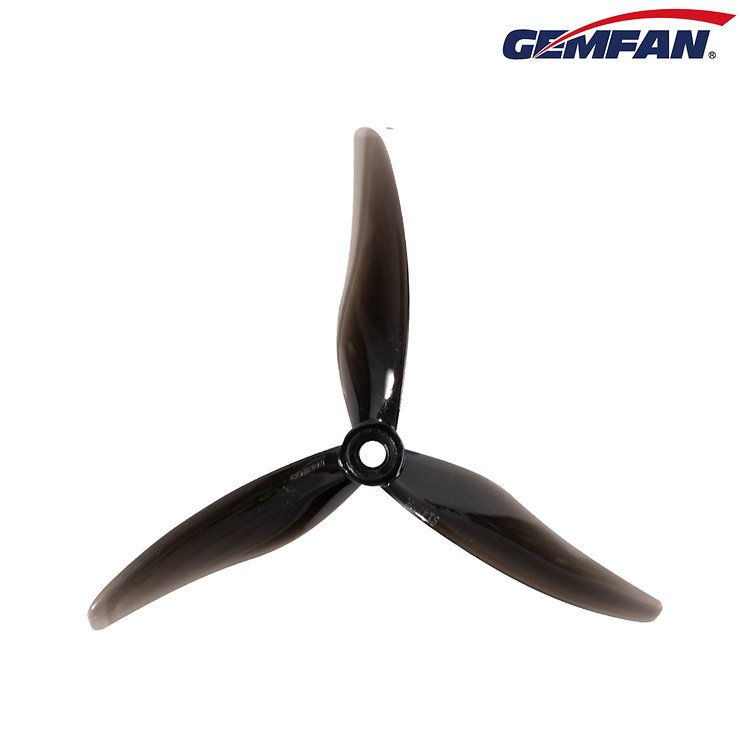
Do not interpret “51477” as proof of a 4.77-inch pitch. The manufacturer’s own specification explicitly lists 3.6-inch pitch. A name copied into a marketplace title can be misleading; use the manufacturer table when choosing thrust and electrical-load assumptions.
| Parameter | Gemfan 51477 | Rebuild relevance |
|---|---|---|
| Diameter | 5.1 inch / approx. 129.3mm | Duct/arm/camera clearance |
| Pitch | 3.6 inch | Thrust and motor load, not a model-name guess |
| Blades | 3, polycarbonate | Match blade shape and stiffness within the rotor set |
| Hub | 5mm M5; 6mm hub thickness | Shaft fit and secure nut/quick-release interface |
| Weight | About 4.12g each | Imbalance and acceleration response |
| Manufacturer pack | 2 CW + 2 CCW | Correct rotation layout on four motors |
| Suggested motor class | 2206–2407 | Not universal approval for every voltage and KV |
Why a new propeller might not cure vibration
A crash that chips a blade can also bend the motor shaft, damage a bearing, loosen the motor mount, fracture carbon around the arm or change the flight-controller’s vibration-isolation position. Installing a perfectly balanced new propeller will not undo a bent shaft. Likewise, a replacement that looks similar but has different pitch, direction, hub thickness or flexibility can create a new mismatch.
The most useful inspection is a powered-off comparison of all four rotors: do the propeller roots show stress marks, does the shaft have visible runout, is a prop nut damaged, does a motor bearing feel rough, and has the arm shifted? Do not try to detect a damaged propeller by running the motor at high speed without safe test fixtures. A failed blade can fragment unexpectedly.
Jello, motor vibration and RF stutter are different problems
| Symptom | Likely layer | Next check |
|---|---|---|
| Wavy recorded video at particular throttle | Mechanical vibration and camera rolling shutter | Propeller, shaft, camera damper and frame contact |
| Drone shakes in hard descents | Propwash/flight tune or mechanical airflow | Prop direction, motor setup, blackbox logs |
| Live goggles picture freezes but saved footage is clean | Digital RF link or VTX thermal/power state | Antenna positioning and O4 status, not prop balancing alone |
| One motor overheats after replacing a prop | Excessive local load, damaged motor or ESC channel | Motor bearing, prop match and manufacturer current limit |
| Aircraft flips immediately on takeoff | Wrong prop direction or Betaflight motor configuration | Motor order and orientation with props removed |
Why 51477 selection matters to Vapor-D5 8S
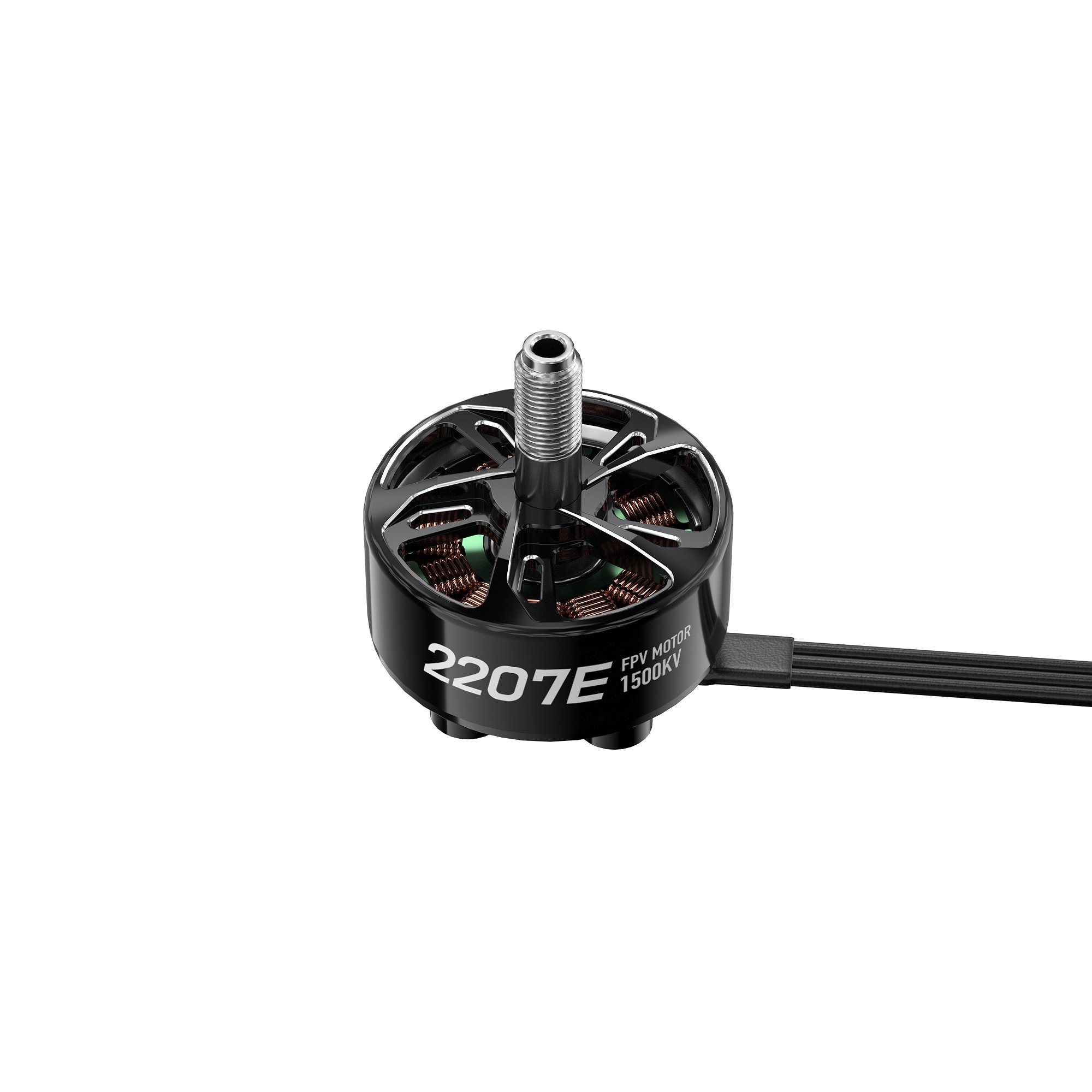
GEPRC selects Gemfan 51477 for the Vapor-D5 8S, alongside its SPEEDX2 2207 1570KV motors and 8S-rated ESC. That pairing is part of a complete propulsion system. Do not infer that the same prop can be used on any five-inch 6S quad at any motor KV: its 5.1-inch diameter and 3.6-inch pitch require evaluating current, ESC voltage, airflow and motor temperature. Replacing one model with a high-pitch, wider-blade or substantially heavier alternative changes the load even if the diameter fits.
Equally, a different battery can change system RPM and thrust response. If switching between 6S and 8S platforms, review both the aircraft’s approved motor/ESC setup and the propeller clearance. An XT60 plug connecting successfully says nothing about a motor winding’s safe voltage or prop demand.
Seven steps before another flight
- Remove the battery and all damaged blades. Ground the quad after any impact. Do not reuse a prop with stress whitening, splits or missing material.
- Verify the exact Gemfan part. Check clear-black 51477 and the 5mm hub; do not substitute a visually similar 51466/51477/other model without documenting its specifications.
- Match CW and CCW. Confirm two of each rotation and that their position corresponds to actual Betaflight motor direction and props-in/props-out setup.
- Inspect the motor. Check shaft straightness, bearing drag, motor bolt depth, bell contact and arm integrity before fitting a new propeller.
- Secure the hub correctly. Use the approved 5mm nut or compatible retention system; don’t substitute a loose 1.5mm micro-prop hub or force a mismatched quick-release.
- Validate motor order with props off. Confirm each motor’s rotation and correct mapping in the flight-controller configuration. Check mechanical clearance before installing the entire matched set.
- Inspect a normal short flight. Compare onboard recording, goggles signal, motor heat and blackbox/gyro evidence under a safe authorised flight. Stop if the vibration persists.
What to do if the image still shakes
Once all props and motors pass mechanical inspection, check the DJI O4 camera damping balls and the camera-to-air-unit coaxial cable: a stretched cable can form a hard vibration path even when silicone isolators are intact. If the symptom began after a frame rebuild, inspect main plate screws, arm stiffness and electronic stack isolation. PID/filter changes come after those mechanical checks, not before.
A propeller that only produces jello at high throttle may still be damaged; tuning a filter to conceal the symptom does not restore the missing blade material or motor bearing. Do not approve an expensive camera replacement without comparing a known-good matched propeller set.
Original specification and related repairs
Gemfan’s 51477 Hurricane manufacturer page states the 5.1-inch diameter, 3.6-inch pitch, 4.12g mass and 5mm hub. The original four-piece set at FalconFly is the part being compared. For deeper diagnosis, read our FPV jello and vibration guide and motor direction/takeoff flip checklist.