8658F Low-Noise Propellers and the Mavic 3 C1 Battery: What Actually Changes?

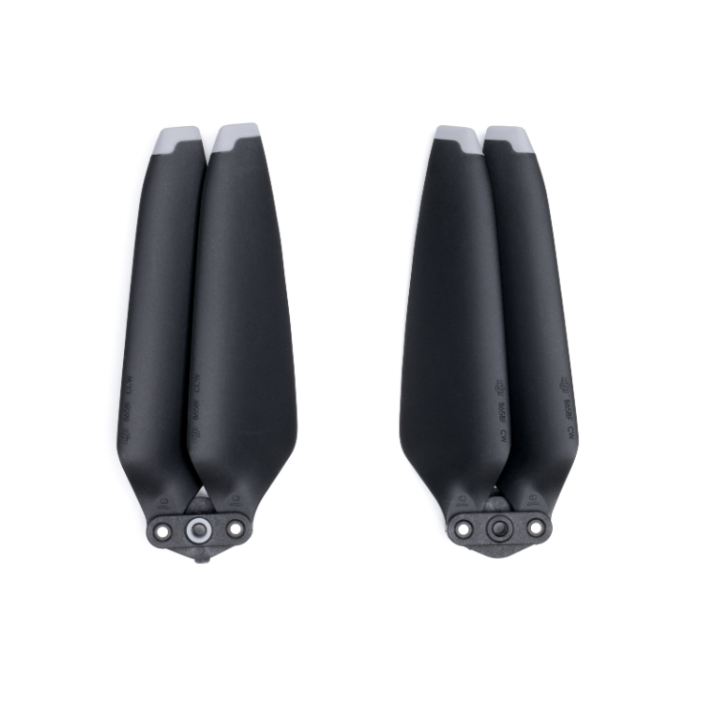
A DJI Mavic 3 Enterprise pilot notices that the 8658F propellers are advertised with the 4,230mAh EU C1 battery and assumes the propellers alone grant a lighter drone the C1 class. That conclusion is wrong: DJI’s C1 approval is for a specific M3E-EU, M3T-EU or M3TA-EU aircraft configuration equipped with both the BWX265-4230-15.4 battery and 8658F low-noise propellers. The propeller, battery, aircraft label and approved maximum takeoff mass must be evaluated together.
What exactly is the 8658F propeller?
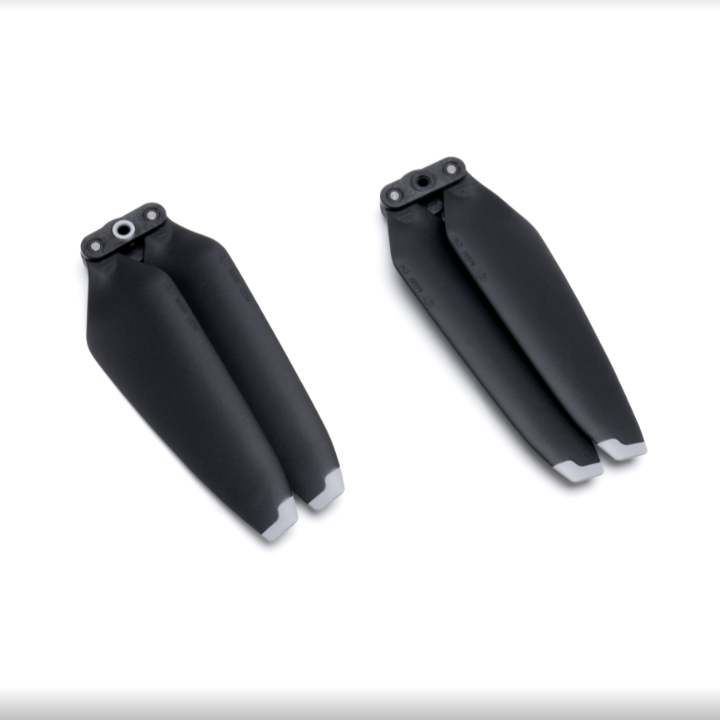
The DJI Mavic 3 Enterprise Series 8658F Low-Noise Propellers are a specified propeller model in DJI’s European class-certification tables. The 8658F model appears in both the C1 and C2 configurations listed in DJI’s Mavic 3 Enterprise user manual. Consequently, an aircraft does not become C1 merely because it has 8658F instead of another low-noise propeller: the battery, exact aircraft model, certification marking and installed equipment remain essential.
Which certified configuration uses which battery?
| DJI EU configuration | Battery | Propeller | Certified maximum takeoff mass |
|---|---|---|---|
| C1 (M3E-EU, M3T-EU, M3TA-EU) | BWX265-4230-15.4 (4,230mAh / 65.15Wh) | 8658F | 899g |
| C2 (M3E-EU and M3T-EU, as specified) | BWX260-5000-15.4 (5,000mAh / 77Wh) | 8658F | 1,050g |
DJI’s official manual makes this distinction explicitly. The low-noise propeller model is part of both listed combinations, but different battery, takeoff mass and certified aircraft versions define the class. The smaller battery weighs about 285g; the standard pack about 335.5g, a 50.5g difference. Different flight-control limits can also apply under the C1 configuration.
Does installing 8658F convert a C2 drone to C1?
No. DJI expressly answers that even installing the EU C1 battery alone does not confer C1 certification. Adding the prescribed 8658F blades does not override the need for an appropriately certified EU aircraft and complete compliance. Do not print a C1 label, modify a device identity or assume that weighing under 900g automatically establishes the class. Confirm the physical aircraft designation and manufacturer documentation.
The inverse matters too: DJI says that using an ordinary 5,000mAh DJI Mavic 3 battery in a C1-certified Mavic 3E EU configuration invalidates the described C1 compliance. The issue is the aircraft’s complete approved configuration, not whether the replacement battery physically fits and powers on.
8658F versus 9453F: same product family, different purpose
DJI’s Mavic 3 Enterprise FAQ also says ordinary Mavic 3 consumer-series propellers can be used on the Enterprise family, but it recommends 9453F for Enterprise in its general replacement guidance. This is a general compatibility recommendation, whereas the explicit EU C1 certification table names the 8658F. Both manufacturer statements can be true at the same time; they apply to different questions. When operating under a specific certified EU C1 or C2 class, follow the exact class-specific part designation, not a general “compatible with Mavic 3” listing.
This also explains why a C1 buyer should not select props solely from a generic comparison of diameter, sound level or attachment style. The legal class documentation is a stricter requirement than physical fit. For aircraft outside the specified EU certification, check the relevant original aircraft manual and regional approval rather than assuming this table applies universally.
Checklist before replacing 8658F propellers
- Identify the aircraft: check M3E-EU, M3T-EU, M3TA-EU or other actual model, EU class marking and firmware configuration. A consumer Mavic 3 Pro is not automatically covered by this Enterprise table.
- Identify the battery: confirm BWX265-4230-15.4 for the approved C1 configuration or the other allowed battery for the applicable class. A pack label and capacity matter more than an ambiguous shop category.
- Confirm the propellers: inspect the original DJI 8658F designation, correct rotation and mounting pattern. Do not mix incompatible blades or use hardware from another aircraft based on visual similarity.
- Inspect all four motors: after an impact, verify blades, hubs, arm structure and motor condition with the aircraft powered down; refer damage beyond propeller replacement to qualified service.
- Follow the official installation steps: use the model-specific mounting procedure, retain proper lock and clearance and inspect every blade before flight. Never use makeshift adhesives or substitute fasteners.
- Recheck aircraft mass and compliance: account for permitted optional payloads, centre of gravity and the stated MTOM. A physically compatible accessory is not automatically approved in every class configuration.
When lower noise is not the only operational issue
DJI class certification includes more than propeller sound. It also encompasses aircraft model, maximum permissible mass, flight-control constraints and the approved installed configuration. Changing an accessory may change endurance and handling without changing the regulatory class in the way the owner expects. If a client asks to guarantee quiet inspection or class-compliant operations in a busy urban environment, check the actual operating authorisation and noise restrictions as well as the aircraft’s approved technical setup.
Original manufacturer references
DJI’s Mavic 3 Enterprise FAQ covers the no-automatic-C1 rule and general 9453F compatibility, while the Enterprise user manual, C1 and C2 Certification section provides the legally significant 8658F/battery combinations. DJI’s battery specifications list pack mass and energy. Buy the genuine 8658F low-noise propeller pair on FalconFly, and use our original propeller identification guide for further compatibility checks.