Mavic 3 Enterprise Battery Kit: Plan Real Flight Cycles, Not Marketing Endurance

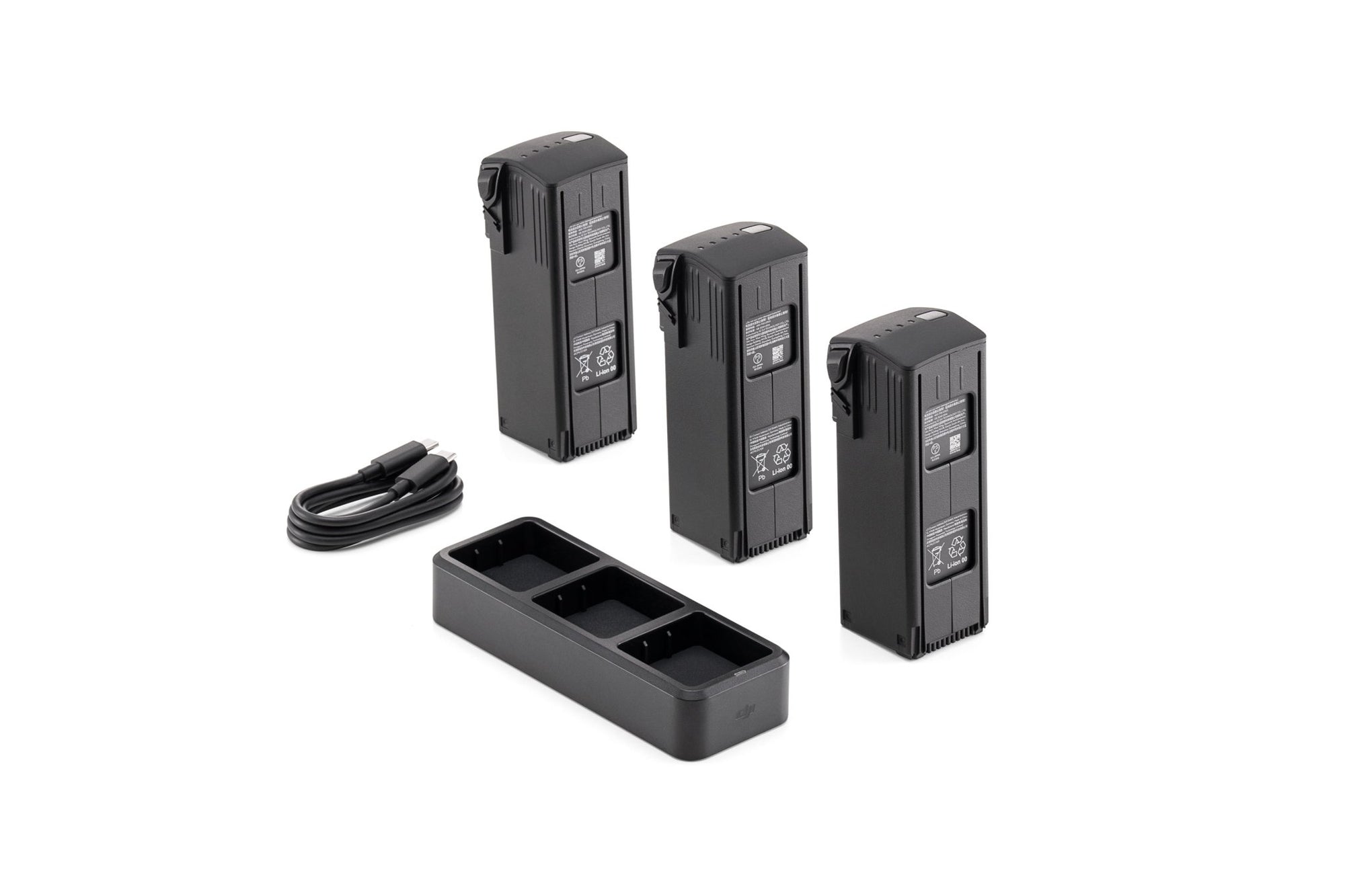
A Mavic 3 Enterprise mapping team buys the Battery Kit expecting three extra batteries to keep the aircraft flying without interruption. The kit contains three 5,000mAh DJI batteries and a 100W three-slot charging hub, but the hub charges batteries one at a time, not three simultaneously. There is also a less obvious issue for EU operators: this standard 5,000mAh kit is not automatically appropriate for an aircraft operated in its certified C1 configuration, which specifies the separate 4,230mAh battery.
What comes in the Mavic 3 Enterprise Battery Kit?
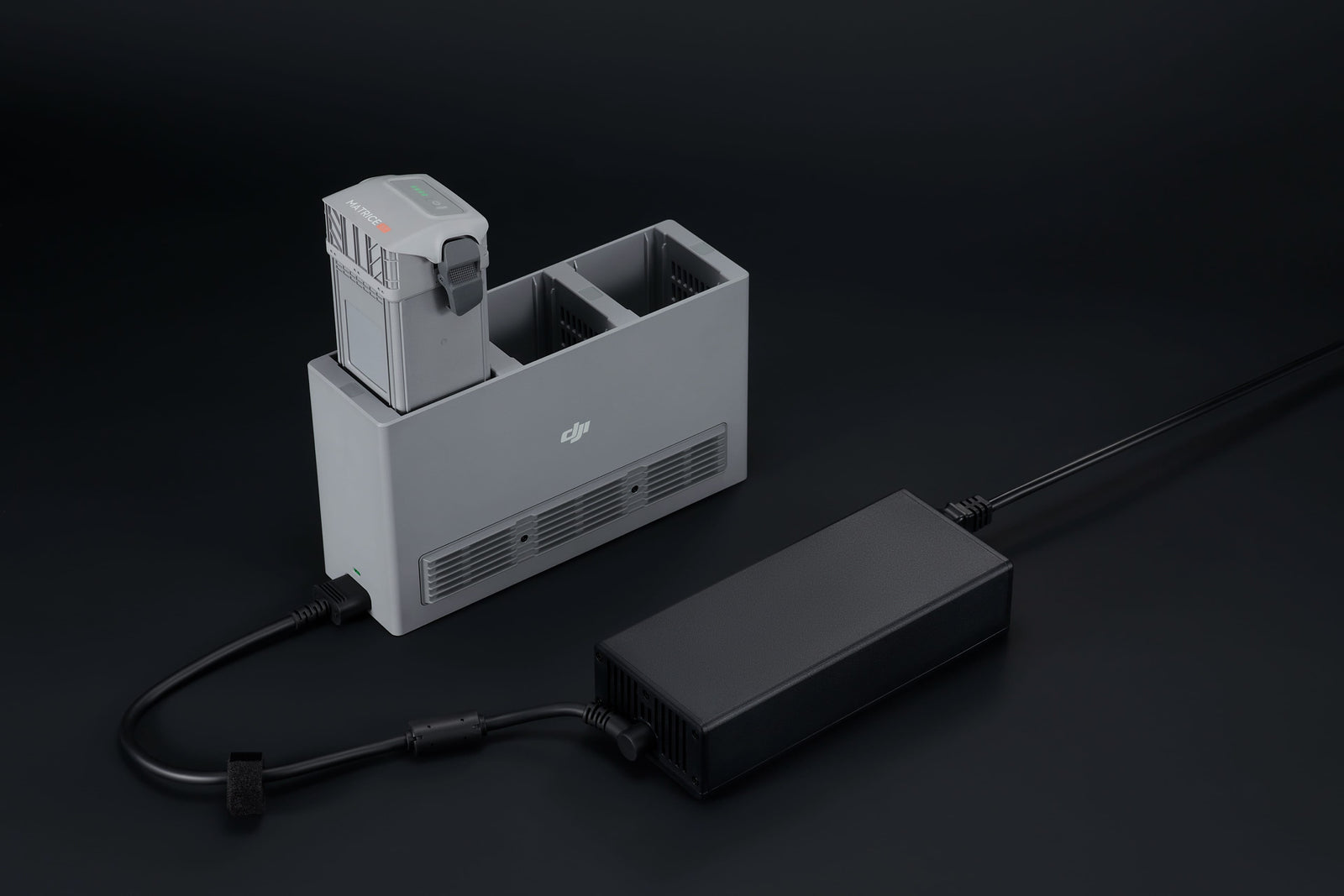
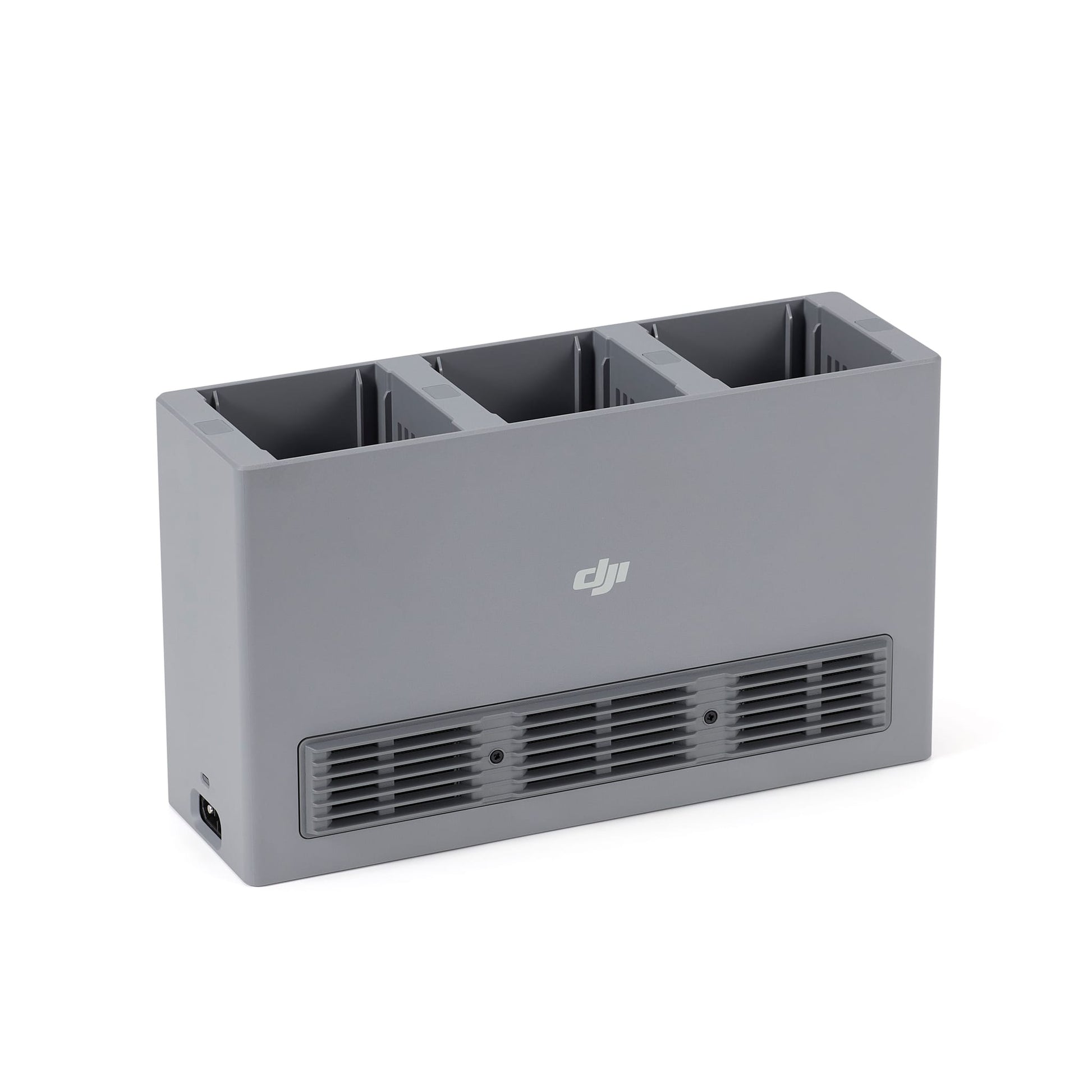
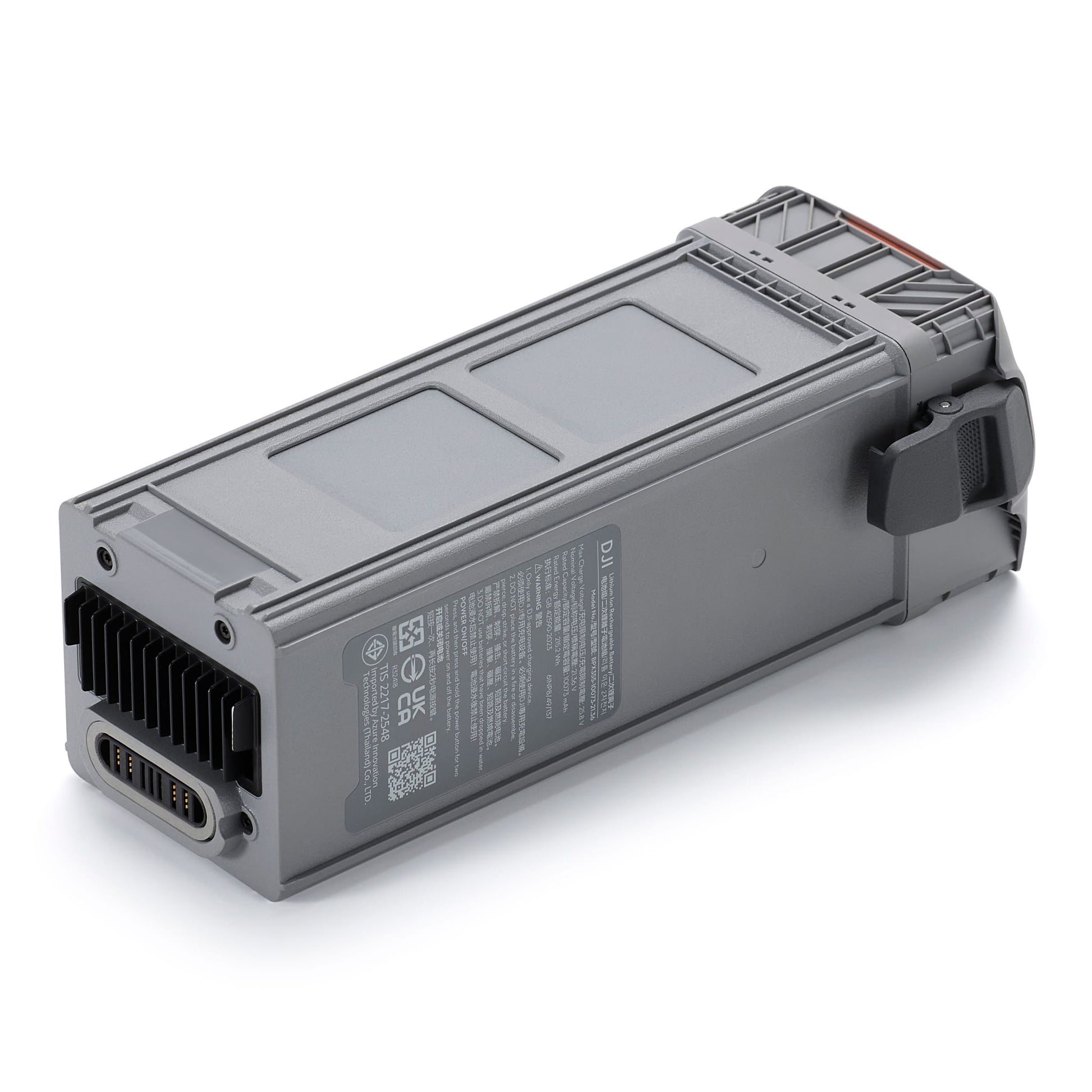
The DJI Mavic 3 Enterprise Series Battery Kit is specified with three standard Intelligent Flight Batteries (BWX260-5000-15.4) and one CHX265-100 three-slot battery charging hub. The batteries are 4S LiPo packs with a nominal 5,000mAh capacity, 15.4V and 77Wh, weighing approximately 335.5g each. The hub uses an appropriate external USB-C power supply; the dedicated DJI 100W USB-C Power Adapter is recommended and may need to be obtained separately, depending on the retailer’s exact bundle.
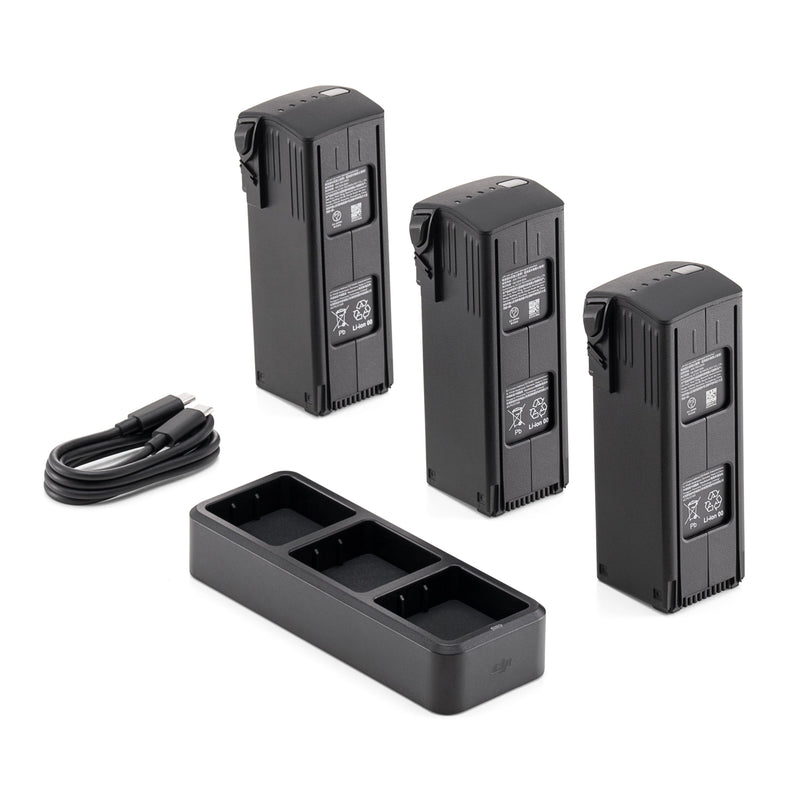
Read the package bill of materials rather than assuming a USB-C wall adapter is included from a photo of the hub and cable. A charging hub connected through an unsuitable low-power adapter will not perform like DJI’s 100W test configuration.
Three packs in the hub do not equal three charging channels
DJI’s Mavic 3 Enterprise manual specifies sequential charging from the highest state-of-charge battery down. A single standard battery takes approximately 70 minutes to fully recharge using the compatible 100W hub and manufacturer-recommended source under stated conditions. Three completely depleted packs cannot all be full after one 70-minute charging interval on a single hub.
| Operational assumption | What DJI actually specifies | How to plan |
|---|---|---|
| Three hub slots = three parallel charges | Sequential charging, highest level first | Plan battery readiness by the individual pack and queue |
| A 100W label means any USB-C supply works at full speed | 100W charging depends on a suitable source and cable | Use the recommended C1 port of the DJI 100W adapter or a verified compatible input |
| All Mavic 3 Enterprise batteries are the same | Standard 5000mAh / 77Wh and EU C1 4230mAh / 65.15Wh are different parts | Match model and aircraft’s certified configuration |
| Maximum 45-minute reference equals mission duration | DJI’s flight-time figures use controlled ideal conditions | Reserve energy for return, wind, battery age and local requirements |
| The kit includes everything for charging | Hub requires a compatible external power adapter | Verify exact package contents before travel |
EU C1 operators must not overlook the battery model
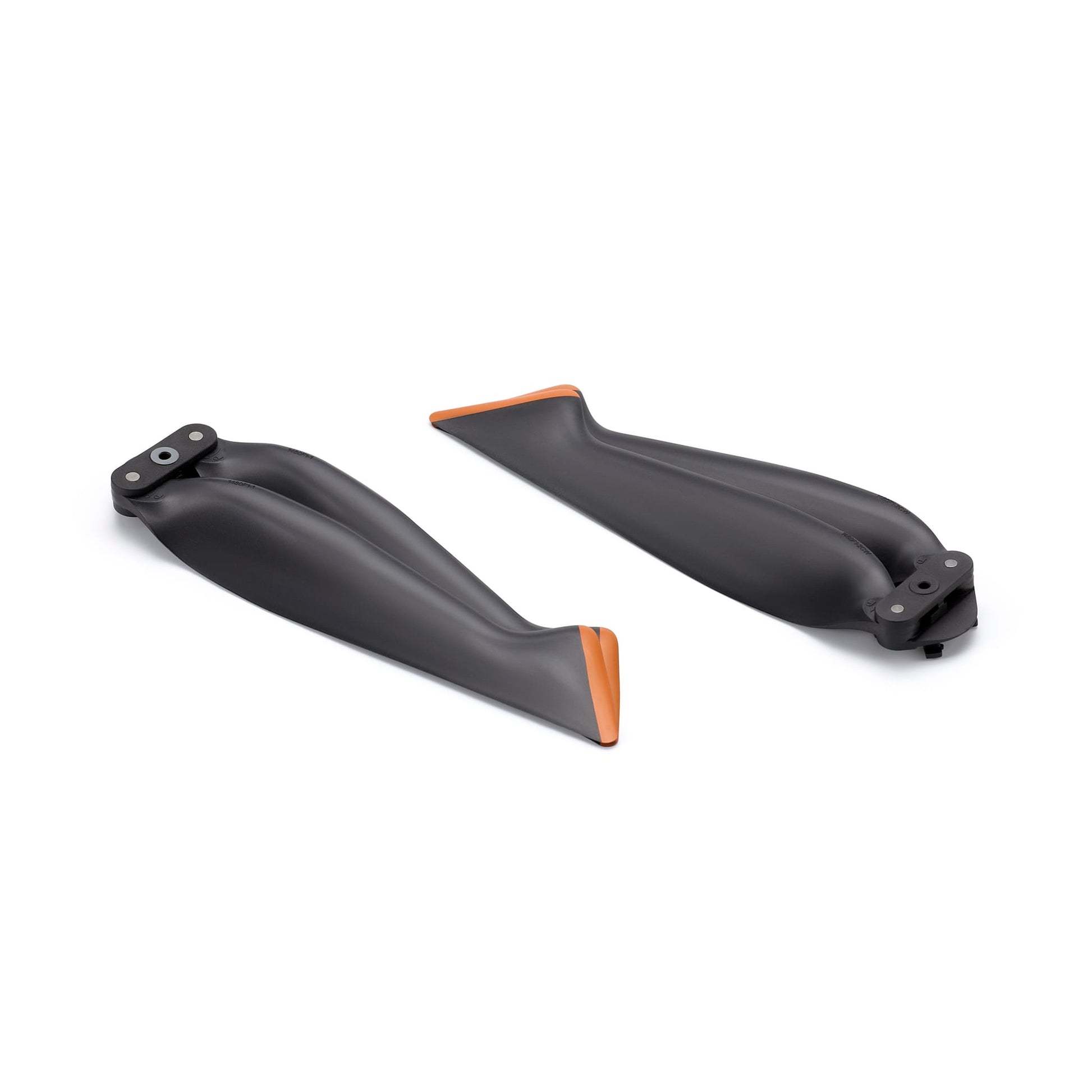
DJI’s Mavic 3 Enterprise EU certification tables specify the 4,230mAh BWX265-4230-15.4 battery, together with 8658F low-noise propellers, in the qualified C1 configuration for the listed EU aircraft models. The standard 5,000mAh BWX260-5000-15.4 battery is associated with the applicable C2 configuration. DJI expressly warns that installing the standard battery on a certified C1-configured M3E EU invalidates the C1 status.
The Battery Kit’s standard 5,000mAh packs should therefore not be advertised as drop-in C1 replacements. The kit’s charging hub specification also needs checking against the intended battery model: the manufacturer’s distributed kit documentation lists BWX260-5000-15.4 as the supported pack. Do not assume that a smaller EU C1 battery is approved for every legacy 100W hub version purely because the external cases are similar.
For C1 operation, identify the actual aircraft class, approved battery and propeller set, plus the current DJI charging instructions, before placing the order. See FalconFly’s separate EU C1 battery and the 8658F low-noise propeller pair rather than treating the standard kit as universally interchangeable.
Battery endurance is a flight-plan decision
DJI’s Mavic 3 Enterprise specifications list up to approximately 45 minutes of reference flight time with the normal standard pack and applicable propeller configuration under defined windless conditions. The EU C1 configuration has different performance figures and a lower MTOM. Both values are laboratory reference points, not an undertaking that four consecutive missions can each be flown for the maximum listed duration.
Build a realistic sortie schedule with planned time on target, transit, climb, headwind for the return leg and a conservative landing reserve. A battery that lands hot after a demanding mission may need temperature stabilisation before charging normally. This can delay the next-ready pack even if there are unused slots in the hub.
Field staging example: three new packs plus the aircraft pack
- Mark each battery. Record its model number, current state of charge and cycle/health history.
- Keep the approved class configuration. Do not mix C1 and standard batteries in a way that invalidates the aircraft’s intended legal operating status.
- Charge before deployment. Put the required number of batteries through the approved hub/adapter. Remember the hub processes them sequentially, prioritising the more charged pack.
- Set a mission turnaround schedule. Calculate flights from real permitted endurance rather than assuming 45 minutes from each pack.
- Check all returned packs. Inspect contacts, casing, balance/protection warnings and temperature after the mission.
- Do not force charging. DJI’s stated battery charging temperature is 5–40°C. Allow warm or cold packs to reach safe conditions naturally and use only compatible charging hardware.
- Store according to DJI guidance. Avoid leaving lithium packs charged to maximum for an unnecessary extended period; keep an inventory record for future inspection and timely service.
How to decide whether this kit is worth buying
The standard Battery Kit is convenient for an approved Mavic 3 Enterprise operation using 5,000mAh packs and a central charging point. It saves time on repeated manual insertion of the same battery into the charger, but it does not multiply charging power by three. A customer with a critical same-day flight schedule may need a second approved charging setup or more time between sorties.
Customers flying a certified C1 aircraft should prioritise the correct 4,230mAh packs and certification requirements. Buying the standard Battery Kit solely because the aircraft is branded “Mavic 3 Enterprise” can create an unnecessary regulatory and purchasing problem.
When preparing several packs for the same survey day, charging sequence and storage behaviour both matter. Our DJI battery self-discharge guide explains why a correctly stored pack may not display the same charge percentage it had immediately after charging.
Original references and matching parts
DJI’s Mavic 3 Enterprise FAQ confirms the charging times and EU C1 battery restrictions. The battery specifications show the 5,000mAh versus 4,230mAh differences; the Mavic 3 Enterprise user manual documents the sequential charging behaviour. Review the exact genuine kit in FalconFly’s Battery Kit listing and confirm power-adapter inclusion before checkout.