Mavic 3 Enterprise EU C1 Battery: 4230mAh vs 5000mAh and the Label Trap

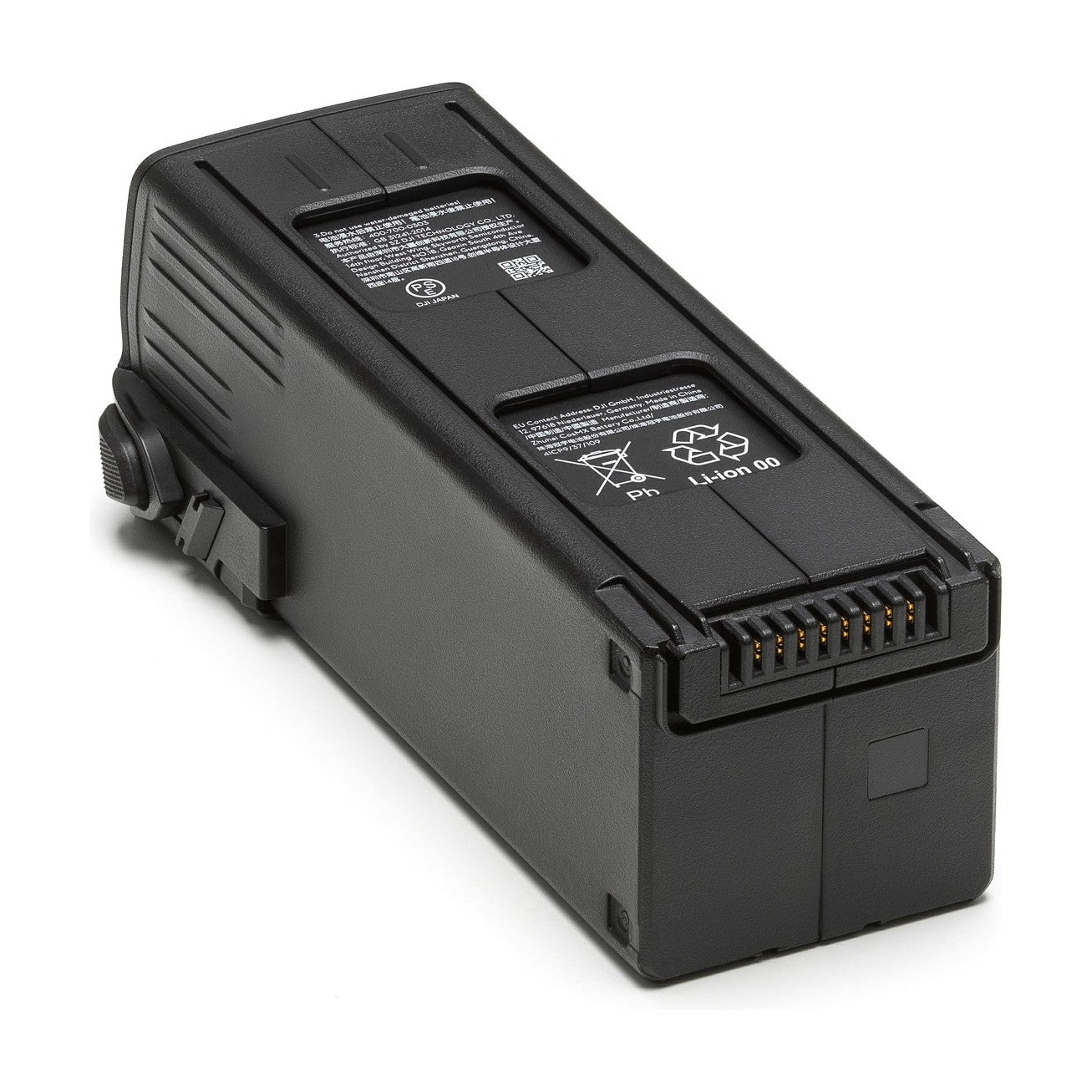
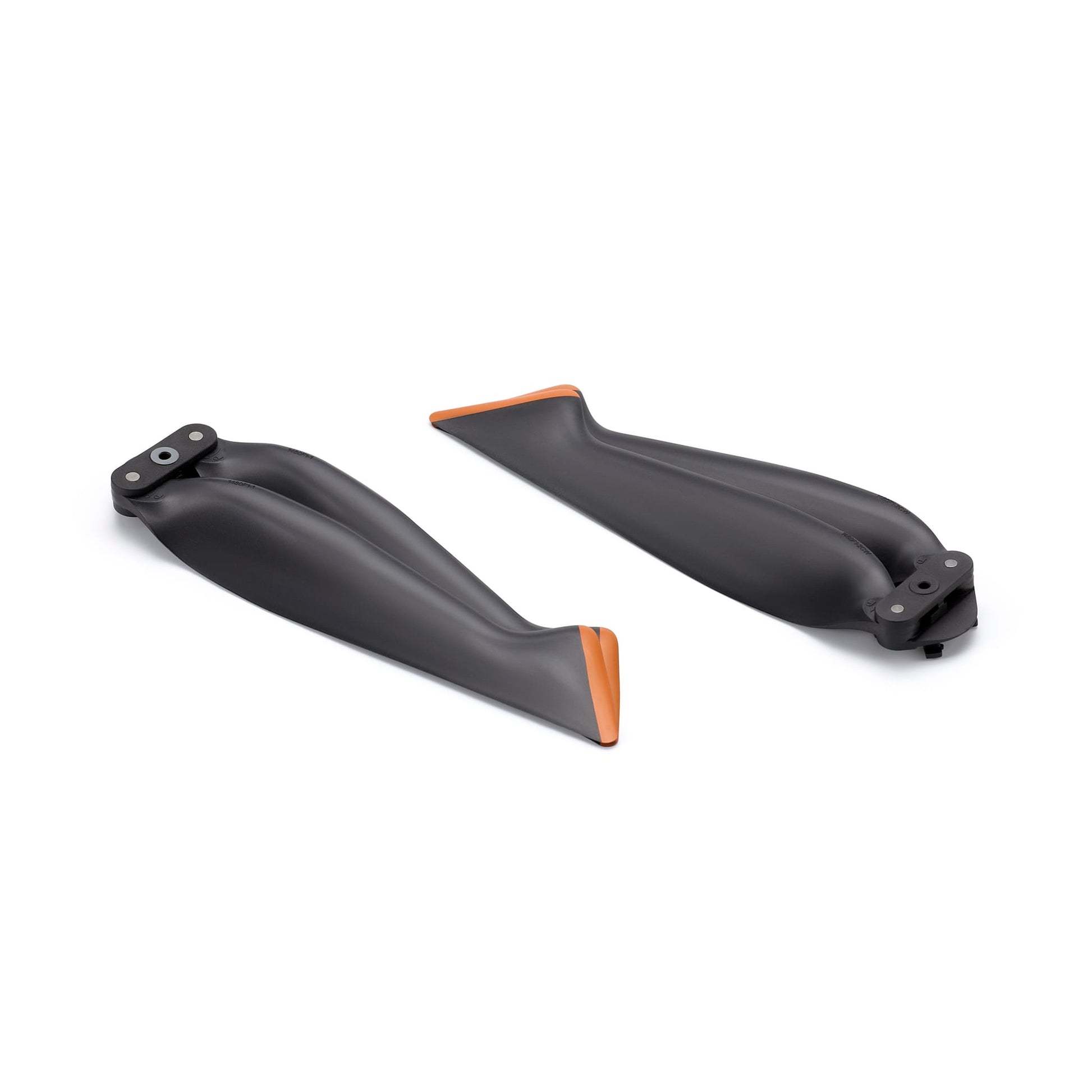
You own a DJI Mavic 3E or Mavic 3T with a C2 marking and see a smaller 4,230 mAh battery advertised as the “EU C1 version.” Is buying that pack enough to convert the aircraft legally to C1? No. DJI’s Mavic 3 Enterprise FAQ explicitly says that a C1 battery by itself does not grant C1 certification. The aircraft must be an approved EU C1 model equipped with DJI’s specified battery and 8658F low-noise propellers, and it must comply with the complete certified configuration.
First identify the aircraft class, not just the battery
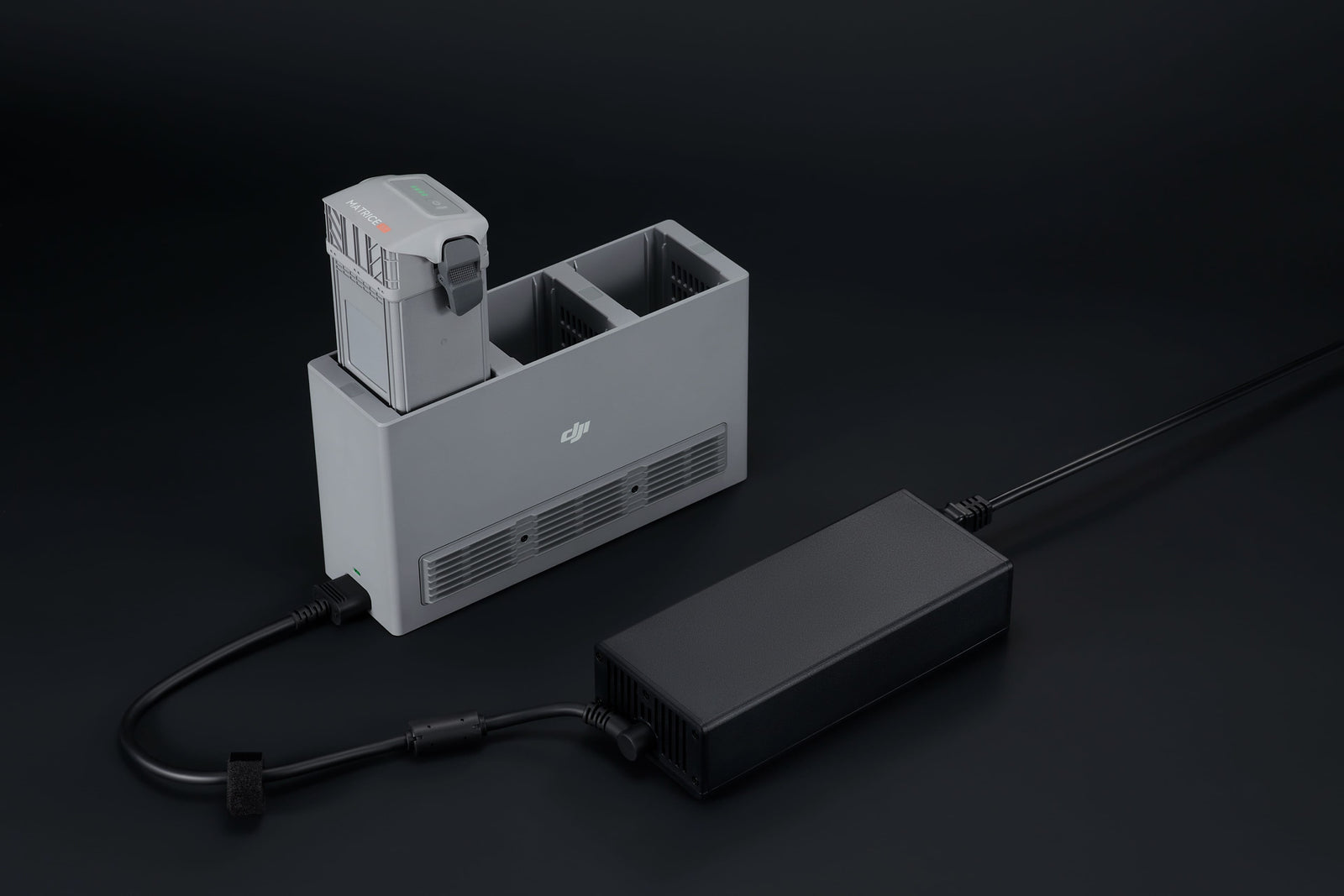
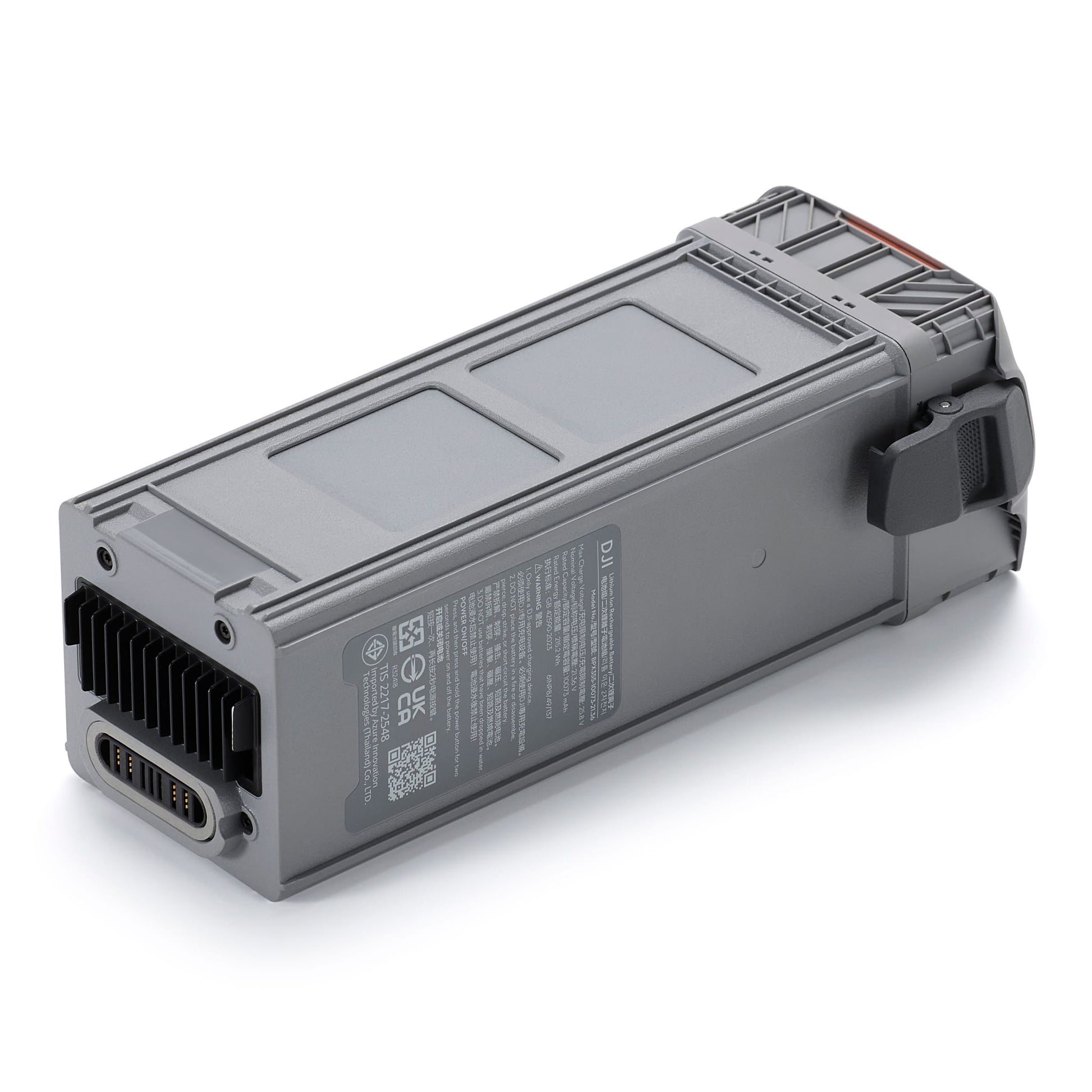
The DJI Mavic 3 Enterprise Series Battery (EU C1 Version) is the model BWX265-4230-15.4. DJI’s certification tables specify C1 for the M3E-EU, M3T-EU and M3TA-EU aircraft models only when configured with this battery and 8658F low-noise propellers. The DJI Mavic 3E EU and Mavic 3T EU also have a C2 configuration using the heavier 5,000 mAh battery and 8658F propellers, but the precise aircraft model and certificate still govern which class is applicable.
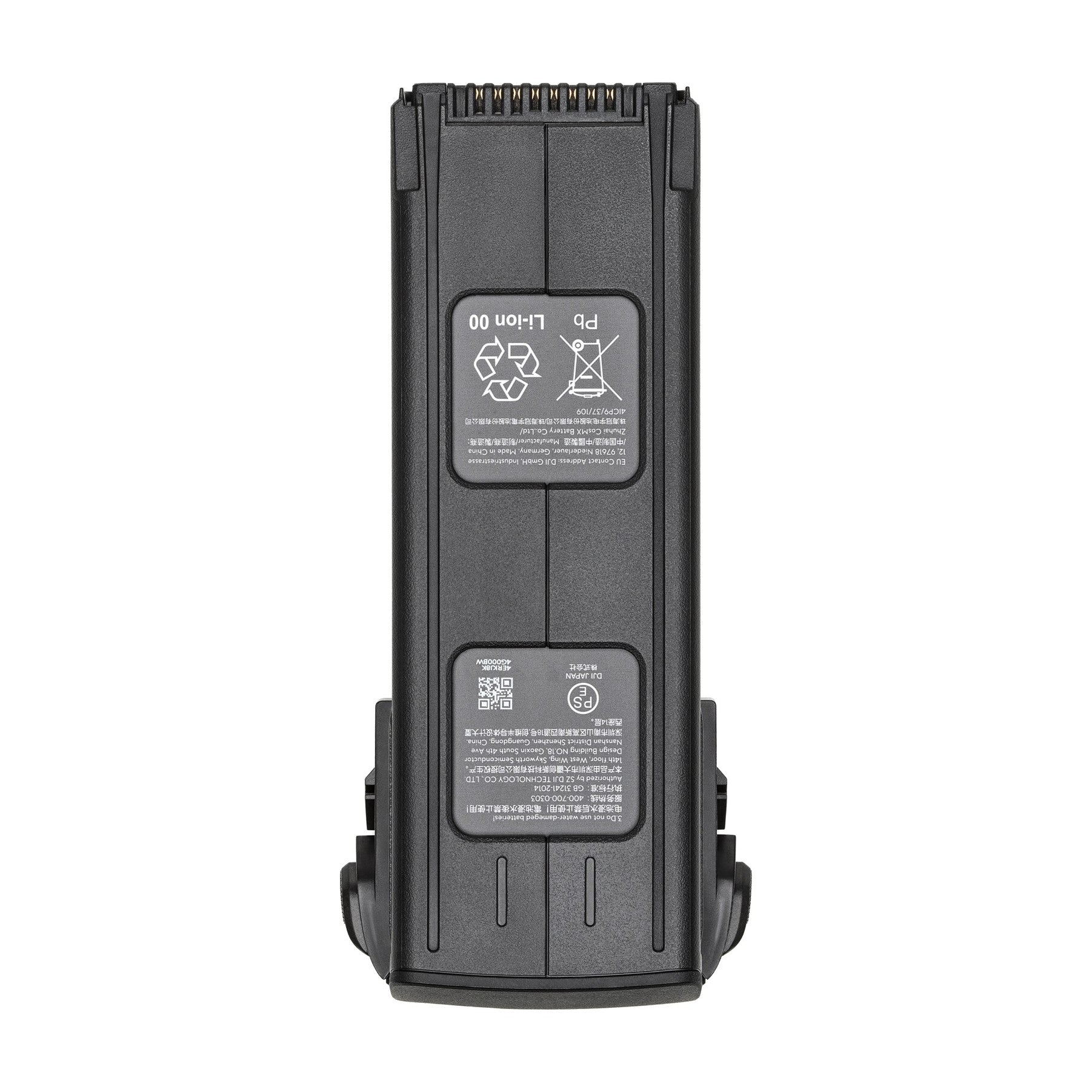
The most consequential trap is the idea that the weight reduction alone is a certification mechanism. It is not. A drone that was never approved as the applicable C1 model does not legally become C1 merely because it now weighs less. Check the aircraft’s label, serial and model designation, DJI’s Declaration of Conformity and applicable regulatory requirements. When in doubt, contact DJI rather than applying an unofficial class marking.
4230mAh versus 5000mAh: DJI’s actual numbers
| DJI battery specification | EU C1 battery | Standard Mavic 3 battery |
|---|---|---|
| Capacity | 4,230 mAh | 5,000 mAh |
| Nominal voltage | 15.4 V | 15.4 V |
| Nominal energy | 65.15 Wh | 77 Wh |
| Approximate battery mass | 285 g | 335.5 g |
| DJI battery model | BWX265-4230-15.4 | BWX260-5000-15.4 |
| Charging temperature | 5–40°C | 5–40°C |
| Approved class use in relevant EU aircraft | C1 specified configuration | C2 specified configuration, where approved |
The difference is 770 mAh, 11.85 Wh and approximately 50.5 g. The smaller C1 battery gives the approved aircraft a lower maximum takeoff mass but contains less nominal energy. Do not forecast flight time solely by scaling the battery-capacity ratio: aircraft energy consumption, wind, speed, temperature, payload and reserve all change the real endurance.
The complete C1 and C2 class requirements
DJI’s Mavic 3 Enterprise user manual specifies a C1 maximum takeoff mass (MTOM) of 899 g for the listed EU C1 configuration with the 4,230 mAh battery and 8658F low-noise propellers. For the relevant EU C2 configuration, the stated MTOM is 1,050 g with the 5,000 mAh battery and the same 8658F low-noise propellers. MTOM is a certified aircraft limit, not merely what your kitchen scale shows today.
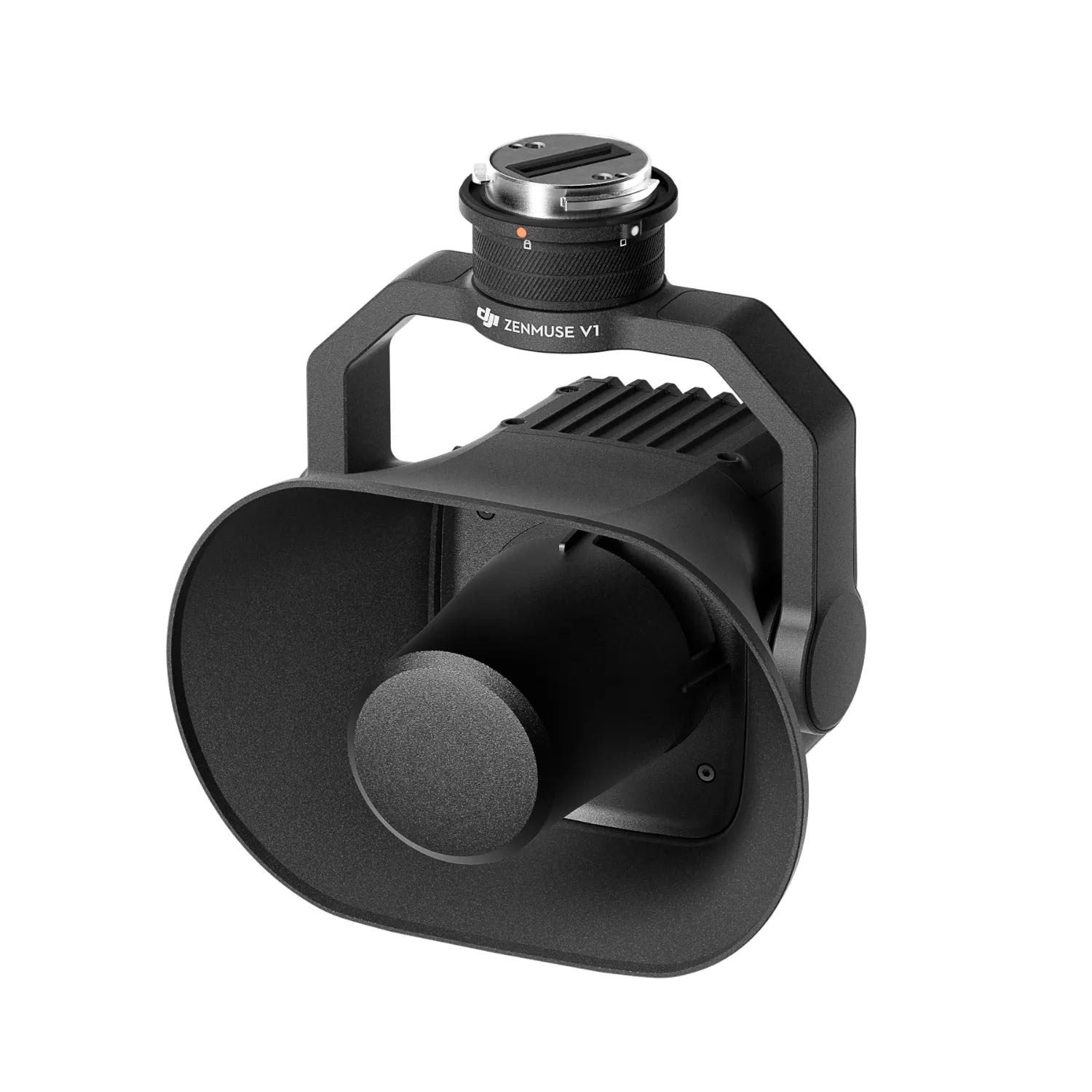
It follows that installing the 5,000 mAh battery in a C1-certified aircraft invalidates the described C1 configuration. DJI explicitly confirms this in its FAQ. The reverse assumption—installing a 4,230 mAh pack automatically granting C1 to any previously C2-only or uncertified aircraft—is equally wrong. For either class, an optional speaker, RTK module, guard or other permitted external device also affects the total mass and centre-of-gravity assessment.
Compatibility is not the same as approved class
DJI’s published compatibility list includes the Mavic 3E, Mavic 3E EU, Mavic 3T and Mavic 3T EU for the smaller EU C1 battery. Physical compatibility with a drone, however, is not an assurance that the complete aircraft meets the rules of the country where it operates. Check the C1/C2 marking and any applicable EU operations requirements for that precise model.
DJI documents a behavioural difference with the smaller EU C1 pack: when fitted, certain flight-control functionality is restricted so the aircraft conforms to the manufacturer’s C1 speed constraints. This is one reason the C1 battery is not simply a lightweight version of a universal power pack; aircraft firmware, class configuration and operating mode all matter.
Five practical buyer scenarios
- Already own an EU C1-certified Mavic 3E/T: select the approved 4,230 mAh pack, fit the required 8658F low-noise propellers and verify that other installed accessories keep the aircraft inside the certified configuration.
- Own a C2-marked or non-EU aircraft: do not assume purchasing this battery changes the aircraft’s official class. Check DJI’s model-specific certification and whether a manufacturer-approved process exists.
- Need maximum permitted flight time for an authorised C2 aircraft: evaluate the 5,000 mAh 77 Wh pack only where the aircraft’s actual approved configuration and local rules allow it. Maintain normal safety reserves.
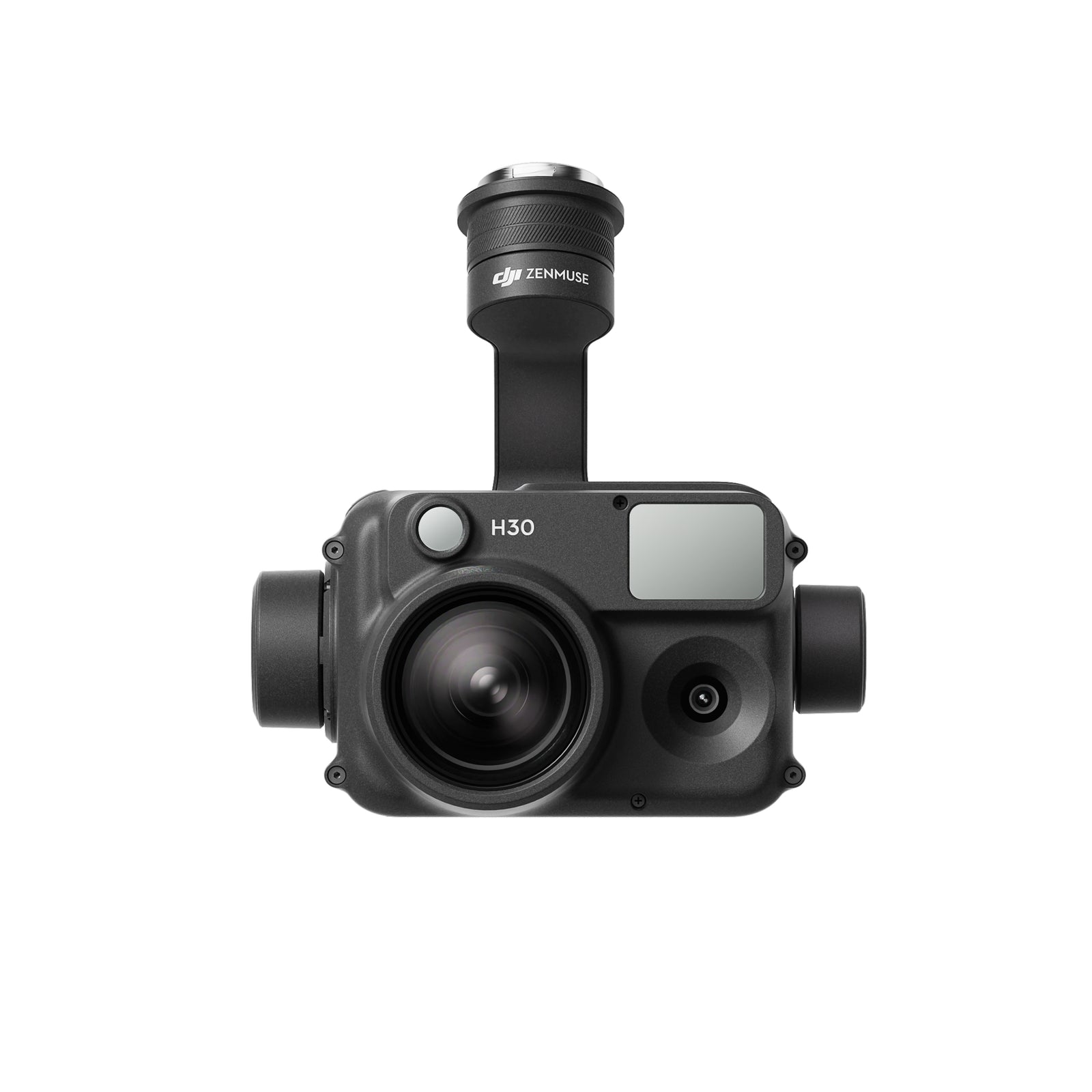
- Operate thermal inspection equipment: identify the exact M3T or M3TA generation; class requirements and optional hardware mass can affect operational planning.
- Move batteries between mixed fleet models: label C1 and standard packs clearly, retain the model-code record and perform the full preflight/class check after swaps.
How to avoid a regulatory or ordering mistake
Record the aircraft’s actual product designation (including the EU suffix where applicable), class marking, battery model, propeller model and any accessory installed. Match those against DJI’s manual table—not a retailer listing that says only “Mavic 3 compatible.” A different aircraft family such as the consumer Mavic 3 Pro or the Mavic 4 Pro should not inherit this enterprise-specific C1/C2 configuration rule without its own certification documents.
Do not place a self-printed C1 sticker on an aircraft or alter software restrictions to obtain a class you have not verified. Operational legality, drone registration, pilot competencies and geographic zones depend on the actual applicable local rules. An appropriately marked aircraft still needs flight approval or other operational compliance where required.
Technical sources and related FalconFly parts
DJI’s official FAQ answers explicitly whether buying the C1 pack converts an aircraft (it does not), and whether the 5,000 mAh pack can be used in a certified C1 configuration (not while retaining C1 compliance). The DJI Enterprise battery specifications document the energy and weight differences, and the Mavic 3 Enterprise Series user manual, C1/C2 Certification section identifies the certified aircraft/battery/8658F propeller combinations.
For the approved smaller pack, see FalconFly’s Mavic 3 Enterprise EU C1 battery listing. For a related practical comparison of original manufacturer blades and model identification, see our DJI propeller compatibility guide. Order the complete class-compliant configuration, not the battery label alone.