


DJI Battery Loses Charge in Storage? Understand Auto-Discharge Before Replacing It

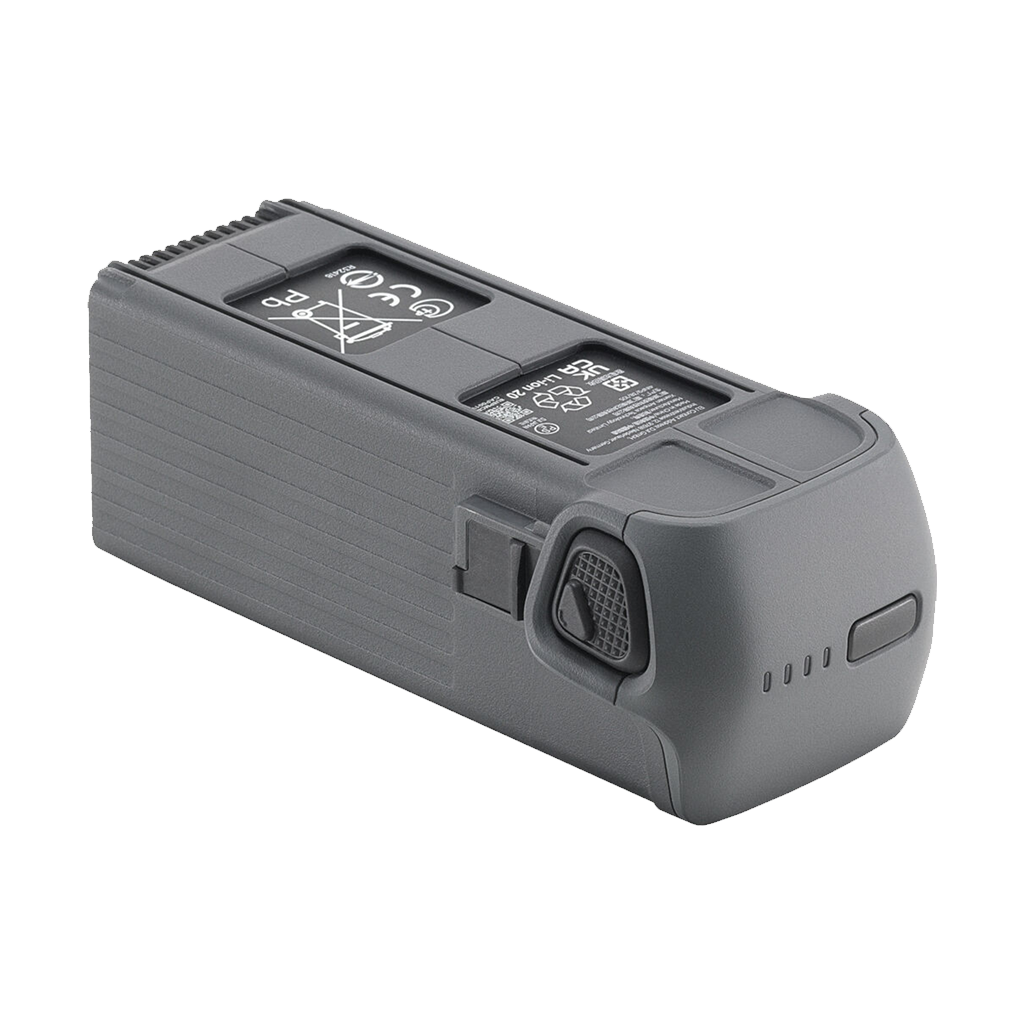
A battery charged last week may show a lower percentage today without a fault. Many DJI Intelligent Flight Batteries deliberately reduce charge while idle for storage protection. The timing and target percentage differ substantially across product families.
Expected storage discharge or an unhealthy battery?
A DJI battery losing some percentage while idle may be following its programmed storage-discharge schedule. Unexpected in-flight voltage collapse, swelling or abnormal heat are different concerns. Match the observed timeline to the exact battery manual before deciding whether a pack needs service.
| Observation | What it suggests |
|---|---|
| Gradual decline during idle period | May be deliberate storage auto-discharge |
| Unexpected rapid fall in flight | Potential battery health or load problem |
| Swelling, smell, overheating or leakage | Stop use and follow safe disposal/service instructions |
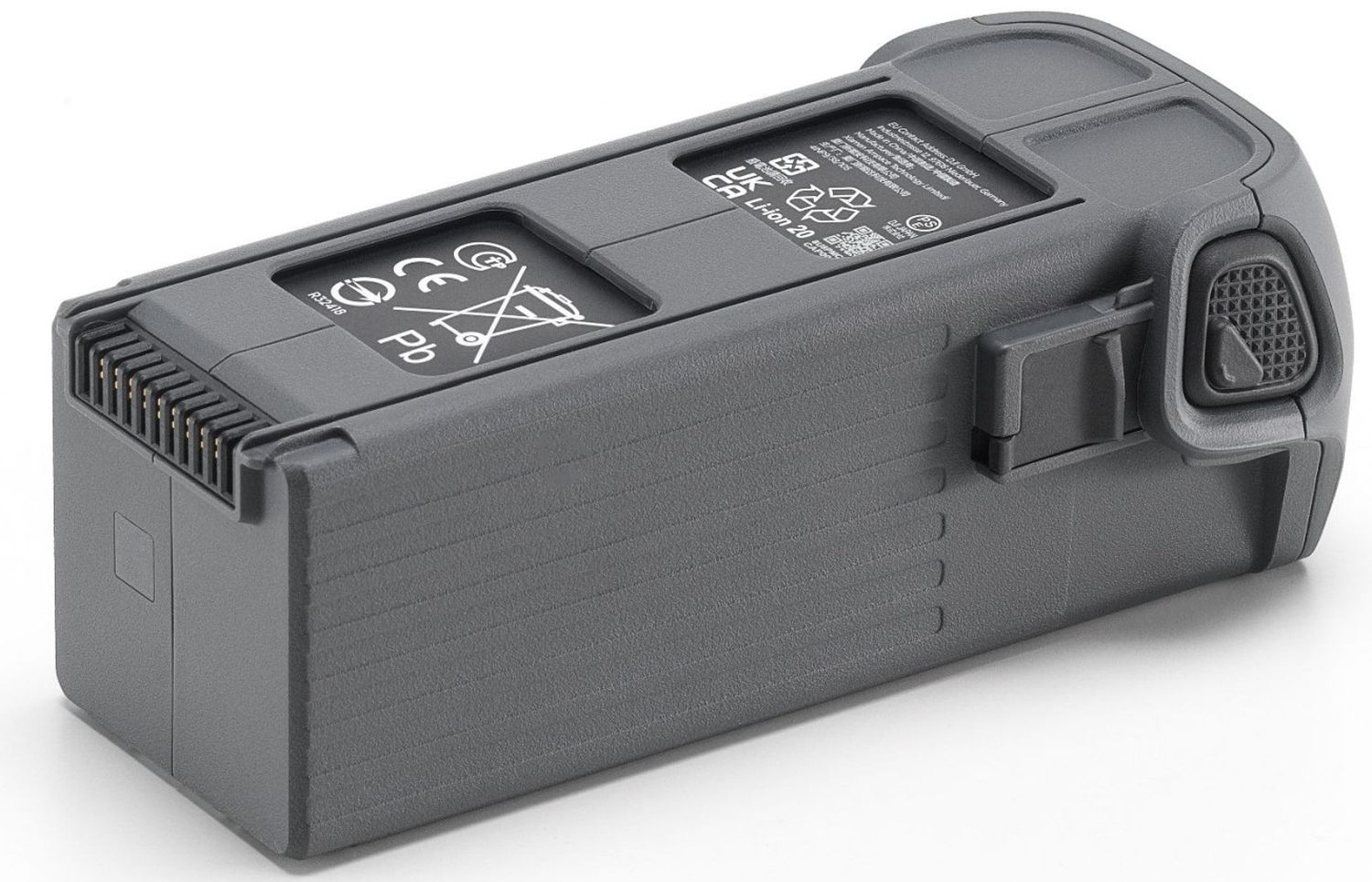
Diagnostic path
1. Look up the exact pack model
Use the DJI support auto-discharge table or product manual. Do not apply a Mavic 3 rule to a Mini, Avata or Enterprise battery.
2. Understand the storage timer
DJI describes some packs lowering to a percentage after set idle days. Pressing buttons, charging or using the battery may affect an idle timer depending on model.
3. Record conditions
Write down charge percentage, pack temperature, elapsed days and any app warnings. Recheck with the model’s documented thresholds.
4. Separate storage behaviour from bad cells
Check cell status and documented battery-health information where supported. An abnormal hot pack or severe drop under normal load deserves inspection.
5. Store safely
Follow DJI storage temperature, charge level and inspection instructions. Don’t leave a fully charged or damaged pack in intense direct sunlight inside a parked car.
In-depth tests and operating guidance
Why lithium batteries deliberately lose charge in storage
High state of charge sustained for long periods places stress on many rechargeable lithium battery chemistries. Some DJI Intelligent Flight Batteries therefore include an automatic idle discharge strategy that reduces charge after a model-defined period. That can be surprising when an owner fully charges a set before a week-long break. The mechanism is not a defect by itself. Crucially, DJI models use different time periods, target levels and behaviour: a rule for one Mini or Mavic battery must never be copied into an Avata or Enterprise support article. Use the exact battery model and its official manual to interpret a given loss.
The log that separates normal behavior from a failing pack
Write down the charge percentage immediately after normal charging, the date and time, storage temperature, whether the battery remained in a hub or aircraft, and the percentage when next checked. Record any self-discharge timer setting that the model exposes and any fault warnings. Repeat only under safe, manufacturer-compliant conditions. A gradual reduction toward a documented storage charge after several days is different from unexpectedly rapid loss over a few hours, severe drop in flight or inability to charge. Pressing the battery button or connecting it to equipment may affect timers on some models; note these interactions. One reading without context cannot establish a failure.
Cell imbalance is a separate diagnostic category
An Intelligent Flight Battery may report cell imbalance or other health issues in the flight app, depending on the product. A normal idle self-discharge algorithm is not the same as one cell dropping markedly below its peers during load. Do not attempt to open DJI Intelligent Flight Batteries, bypass protection electronics or manually charge cells with generic balance chargers. Inspect the terminals visually and look for deformation, leaks, unusual odour or excessive heat. Any such warning requires discontinuing use and following manufacturer service and disposal instructions. A battery that repeatedly triggers flight warnings should not be taken on another long-range mission simply because its percentage indicator appears high.
Temperature changes apparent percentage and usable capacity
Cold weather can reduce available discharge performance and raise internal resistance; very hot conditions accelerate degradation and may trigger charging or use protection. A battery brought from a cooled room into a hot vehicle can show behavior influenced by both temperature and storage timing. Let equipment reach a safe operating temperature within the product manual’s limits before interpreting percentage readings. Never heat a pack with a flame, improvised heater or direct contact with hot surfaces. In UAE summer storage, avoid sealed cars and direct sun. For a planned job, distinguish actual stored energy from the displayed percentage and plan conservative reserves.
Preparing a fleet for tomorrow’s work
The correct workflow for a professional drone team is often to store packs at the recommended charge, then top up before the mission—not keep all batteries fully charged for weeks. Verify the DJI hub’s charging sequence and available AC power, and allow time for safe thermal conditions. Label each battery and rotate use, recording approximate cycles and any unusual behaviour. A gradual decline in displayed charge over an idle week may be normal, but it still means tomorrow’s flight plan needs a fresh status check. Never assume batteries can remain unattended on chargers indefinitely; comply with the model’s charging instructions.
What to buy and what not to buy
A new hub cannot reverse cell ageing, and a higher-power adapter cannot always override battery temperature protection or the charging profile. A pack that simply follows documented storage discharge does not need replacing for that reason alone. Conversely, a swelling or damaged pack should not be kept as an emergency spare. Before ordering, confirm the exact DJI battery part number, aircraft generation and charger compatibility. A nearly identical battery silhouette or marketing product name is not enough. For expensive Enterprise fleets, align spare-pack inventory and maintenance logs with the mission’s operating policy rather than relying on a single charge-percentage threshold.
Buying or repair decision
Normal storage discharge is not a reason to replace a DJI Intelligent Flight Battery. Confirm whether a configuration, cabling, accessory or environmental factor explains the symptom first. Then compare exact compatibility—not the marketing name alone—and keep original parts until the cause is established. Relevant options are available through FalconFly UAV’s own store category.
Field cases and decision checklist
Case 1: A charged battery reports a lower percentage after a week
First consult the exact pack’s documented idle auto-discharge interval and target. Some DJI Intelligent Flight Batteries intentionally reduce their stored charge for long-term protection. A gradual decline after several inactive days may therefore be normal. Note whether the battery was pressed, connected or warmed during storage, because some models treat user interaction as activity. A replacement should not be recommended solely because a healthy battery does not preserve 100% indefinitely. Check it before a scheduled mission and top it up according to the manufacturer’s guidance.
Case 2: The battery drops abruptly in flight under moderate load
That is a separate and potentially safety-critical symptom. Investigate battery warnings, temperature, cell state if available, age and load history rather than attributing the event to the storage discharge algorithm. Avoid repeated long-distance flying to reproduce a sharp decrease. A degraded cell or weak connection may cause behaviour that a displayed full charge conceals. Preserve logs and discontinue use if flight-safety warnings recur. User-facing charge percentage is an estimate; it must be interpreted with operating conditions and battery health information.
Case 3: A battery is swollen or smells unusual after storage
Do not treat deformation, venting or an unusual odour as a normal automatic discharge characteristic. Remove it from service, avoid charging it and follow local approved handling and disposal procedures. Do not puncture, compress, attempt to reset or manually balance a DJI Intelligent Flight Battery using improvised electronics. Keep people away from a thermally unstable pack and follow emergency guidance if heat or smoke appears. Replacement is appropriate only after the compromised battery is safely retired. The customer should also check storage practices to reduce the chance of recurrence.
Case 4: A team wants all packs charged continuously in a hub
A hub’s charging sequence and the pack’s storage behaviour are model-specific. Keeping battery packs at full charge for prolonged periods may not be recommended for battery health, and unattended charging can create additional risks. Plan the final charge near the actual operation instead. Label packs, record unusual warnings and confirm state of charge immediately before departure. A replacement high-power adapter does not eliminate storage aging or battery temperature limitations. For a multi-aircraft fleet, track pack history and follow DJI’s recommended temperature and state-of-charge conditions rather than adopting a single one-size-fits-all rule.
Field examples and further verification
Storage discharge is a deliberate battery-management behaviour
A normal intelligent-battery protection routine may reduce a fully charged pack to a safer storage charge after a documented idle period. It is easy to mistake this for a battery that will not hold a charge. The timing is not universal: different DJI packs and product generations specify different schedules and final charge levels. Look up the exact battery model and supported DJI instructions rather than repeating a generic ‘after five days’ rule. If the percentage changes after pressing a battery button or installing it in a hub, record that as part of the timeline. Some battery management systems change their idle timing when interacted with. Treat unexplained rapid decline separately.
The difference between percentage and cell health
A battery’s displayed percentage estimates usable charge under assumptions; it is not a direct chemical health test. A pack might show an acceptable percentage but sag excessively during load, or it might reduce percentage normally while stored. Where the product exposes cell or health information, examine warnings, voltage imbalance and unusual behaviour against the official diagnostic procedure. Do not open a sealed DJI Intelligent Flight Battery or bypass its protection electronics to read individual cells. Deformation, unusual odour, heat or leaks demand immediate withdrawal from service. Avoid charging a suspicious pack repeatedly to see whether an error vanishes. The right question is whether the battery follows its documented behaviour without safety warnings.
Ambient temperature changes what the pilot observes
A cold battery may deliver less power temporarily, and hot packs can limit charging or discharging for protection. A stored battery moved between an air-conditioned room and direct UAE sun can show different apparent performance even if it was healthy at the beginning. Respect product operating and charging temperature limits rather than trying to warm or chill a pack quickly. Never leave batteries in a closed hot vehicle, and avoid direct contact with improvised heating devices. Record temperature alongside date and charge percentage so that an apparent accelerated loss is not interpreted without context. A healthy pack should still be inspected and brought to an appropriate temperature before flight.
A battery rotation method for small fleets
Label batteries clearly and maintain a lightweight log of charging, storage dates, mission use and any warnings. Store at the manufacturer-recommended state of charge rather than keeping every pack full indefinitely. Schedule the final top-up shortly before a planned job when practical, with enough time for cooling and safety inspection. For multiple aircraft, do not interchange battery models merely because their housings look alike. Mark and isolate packs that behave differently from the rest instead of returning them to the ready-to-fly case. This process helps distinguish an expected storage discharge from one battery whose condition is deteriorating.
How to handle a customer complaint fairly
Ask when the pack was charged, whether it was installed in the aircraft, ambient temperature, current firmware and the exact battery model. Compare the recorded state-of-charge change to DJI’s documented idle schedule. If the pattern matches normal auto-discharge and there are no faults, explain that the feature is intended to protect long-term cell life. If decline is unusually fast, charging fails or safety warnings appear, advise discontinuing use and arranging inspection. A replacement battery should be recommended based on measured abnormal behaviour, physical damage or documented ageing—not simply because it did not remain at 100% during a week of storage.
Why people misread battery storage behaviour
Drone owners repeatedly ask why packs stored at full charge drift toward a lower indicated percentage. A recent community discussion shows the confusion between expected automatic storage discharge and abnormal long-term depletion. Do not adopt a forum’s single percentage or time interval as universal; use DJI’s specific battery table and inspect any pack that behaves outside its model’s documented limits. Owner discussion: DJI battery storage.
Frequently asked questions
Is warmth during self-discharge always failure?
DJI notes moderate heat can occur during normal discharge, but unusual heat or deformation is not normal.
Should I keep it on the charger all month?
No; follow the product’s manufacturer storage recommendations.
Before your next flight or project
Keep batteries with unexplained swelling, excessive heat or load-related warnings out of the ready-to-fly case. For normal idle charge decline, refer to the exact battery model’s official discharge schedule and top up only as required for the next mission.
Technical reference
DJI battery auto-discharge schedules. Storage discharge schedules differ by battery family; do not reuse another aircraft’s timing.
Battery storage notes for DJI Matrice 400 crews
The DJI TB100 battery is a high-energy Matrice 400 pack. Its storage, recharge and inspection procedures should follow the specific DJI manual rather than generic recommendations for small consumer DJI drone batteries. For supported charging equipment, see the DJI BS100 Intelligent Battery Station.

















