DJI 9453F Mavic 3 Enterprise Propellers: Should You Use Consumer Mavic 3 Blades?

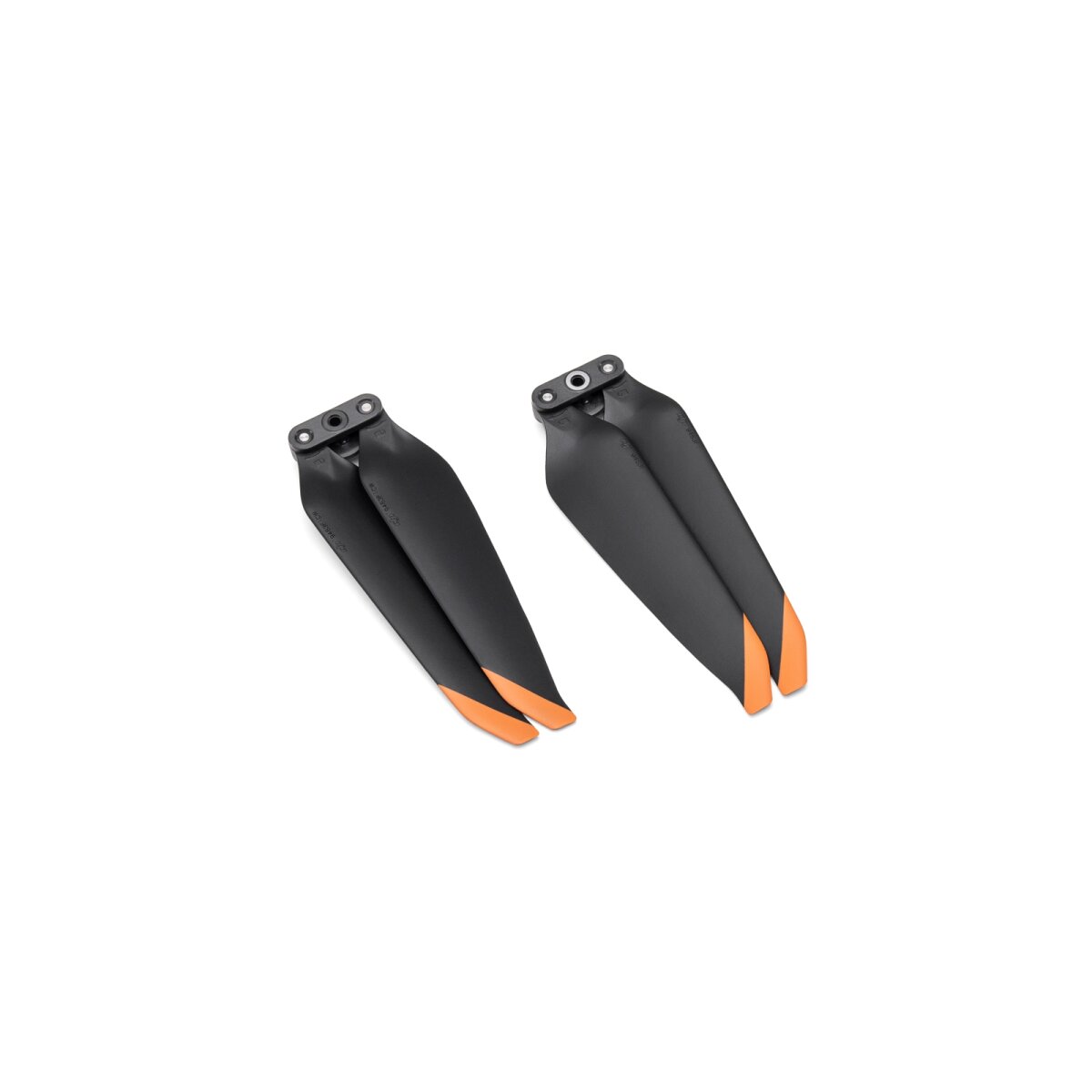
A Mavic 3 Enterprise operator runs out of spare propellers and finds a consumer Mavic 3 replacement kit at the local shop. DJI’s FAQ says consumer Mavic 3 propellers can be fitted to the Enterprise aircraft, but also recommends 9453F Propellers for Enterprise. That general mechanical compatibility statement must not be confused with the separate 8658F low-noise propeller requirement in certified EU C1/C2 configurations. The correct purchase depends on the precise aircraft and the regulatory class under which it operates.
9453F, 8658F and consumer Mavic 3: three different questions
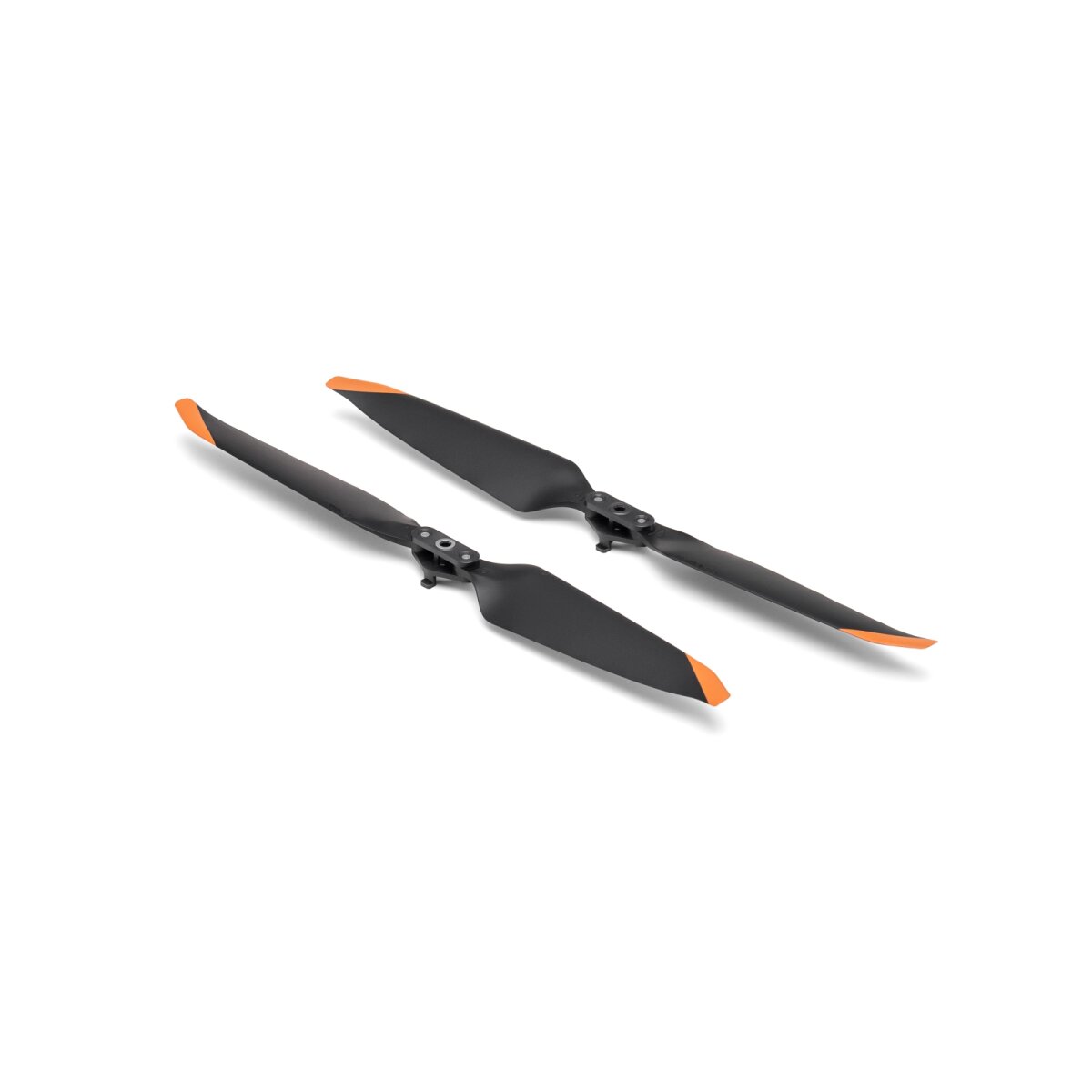
The DJI 9453F Enterprise Propeller Pair is the replacement DJI recommends for Enterprise-family operation in its general aircraft compatibility FAQ. DJI separately lists 8658F Low-Noise Propellers as part of the EU class-certified Mavic 3 Enterprise arrangement. The fact that a propeller attaches to a motor does not necessarily show that it preserves a specific EU class designation, noise limit or approved maximum takeoff mass.
| Part or statement | What it supports | What it does not prove |
|---|---|---|
| DJI 9453F Enterprise | DJI’s generally recommended Enterprise-family propeller replacement | That this is the prescribed propeller for every EU class-certified configuration |
| Consumer Mavic 3 propellers | DJI FAQ says they can be fitted to the Enterprise aircraft | That all non-OEM products or altered sizes are approved |
| DJI 8658F Low-Noise | Specified in DJI’s EU C1/C2 class-certification table alongside particular batteries | That installing only these propellers makes any aircraft legally C1 |
| Unknown aftermarket “Mavic 3 compatible” set | Only a retailer’s compatibility claim until verified | Manufacturer approval, safe balance or regulatory compliance |
For EU C1 flights, read the certification table first
DJI’s Mavic 3 Enterprise Series user manual identifies M3E-EU, M3T-EU and M3TA-EU in the C1 configuration with BWX265-4230-15.4 battery and 8658F low-noise propellers, subject to an 899 g certified MTOM. The C2 table for the relevant M3E-EU and M3T-EU configuration specifies the BWX260-5000-15.4 pack and again 8658F, with a 1,050 g MTOM.
DJI’s FAQ explicitly states that simply installing the smaller EU C1 battery does not convert an aircraft to C1; likewise, changing the propeller is not an automatic legal class conversion. Confirm the actual aircraft model, class marking, full installed mass and accepted configuration rather than combining parts from two different tables.
After a blade strike, inspect more than the edge
- Ground and power down. Do not handle the propeller on an armed aircraft or use a test flight to decide whether a cracked blade is safe.
- Identify the complete set. Confirm the original installed model and its corresponding rotation positions; do not mix different propeller types on the airframe.
- Examine each blade. Look for chips, root cracks, permanent deformation, abrasion from the carrying case and damaged blade joints.
- Check the affected motor. A cracked hub, rough bearing, loose mounting or bent arm cannot be corrected by installing a new blade.
- Use the correct DJI replacement method. Follow the Enterprise user manual’s propeller installation and inspection steps; do not improvise screws, adhesives or torque specifications from another aircraft.
- Record the installed model. Include part model and any compliance implications in the aircraft maintenance log before the next approved flight.
When a purchase labelled “compatible” should still be rejected
A replacement should be rejected when its identity cannot be verified, it is damaged, the attachment is incomplete, its designated rotation is unclear, the aircraft’s class certification specifies a different part, or the manufacturer has not approved the substitution. A visibly similar propeller can differ in stiffness, acoustic signature, pitch, balance or hub tolerances. Those properties matter most on a multirotor platform where the flight controller continually changes motor thrust to keep the aircraft stable.
For a non-EU fleet, the general DJI recommendation for 9453F is still a sensible starting point, but the exact aircraft manual and applicable regional requirements should settle compatibility. For an EU class-labelled aircraft, the certificate’s enumerated hardware and local legal rules take priority over generic compatibility advice.
Official references and part links
DJI’s Mavic 3 Enterprise FAQ confirms consumer-series mechanical compatibility and the general 9453F recommendation. Its C1/C2 user-manual tables identify the 8658F low-noise configuration. See the FalconFly 9453F Enterprise pair and, for model-specific class questions, the 8658F low-noise set. Choose by the complete approved aircraft configuration, not merely by appearance.