DJI 1154F Low-Noise vs 1157F Matrice 4 Propellers: Check the Actual Aircraft

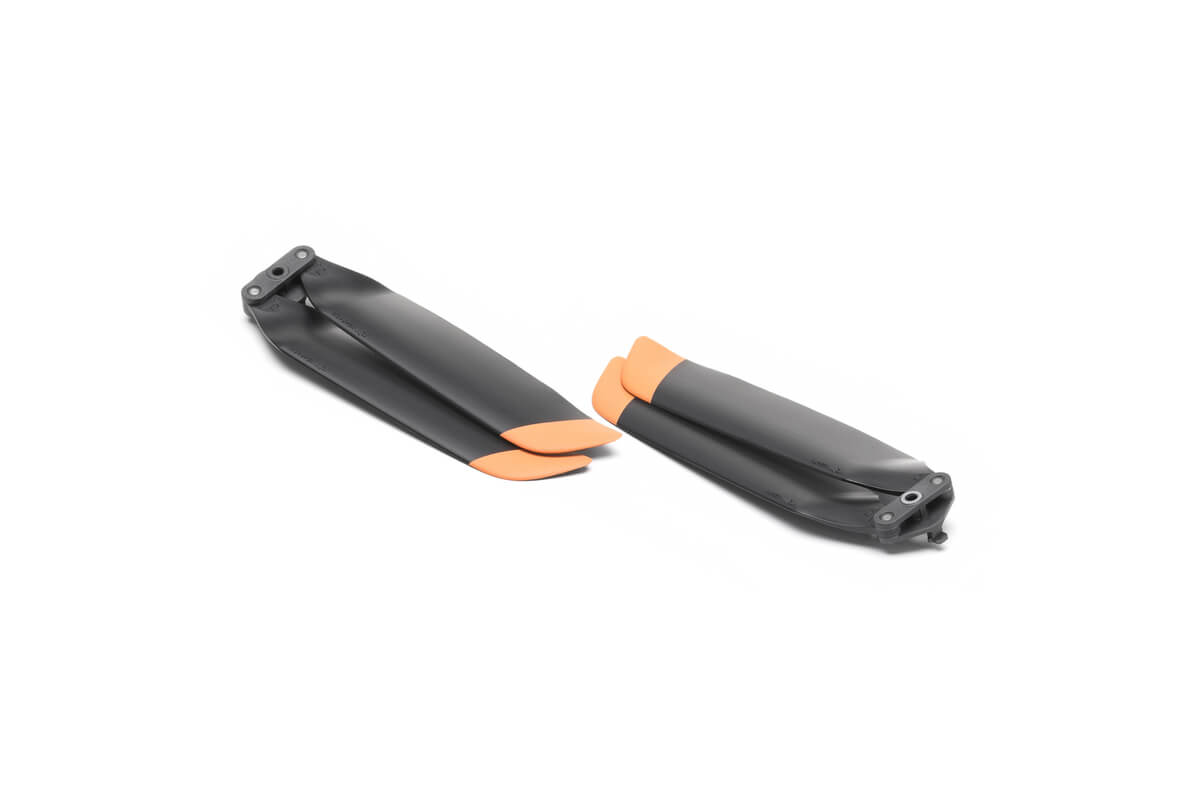
A Matrice 4 pilot orders “low-noise” replacement props expecting the same endurance with less sound. Another crew sees 1157F on an existing spare set but 1154F in a supplier catalogue, and wonders whether the two belong to different Matrice generations. DJI’s answer is more interesting than a simple compatibility label: 1157F is the standard propeller and 1154F is the low-noise propeller for Matrice 4T/4E. Both are documented for the same aircraft family, but DJI’s own reference endurance numbers differ.
1154F versus 1157F: know the suffix before buying
The DJI 1154F low-noise pair is an official Matrice 4 Series option. The corresponding 1157F standard pair is the other model explicitly identified in DJI’s propeller documentation. These are not interchangeable by colour or by a casual visual resemblance, and neither should be confused with the much larger 1364-series propellers used on Matrice 4D/4TD.
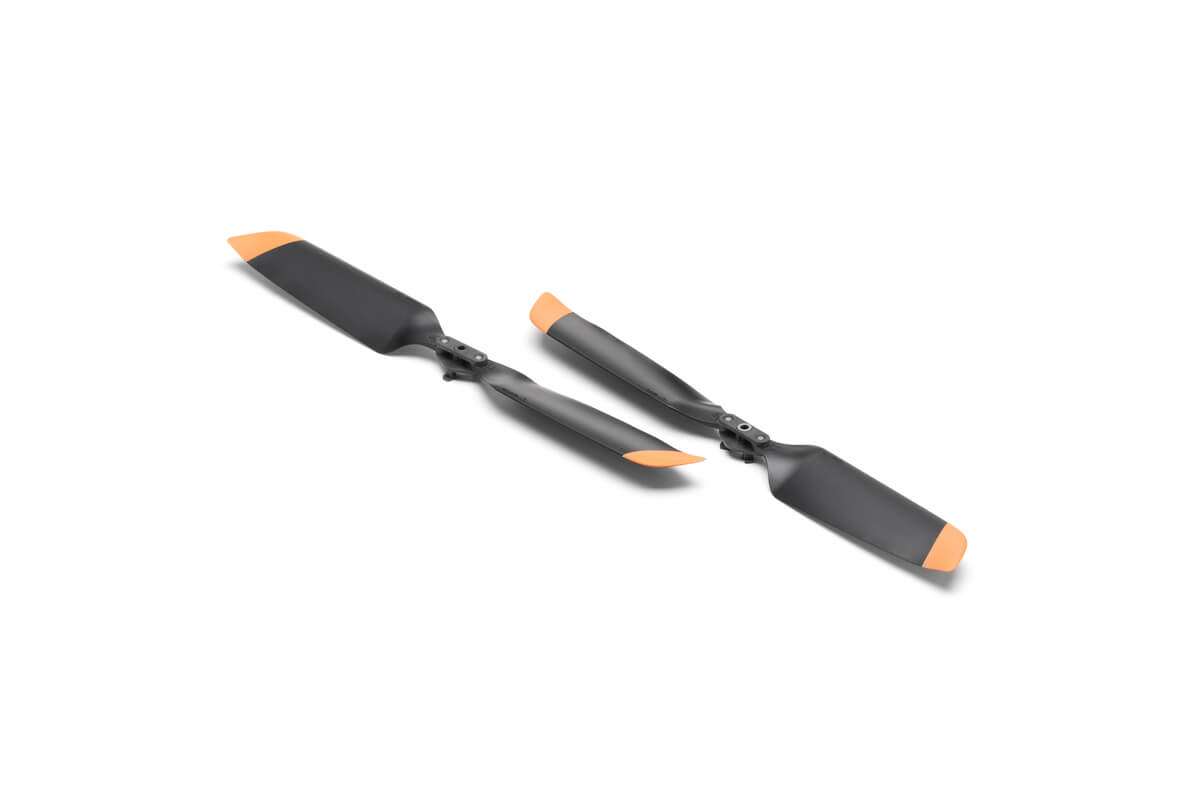
DJI’s Matrice 4 user guidance notes that low-noise propellers are fitted by default in the EU region, while other configurations may ship with standard props. That regional detail can explain why two crews unpack apparently identical Matrice 4E aircraft and find different propeller types. It does not justify mixing them on one drone.
The endurance trade-off is real in DJI’s lab figures
| DJI Matrice 4 reference specification | 1157F standard | 1154F low-noise |
|---|---|---|
| DJI part identification | 1157F | 1154F |
| Maximum measured flight time | 49 minutes | 46 minutes |
| Maximum measured hover time | 42 minutes | 39 minutes |
| Maximum flight distance, windless lab reference | 35 km | 32 km |
| Primary buying motive | Standard factory configuration in many regions | Noise reduction and EU-regional configuration requirements |
These are DJI’s comparative laboratory figures, not guaranteed job-site performance. Wind, payload, lighting accessories, pilot inputs and battery temperature matter. The practical planning point is that the low-noise kit involves a documented endurance trade-off, and choosing it for a time-critical mission should trigger a fresh battery-reserve calculation rather than an assumption that all Matrice 4 propellers perform the same.
A purchase decision for three common missions
Urban inspection under noise restrictions: If the aircraft’s approved configuration requires or benefits from low-noise propellers, the official 1154F set is the appropriate part to investigate. Confirm the applicable local operating approvals rather than claiming one propeller changes the entire aircraft’s compliance classification.
Survey with limited battery swaps: 1157F carries better maximum-duration reference numbers in DJI’s own datasheet. But if the aircraft is supplied and approved with 1154F in your jurisdiction, choose the manufacturer-authorised configuration and adjust the work plan; do not bypass compliance to gain a few lab-rated minutes.
Mixed spare-parts cupboard: Label 1154F and 1157F kits separately. A bag marked “Matrice 4 propellers” is not enough to ensure a safe complete set. Keep part numbers, purchase history and maintenance records associated with the aircraft registration rather than using a common pile of loose blades.
Can the two propeller types be fitted together?
No. DJI’s Matrice 4 instructions explicitly say to use genuine DJI propellers and not mix propeller types. Mixing 1154F low-noise and 1157F standard types across the same aircraft can cause a propulsion mismatch even if individual blades appear to lock into a motor. Replace with the appropriate matched, manufacturer-supported propeller arrangement and follow DJI’s model-specific attachment and removal procedures.
How to inspect an existing set after transport or a minor strike
- Switch off the drone and verify all motors are stationary. Never work on a propeller with the aircraft armed.
- Identify each model: read 1154F or 1157F on the original packaging and verify that the installed set uses the permitted uniform type. If the markings are unclear, do not guess from blade shape alone.
- Look for damage: inspect the tip, leading and trailing edge, root, mounting hub and fastener interface. A blade with visible chips, cracks, permanent bending or impact marks should not be used for flight.
- Check the motor: with the power off, look for bent shafts, play, obstructions and damaged hub components. A clean-looking propeller does not prove the motor survived a strike.
- Follow the approved pairing pattern: confirm correct rotation/position and secure attachment per the DJI Matrice 4 maintenance instructions. Never transplant a fitting rule from a Mini-series or Matrice 4D airframe.
- Perform the preflight inspection: repeat the operator’s normal propeller/arm checks; stop on unexpected vibration or propulsion warnings.
Why a “quieter” prop can still sound wrong
A pronounced new buzz or vibration is not an acceptable trade-off for reduced acoustic output. It may mean the propeller is damaged, the mounting is loose, a motor bearing is impaired, or a propeller from the wrong model was fitted. Do not try to tune away a mechanical mismatch in flight-control software. Noise claims should be assessed with the exact DJI-equipped aircraft, from comparable observation positions and at safe separation distances.
Related FalconFly guide
For broader practical context, read our DJI original versus third-party propeller safety guide. It complements this product-specific troubleshooting workflow.
Verified manufacturer references
Use DJI’s Matrice 4 support specifications (1157F vs 1154F and endurance figures), DJI’s propeller-model reference list and the Matrice 4 user manual. For shopping, compare the genuine 1154F low-noise set with the 1157F standard set on FalconFly and confirm the current aircraft configuration before checkout.