Matrice 30 1676 High-Altitude Propellers: Check the Mission Before Swapping

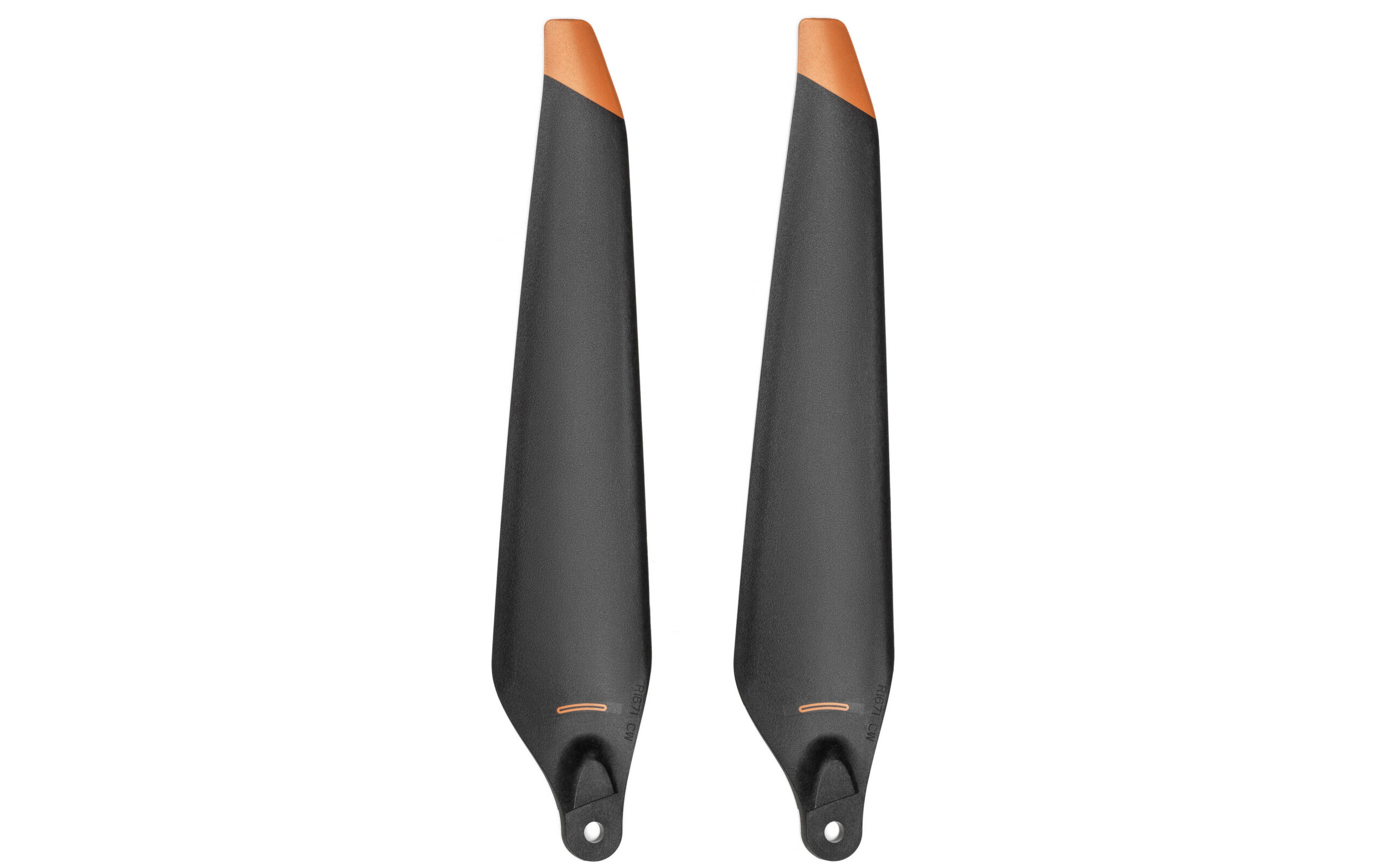
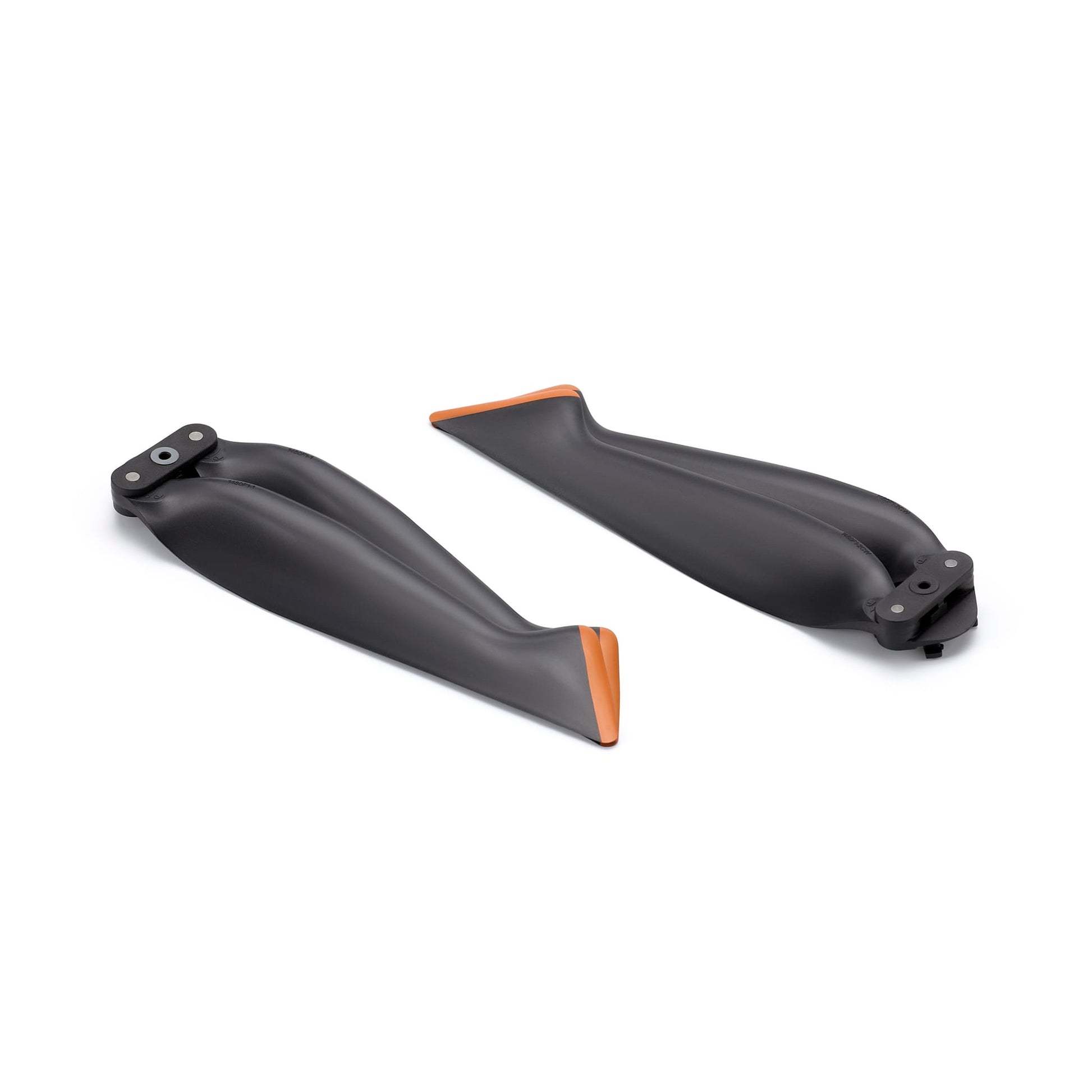
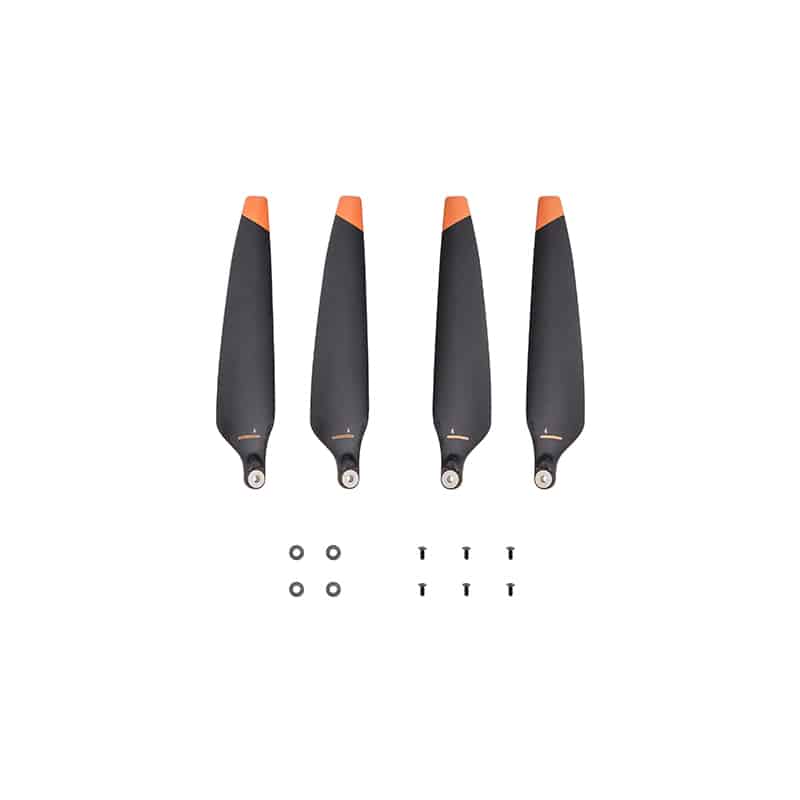
A Matrice 30 inspection assignment moves from sea level to a mountain site. The crew sees optional DJI 1676 high-altitude propellers and assumes the aircraft will simply gain an extra 2,000 metres of usable height. DJI does publish a different maximum service ceiling above sea level: 5,000 m with standard 1671 propellers versus 7,000 m with 1676 high-altitude propellers—but its reference states without another payload. These are service-ceiling figures, not guaranteed mission envelopes for every load, weather condition or jurisdiction.
1676 does not turn a Matrice 30 into an unrestricted high-altitude aircraft
The DJI Matrice 30 Series 1676 High-Altitude Propellers are an optional manufacturer-designated alternative to the standard 1671 propellers. At high elevation, air density decreases and the rotor system has less available thrust reserve. DJI provides the 1676 option for such conditions, but operators still need to account for installed payload, temperature, wind, battery capability and safe manoeuvring margin rather than treating “7,000 m” as a target for routine operations.
| DJI specification or decision | 1671 standard set | 1676 high-altitude set |
|---|---|---|
| Propeller designation | 1671 | 1676 |
| Maximum service ceiling above sea level, reference without payload | 5,000 m | 7,000 m |
| Supplied with standard M30 | Standard specification | Optional accessory |
| Best purchasing question | Does the site fit the standard approved envelope? | Does the high-elevation site and configured aircraft require the approved 1676 option? |
| What ceiling does not mean | Automatic legal permission, acceptable climb or braking margin, or sufficient endurance with every payload | |
Air density, climb and reserve: the operational trade-off
Air density is affected by both elevation and temperature. A high-elevation mission on a warm day can be more demanding than the same site in cooler stable conditions. Wind can consume additional control and energy reserve when climbing, hovering or returning with low batteries. The published service ceiling should therefore be compared with the site’s elevation above sea level, not merely the commanded flight height above the launch point.
A waypoint mission commanding “120 m altitude” may refer to height above the launch point or terrain reference, while the service ceiling describes aircraft altitude above sea level. If the launch site itself is 4,500 metres above sea level, the airframe already operates in substantially thinner air even when hovering only a few metres above the ground. Do not use a route planner’s AGL number as proof of high-altitude service margin.
Checklist before replacing 1671 with 1676
- Record the aircraft: M30 or M30T, firmware, serial/model identity, propeller family and current maintenance status.
- Define the real mission: launch-site elevation, highest planned terrain position, wind/gust forecast, temperature and the installed payload arrangement.
- Use the DJI manual: verify that 1676 is the supported propeller model for the exact M30 aircraft and that the entire intended flight configuration remains within manufacturer limits.
- Inspect every motor and fastener: replace damaged blades, match the correct manufacturer CW/CCW pattern and use approved installation hardware. Do not improvise mixing parts from different propeller models or other aircraft families.
- Complete post-installation checks: with the aircraft safely powered down, confirm mounts and free rotor movement, then follow the official normal preflight process. Stop if any vibration or propulsion warning appears.
- Prepare a conservative abort rule: define what happens if climb performance, battery temperature, wind or RTK/navigation quality differs from the planned assumptions.
Do not transfer the Matrice 350 rule to the Matrice 30
A common spare-parts mistake is to mix model numbers across DJI Enterprise airframes. The Matrice 350 uses 2110s or 2112 propeller models; Matrice 30 uses 1671 or 1676. Similar words such as “High-Altitude Low-Noise” do not make their attachment systems, rotor sizes or service limits interchangeable. Keep stock bins and maintenance records separated by exact model.
The M30 is IP55-rated within the manufacturer’s stated conditions, but that does not remove weather risks at high-altitude sites. Ice accumulation, excessive wind, dense cloud, visibility limitations, battery temperature and airspace authorisations all require their own stop decisions. No propeller upgrade can guarantee safe operation in an environment outside the aircraft’s general operating conditions.
How much improvement should a team promise?
Only the manufacturer-approved service ceiling difference can be quoted as a specification without further site evidence. A claim such as “1676 gives 15% more endurance” or “the drone will climb at the same rate at 7,000 m” would require a tested mission configuration and should not be presented as a factory guarantee. At a high-altitude site, record actual hover stability and energy use during approved checks and use a sufficient return reserve rather than operating up to the theoretical maximum.
Related FalconFly guide
For broader practical context, read our genuine DJI propeller model identification guide. It complements this product-specific troubleshooting workflow.
Manufacturer specifications and part matching
See DJI Matrice 30 Series specifications, including the explicit 1671/1676 service-ceiling entries, and the official Matrice 30 manuals for correct propeller installation and operational restrictions. Check the genuine 1676 high-altitude propeller product on FalconFly before ordering. A suitable 1676 set is part of a complete mission plan, not an alternative to it.