Matrice 350 2112 High-Altitude Propellers: Why Thin Air Changes the Choice

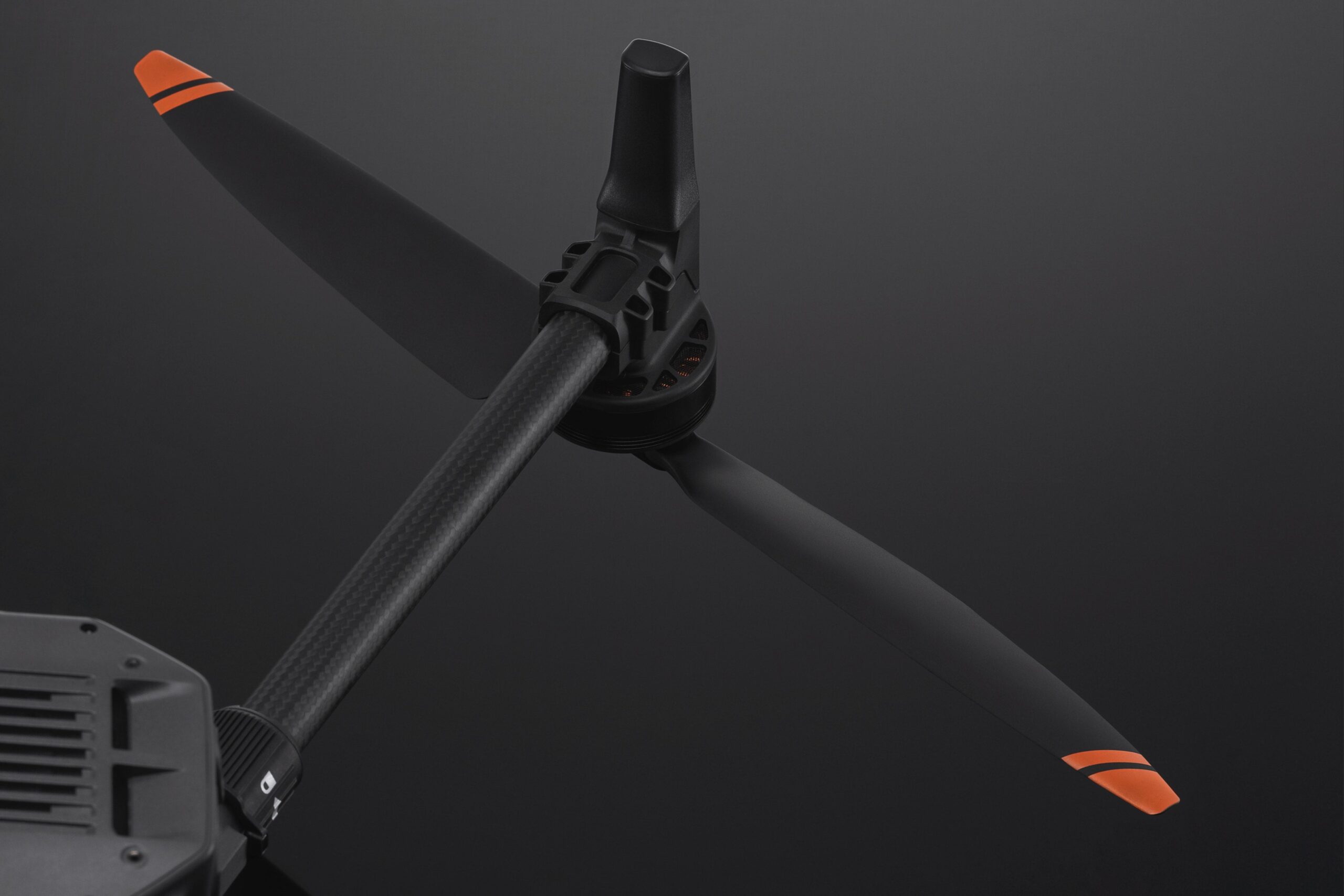
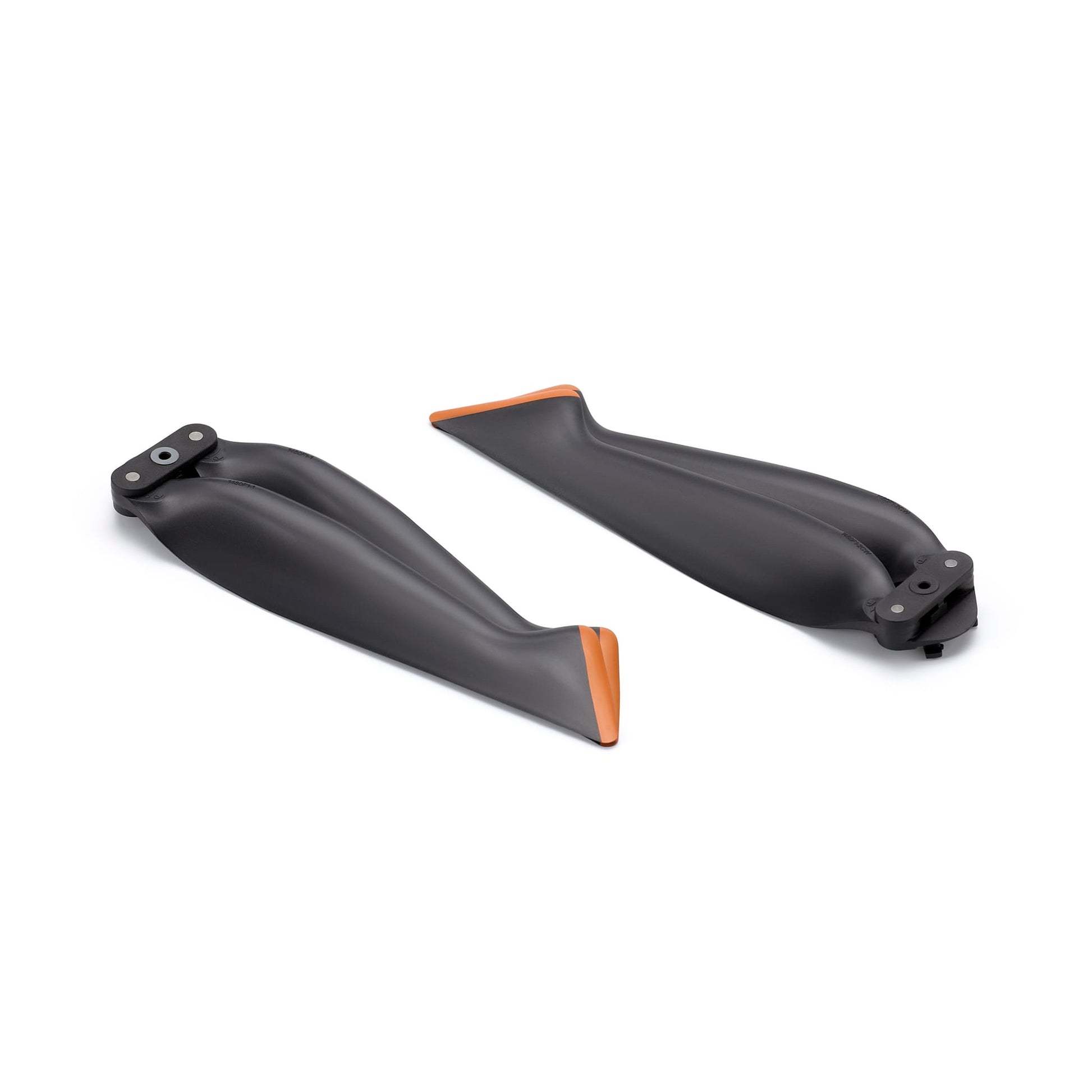
An inspection mission climbs to a high-altitude site and the crew considers 2112 propellers. That is a practical question for crews using DJI Matrice 350 RTK 2112 High-Altitude Low-Noise Propellers – Pair, because the wrong assumption can turn a simple accessory choice into an avoidable aircraft-grounding event.
Why altitude, air density and takeoff mass change the decision
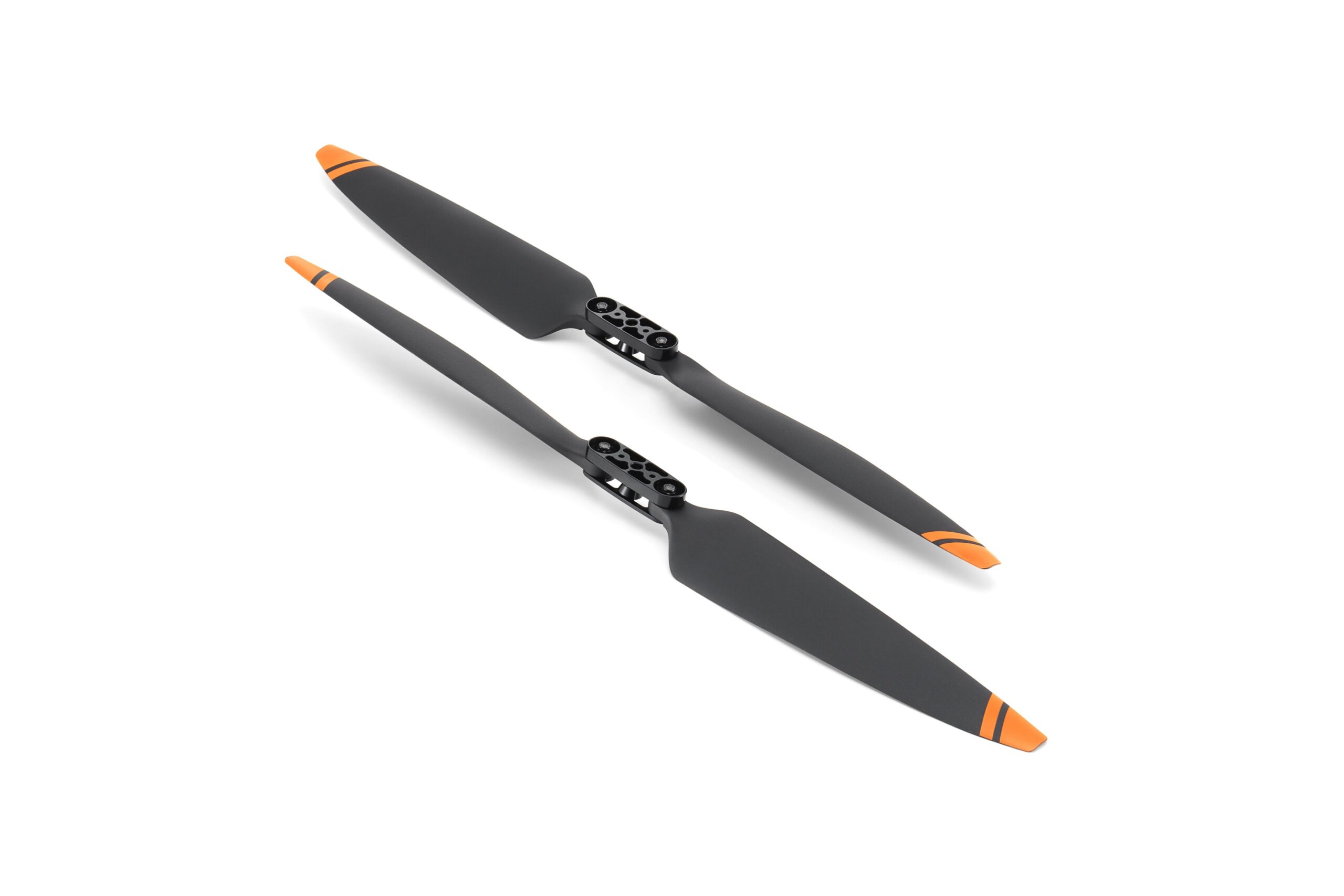
DJI offers 2112 High-Altitude Low-Noise Propellers for Matrice 350 RTK work at challenging site elevations. The purpose is not to give every aircraft more thrust and battery life under all conditions. Thinner air reduces rotor thrust margin, and the manufacturer publishes a maximum operating altitude versus takeoff-weight envelope for 2112 and standard 2110s propellers. This is an operational choice for a defined aircraft mass, site elevation and weather—not a universal upgrade.
The chart in the DJI Matrice 350 RTK user manual makes the trade-off visible: the 2112 configuration can operate in a higher-altitude part of the envelope, but its allowed takeoff mass is lower than the standard 2110s configuration in other parts of the envelope. A mission with heavy sensors or multiple gimbals cannot simply select the propeller with the larger altitude number and assume the rest of the payload plan is unchanged.
Calculate the mission before swapping propellers
- Record the real takeoff mass. Include the aircraft, paired TB65 batteries, all payloads, mounts and cables. Do not estimate the payload from its catalogue weight alone.
- Use site elevation and forecast conditions. Check the geographic elevation above sea level, temperature, forecast wind and gusts. Hot days can further reduce available air density; do not mistake a nominal ceiling for an assured margin.
- Read DJI’s flight-envelope chart. Plot the planned takeoff mass against the mission’s altitude and choose the approved propeller configuration inside the published envelope. Read the operating limitations and applicable flight permissions separately; technical ceiling is not airspace authorisation.
- Inspect the entire matched set. Confirm approved propeller hardware and screws, clockwise/counterclockwise positions, motor condition and normal free rotation. Do not mix 2112 and 2110s blades on the same aircraft; use the model-specific replacement procedure and fresh fasteners where DJI requires them.
- Plan conservatively for the return leg. Account for wind, cold battery performance, braking and acceleration margin. DJI warns that braking and acceleration ability decrease near the flight-altitude limit.
- Run a controlled preflight. With propellers installed per the manual, follow the full field checklist and abort before launch if there is unusual vibration, power warnings, damaged blades or an unverified payload mass.
For engineering review, keep a one-page record of the takeoff mass, site elevation, chosen propeller model and the exact DJI chart/revision used. That is more defensible than simply recording “high-altitude propellers fitted”.
2110s versus 2112: three real procurement scenarios
| Mission case | What matters most | Useful decision |
|---|---|---|
| Low-altitude inspection with heavy payloads | Approved total mass and stable propulsion margin | Evaluate the standard 2110s configuration first |
| Mountain survey with lighter sensor stack | Site elevation, wind and reduced air density | Check whether 2112 extends the approved flight envelope at the actual takeoff mass |
| Mixed fleet with both propeller models | Traceability and avoiding inadvertent mixing | Label sets, record the airframe configuration and verify all four positions before flight |
For a broader installation and inspection checklist, see our published guide to genuine DJI propeller identification and safe replacement. For Matrice 350 specifically, the certified 2112-versus-2110s altitude and payload limits must come from the enterprise aircraft’s own DJI documents; this article focuses on operating in thinner air.
Use the official Matrice 350 RTK user manual and downloads for the original weight-versus-altitude figure and current service instructions; third-party calculators are not substitutes for DJI’s approved flight envelope.
Common mistakes before a mountain deployment
Forgetting that ceiling is above sea level: a route launched at 4,500 m elevation already operates near the 5,000 m standard-propeller reference ceiling, even if the mission never climbs very high above the takeoff point. Assuming lighter props always save power: compare the actual manufacturer-approved mass-altitude envelope and expected performance; rotor geometry changes are not a universal endurance boost. Mixing 2110s and 2112: DJI prohibits operating the aircraft with different propeller models simultaneously. Keep a complete matched set for each airframe.
High-altitude operations also expose temperature and wind limitations: TB65 packs can have different usable power at low temperature and return-to-home margin can shrink in gusts. Document a conservative flight route and an abort rule before launching at a mountain site. The aircraft’s published service ceiling never overrides local airspace permissions.
The choice in three field conditions
- Low-elevation mission with substantial payload: assess the standard 2110s configuration and full aircraft takeoff mass first; do not assume 2112 will improve every metric.
- High-elevation site with a lighter verified payload: check the DJI 2112 altitude-and-weight envelope against the measured aircraft mass, not merely the camera’s advertised weight.
- Unknown motor or blade damage after transport: inspect and service the affected component before the mission. A high-altitude propeller is not a remedy for a cracked standard propeller or damaged motor.
High-altitude propeller FAQ
Can 2112 take any Matrice 350 to 7,000 m?
No. DJI’s altitude specification is tied to the approved aircraft configuration and takeoff-weight conditions. Check the relevant manual chart, actual mass and site environment.
Can an operator combine 2112 and 2110s?
No. DJI explicitly disallows mixing propeller models on M350 RTK. Fit one complete manufacturer-approved type.
Does 2112 remove the need for high-altitude flight planning?
No. Lower air density, payload, battery temperature, wind and safe return reserve still affect the mission. The flight ceiling is not an assurance of legal authorisation.
Official operating references
Check DJI’s Matrice 350 RTK specifications, propeller-mixing and maintenance FAQ and approved manuals and altitude charts. The matched genuine propeller set is available on FalconFly’s 2112 High-Altitude Propellers product page. Use the actual aircraft’s approved performance envelope when specifying the mission.