Matrice 350 RTK Low-Temperature Takeoff: TB65 Warm-Up, Battery Mixing and Propeller Limits

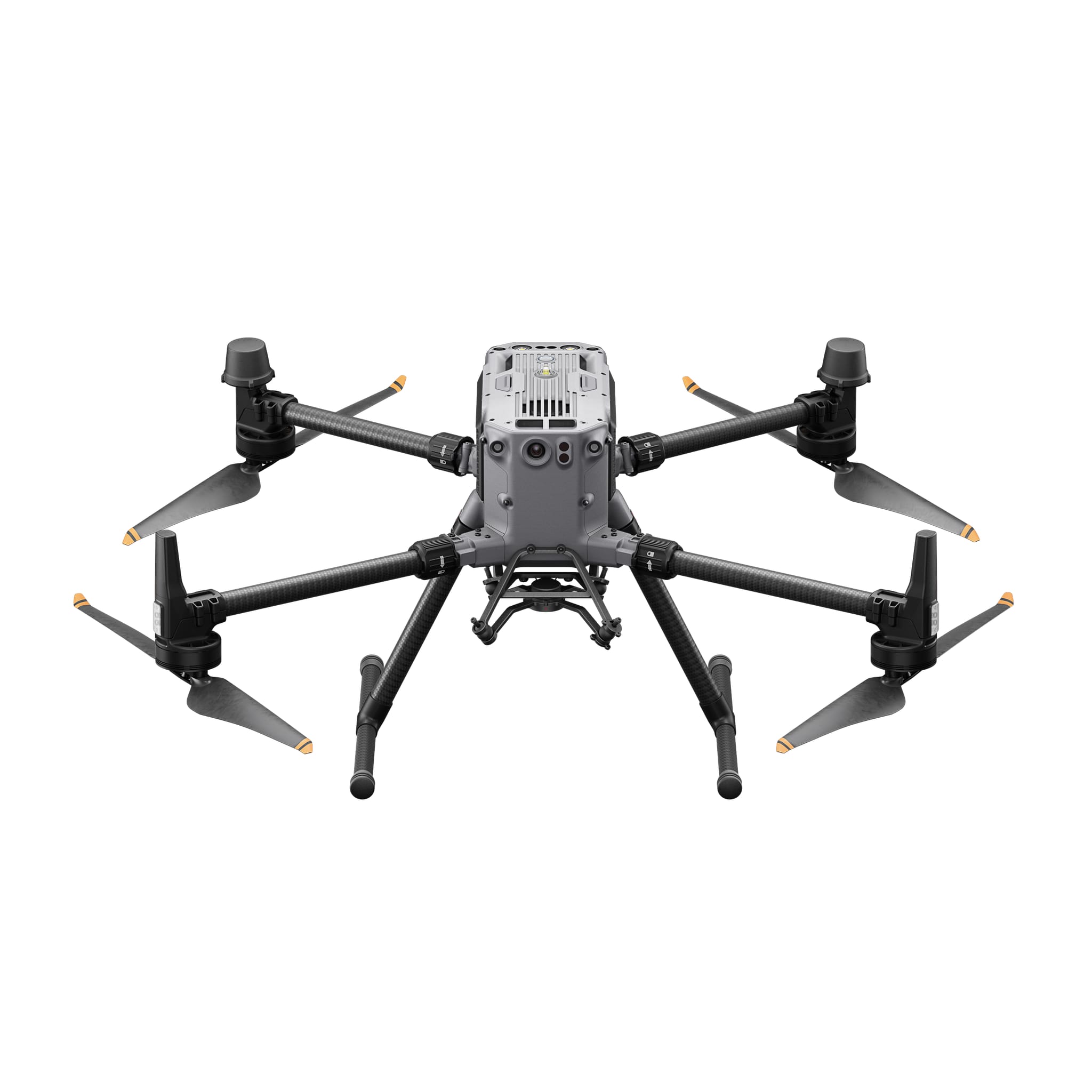
The Matrice 350 RTK is designed for demanding field work, including cold sites, but the existence of a low operating temperature in the brochure does not mean a cold battery can deliver its normal warm-weather endurance. DJI’s own FAQ says TB65 lithium-ion packs have a controlled heating system and specifically warns operators to plan for reduced flight time at low temperature. It also sets important limits on mixing battery generations and propeller types.
Why a TB65 can take time before charging or flying
DJI specifies the TB65 operating temperature range as −20°C to 50°C, but recommends keeping the pack above 15°C before flight for optimal performance. When charging in approximately −20°C to 5°C conditions, the TB65 can automatically heat before starting normal charging. When installed in the powered aircraft in cold weather, it can warm itself to about 16–20°C. Expect a delay and extra energy demand rather than forcing a takeoff simply because the battery percentage appears high.
TB60 and TB65: compatible does not mean mixable
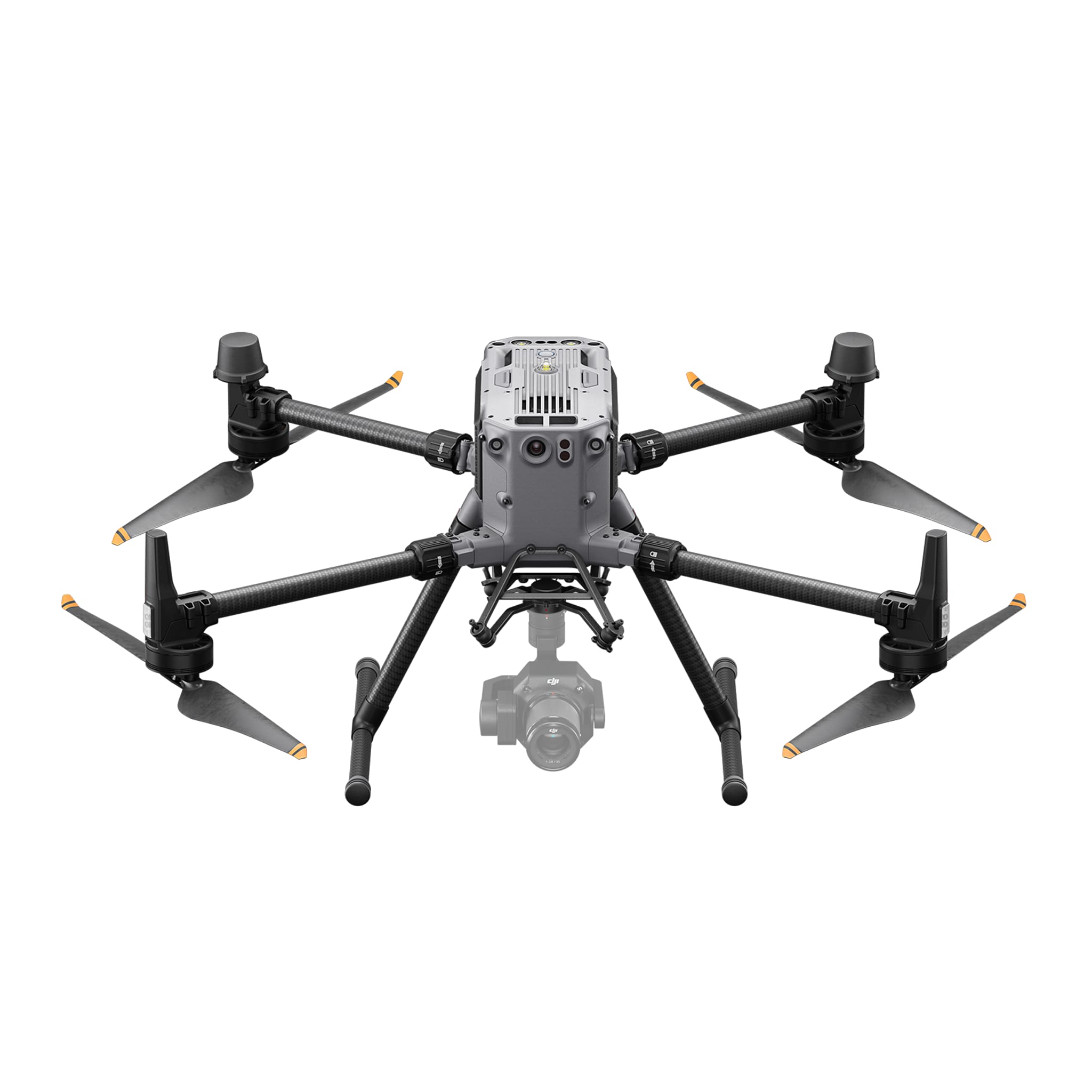
DJI says the Matrice 350 RTK can operate with TB60 batteries, but you must use two TB60 packs together or two TB65 packs together. Mixing TB60 and TB65 within the same flight is not supported. Check each pack’s exact model and health status before inserting a pair; do not select batteries merely because both physically fit the battery bays.
A quick operating checklist
- Verify a matched pair. Confirm both battery models, firmware state and physical integrity; reject damage or abnormal temperature.
- Plan heating time. Make room in the schedule for battery self-heating when conditions are below DJI’s recommended warm-up thresholds.
- Check remaining capacity under load. Do not promise brochure endurance on a cold site with heavy gimbal payloads.
- Confirm propeller type. DJI lists standard 2110s and optional 2112 high-altitude low-noise propellers. Never mix types on one aircraft.
- Inspect propellers and fasteners. DJI requires replacement screws during propeller changes and recommends threadlocker 243 on the new screws, according to its instructions.
- Verify RTK reference. Confirm FIX and matching coordinate system if delivering a georeferenced survey; no position icon substitutes for independent checkpoints.
- Assess environment. The aircraft is IP55 rated, but IP effectiveness declines with wear, and DJI says avoid rainfall heavier than 100mm per 24 hours. Ice, gusts and poor visibility add separate flight risks.
The propeller altitude limit can surprise customers
| DJI M350 configuration | Published maximum flight altitude (ASL) | Weight condition |
|---|---|---|
| 2110s standard propellers | 5,000m | Takeoff weight ≤7.4kg |
| 2112 high-altitude low-noise propellers | 7,000m | Takeoff weight ≤7.2kg |
These are DJI’s rated limits, not permissions to fly at those altitudes or guarantees of performance under every temperature, wind or payload condition. The maximum mass condition is also lower for the high-altitude propeller configuration. Plan with the actual airframe, battery, gimbal and all added accessories.
Does Matrice 350 require a special battery station?
The DJI BS65 stores eight TB65 batteries but charges only two TB65 packs simultaneously, with a particular queue order. A cold, high-turnover site should plan spare packs and heating periods rather than assuming every station slot is a live charging channel.
FAQ: Why is one battery heating but the other not?
Battery thermal behaviour depends on each pack’s measured temperature and charge state. Do not interpret that alone as a defect, but investigate asymmetric warnings or large state-of-health differences before flight. Consult the latest DJI manual and keep qualified technicians responsible for hardware faults.
Related FalconFly guide
For broader practical context, read our DJI intelligent battery behaviour and safe storage guide. It complements this product-specific troubleshooting workflow.
DJI sources
DJI M350 FAQ — TB65 heating, battery mixing and propeller types and M350 altitude, weight and performance specifications.