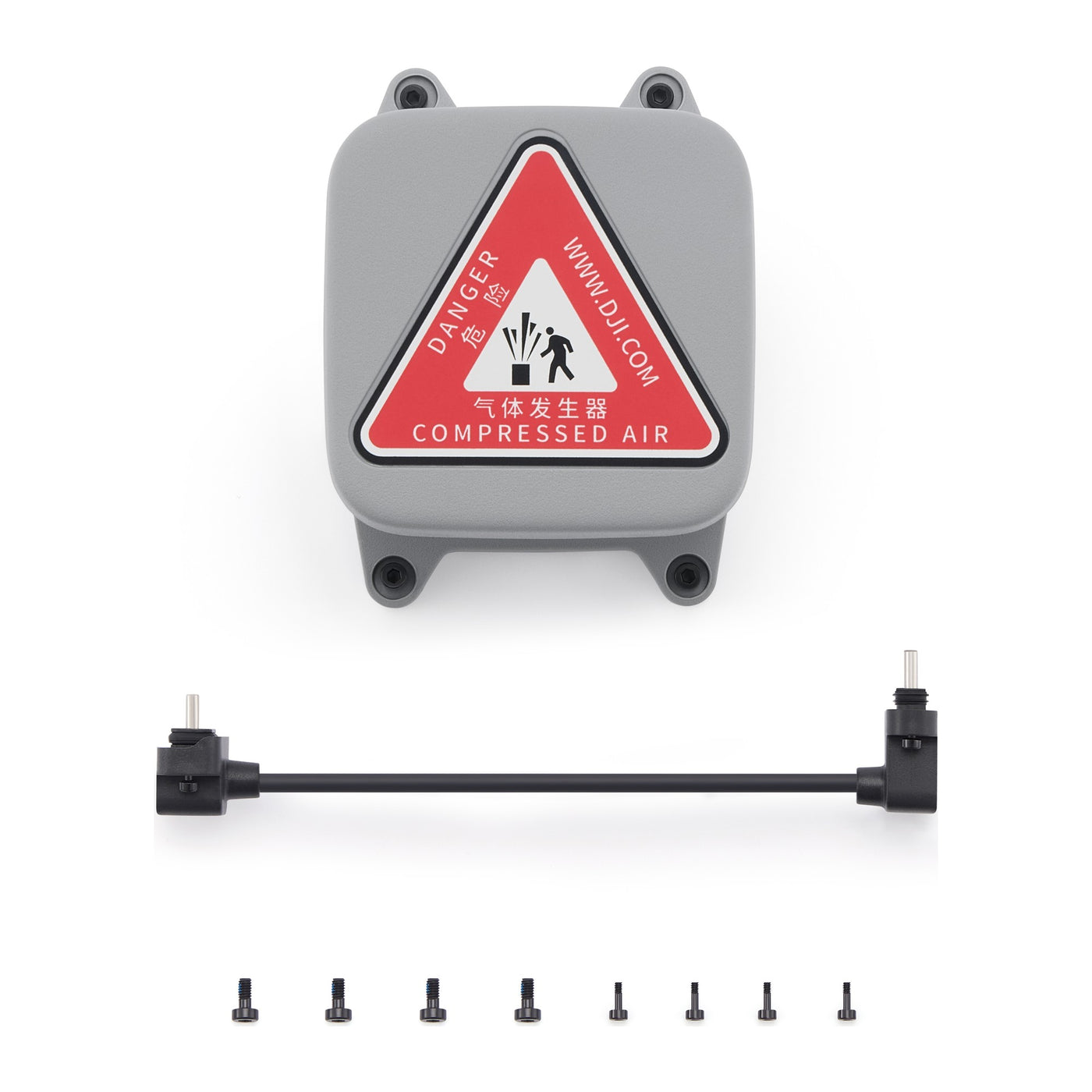
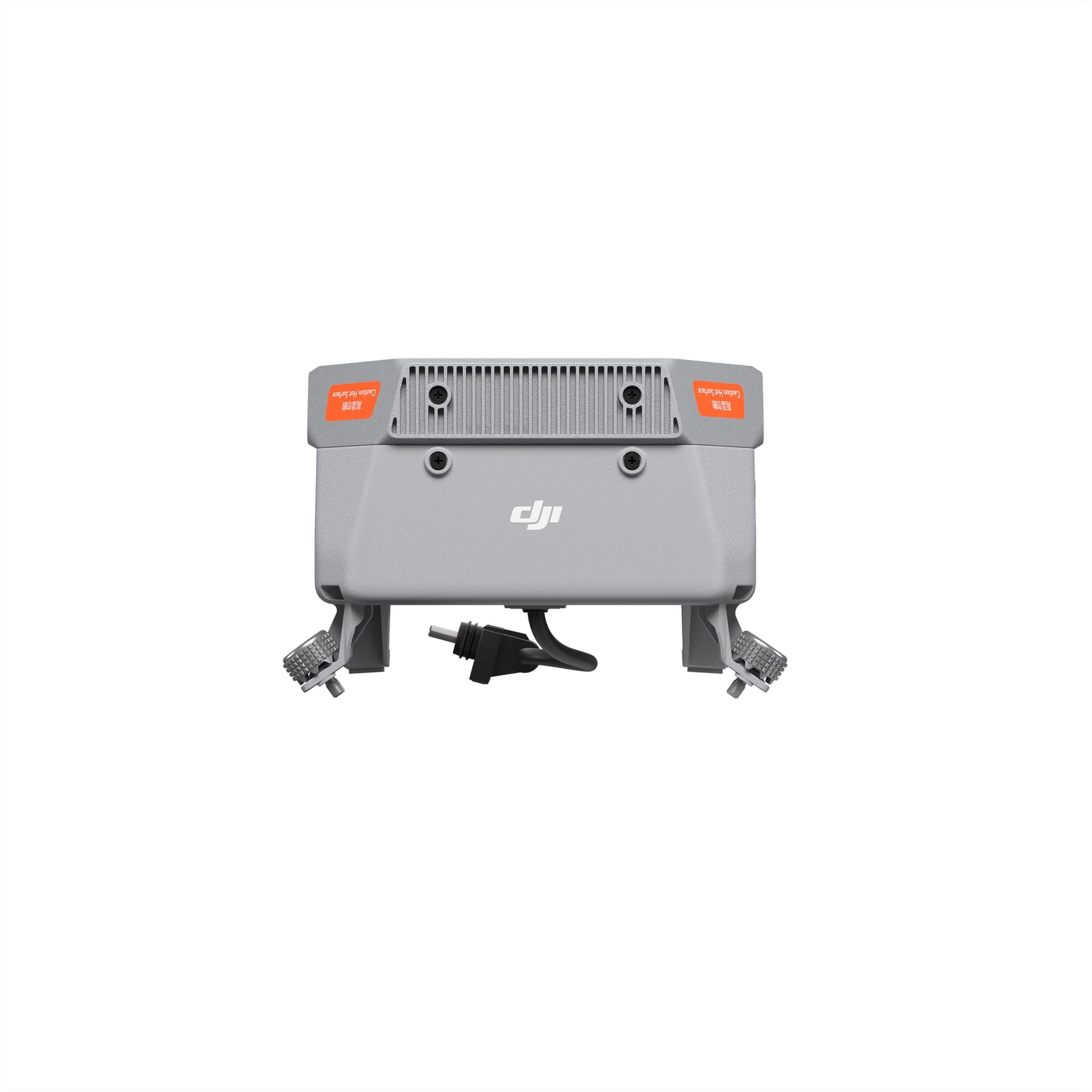
D-RTK 2 Mobile Station: RTK Fix Does Not Guarantee a Correct Survey Datum

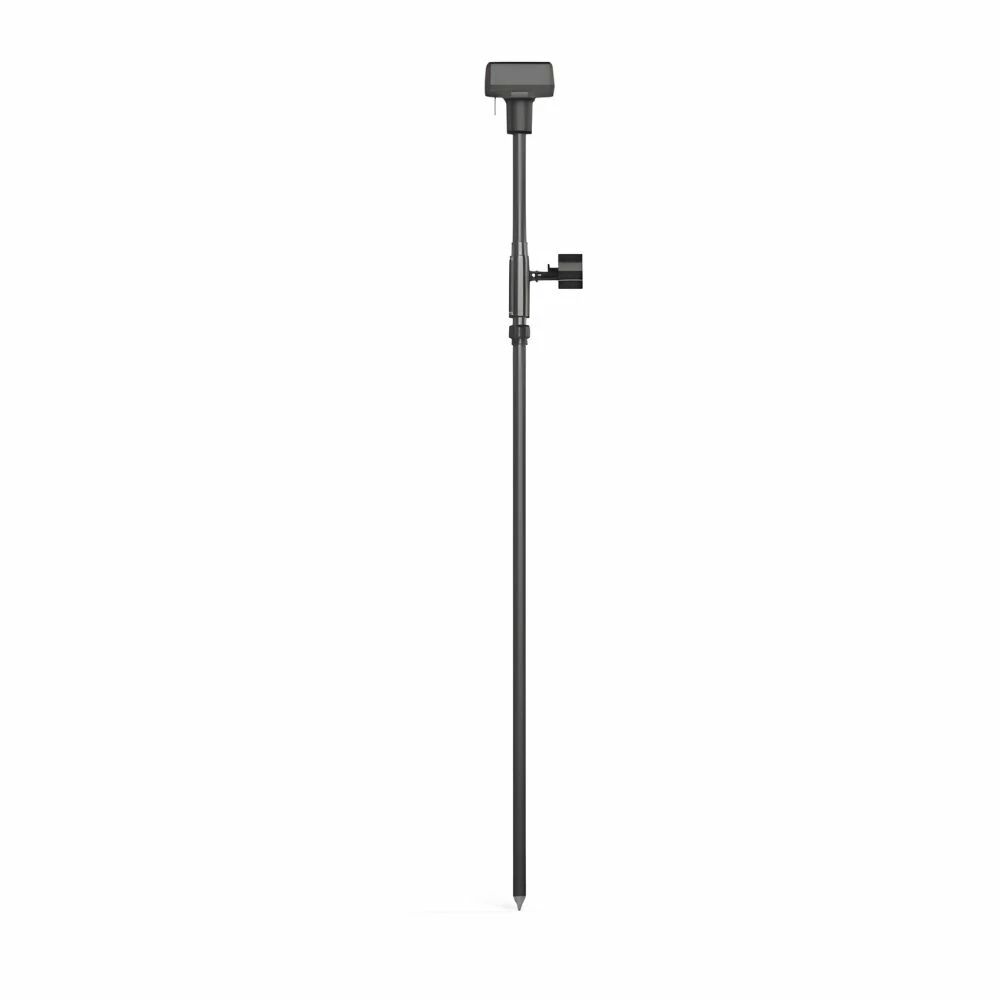
A mapping mission reports RTK FIX but the finished map has a constant offset. With DJI D-RTK 2 Mobile Station, the sensible starting point is to isolate the operational question before spending money on a replacement part. These checks focus on the specific unit, its compatible aircraft or power system, and evidence you can collect safely in the field.
Why the model number matters here
The name printed on the equipment, the installed firmware and the compatible drone family tell a more reliable story than the external shape. For DJI D-RTK 2 Mobile Station, even small changes to the surrounding system—battery type, radio mode, attached payload or charging source—can change what constitutes normal operation. Always compare what the app actually reports with the corresponding manufacturer’s reference; a light, beep or percentage by itself rarely establishes a root cause.
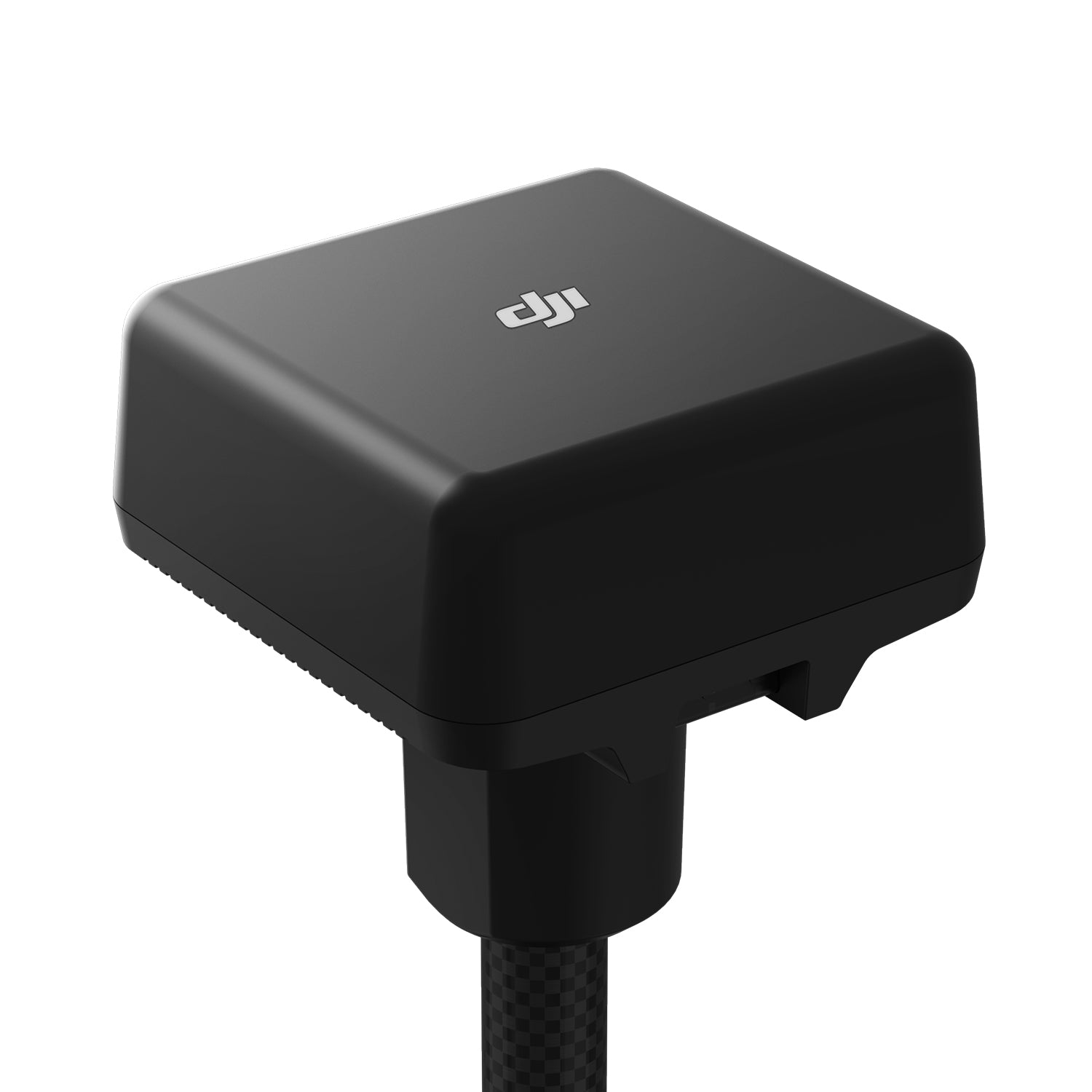
Field diagnosis: follow the evidence in order
- Identify the exact configuration. Verify the station coordinates and reference frame rather than treating FIX as absolute-position proof.
- Test the documented connection. Inspect antenna placement, sky visibility and correction-link quality at the actual work site.
- Review operating conditions. Check that the rover and base use compatible correction modes, data formats and firmware.
- Decide when to stop. Validate at a surveyed control point before the main mission; retain base coordinates in the project record.
Record which combination was tested, the firmware revisions and the exact warning text, if any. If a symptom changes after exchanging more than one component at once, the result is not a reliable diagnosis. Revert to the last known-good configuration and change one variable per test. Perform all power-on checks that could affect propulsion with the aircraft safely secured, following the manufacturer’s servicing guidance.
Quick interpretation table
| What you notice | What to verify next | Buying implication |
|---|---|---|
| Unexpected status or warning | Exact model, firmware and documented setup | Do not order hardware until the configuration is confirmed. |
| Intermittent operation | Connection integrity, environment and whether the failure follows one component | Replace only an identified damaged or incompatible item. |
| Everything appears normal after a reset | Repeatability over a controlled ground check and recorded operating conditions | A temporary recovery is not proof that the fault has been cured. |
What not to assume
A stable relative RTK solution can still be offset when the base coordinates were entered incorrectly. That distinction becomes particularly important on commercial operations: an unsupported workaround can create a new fault, invalidate the test, or conceal a genuine safety issue. Use the source documents for version-specific thresholds and never extrapolate a specification from another aircraft generation just because its accessory looks similar.
Before buying or returning this item
Check the exact listing for DJI D-RTK 2 Mobile Station and compare the part number, firmware support and every component already in your kit. Write down the symptom, the combinations that have been tried and the measured conditions. A well-documented fault report helps the supplier distinguish an unsuitable accessory from one that genuinely needs service. For operational teams, it also prevents unnecessary downtime caused by ordering a similar-looking but incompatible variant.
Plan one conservative ground test after installation, followed by the manufacturer’s recommended functional checks. If the item directly affects aircraft handling, propulsion, power or emergency equipment, resolve any uncertainty before takeoff rather than treating the next mission as a troubleshooting flight.
Frequently asked questions
Does a successful power-on mean the item is compatible?
Not necessarily. Electrical power and a recognised status are different from complete mechanical, software and operational compatibility. Check the documented supported combination.
Should I update every device immediately?
Use a version-controlled approach: read the specific release notes, ensure compatible aircraft and accessory revisions, and record the previous known-good setup. Avoid changing firmware during a live mission.
When should I stop testing?
Stop on unexplained heating, physical damage, repeated critical alerts or unreliable flight-control behaviour, and seek qualified service.
Original manufacturer reference
Specifications and compatibility checks should be cross-checked against DJI’s official technical guidance. For stock, the exact variant and appropriate accessory selection, see DJI D-RTK 2 Mobile Station at FalconFly UAV.