DarkStar16 O4 Pro TinyWhoop: Cooling a Compact DJI Video System Safely

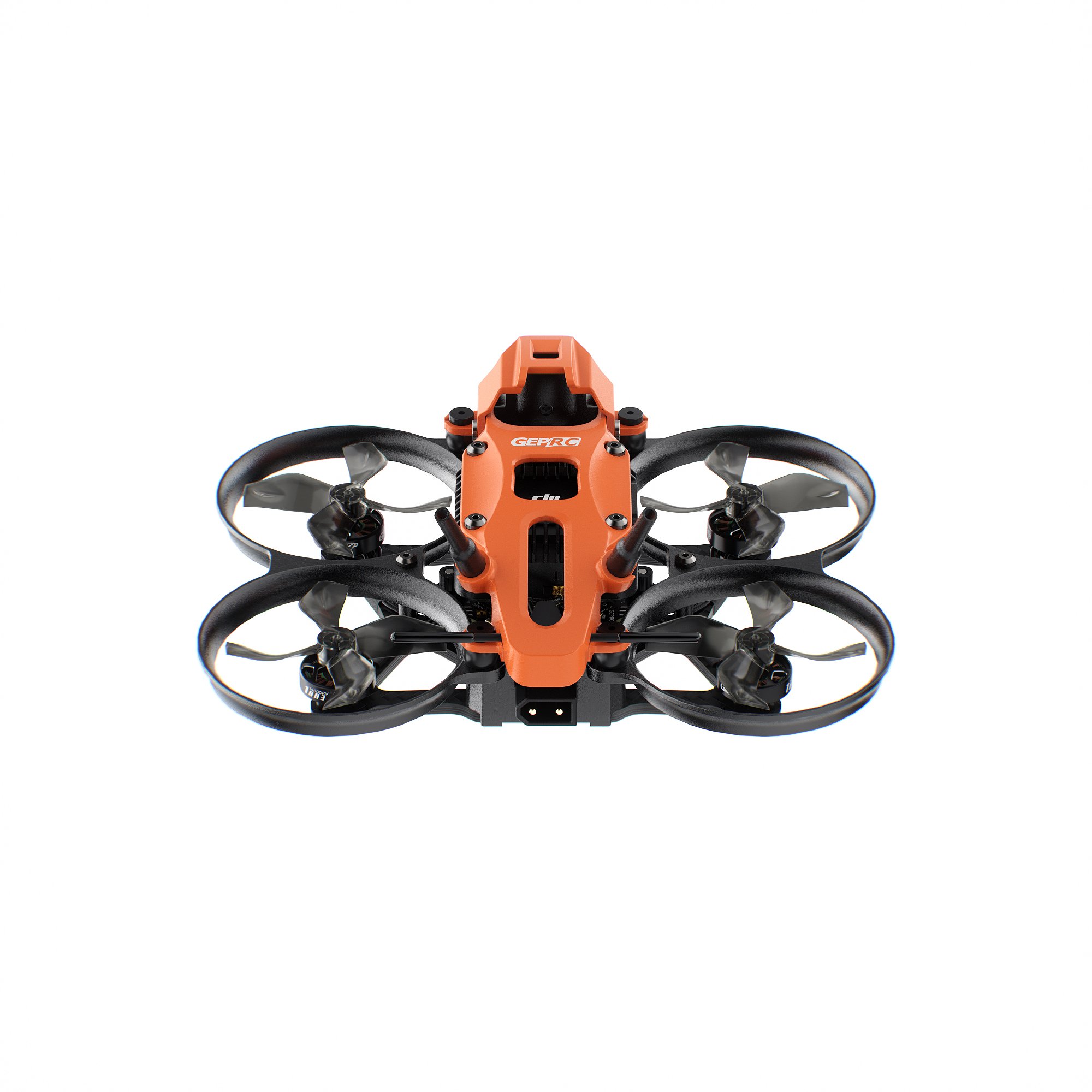
A GEPRC DarkStar16 O4 Pro powers up normally on a 2S LiHV battery, binds to DJI goggles and shows a clear live image. After several minutes stationary on the bench, the video unit becomes hot and the pilot suspects the 2S battery is too powerful. The first question is not the cell count: the DarkStar16 is designed by GEPRC for a 2S LiHV 530mAh pack. The more likely distinction is between normal airflow in flight and the cooling conditions of an O4 Air Unit Pro operating stationary inside a tiny 1.6-inch frame.
Understand the unusually compact O4 Pro build
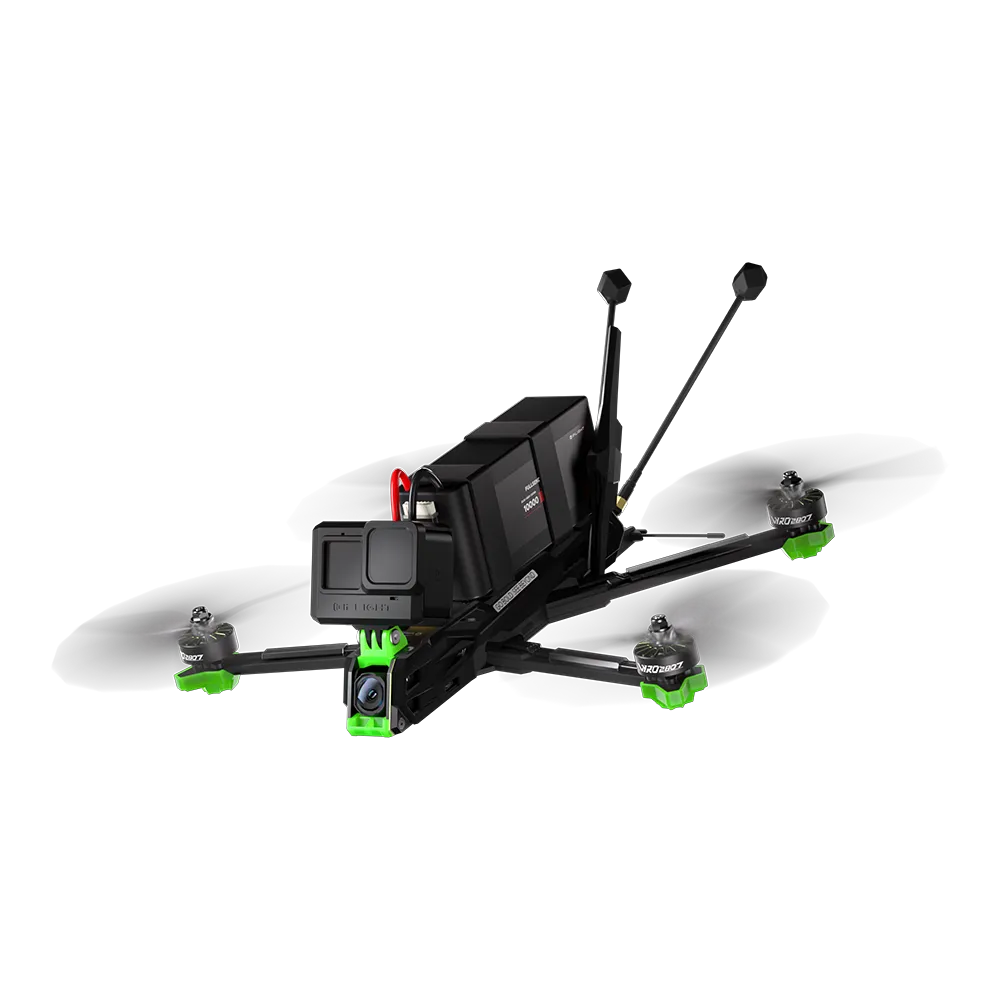
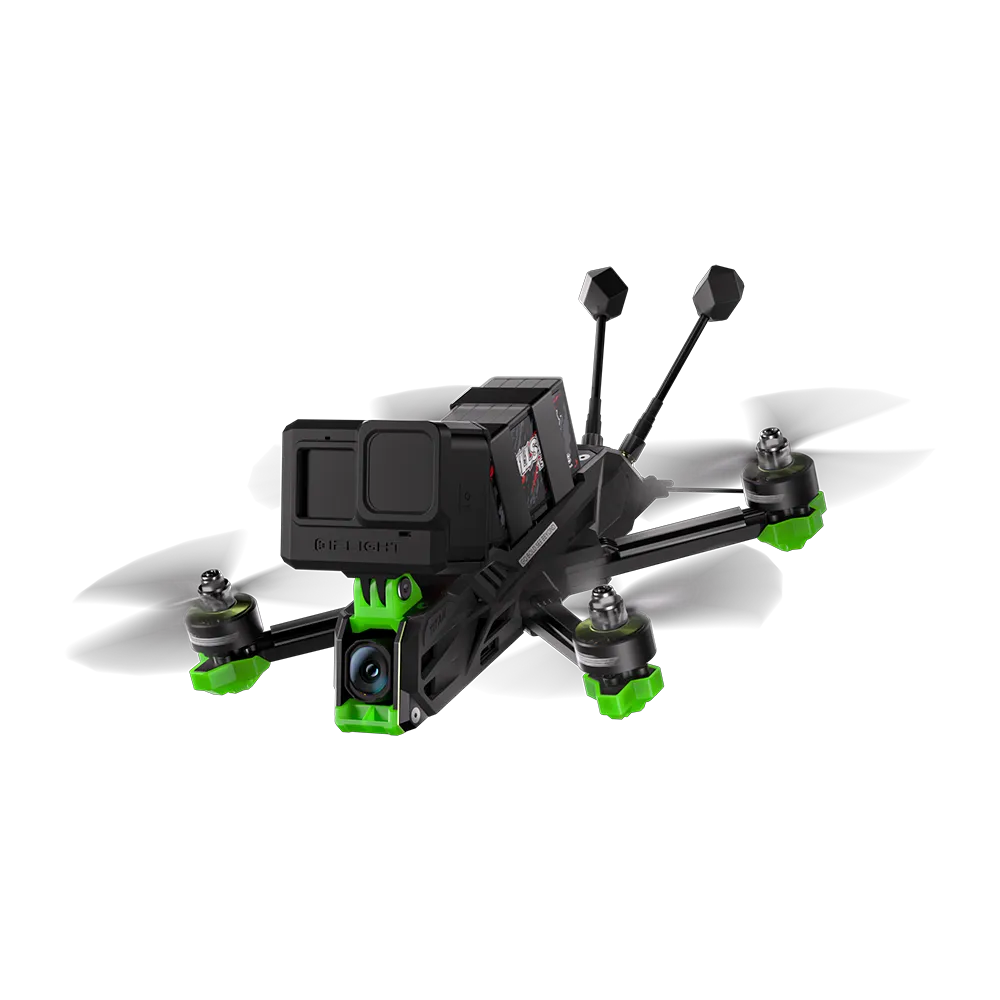
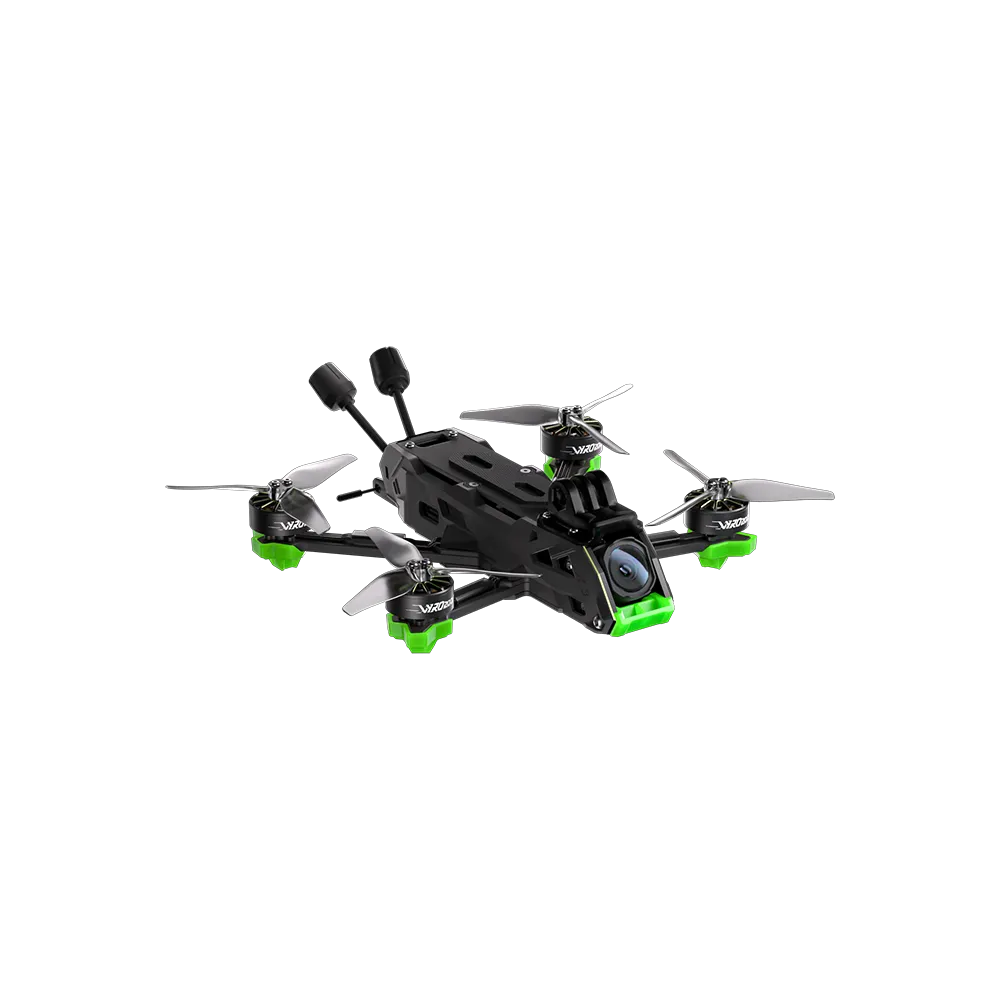
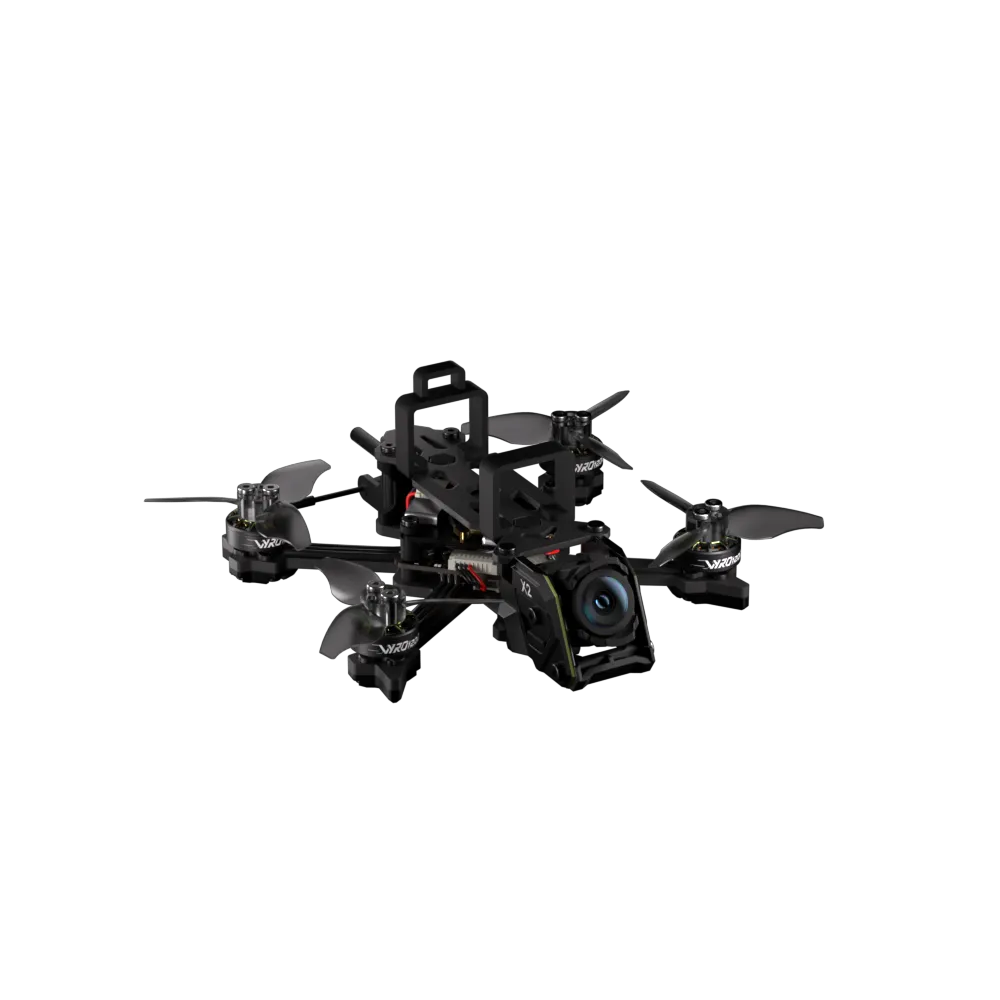
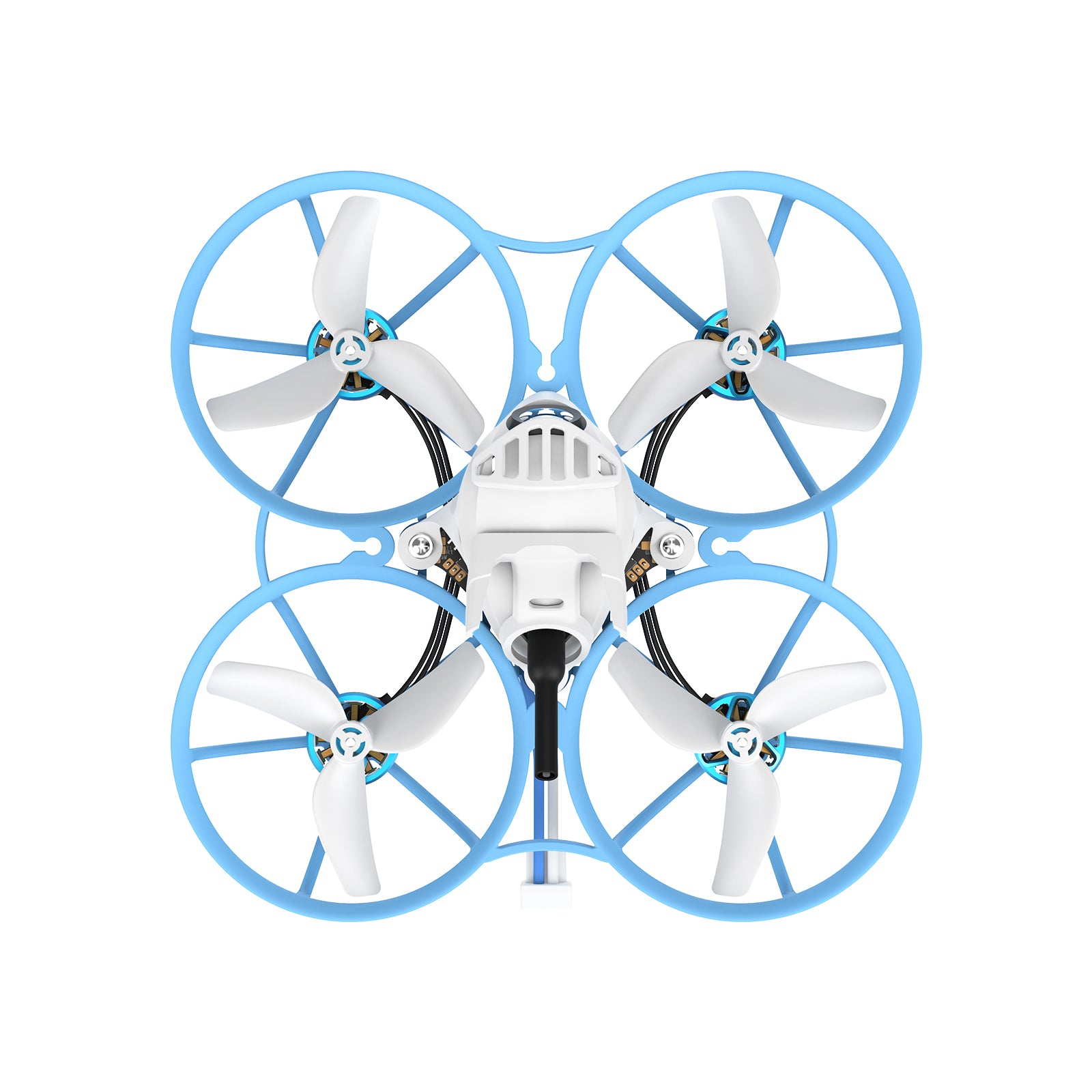
FalconFly’s GEPRC DarkStar16 O4 Pro TinyWhoop uses the GEP-DS16 frame with 91mm wheelbase, a TAKER F411-12A-E 1–2S AIO, and DJI O4 Air Unit Pro transmitter/camera. GEPRC’s own model specification lists SPEEDX2 1003 14800KV motors, Gemfan 1636-4 four-blade props, an XT30 fixed power connection and about 86g ±5g aircraft weight for the PNP version. The manufacturer reports four minutes in its controlled slow indoor cruising test with the recommended 2S 530mAh LiHV pack.

A four-minute gentle-cruising reference is not a promise that high-throttle indoor freestyle or repeated takeoffs will last four minutes. Endurance changes with pilot style, battery condition, weight, temperature and firmware behaviour. Likewise, the air unit’s heat during a powered ground test is not directly comparable with its operation in airflow during a normal flight.
What is heating: flight controller, ESC, battery or O4?
| Observation | Possible layer | What to inspect |
|---|---|---|
| Image freezes or digital transmitter warns during long idle | O4 Pro thermal management or power path | Stationary duration, airflow, O4 status, supply voltage and manufacturer warnings |
| Flight controller reboots while goggles stay linked | AIO voltage regulator or FC power | 2S battery sag, XT30 solder/connector, regulator load and logs |
| Motor or ESC hot after aggressive flight | 12A ESC, motor, propeller load or tuning | Wrong props, motor bearing drag, D-term noise and actual current |
| Video jello rather than dropout | Mechanical resonance and camera mounting | Four-point damping balls, screws, prop balance, frame stress |
| Battery unusually hot or swelling | Unsafe pack condition or high-load operation | Stop using that pack and follow LiHV battery safety procedures |
Why O4 Pro cooling is different on the bench
Digital video transmitters perform continuous radio/video processing even when the motors are stopped. DJI’s O4 Pro can run high-quality video and needs sufficient thermal management. On a tiny enclosed whoop, natural convection at a stationary bench may be worse than cooling airflow during flight. A long, motionless setup session with the VTX powered can therefore cause heat-related warnings or behaviour without proving that the air unit has failed.
Use short, necessary powered checks, avoid running high transmission loads for prolonged periods without manufacturer-recommended cooling, and follow DJI’s firmware and thermal protection guidance. Do not direct a heat gun or improvised heater onto the video unit, block its ventilation, or leave the aircraft unattended with a LiHV pack attached. If active bench cooling is used, ensure it cannot contact propellers or draw conductive debris into electronics.
Why switching to a larger battery is not an automatic thermal fix
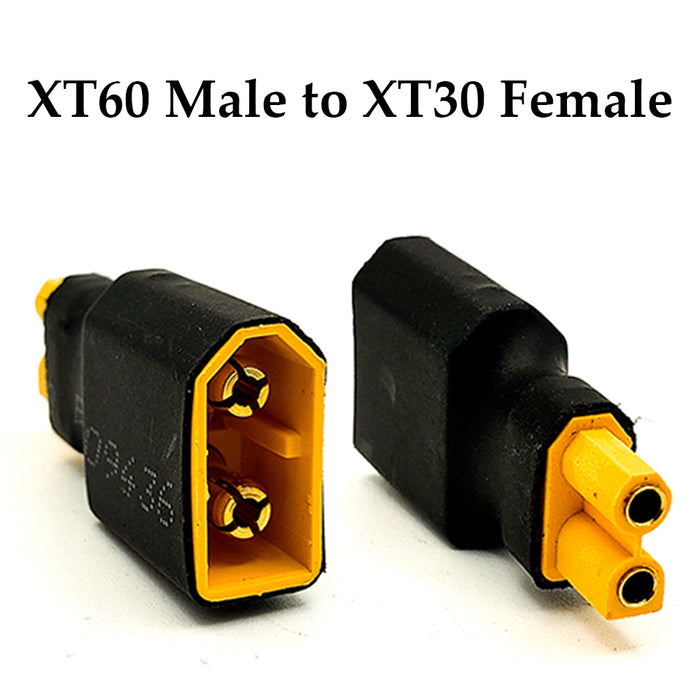
GEPRC recommends LiHV 2S 530mAh. A larger 2S battery may provide more capacity but also extra mass, a different mounting shape and changed thrust requirements. An unsupported 3S pack is not a solution: the specific AIO is a 1–2S design. Connecting 3S to a 1–2S board risks electrical damage even if an XT30 plug mates successfully. The O4 video subsystem and the flight controller can have different internal power expectations, but the safe battery choice must respect the complete aircraft configuration.
Do not conflate LiPo and LiHV charger end voltages. A 2S LiHV pack may be designed for a higher per-cell charge voltage than ordinary LiPo, and it requires the correct charger program. Verify battery label, cell count, safe charge current and balance lead before charging; a USB-C cable for a drone component is not a direct LiHV charger.
The damping system and heat path are separate issues
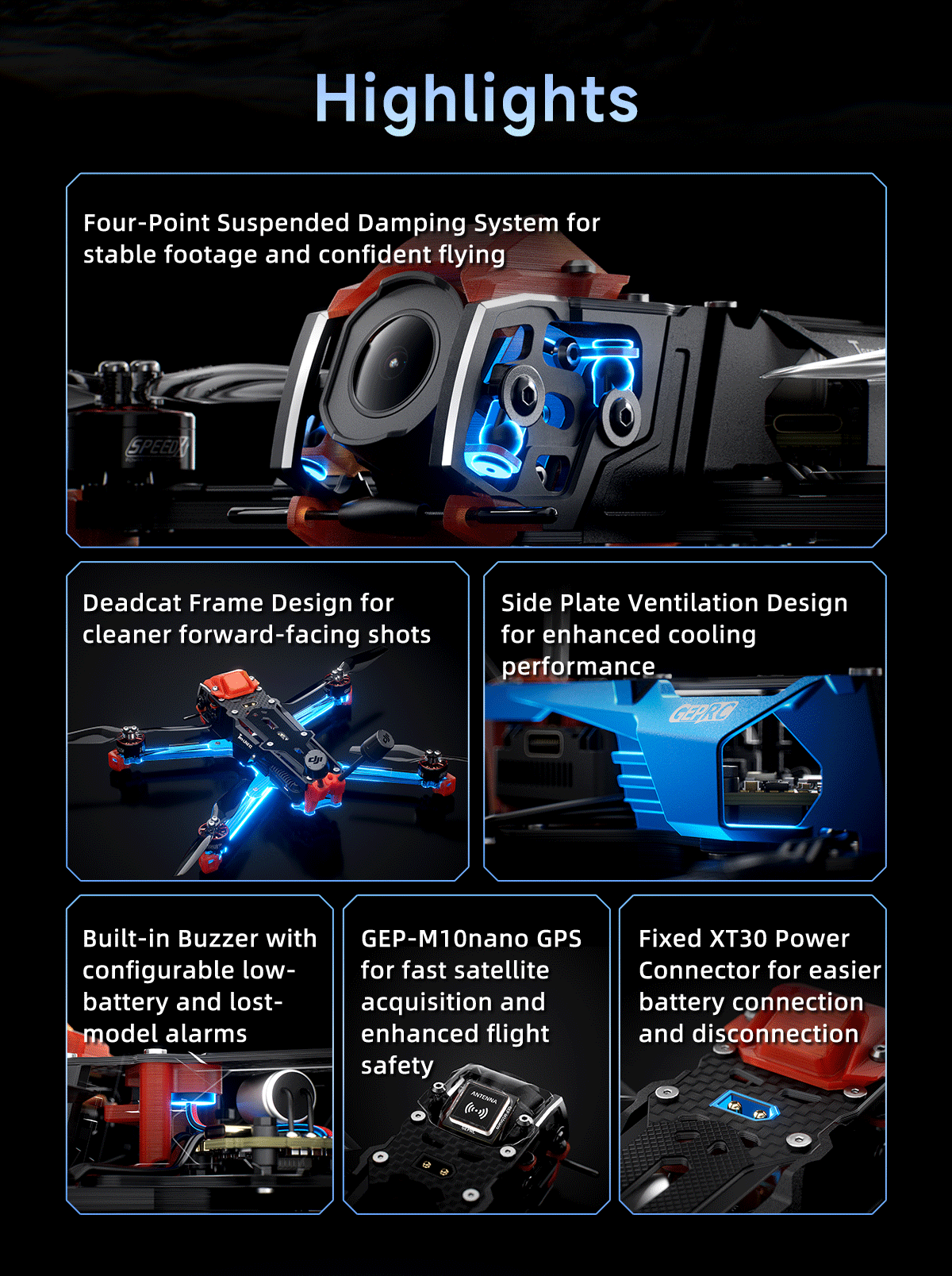
GEPRC advertises a four-point damping ball system for the O4 assembly to reduce vibrations transmitted to the recorded footage. Damping can improve camera smoothness, but it should not be treated as a heatsink or cooling path. Excessively compressing, replacing or misaligning the supplied vibration dampers can create new jello or allow the video module to touch hard frame parts. If the module overheats or drops video only after assembly, check cable pinching and accidental enclosure contact rather than removing every damping component.
GEPRC’s modular design allows access to the VTX assembly by removing the appropriate six screws. This is a service feature, not permission to operate the module exposed or with missing mounting hardware. Disconnect the flight pack and allow electronics to cool before any mechanical inspection.
Seven safe tests for a hot DarkStar16
- Record the exact model. Confirm O4 Pro-equipped DarkStar16 rather than the WTFPV version sold without a digital VTX.
- Verify power: use the recommended 2S LiHV system, inspect XT30 contact quality, and reject damaged or swollen packs.
- Remove propellers for bench setup: inspect antenna and VTX mounting before applying power. A missing or damaged RF antenna can cause a separate radio failure.
- Keep powered checks brief: note the time until any O4 temperature warning or video symptom, and use only appropriate safe cooling conditions.
- Separate the fault type: distinguish O4 video freezing from flight-controller resets, blackbox/OSD problems and ESC brownouts.
- Inspect the damping assembly: confirm the four dampers and mounting screws are not crushed, loose or allowing cable movement against sharp edges.
- Compare in supported operation: after proper inspection, evaluate actual temperature warnings and video quality during a normal short authorised flight, using a conservative battery return threshold.
When professional service is appropriate
If the O4 module overheats unusually quickly under documented normal conditions, if the camera cable is damaged, or if a correctly powered AIO reboots repeatedly, keep the aircraft grounded and preserve the evidence. Repeated high-power tests with an unexplained fault may worsen damage. For a modular repair, identify the exact DarkStar16 board, O4 unit, camera cable and damping hardware rather than sourcing a visually similar DarkStar22 or DarkStar25 part.
Manufacturer sources and product
GEPRC’s DarkStar16 O4 Pro specification confirms the 1–2S AIO, 2S 530mAh LiHV, 12A ESC, 1003 motors, damping system and four-minute test. Its DarkStar16 firmware and manual page provides model-specific resources. For O4 system operating limits see DJI O4 Pro specifications. Review the compatible DarkStar16 O4 Pro at FalconFly and our O4 bench overheating troubleshooting guide.