DJI Lito X1 Standard Battery: What to Check Before a Cold Morning Flight

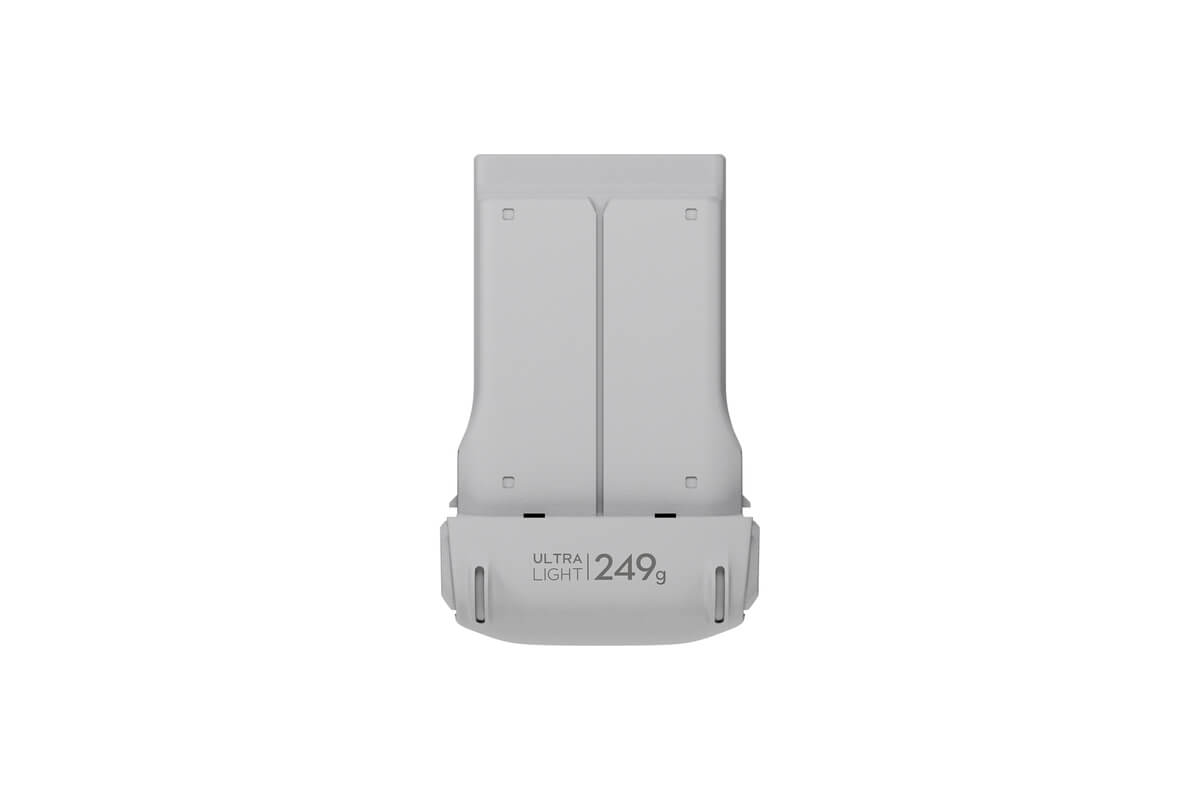
Your DJI Lito X1 battery was left in a cold vehicle overnight. In the morning, the charger seems inactive or the pack takes longer than expected to reach full charge. Before buying another pack, check its temperature and the actual DJI charging method. The Lito X1 standard Intelligent Flight Battery is 2,788mAh, 19.52Wh and approximately 74g, with DJI’s specified 5–40°C charging range. The aircraft’s ability to fly in cold air does not mean a battery outside that charging window can be safely forced to accept current.
Identify the standard Lito X1 battery and its real limits
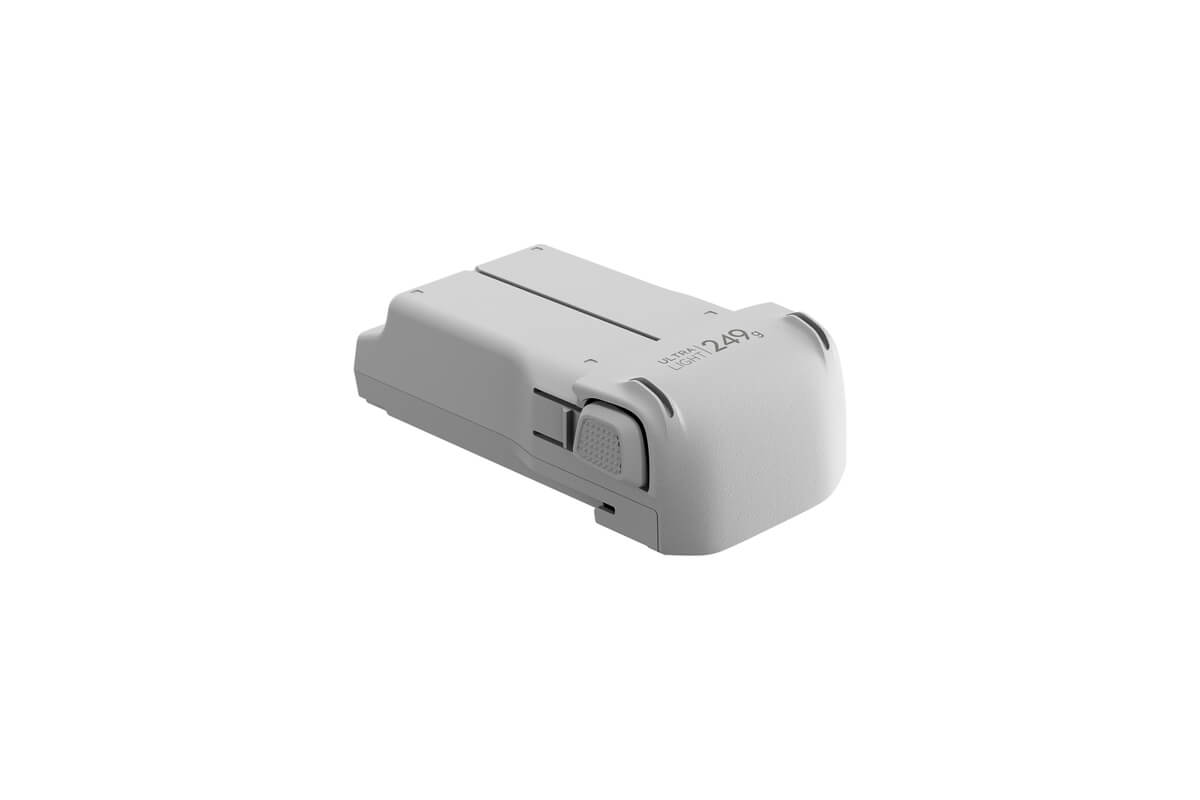
The DJI Lito X1 Intelligent Flight Battery (Standard) uses DJI’s smart lithium-ion charge-management system. Its published capacity is 2,788mAh, energy 19.52Wh and mass approximately 74g. It is not the same part as Lito 1’s 2,590mAh / 18.96Wh / approximately 79g standard battery or the heavier 4,680mAh / 33.51Wh / approximately 118g Battery Plus. The X1’s standard pack is the reference configuration for DJI’s up-to-36-minute flight-time claim under controlled conditions, not a guarantee for every cold-weather filming session.
Cold-site charging: what each observation means
| Observation | More likely explanation | Safe response |
|---|---|---|
| Pack just came from a freezing vehicle | Cell temperature may be below the 5°C minimum charging limit | Allow the complete pack to warm naturally to a supported range |
| Pack is warm after a strenuous flight | Temperature protection may delay charging | Wait for natural cooling and check for other abnormal conditions |
| Battery shows less charge after a week stored unused | DJI’s intentional automatic self-discharge | Charge appropriately before the actual mission, not continuously during storage |
| No pack will charge on one USB-C supply | Under-rated PD adapter, defective cable or incompatible charging hub | Test a known-good original power path before replacing batteries |
| One pack is repeatedly unrecognised | Connector, pack electronics, abnormal cell state or possible damage | Ground the suspect pack and seek qualified assessment |
| Battery casing is swollen or leaking | Potential cell failure | Stop use and charging; handle under approved battery safety procedures |
How DJI’s automatic self-discharge changes the morning checklist
DJI’s current battery documentation describes the Lito X1 Intelligent Flight Battery as reducing to approximately 96% charge after one idle day and about 60% after nine days to help limit cell swelling during storage. The operator cannot manually set the start time for this Lito family behaviour. Gentle warmth during controlled discharge can be normal under the documented conditions. A stored battery showing a lower percentage is therefore not necessarily defective.
This should not be confused with a battery stored completely empty for months. DJI warns that sustained over-discharge can damage batteries and cause hibernation; recharge only through the supported equipment, not by bypassing the battery-management circuitry. Plan to check the actual available charge before leaving for an outdoor assignment instead of assuming the percentage from the previous flight is unchanged.
Why a bigger Lito Battery Plus is not an automatic solution
A heavier Plus pack provides up to 4,680mAh and 33.51Wh, with a longer manufacturer flight-time reference in supported aircraft configurations. But the extra mass changes the total ready-to-fly weight and can change the applicable regulatory aircraft class. The Lito X1 has configuration- and region-dependent approvals; physical fit is not permission to operate under an unchanged C0 class label. Always check the original aircraft designation, the class marking, DJI’s approval for the exact pack and the country where the flight will occur before buying Battery Plus.
The battery decision should follow the mission: a light standard pack may be preferable for a short local flight, while longer authorised work may benefit from a larger approved pack. Neither can eliminate a headwind, camera-power use or safe Return-to-Home reserve.
A safe preflight procedure for a cold morning
- Inspect the body and contacts: look for cracks, swelling, deformation, moisture and any previous battery fault. Do not charge damaged hardware.
- Check cell temperature: use the aircraft/app and safe ambient observation where available; do not assume the pack has warmed just because the room feels comfortable.
- Warm naturally: bring the pack into an appropriately dry environment above the manufacturer’s minimum charging temperature, without an open flame, heat gun, radiator contact or improvised cell-level heater.
- Use a supported charger: connect the correct original or manufacturer-compatible Lito charging method and USB-C power source. Verify the source supports the required power profile.
- Check the status once: allow a normal battery-management sequence to complete. Do not repeatedly reconnect a nonresponsive battery without inspecting its warnings.
- Confirm actual energy reserve: inspect DJI Fly’s battery information, aircraft warnings and expected mission consumption. Cold conditions and wind may require an earlier landing threshold than a laboratory runtime figure suggests.
- Record persistent failure: if the same known-good charger works with another verified Lito X1 standard pack but not the suspect one, preserve the error and seek authorised service rather than replacing safety components yourself.
How to separate battery, charger and aircraft problems
If a Lito X1 battery charges normally in one supported hub or aircraft but not in another, investigate the affected charger or aircraft connector. If all packs fail with one USB-C adapter, test another verified PD source. If one pack is abnormally hot, cannot be recognised or shows uneven battery-health warnings in DJI Fly, stop using it even if it occasionally powers up. The ability to turn on LEDs is not enough to establish that a lithium-ion cell is reliable under the heavy current drawn by a flying aircraft.
Our DJI battery wake-up and charging troubleshooting guide explains the wider diagnostic process. For a battery-class comparison, see the original Lito Battery Plus at FalconFly, but follow the actual X1 aircraft approval before purchasing.
Manufacturer sources and original X1 pack
DJI’s battery technical specification table gives the 2,788mAh, 19.52Wh, approximately 74g pack and 5–40°C charging window. Its Lito self-discharge guidance specifies the idle one- and nine-day behaviour. The genuine Lito X1 standard battery listing is the correct model reference for this cold-start problem.