DJI Lito 1 Standard Battery: Why Your Flight Time Is Shorter Than the Box

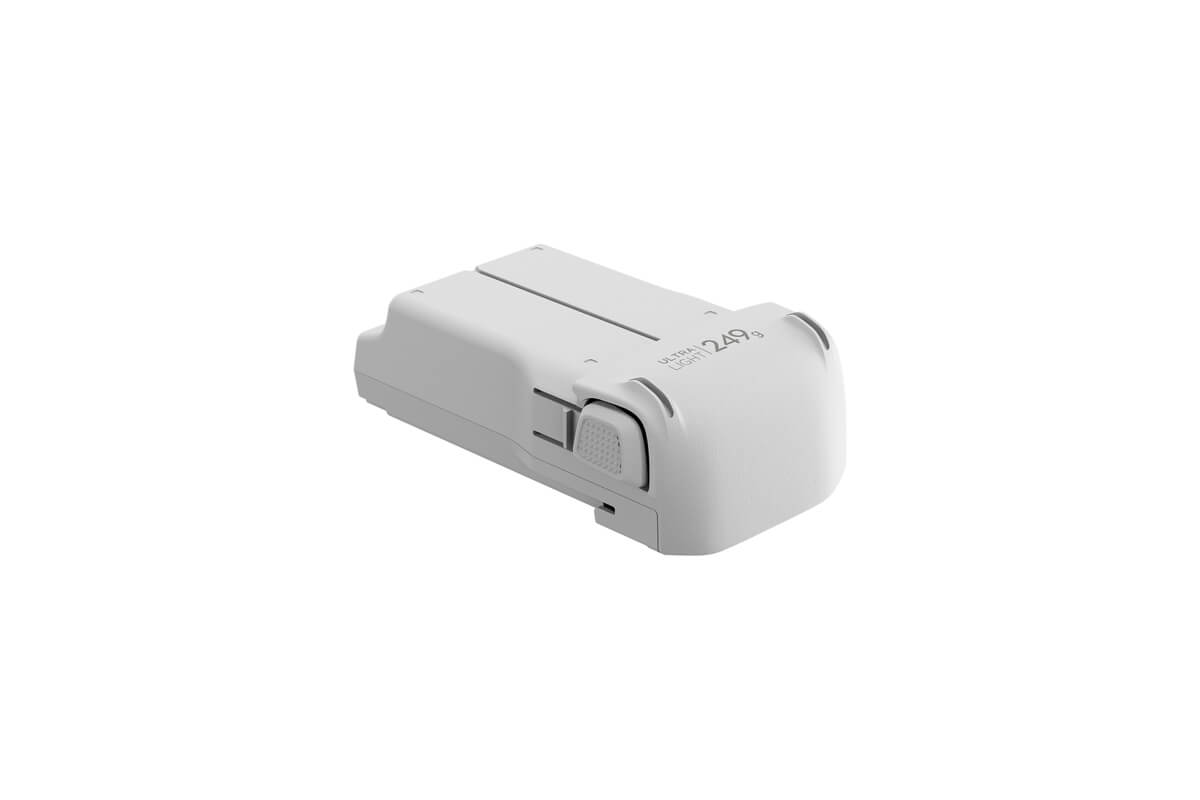
DJI says the Lito 1 can fly for up to 36 minutes, but your first few flights seem much shorter. Is the aircraft defective, or did the seller overpromise? Neither conclusion follows automatically. DJI’s flight-time figure is measured in a controlled environment at a fixed forward speed, with the standard battery and defined camera and obstacle settings, until a low-energy landing becomes necessary. A real job includes wind, takeoff, climbs, hovering, photos and a safe Return-to-Home reserve. The real question is whether your specific flight used energy normally or shows a repeatable abnormal drop.
Start with the original Lito 1 standard battery
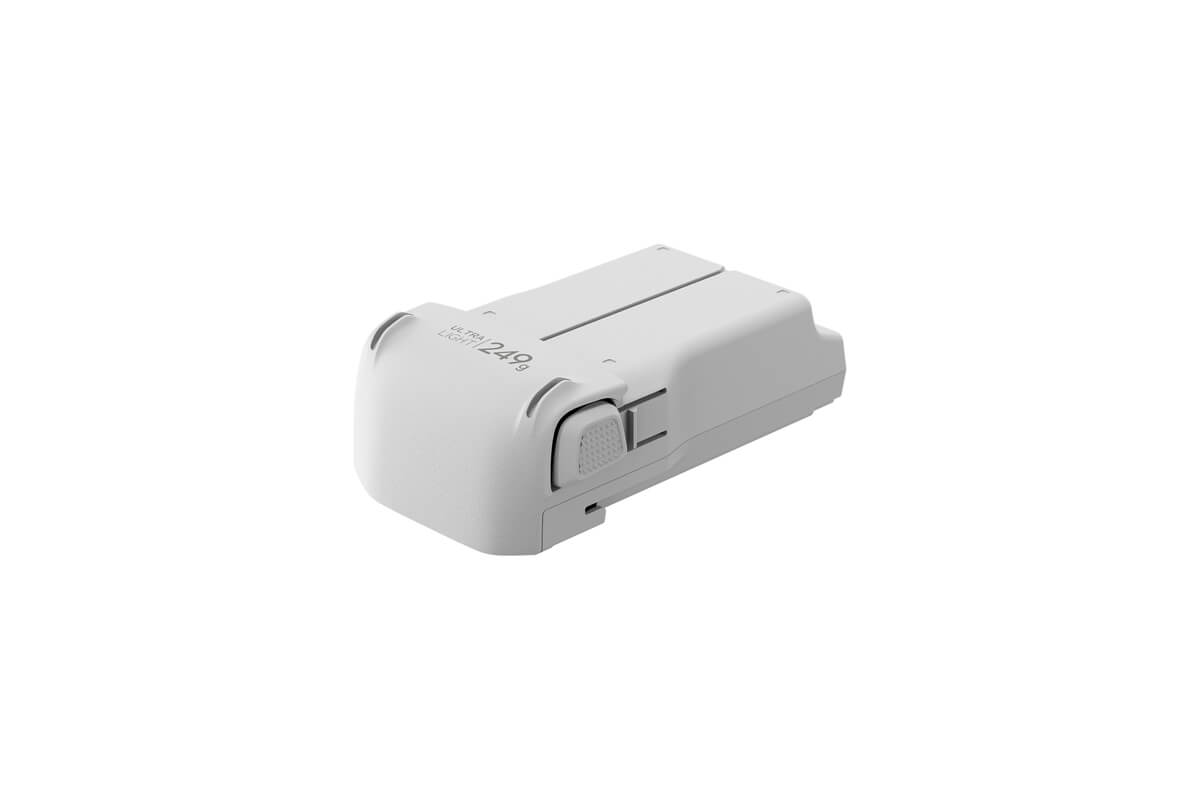
The DJI Lito 1 Intelligent Flight Battery (Standard) is a lithium-ion pack rated at 2,590mAh, approximately 18.96Wh and about 79g. DJI lists the compatible aircraft as Lito 1 and the 5–40°C charging range for this standard pack. It is not the same battery as Lito X1’s 2,788mAh standard pack or the 4,680mAh Battery Plus, even though the family names are similar.
What the 36-minute laboratory claim actually means
DJI’s official store describes measuring Lito 1’s maximum flight time in a controlled wind-tunnel environment that simulates windless sea-level conditions. The aircraft flies forward at approximately 21.6 km/h, with obstacle avoidance set to Brake and the camera set to 1080p/24fps without active video recording. DJI then measures until the battery becomes low enough to trigger a forced landing. This is useful for comparing DJI products under consistent conditions; it is not a safe real-world mission time target.
| Flight factor | Effect on the observed runtime | What to record |
|---|---|---|
| Headwind on return | More time and power may be needed to return against the wind | Wind direction, groundspeed, return distance and battery at turnaround |
| Repeated high-power climbs or Sport manoeuvres | Higher propulsion demand | Mode, throttle profile and altitude changes |
| Long hovering and close inspection | Different efficiency from DJI’s steady forward-flight test | Hover duration and ambient wind |
| Cold, aged or physically damaged pack | Reduced usable energy or unsafe performance | Pack temperature, warnings, health and cycle history |
| Active 4K video, tracking and transfers | Additional camera/computing and radio power | Actual recording and flight mode |
| Conservative landing reserve | Less usable work time than a test ending at forced landing | Planned landing percentage and RTH threshold |
Why an outbound flight can be easy but the return feels risky
Suppose you start with a tailwind that helps the drone travel outward. Turning back means the aircraft must move against that wind, and the same route can take longer at a higher motor load. A pilot who goes out until the battery reaches 50% cannot assume the return will use exactly 50% of the starting energy. Plan the turnaround based on actual wind, distance, obstacle clearance and the return margin, rather than trying to achieve the advertised full-duration figure. See our DJI small-drone headwind and RTH planning guide for this asymmetry.
How to run a meaningful battery-health comparison
- Inspect first. Check for swelling, cracks, abnormal heat, liquid damage, poor connector seating or DJI Fly cell warnings. Ground the pack if anything is suspicious.
- Charge with approved equipment. Follow the battery’s 5–40°C charging window and ensure the charger completed normally; a percentage reached after repeated interrupted charging may not describe a controlled comparison.
- Record a safe baseline. In an authorised, unobstructed area, capture starting charge, ambient temperature, wind, flight mode, distance and any payload or filming state.
- Keep the test conservative. Use a short flight with a generous energy reserve. Do not fly to forced landing in an attempt to reproduce DJI’s 36-minute laboratory measurement.
- Compare similar conditions. If two genuine compatible packs show radically different percentage drops in comparable moderate flight, review battery info and warnings before attributing the difference solely to wind.
- Look for repeatable fault evidence. Sudden voltage warnings, unexpected large drops under mild load or abnormal heat warrant qualified assessment, not another aggressive trial flight.
- Archive flight logs. A recorded change in weather or flight mode often explains variations more clearly than a subjective estimate of “only a few minutes.”
Why 100% charged yesterday may be lower today
DJI supports controlled self-discharge on Lito 1’s smart battery. Its official guide says a pack stored unused after a full charge can lower itself to approximately 96% after one idle day and toward 60% after nine days, reducing swelling risk during long storage. A slightly lower percentage after storage is not the same as losing that amount during the flight; it may be intentional battery-health management. Gentle warmth while self-discharging can also be normal.
DJI does not allow manually changing this self-discharge start time for the Lito series. Charge before departure according to the approved instructions, rather than keeping every pack permanently topped up during weeks of storage.
Why Lito Battery Plus is not the universal answer
Battery Plus is approximately 4,680mAh / 33.51Wh / 118g, substantially larger than the Lito 1 standard pack. DJI explicitly says Lito 1 does not support Battery Plus in the EU or UK. A physically fitting larger pack therefore cannot simply be recommended to every C0-certified Lito 1 owner. Outside those regions, the exact airframe configuration, manufacturer approval and local drone rules still govern the choice. Confirm compatibility before treating the larger battery as an endurance upgrade.
For a detailed comparison, see our Lito Series Battery Plus product page and the relevant Lito model documentation. A longer maximum test time is valuable only if the configuration is approved and the mission still has a safe return reserve.
When to seek service rather than change the flight plan
Repeated critical battery-cell errors, a swollen housing, visible damage, sudden shutdown or unusual heating are not normal explanations for a shorter flight. Stop using the pack and arrange qualified DJI service. If the loss appears only in strong winds or high-performance modes, compare appropriate baseline flights and plan larger reserves; replacing a healthy battery may not change that result. Our DJI battery cell-voltage warning guide helps distinguish serious cell behaviour from ordinary variation.
Official battery documentation
DJI’s original Lito 1 battery listing documents the 36-minute reference test and charging conditions, and its technical battery table gives capacity, energy and weight. The official self-discharge guide covers the one- and nine-day storage process. The correct Lito 1 standard battery at FalconFly should be identified before deciding to order a replacement.