


DJI Mini Drone Warns of Strong Wind: Return-Trip Planning That Saves Batteries

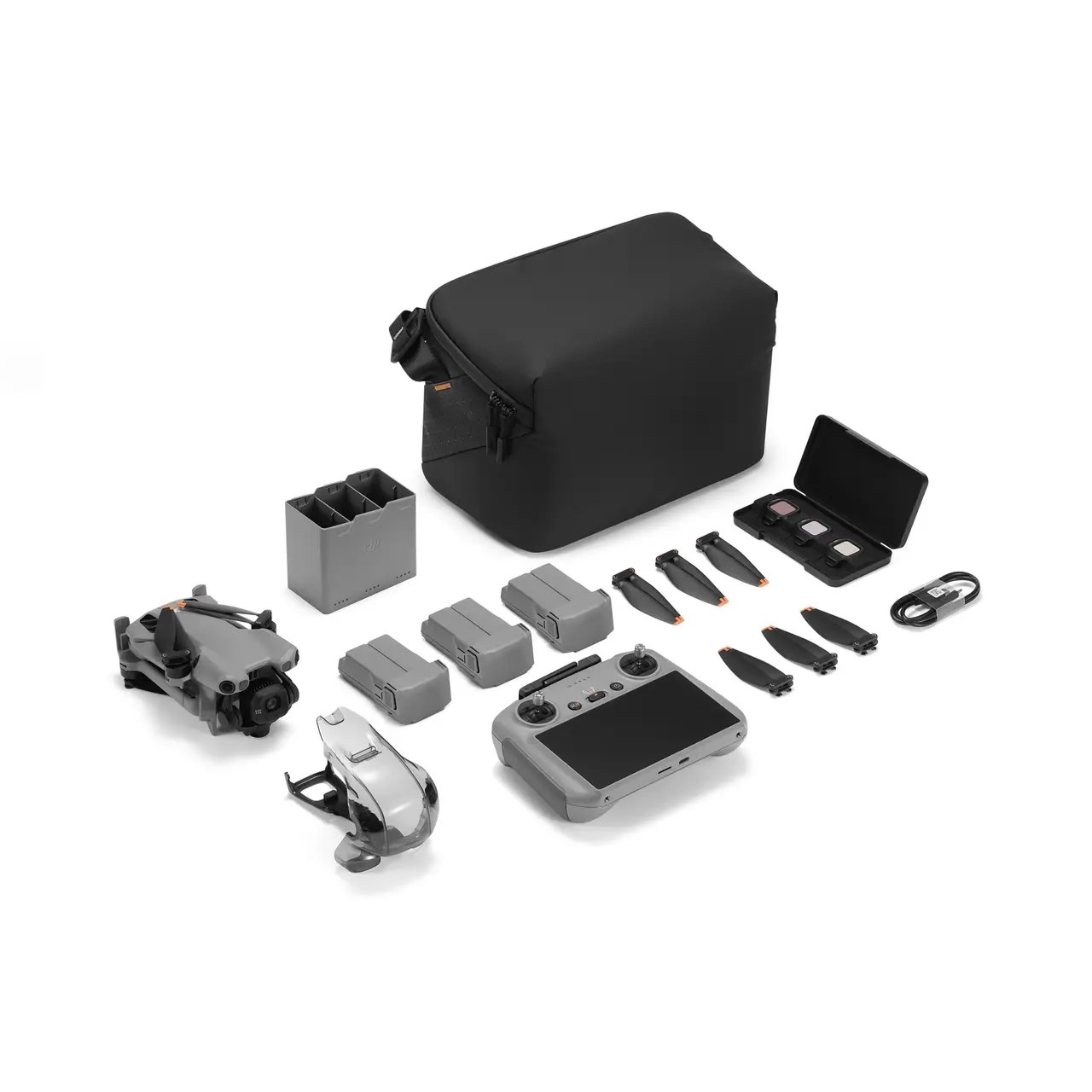
The outbound flight feels effortless. Then you turn toward home and the drone barely makes progress, even with plenty of indicated battery left. This is the practical danger behind a strong-wind warning, especially with lightweight camera drones. A manufacturer wind-resistance figure is not a promise of comfortable navigation against every gust, and the battery-percentage number isn’t a guaranteed amount of return distance. The smart decision is made before flying downwind.
Wind speed and ground speed are not the same
A drone’s progress over the ground depends on its airspeed and the surrounding airflow. A tailwind can make an outbound trip unusually fast while increasing the difficulty of the return leg. Even if the aircraft can hold position at some wind speeds, it may have little reserve for climbing, turning or fighting a sustained headwind. Gusts near buildings and roof edges can exceed forecasts measured at ground level. Observe local conditions and the aircraft’s actual warning messages rather than relying on the weather app alone.
Read model-specific limits carefully
DJI publishes maximum wind-resistance figures under specified test conditions. As an example, the Mini 4 Pro is rated for 10.7m/s in official DJI information; that exact figure should not be transferred to a Mini 5 Pro or another generation without checking its own specification. Flight mode, temperature, battery condition and altitude can change performance. Being below an advertised wind threshold doesn’t make every maneuver or location safe.
Why the return leg may need more energy
Battery estimates are based on current and modeled conditions. Flying into strong wind can demand higher sustained thrust and reduce ground speed at the same time, so every remaining kilometer costs more energy. Set a conservative turnaround point with enough reserve for unexpected detours and landing. Do not use the last few percent to complete a shot. A paid filming task is never worth exhausting the battery just because the outbound leg looked easy.
A simple weather decision matrix
| Condition | Operational decision |
|---|---|
| Stable light breeze | Verify model limits and plan conservative range |
| Gusts near towers | Increase separation or change location |
| Persistent wind warning | Stop extending the flight and consider safe recovery |
| Low return ground speed | Prioritize safe return/landing over footage |
How to plan a real Dubai waterfront shoot
Before takeoff, inspect local wind direction and the intended route, including whether the aircraft would return against the wind. Identify legal safe landing options and remain within the applicable operating rules. Avoid choosing a route that takes you far downwind above water or other inaccessible areas. If a warning appears, follow the drone’s safety guidance and recover early rather than waiting for an automated low-battery state. Finally, check the airframe, gimbal and props after dusty or gusty conditions. A good shoot ends with usable footage and an undamaged aircraft.
Why an advertised wind limit is not your personal turnaround threshold
Assume a customer buys a DJI Mini 5 Pro for a coastline shoot. The meaningful decision is not whether the wind forecast is just under a remembered specification for another DJI model. The team must consider gusts at the flight altitude, the distance to the landing site, the airspace and permission constraints, and how much battery reserve remains for a return against wind. A manufacturer maximum is not an instruction to operate near that limit for the duration of a filming mission.
Near tall buildings, wind can accelerate around corners or change direction abruptly. That makes a ground-level reading especially incomplete.
The useful habit: begin with the harder leg
Before a permitted flight, plan the route so the demanding headwind portion is not left to the end at low battery. Set a conservative limit for distance and remaining battery before recording starts, and agree on an immediate landing or return decision if the aircraft warns of strong wind or fails to make expected progress. In case of uncertainty, choose a safe landing option and retrieve the drone rather than insisting on the original camera move. The client can reschedule a shot; lost equipment and an uncontrolled landing are much more consequential.
Common questions
Is a manufacturer wind-resistance number a safe cruise speed?
No. It is a specified test figure, not a universal margin for every flight or route.
Why did the return take longer than the outbound trip?
The drone may be fighting a headwind and making slower progress over the ground.
Should I keep filming after a strong-wind warning?
Prioritize a safe recovery and follow the manufacturer’s warning guidance.

















