


FPV Camera Tilt Angle for Beginners: Why You Keep Flying Too Fast

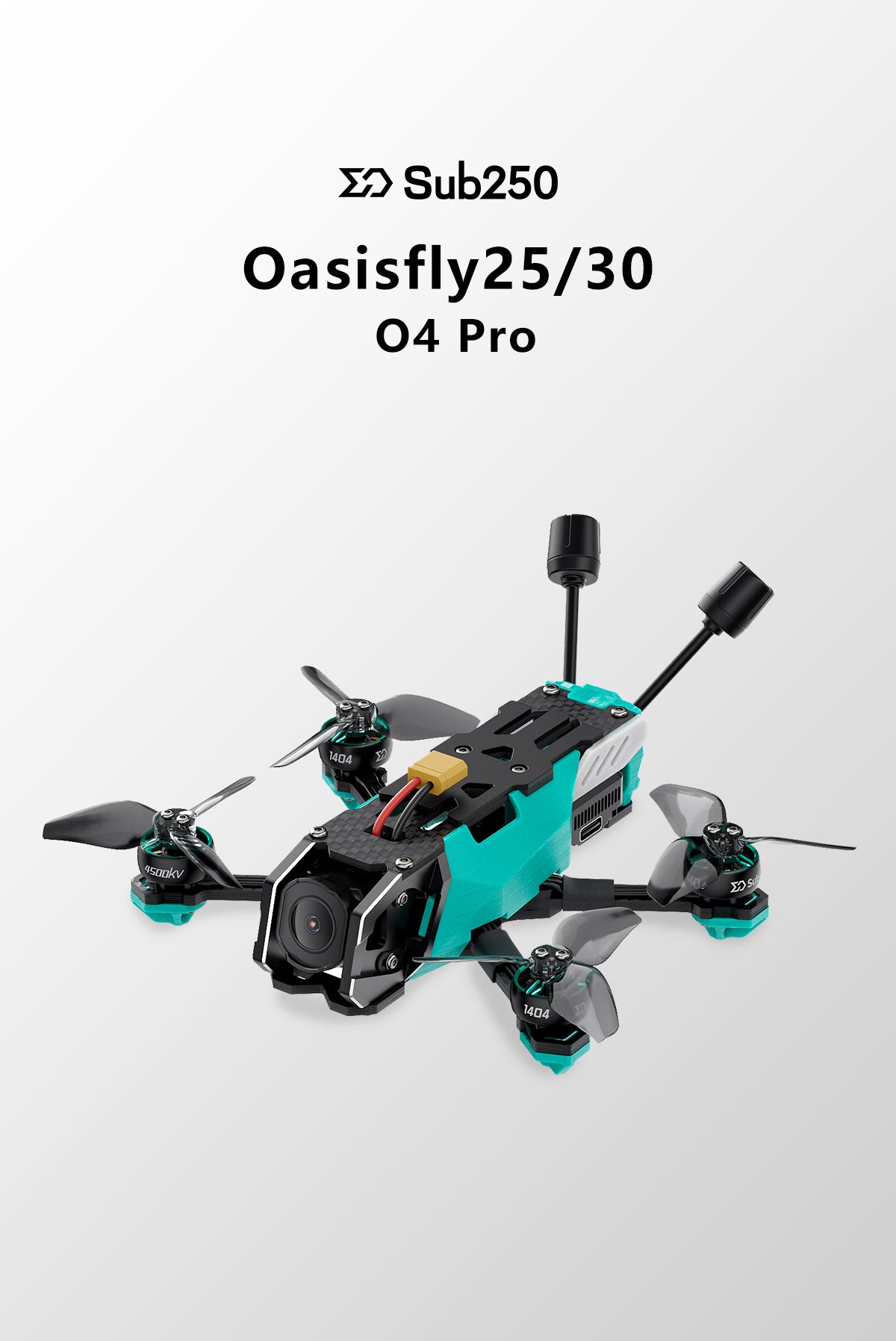
A new FPV pilot buys a freestyle drone, points the camera upward to copy an online setup and then wonders why every flight feels like a sprint. In acro mode, the camera’s upward tilt means the aircraft must pitch forward to bring the horizon toward the middle of the goggles. More forward pitch usually means more forward motion. The camera has not increased motor power; it has changed the viewing geometry the pilot naturally tries to maintain.
Why the horizon moves when you change tilt
A camera angled upward relative to the frame looks toward the horizon when the nose is pitched down. To achieve a level-looking view in typical forward flight, the pilot may hold more nose-down attitude. This changes speed and how quickly obstacles approach. A low uptilt can make slow indoor lines feel easier, while a higher tilt can support faster freestyle or racing. Neither angle is universally correct. The useful choice depends on desired flight speed, airframe behavior and the space available.
Don’t interpret angle figures as exact flight speeds
Numbers such as 15°, 25° and 35° are convenient starting points for discussion, not guaranteed velocities. A lightweight whoop, a heavy 5-inch quad and a ducted cinewhoop have different aerodynamic drag and power delivery. Wind and throttle also affect speed. Choose a moderate angle that allows you to see the flight path at the pace you can comfortably control, then change gradually after repeated practice. Do not copy a competitive pilot’s high-angle racing setup for a tight indoor shoot.
Match the camera angle to your mission
| Flying task | Camera consideration |
|---|---|
| Slow indoor cinematic practice | Lower uptilt, deliberate visibility of nearby space |
| General freestyle | Moderate angle matching preferred speed |
| Fast racing | Potentially higher uptilt for fast forward pitch |
| Learning basic acro | Start conservative and increase after skill develops |
Mechanical adjustment and cable strain
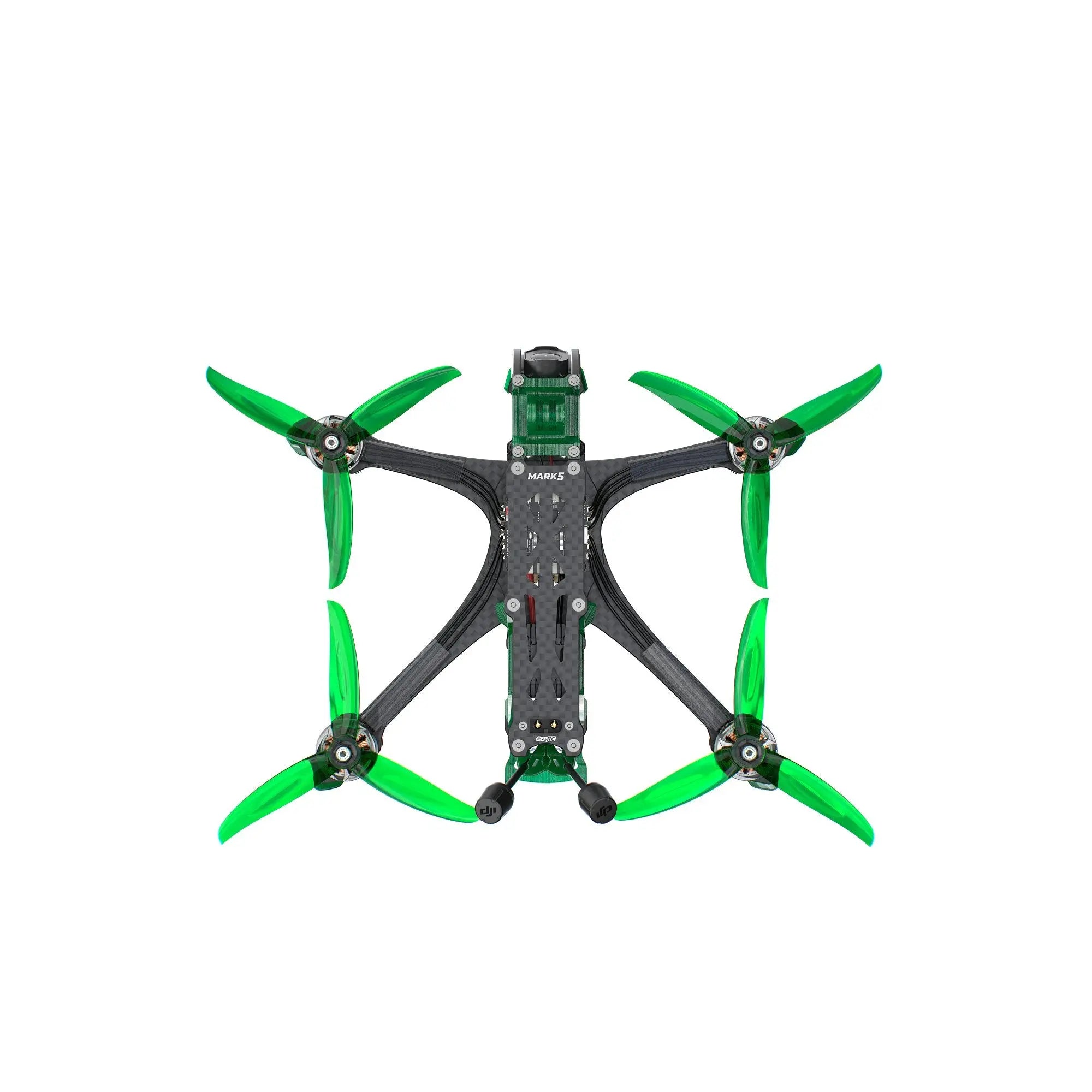
Inspect the side mounting screws or camera bracket with power disconnected. A camera should remain secure but not be crushed or bent. Check clearance through the complete tilt range and ensure the camera coax does not become taut at the chosen angle. If you use a DJI O4 module, its camera assembly and coax should not be treated like a simple flexible analog lead. After a crash, recheck the angle and the physical mount before assuming the transmitter’s rates have changed.
An exercise that reveals the right angle
In a safe permitted practice area, choose a consistent slow figure-eight with plenty of clearance. Fly several short laps at one conservative angle, noting how easily you can see the upcoming turn and control speed. Adjust the angle only after landing and compare the next session. If you feel compelled to pitch forward continuously to see ahead, evaluate camera tilt as well as stick input. Keep your rates and throttle setup otherwise constant so that you know what caused the change.
Example: a freestyle quad used for a slow real-estate reveal
A pilot normally flies a Sub250 Oasisfly30 O4 Pro in open spaces and likes a steep camera uptilt. A client now requests a slow approach through an empty approved filming route. With the original angle, the pilot naturally pitches forward to keep the view useful and accelerates more than intended. Reducing the camera angle within the manufacturer’s permitted adjustment range can make slow framing feel more intuitive. That doesn’t change the aircraft’s mechanical speed limits, but it changes the visual feedback guiding pilot control.
For tight spaces, an appropriate ducted camera platform and a qualified pilot may be preferable to trying to force an aggressive freestyle build into an unsuitable route.
Keep camera geometry separate from flight-control tuning
Only adjust camera angle when the aircraft is disarmed and the battery removed. Verify cable clearance, tight mounting and that no propeller can contact the camera at the new position. During the next practice session, keep rates and throttle settings unchanged while evaluating the effect of the new angle. If you change camera tilt, rates, props and filters simultaneously, you won’t know which difference improved or worsened handling.
Common questions
Does higher camera tilt make the drone mechanically faster?
No. It changes the view and can encourage a more forward-pitched, faster flight attitude.
Can I use 35° tilt for indoor cinematic work?
It may make slow precise flying harder; select based on the actual location and skill level.
Should I adjust rates when I change camera angle?
Not automatically. First isolate the effect of camera geometry and assess your control needs.

















