DJI Lito Battery Plus: More Flight Time Changes the Weight and Class Question

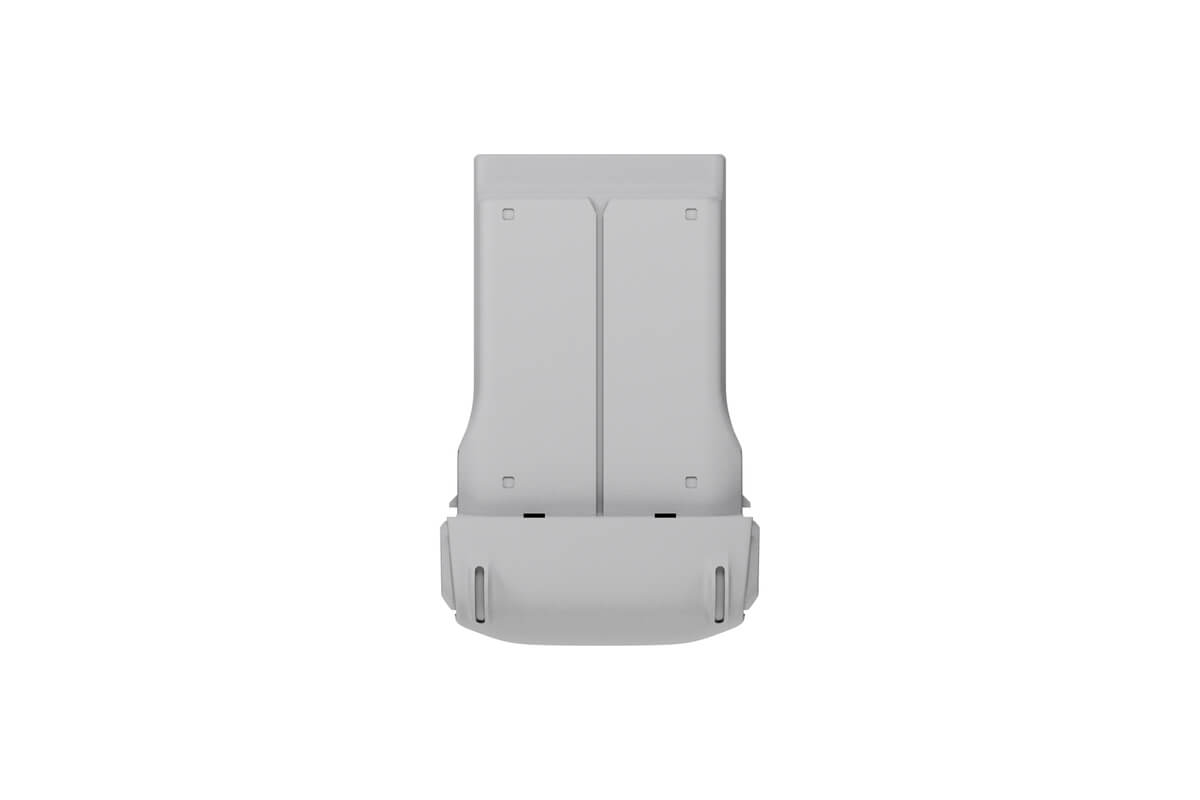
A DJI Lito owner sees a 4,680mAh Battery Plus offering up to 52 minutes of flight time and assumes it is simply the best version of the standard battery. The trade-off is larger than the number of minutes: the Plus pack weighs about 118g, compared with roughly 79g for a standard Lito 1 battery or 74g for Lito X1’s standard pack. It can push the aircraft beyond 249g and change the approved operating configuration. DJI explicitly says the Battery Plus is not supported for Lito 1 in the EU or UK. That regional rule matters more than physical fit.
What does Lito Battery Plus actually add?
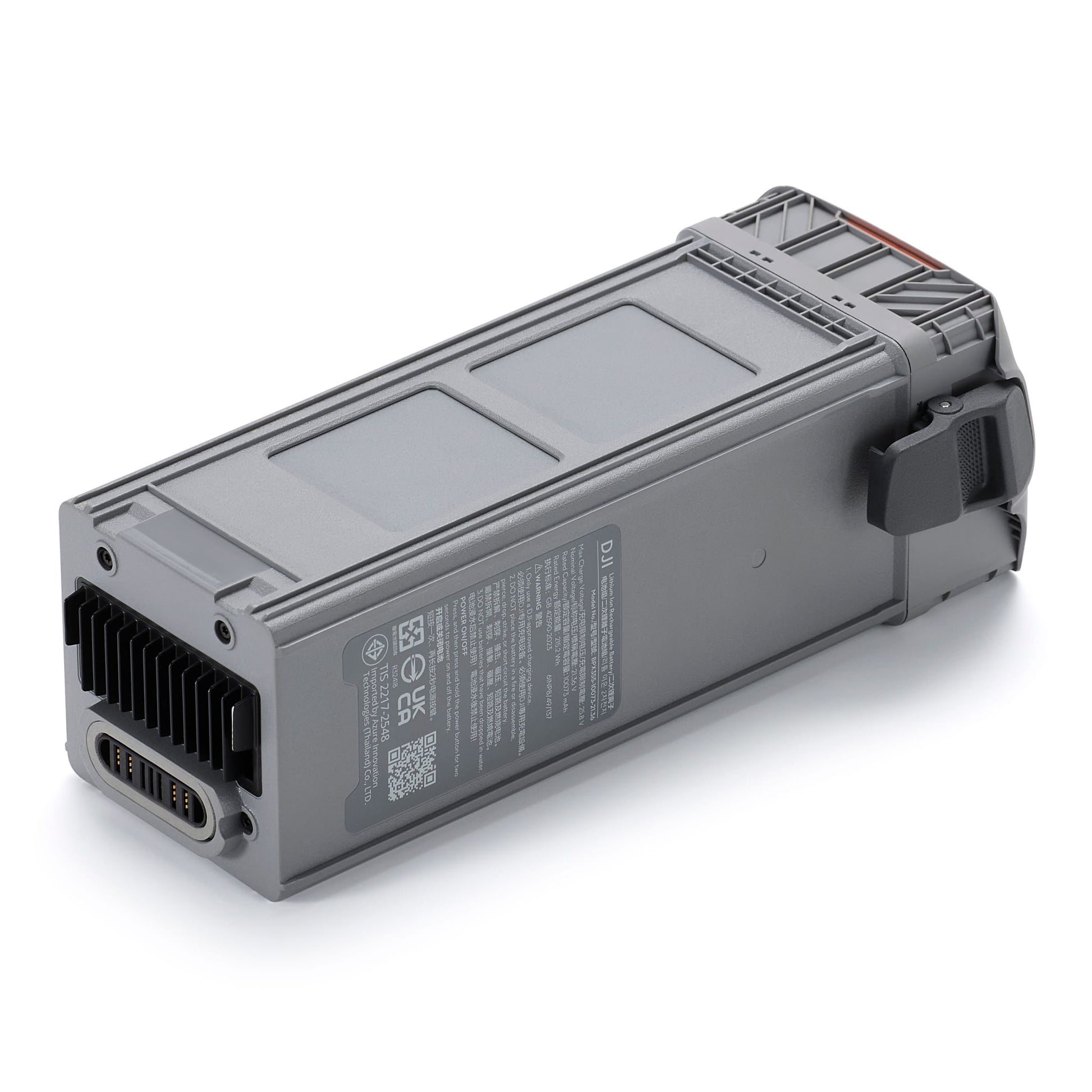
FalconFly’s DJI Lito Series Intelligent Flight Battery Plus is a 4,680mAh, 7.16V, approximately 33.51Wh lithium-ion pack. DJI lists it for compatible Lito-series aircraft in supported regions. The standard batteries are different products: Lito 1 uses approximately 2,590mAh / 18.96Wh, whereas Lito X1 uses approximately 2,788mAh / 19.52Wh. Do not assume a pack is correct merely because it looks similar or slides into the same physical slot.
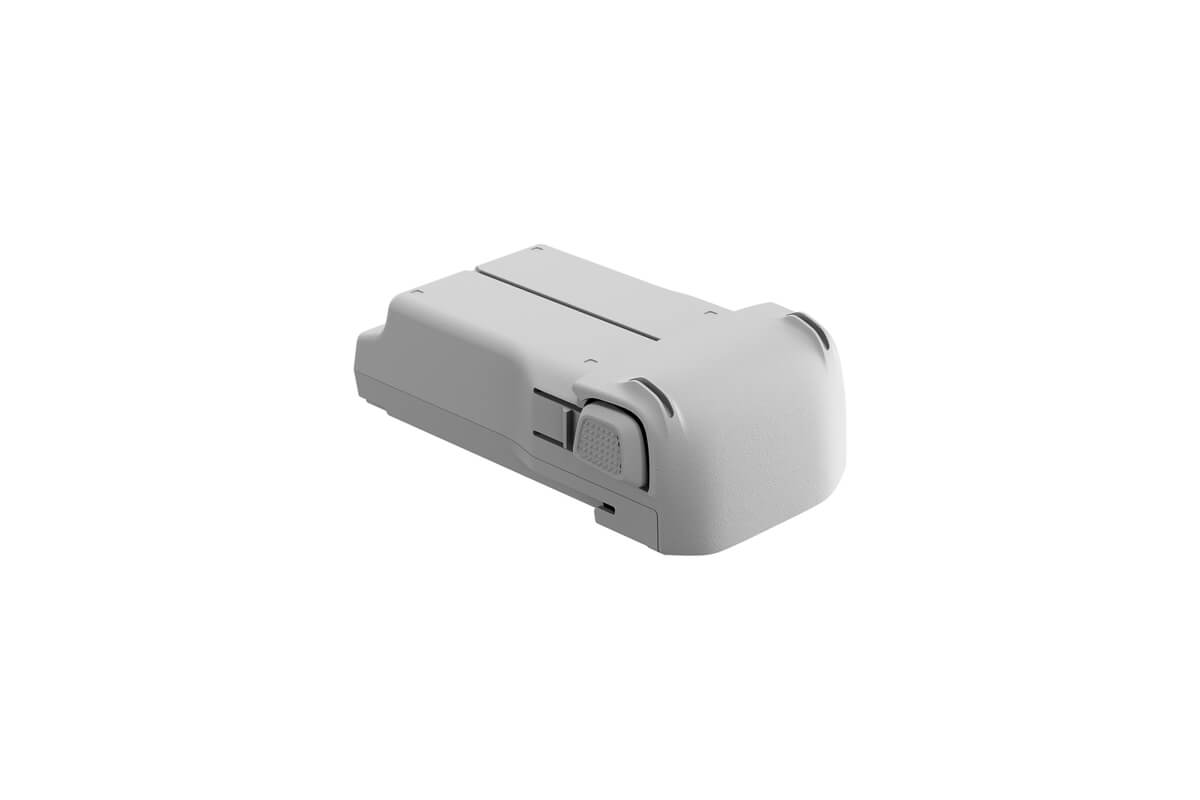
Standard versus Plus: compare energy, mass and approval
| Official specification | Lito 1 standard | Lito X1 standard | Lito Series Battery Plus |
|---|---|---|---|
| Capacity | 2,590mAh | 2,788mAh | 4,680mAh |
| Nominal energy | 18.96Wh | 19.52Wh | 33.51Wh |
| Approximate pack mass | 79g | 74g | 118g |
| Flight-time reference | Up to 36min | Up to 36min | Up to 52min in supported DJI test configuration |
| EU/UK Lito 1 support | Standard certified model configuration | Not applicable to Lito 1 | Not supported for Lito 1 by DJI |
| Aircraft/class implications | Check C0 aircraft declaration | Check exact C0/C1 aircraft designation | Increased takeoff mass and model-specific certified configuration |
The extra nominal energy can significantly extend endurance in DJI’s controlled conditions, but the added weight and changed flight category may be unacceptable for a particular operation. The right choice is an aircraft-battery combination that is approved for the country and aircraft model you actually own, not simply the most expensive available pack.
Why 52 minutes is not your guaranteed mission time
DJI quotes up to 36 minutes for standard-battery Lito models and up to 52 minutes for suitable Battery Plus configurations, using controlled tests with low wind, fixed flight speed and a specified shooting state until forced landing. A workday includes takeoff, transit, hovering, wind changes, camera recording, return flight and an intentional landing reserve. A practical mission should never be scheduled around exhausting the battery to zero simply because a laboratory flight-time chart did so.
With a headwind on the way home, the power needed to make forward progress rises. Additional weight also changes how the drone handles gusts, acceleration and climbs. Record the expected out-and-back energy budget with conservative margins rather than multiplying the brochure’s maximum minutes by the number of packs in a bag.
Special warning: EU and UK Lito 1 owners
DJI’s own Lito 1 technical specifications and regional store FAQ say that Intelligent Flight Battery Plus is not supported by DJI Lito 1 in the EU or UK. The reason cannot be resolved by merely confirming that the battery powers on; the heavier pack changes mass and the approved aircraft configuration. If you bought a Lito 1 for a specific C0-certified operation, do not import a Battery Plus from another region and assume the class remains intact.
The Lito X1 has separate DJI certifications/configurations and the current user manual identifies C0 and C1 versions. A compatible Plus pack may be part of an approved X1 C1 configuration where DJI and local rules permit it, but putting Plus into a particular C0-labelled aircraft does not automatically make that aircraft legally C1. Verify the exact aircraft model number, class label and manufacturer declaration before purchasing a replacement battery.
Why a charged pack loses percentage in storage
DJI documents controlled self-discharge on the Lito series. Its support guidance says an idle Lito flight battery may lower to about 96% after one day and roughly 60% after nine days to reduce storage stress. That behaviour alone is not a defect and should not lead to repeated topping-up whenever the bag is opened. Follow the manufacturer’s storage conditions and charge to the appropriate level before the next actual departure. DJI says the automatic self-discharge start time on these Lito batteries is not user adjustable.
Do not mistake this normal battery management for a charging fault. If the pack becomes swollen, leaks, emits an unusual odour or shows an abnormal cell warning, stop using it and seek qualified service rather than applying external heat or trying to bypass protection electronics.
Five buying situations that change the answer
- Lito 1 owner flying in the EU or UK: use the original standard approved battery; DJI does not support Battery Plus on that aircraft in those regions.
- Lito X1 owner who wants maximum endurance: check the exact C0/C1 aircraft model, the approved Plus battery configuration and local law before selecting it.
- UAE operator with an authorised compatible setup: compare actual mission duration and local flight permissions; a higher capacity does not grant a higher legal operating altitude or flight zone.
- Creator who needs a lighter airframe: the standard pack’s lower mass may be more useful for handling, portability and staying in a defined certified class.
- Buyer mixing Lito 1 and X1 spare stocks: identify every battery by genuine model and the airframe’s supported compatibility list. Do not depend on a third-party listing’s broad “Lito Series” label alone.
Checklist before charging or installing
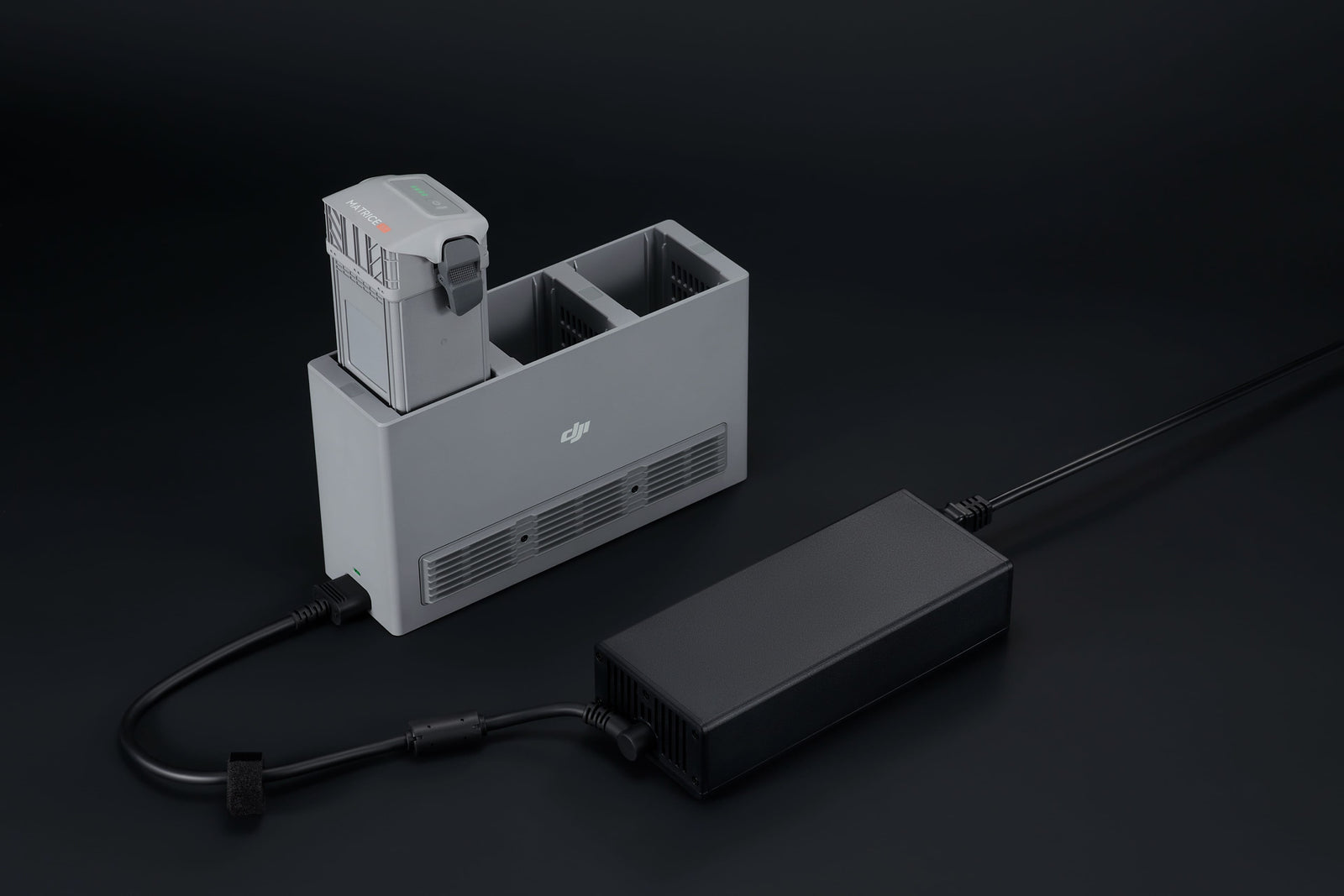
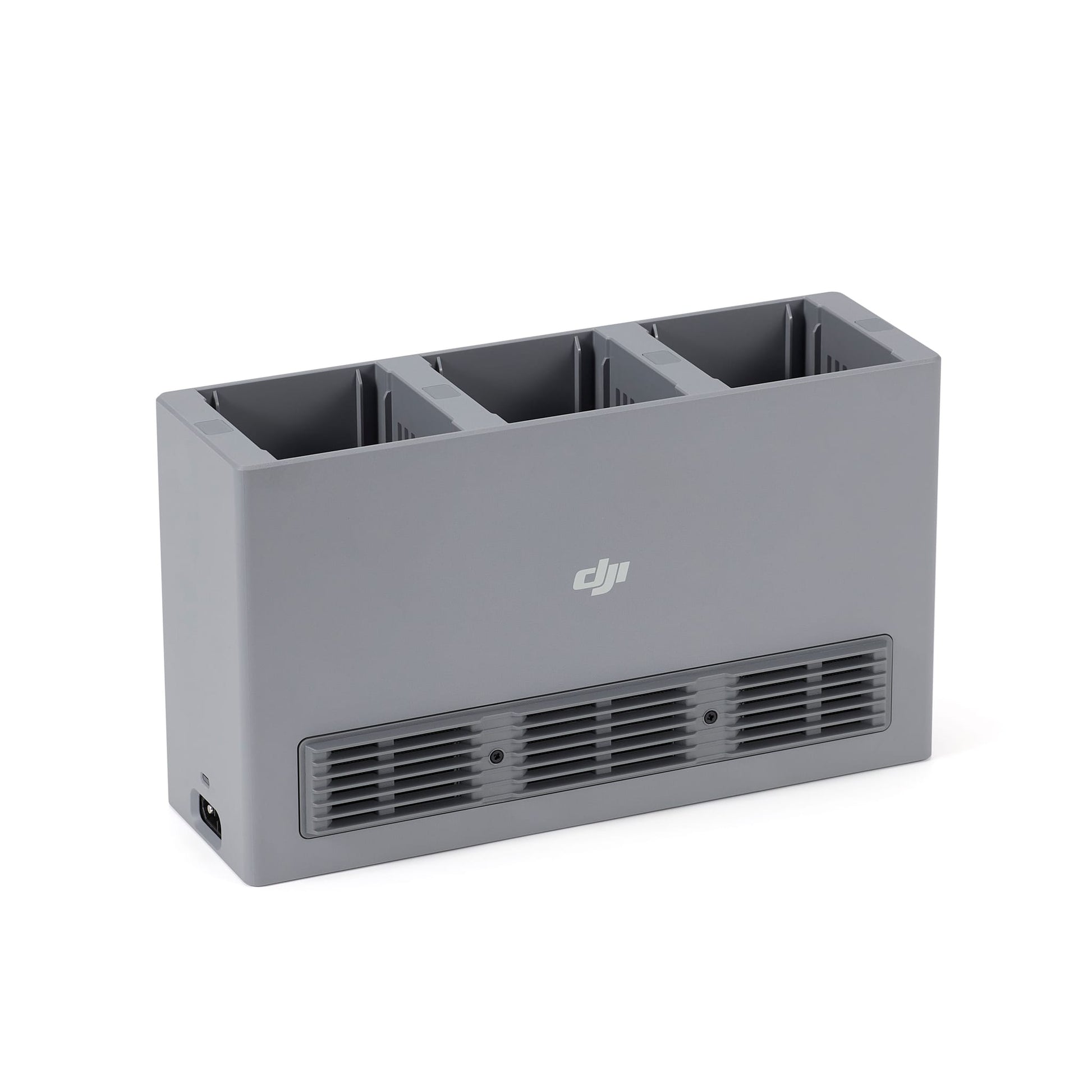
Verify the actual battery SKU and approved charger, inspect contacts and the pack body, use only compatible power hardware, and check DJI Fly’s reported battery state. The standard Lito flight batteries specify a 5–40°C charging range; use the approved method for the exact Plus pack. Avoid charging inside a sealed hot car or on a flammable surface, and keep a clear path to disconnect power if an abnormal condition appears. After installation, check the aircraft’s total mass, applicable class and the required return reserve before takeoff.
Official sources and related FalconFly products
DJI’s Intelligent Flight Battery technical table lists the Lito 1, Lito X1 and Plus energy and weights. DJI Lito 1 specifications state the EU/UK Battery Plus restriction, and DJI’s self-discharge guidance describes its storage behaviour. Compare the original Lito Battery Plus with the Lito 1 standard battery and Lito X1 standard battery on FalconFly before ordering.