Matrice 400 Boat Launch Warnings: Dynamic Home Point, Deck Pattern and Disabled Sensors

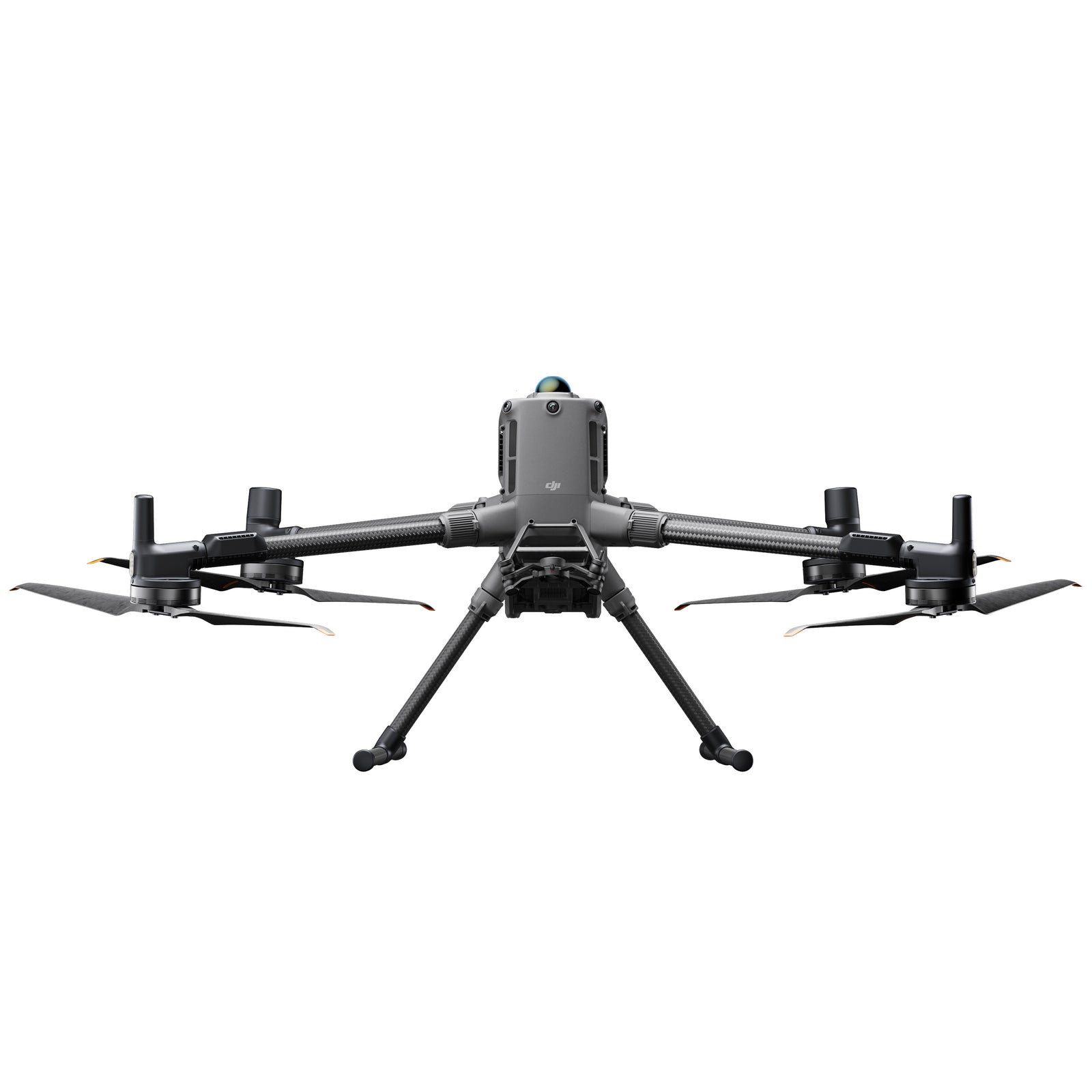
Launching an enterprise drone from a boat is not simply a normal takeoff with moving scenery underneath. DJI Matrice 400 has a dedicated Boat Launch workflow, and its own FAQ documents several warnings that can look like hardware failures: an IMU deviation, excessive ship speed, a failed Dynamic Home Point and a controller that refuses to land automatically. These problems have very different causes, and the most important setting has a safety trade-off: Boat Launch disables downward obstacle avoidance.
Why Boat Launch changes the flight-safety model
With a vessel moving beneath the aircraft, the ordinary static home-point assumptions no longer hold. DJI’s Boat Launch mode supports takeoff from a stationary vessel and landing on a moving vessel at less than 10 knots, with a particular landing marker and controlled landing area. Enabling the mode intentionally turns off downward obstacle avoidance for automated takeoff and landing. That setting can remain a significant hazard when the aircraft returns over land or nearby structures.
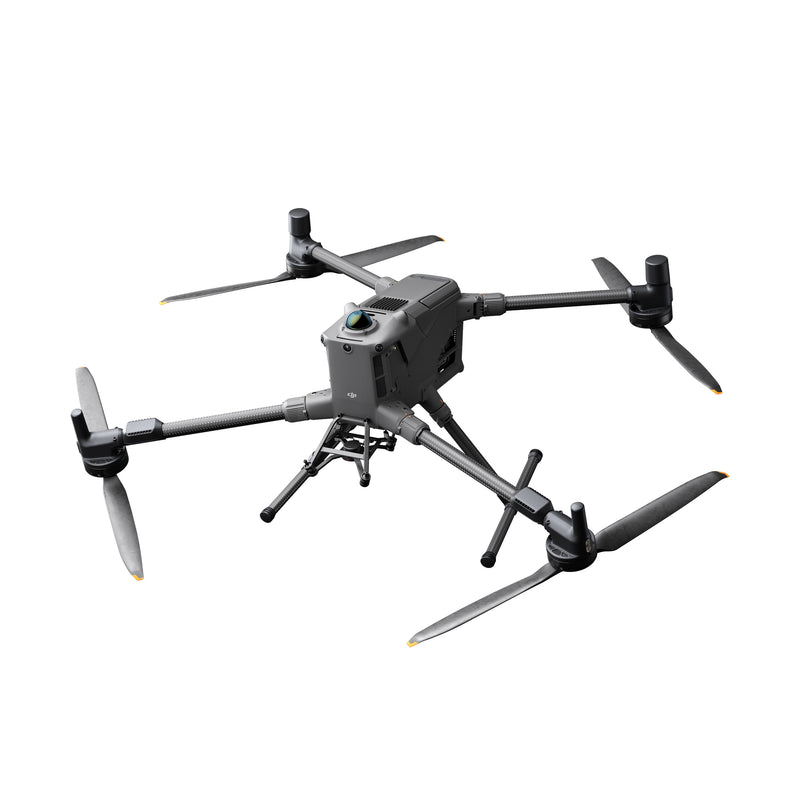
Four common Boat Launch warnings and what they mean
| Message or symptom | DJI guidance | Safety implication |
|---|---|---|
| Ship speed too high / sensor warnings before activation | Enable Boat Launch in the supported flight interface | Recheck vessel speed and mission eligibility, not merely the warning state |
| Dynamic Home Point “Failed to Enable” | Toggle the feature off and on; if needed restart the Pilot 2 app | Verify home-point tracking before launch |
| Satellite acquisition warning on deck | Remain stationary while GNSS stabilizes, often 20–30 seconds or longer | No stable fix means delay launch |
| Persistent IMU deviation when sitting on a vessel | DJI documents powering on while held, then placing the aircraft on deck after startup | Only perform the exact supported procedure with controlled hand safety and qualified crew |
The landing-area requirement is not optional
DJI specifies a flat, unobstructed 3m × 3m deck area with clear overhead space. The approved landing-point pattern should be centred and match DJI’s required shape, colour and sizing. Do not add an underside payload that might obstruct marker recognition or landing clearance. The manufacturer recommends the rear of the vessel for operations, but the final approach must also account for vessel motion, wind, obstacles, crew position and the vessel operator’s commands.
Before the vessel leaves the launch position
- Confirm the exact aircraft and firmware. This procedure is documented for Matrice 400; don’t assume older Matrice 350 or M30 modes behave identically.
- Brief both pilots and vessel operators. Set clear stop conditions, hand signals, emergency recovery alternatives and a no-go perimeter around propellers.
- Choose the deck marker and site. Validate clearance on all sides, not just a 2D landing square.
- Verify GNSS and compass environment. Steel structures, antenna installations and moving conditions can compromise position or onboard calibration indications.
- Verify Boat Launch and Dynamic Home Point. Inspect the interface for active states and errors rather than trusting that a toggle remained enabled from a previous flight.
- Check the disabled sensing function. Build manual separation and visual observation into the route, especially in the descent and landing corridor.
- Keep the flight within approvals. Vessel operation does not waive visual-line-of-sight, local airspace authorisation or safety rules.
What if the drone climbs instead of landing?
DJI describes a situation where the Matrice 400 fails to recognise the marker, ascends and can exit landing mode above 20m. This is part of its protective logic; do not chase the aircraft with crew members or manoeuvre the vessel unpredictably under the aircraft. Abort the attempt where necessary, re-establish the designated landing zone, coordinate with the vessel operator and re-enter the manufacturer-prescribed approach only after conditions are safe.
Is Boat Launch right for line inspection from the coast?
If an inspection can be completed from a safe static location, the boat-mode complexity may not provide any benefit. For offshore power, port or industrial work, evaluate the additional failure modes as part of a documented operational risk assessment. A high-precision D-RTK 3 correction link does not fix an incorrectly set landing marker or an inappropriate moving deck.
Related FalconFly guide
For broader practical context, read our return-to-home planning from moving launch points guide. It complements this product-specific troubleshooting workflow.
Official DJI references
DJI Matrice 400 FAQ — Boat Launch, dynamic home point and landing instructions, and Matrice 400 technical specifications.