Mini 4 Pro Standard Battery: How to Estimate Real Return-to-Home Reserve

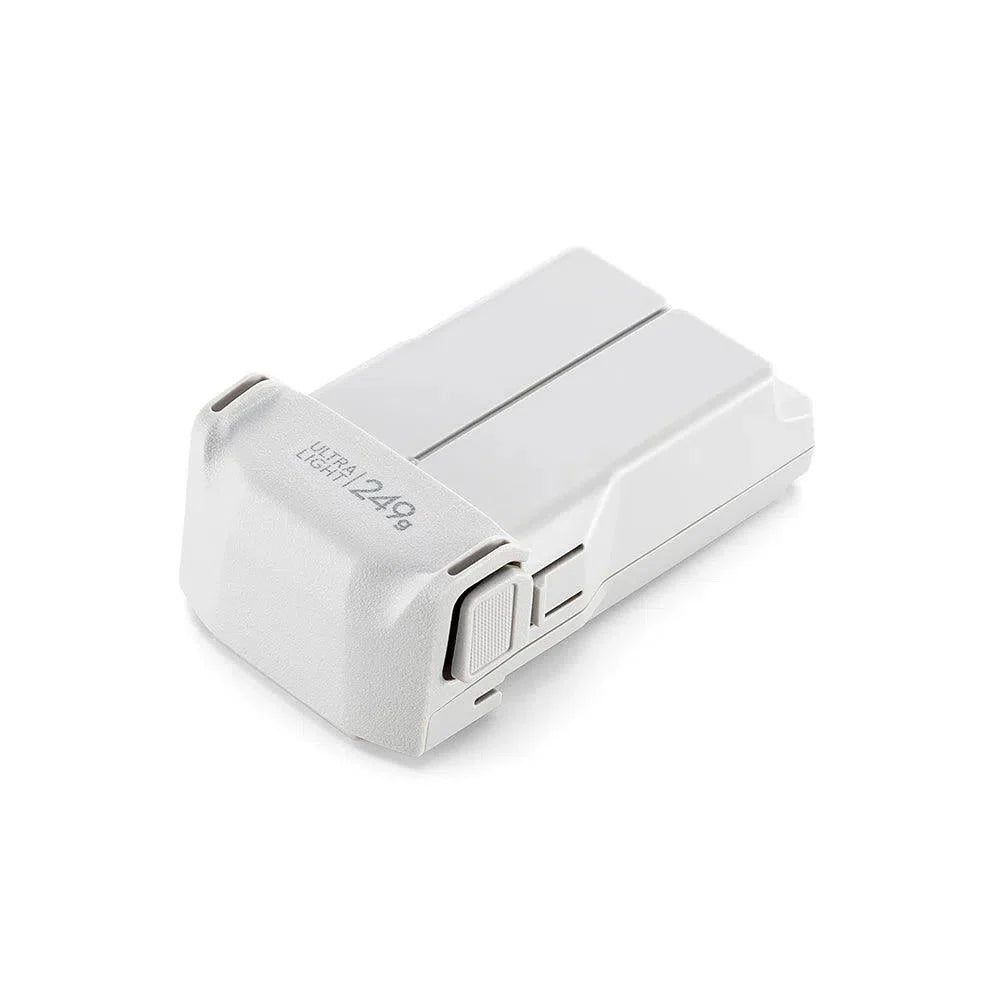
A DJI Mini 4 Pro pilot sees a remaining-battery estimate and assumes it is enough to fly the same distance home that the drone flew out. A headwind can make the return journey slower and more energy-intensive; the manufacturer’s maximum flight-time figure is not a guaranteed Return-to-Home budget. The original Mini 4 Pro standard battery is 2,590mAh, 18.96Wh and approximately 77.9g, within DJI’s documented 5–40°C charging range. Safe RTH decisions depend on wind, actual groundspeed, obstacles and battery warnings—not a simple percentage rule.
Mini 4 Pro return-trip energy and headwind
Calculate an actual wind-adjusted outbound and return power budget. Mini 4 Pro’s 2590mAh standard battery and certified configuration do not make battery percentage a fixed range estimate; headwind, groundspeed and the planned home-point route determine a safe reserve. Photograph the model marking and look up the matching support entry before applying a solution from a different drone.
What to do before the next flight
- Verify the part and model: Read the full product identifier, model support and software version shown by the aircraft.
- Test the suspected cause: Check battery health and ambient temperature before leaving a remote takeoff site.
- Recheck the workflow: Use RTH settings and controller warnings as safeguards rather than your only reserve plan.
- Keep a trace: Record the conditions, warning messages and any relevant media from a controlled test; isolate one change at a time.
Battery and propulsion problems deserve particular care: do not fly with damaged blades, swollen packs, uncertain latches or unexplained power warnings. When the problem can be reproduced on the ground, that is the appropriate place to diagnose it rather than using a normal flight as an experiment.
The trade-off hidden in the specification
A rated maximum endurance cannot be treated as the time available for outbound filming. Performance figures in product literature normally use controlled temperatures, winds, flight profiles or combinations. When choosing a spare or planning a shoot, the more important measure is the usable outcome with a safe return margin and the supported configuration for your region.
| Before buying | What to verify |
|---|---|
| Compatibility | Exact aircraft model, generation and approved part number |
| Setup | Required screws, charger, firmware or pairing process |
| Practical use | Weather, actual flight mode, reserve, local rules and intended deliverable |
What makes a realistic Mini 4 Pro return-reserve plan?
There is no single safe battery percentage for every RTH distance. A Mini 4 Pro uses more energy into a headwind, after repeated climbs or in turbulent air. Set the home point and an appropriate return altitude, inspect DJI Fly’s remaining-battery and wind warnings, and plan a turnaround threshold with margin for delayed return or a safer alternate landing area. Do not assume that the outward journey’s percentage drop will equal the return leg’s demand. If winds strengthen, turn back earlier instead of relying on DJI’s laboratory maximum endurance.
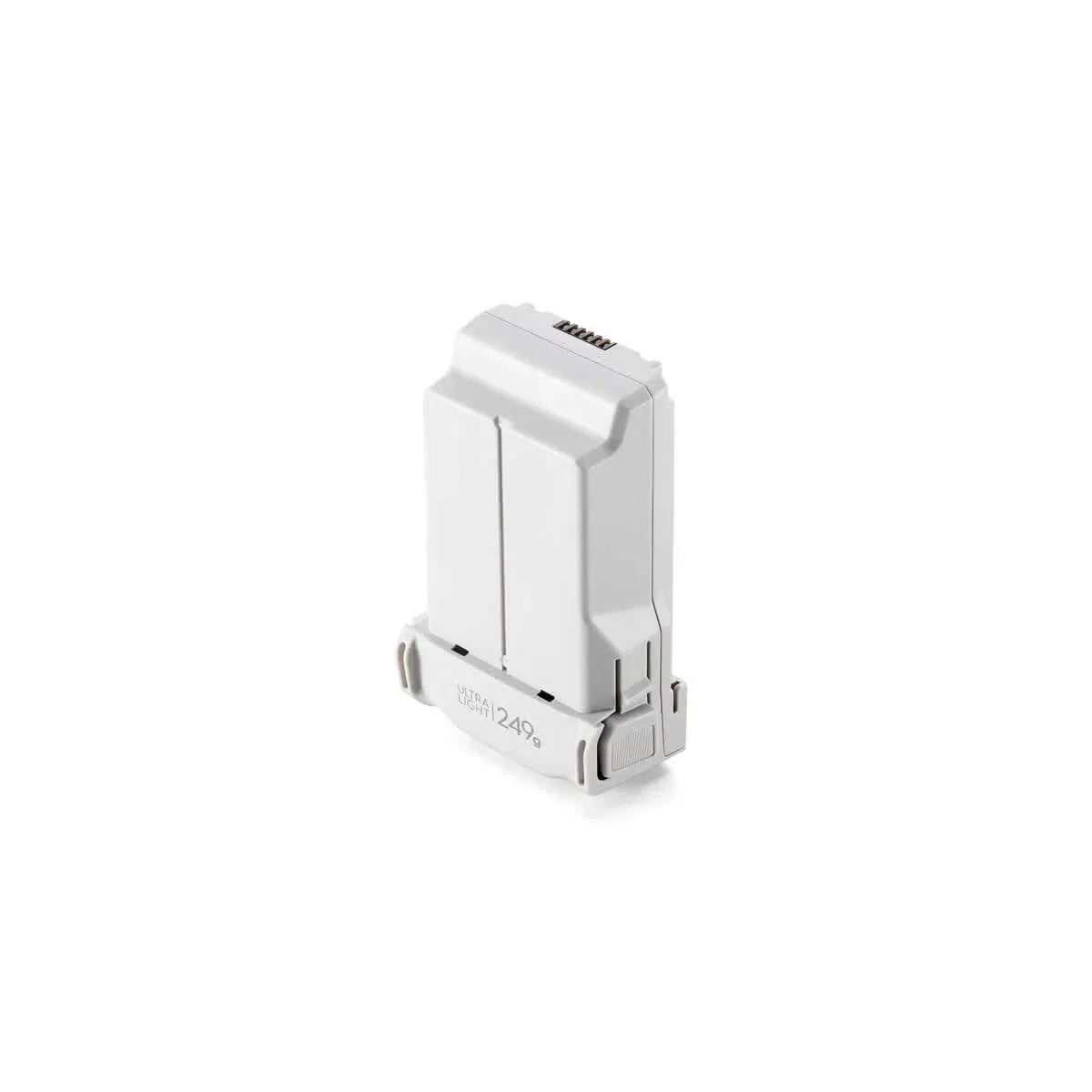
The genuine Mini 4 Pro standard Intelligent Flight Battery has DJI’s published 2,590mAh, 18.96Wh and approximately 77.9g specifications. Battery Plus can change aircraft weight and the applicable regulatory category; use only the approved model and regional operating configuration.
Mini 4 Pro return-to-home FAQ
Is a 30% battery warning enough to guarantee the way home?
No fixed percentage guarantees return for every route. Headwind, distance, climb, temperature and battery condition alter the energy needed. Turn around early and obey critical DJI Fly warnings.
Why does returning against the wind use more battery?
The drone must generate enough airspeed to make progress upwind. That may demand more propulsion power and take more time than the outbound leg with a tailwind.
Can I simply buy Battery Plus to eliminate the risk?
No. A larger pack changes weight and potentially the approved regulatory class; safe route planning and a conservative reserve remain essential with either pack.
Official technical source
Before ordering or changing your operating procedure, consult DJI’s official product guidance. FalconFly’s relevant product: DJI Mini 4 Pro Intelligent Flight Battery (Standard).