


Parallel Charging FPV LiPo Packs: When a Board Saves Time—and When It Is Unsafe

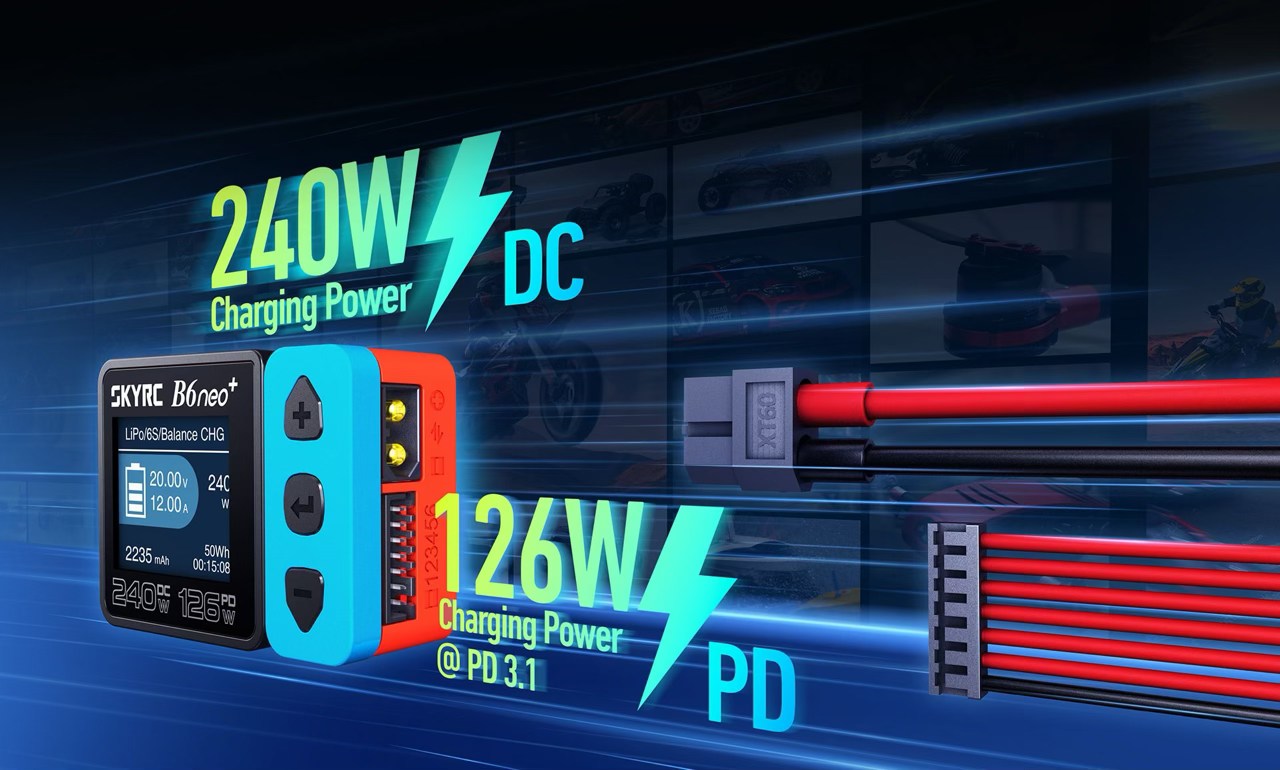
A parallel charging board can look like the answer to a pile of empty FPV packs after a weekend session. The trap is that connected packs equalize electrically before the charger has any chance to supervise that current.
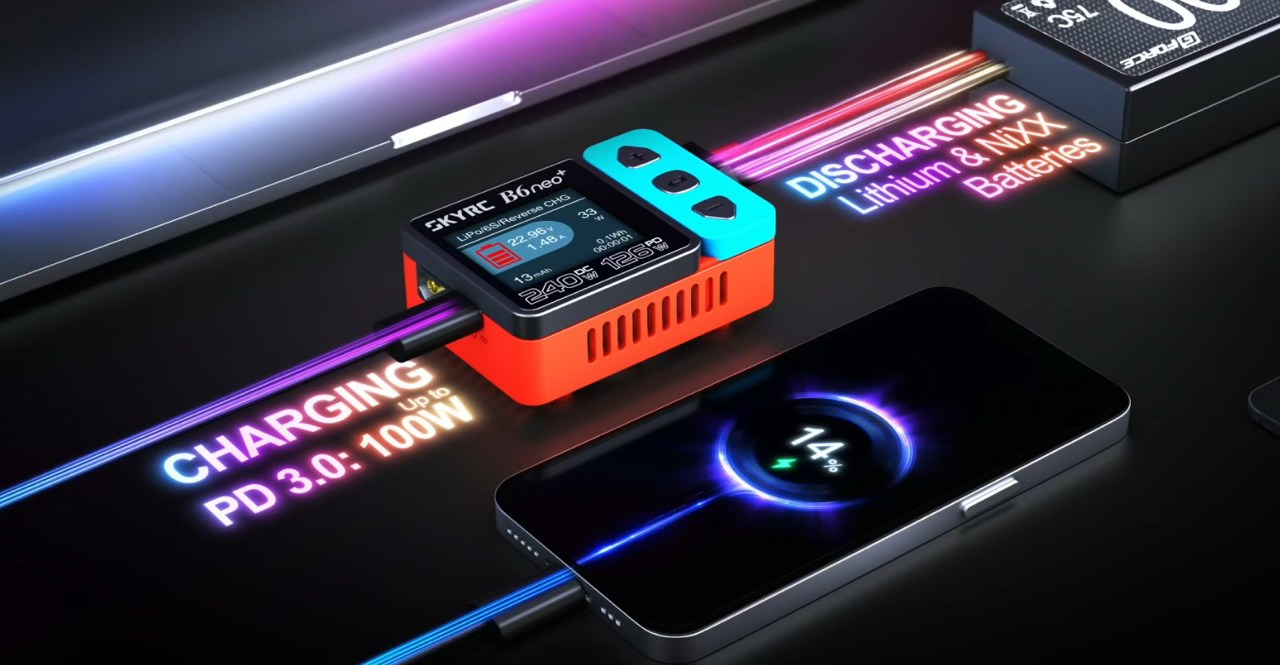
Quick triage: symptom to next action
| Observed symptom | What it may indicate | Safe first check |
|---|---|---|
| Packs have different cell counts | Incompatible series voltage | Never parallel-connect them |
| Individual cells differ substantially | Uncontrolled equalization surge risk | Measure each cell; charge packs separately |
| Pack is swollen, dented or has torn wiring | Cell or connector damage | Isolate pack and follow damaged-LiPo safety procedure |
1. Match chemistry and cell count
Only consider parallel connecting packs of the same cell count and compatible chemistry/charge termination. A 4S pack and 6S pack should never share a parallel board. For a concrete 4S LiHV specification reference, see the BETAFPV LAVA II 4S 95C battery; matching cell count, chemistry and cell voltages remains mandatory before any parallel charging. Likewise, a standard LiPo and LiHV can have different intended charge endpoints; charging them indiscriminately together defeats proper cell limits.
2. Measure every cell before connecting
Use a reliable battery checker or charger to inspect total and individual cell voltages. A pack with a damaged cell, major imbalance, swelling, cut lead or physical crash damage must not enter a parallel group. Two packs can have the same total voltage yet different per-cell states. That makes individual-cell inspection essential.
3. Why voltage differences matter
When packs at different voltages are plugged together, charge equalization is not controlled by the normal charger setting. The initial surge depends on the voltage difference and wiring resistance. The safest approach is to charge packs separately unless you have the appropriate equipment, experience and manufacturer-specified limits for a parallel board.
4. Check the board and charger together
Verify connector polarity, balance-lead pinout, current capacity, charger voltage detection and the combined amp-hour capacity. A parallel board is not a substitute for a proper balance charger or safe charging enclosure. Place charging packs on a non-combustible surface, away from valuables, with active supervision.
5. Compare parallel versus independent channels
Two independently monitored charger outputs allow separate pack assessment and are often preferable when batteries differ in age or condition. A dual-channel charger may take longer than an aggressive parallel setup but provides clearer visibility into which pack is failing. Choose based on workflow and safety rather than a maximum-charge-count claim.
Validate the battery charging setup without an experimental parallel connection
Confirm each pack’s cell count, chemistry, physical condition and individual cell voltages independently before any connection. Check the parallel board’s documented current limits and fuse protection, the charger’s supported chemistry and connector polarity. If packs differ or their condition is uncertain, charge them on separate supervised channels rather than testing whether they equalize safely. No flight test or motor test is relevant to validating a charging board.
Before buying replacements
Confirm connector type, board revision, voltage range, mounting dimensions and firmware support against the manufacturer’s documentation. A similarly named product can have different wiring and compatibility. FalconFly keeps relevant products in its drone and FPV shop (related equipment: HOTA D6 Pro dual-channel charger), but a troubleshooting article is not evidence that a particular part must be replaced.
Related FalconFly guides
- LiPo Charger Says Cell Error or Connection Break: What to Check
- Six-Port 1S Chargers Compared: HexaCharger Pro, WooPower W63 and ISDT E625
The equalization surge happens before the charger can help
Two LiPo packs that are electrically joined in parallel immediately try to equalize their voltages. The charger may not yet be controlling this current. Therefore a balance connector does not guarantee that unlike packs are safe to join. Compare every cell, chemistry and cell count; do not mix 4S with 6S or a LiHV charge endpoint with a conventional LiPo setting. A swollen or impact-damaged pack should never join the group.
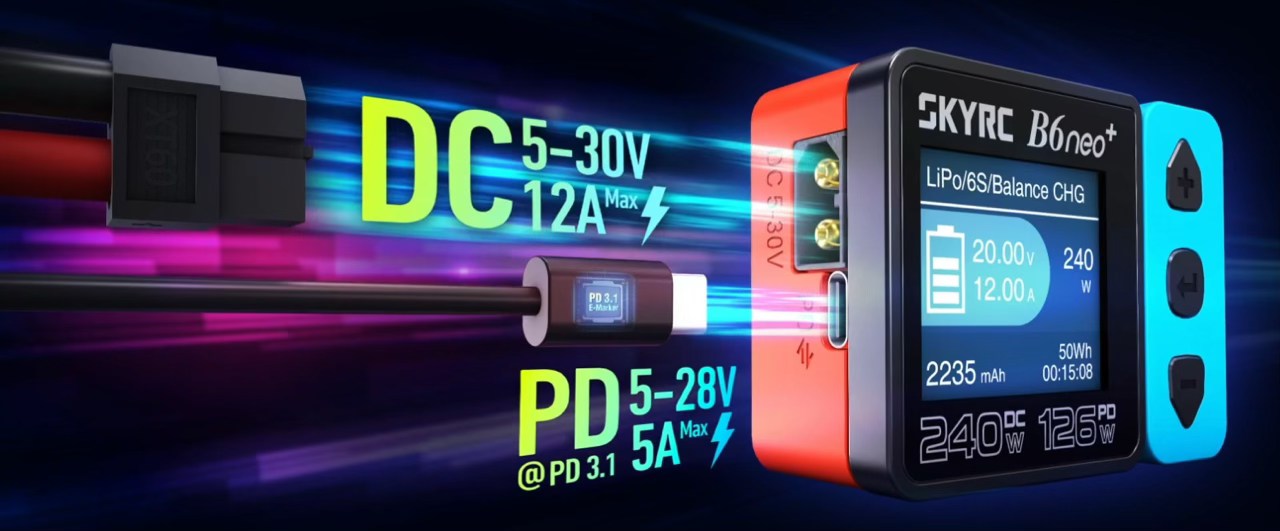
For pilots with many batteries of different age, independent charging outputs often provide better visibility into a weak pack. Parallel boards can be useful in an appropriate controlled workflow, but speed must not override individual-cell inspection, suitable current ratings, thermal safety and active supervision. When in doubt, charge the packs separately.
Frequently asked questions
Can I parallel charge packs with the same total voltage?
Matching total pack voltage alone is not enough. Verify identical series cell count and compatible chemistry, and inspect individual cell voltages and pack condition before any parallel connection.
Can I mix LiHV and ordinary LiPo in a parallel group?
Avoid doing so. Their intended charge termination voltages can differ, and applying the higher LiHV limit to a normal LiPo can overcharge it.
Is a dual-channel charger better than a parallel board?
Independent channels provide separate pack measurements and are easier to supervise when batteries vary in age or condition. They do not remove the need for correct settings and safe charging practices.
Technical reference
Read LiPo parallel charging and safety considerations for firmware- or hardware-specific implementation details.

















