


FPV LiPo Balance Lead Gets Hot or Smokes? Immediate Actions and Safe Diagnosis

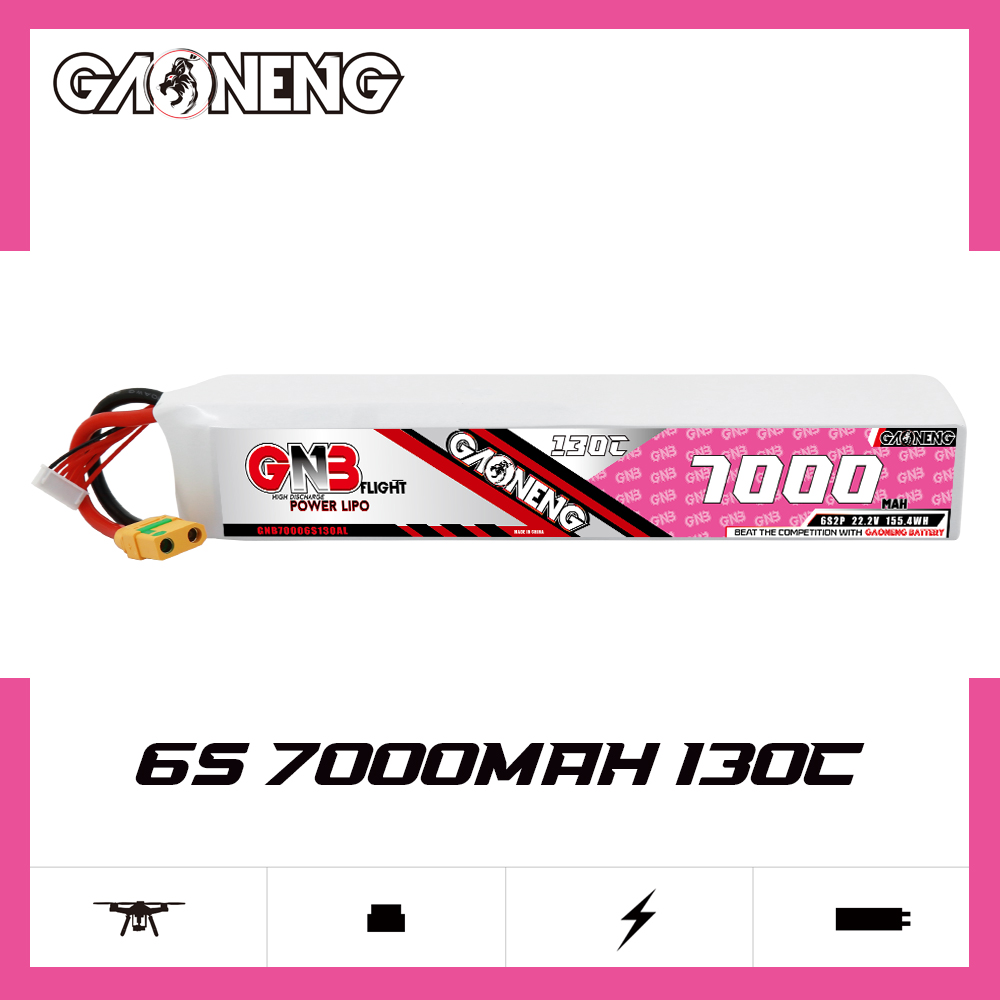
A balance connector getting hot is not a tuning problem. Stop the charging attempt and address the risk before inspecting cables. The small-gauge balance wires and connector contacts are not designed to carry uncontrolled pack current.
Treat hot balance wiring as a safety warning
Heat or smoke at a LiPo balance connector is a safety incident, not a routine charging anomaly. Prioritize stopping the charge and protecting people; only after the equipment is safe should a qualified person investigate connector damage, wiring and charger compatibility.
| What you notice | What to investigate |
|---|---|
| Heat begins immediately when connected | Polarity, damaged pins or wrong adapter possible |
| One balance wire or pin is scorched | Connector fault or short may be localized |
| Pack swells, hisses or vents | Treat as a battery emergency and keep clear |
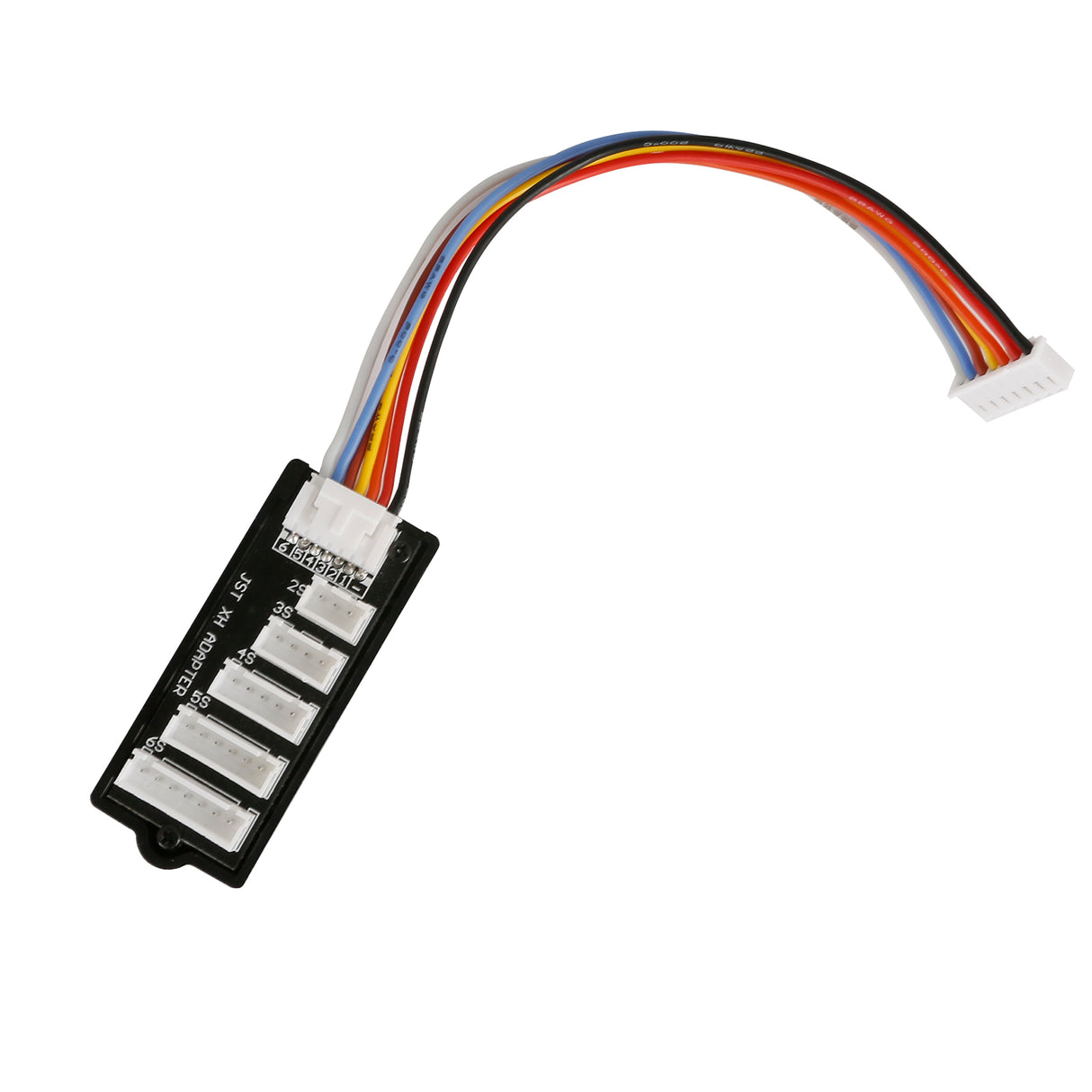
Diagnosis map
1. Stop safely
Do not touch hot conductors or keep replugging to see if it happens again. Stop the charge remotely if practical, disconnect power only when safe, and follow appropriate fire and battery emergency procedures.
2. Separate and isolate
If safe and trained, place the pack in a fire-resistant, ventilated designated area away from people and combustibles; otherwise evacuate and contact local emergency services.
3. Inspect only after cooling
Examine the balance plug, pin order, adapter polarity, charger port and exposed wires without reconnecting the pack. If there was smoke or visible damage, do not return it to normal service.
4. Review parallel charging risks
Only use properly specified boards and matched cell counts/voltage per manufacturer instructions. Large voltage differences can cause dangerous equalization currents.
5. Replace damaged components
Do not solder live damaged battery leads as a field repair. Arrange approved disposal of a compromised pack and assess the charger’s condition before further use.
Practical technical analysis, examples and decisions
Why a balance connector heats much faster than expected
Most multicell LiPo packs use a relatively small balance harness that exposes the individual cell junctions to the charger. It is intended for monitoring and balancing, not for carrying the entire propulsion current or uncontrolled equalisation current between packs. A reversed adapter, bridged pins, bent metal contact or badly connected parallel board can create a high-current path through thin wires. The first symptom may be hot insulation or a scorched connector even though the main XT60/XT90 lead looks normal. Smoke is a safety-critical warning; stop the process instead of testing again with a different charge rate. Do not assume heat in one small wire represents normal balancing.
Immediate actions depend on the situation
If a charger or battery starts smoking, protect people first. Stop charging using the device’s approved control when it can be done safely, avoid directly touching the heated pack or conductors, and move people away from the hazardous area. In the presence of flame, venting gas, rapidly rising heat or risk to people, call emergency services and follow local fire-safety procedure. A burning or damaged LiPo can reignite and may release hazardous products. Do not carry a venting battery through a crowded room or improvisationally seal it in an airtight box. Use safe storage or quarantine procedures only when conditions permit and personnel are trained. Never resume charging a battery involved in a thermal incident.
Why a simple voltage mismatch is dangerous
Parallel-charging boards connect packs so their electrical potentials can equalise. If two packs differ substantially in voltage, connecting them can produce an uncontrolled inrush current even if the charger is turned off. A balance connector’s small conductors are particularly vulnerable to a wiring fault or poor-quality adapter. Match cell count, chemistry and manufacturer-specified voltage limits before using any parallel system, and follow the board’s official connection sequence. If there is uncertainty about pack state, charge the battery individually with suitable equipment rather than experimenting. A charger showing only one total pack voltage cannot certify that every individual cell or every parallel pack has healthy wiring.
Post-incident inspection is not a field repair
Once a battery has cooled and the area is safe, visually examine the balance connector, main connector, lead insulation and pack exterior without reconnecting them. Melted insulation, exposed metal, swelling or unusual odour should take the pack out of normal service. A battery that produced smoke is not made flight-worthy by replacing tape around the damaged lead. Check the charger and any parallel board for damaged sockets or unintended continuity, but do not disassemble live equipment. If the pack or charger needs a specialised assessment, use the manufacturer’s service or approved battery disposal route. Do not present a scorched battery as ‘tested good’ after one low-current attempt.
Preventing the next incident
Buy chargers and boards specified for your battery chemistry, cell count and connector layout. Verify the polarity of each adapter using a trusted wiring diagram; physically identical white balance plugs can hide incompatible pin order. Keep connectors clean and prevent exposed metal from touching carbon frames or tools. Organise leads so that vibration and repeated pulling do not loosen tiny pins. Do not leave LiPo charging unattended and follow an appropriate fire-resistant setup with an unobstructed exit. For shared workshop chargers, label charging ports and train operators to verify packs before applying power. A written pre-charge checklist is a small investment compared with a battery fire.
Which products can help and which cannot
A higher-end charger may offer better cell monitoring and warnings but cannot safely compensate for a wrong adapter or a pack with mechanically damaged leads. A balance-board fuse may reduce some fault consequences without making all connection errors harmless. For routine operation, choose a reliable charger with compatible ports and use separate charge channels when pack conditions vary. Inspect pack connectors and retire compromised batteries, rather than using increasingly thick insulation or oversized connectors as a substitute for repair. If a customer reports smoke, prioritize a safety assessment and disposal guidance over selling a replacement balance lead.
Deeper troubleshooting and practical decisions
A balance wire is not a main discharge cable
A multi-cell LiPo pack exposes intermediate cell junctions through its balance connector so the charger can monitor individual cell voltages. Those small conductors and contacts are not intended to carry the same high current as XT30, XT60 or XT90 power leads. If a balance plug becomes hot, one possibility is a wiring or polarity problem that has driven unexpected current through a thin path. Another is a damaged contact with excessive resistance. Both require immediate attention. A wire becoming hot while charging is a stop condition, not evidence that the charger is simply working hard.
First response if the connector heats or smokes
Stop the charge using the charger controls if it is safe to do so. Do not grip hot leads or pull a connector through smoke and possible arcing. If there is sustained smoke, flame, venting or unusual swelling, move people clear and follow local fire emergency procedures. Isolate other batteries and combustibles only when this can be done safely. Do not put the suspect pack inside an airtight sealed container: a venting lithium battery can release gases. Trained operators should follow the site’s battery fire plan, use appropriate PPE and notify the responsible safety person. Once safe, do not immediately reconnect the pack to test whether the problem returns.
How a parallel board can initiate a fault
A parallel charge board electrically joins corresponding cells across batteries, so substantial equalisation current can flow when connected packs are at very different voltages. Incorrect cell count or a miswired balance adapter adds even greater risk. Never connect mismatched packs merely because all balance plugs physically fit. Follow the board manufacturer’s requirements for matching chemistry, cell count, voltage difference and connector ratings; users should not improvise a ‘safe’ voltage threshold from an online forum. Where an experienced operator cannot verify these conditions, charge packs individually with a correctly matched charger. Some parallel boards also have inadequate or damaged trace protection and must be inspected.
Contact resistance and intermittent balance measurement
A loose, bent or corroded connector pin can increase local resistance and create heat when current passes through it. A balance lead partially torn during a crash may make intermittent contact and confuse the charger’s cell measurements. If a charger reports a sudden cell-count change, impossible voltage or ‘connection break’, stop instead of repeatedly trying again. After the pack has cooled and is handled safely, look externally for damaged insulation, blackened plastic and exposed copper. Do not measure across live adjacent contacts unless the person is qualified and has appropriate insulated instruments; shorting the tiny pins with a meter tip can rapidly worsen damage.
What not to repair at home
Do not splice a smoking lead while the battery is charged, cut multiple cell taps at once, or attempt to bridge scorched connector contacts with wire. Never puncture, squeeze or dismantle LiPo pouch cells. Damage can be internal even if the pack later reads a plausible total voltage. A charger cannot certify that the cells were unaffected. Arrange inspection by a competent battery technician or dispose of the pack through an approved local battery collection route according to manufacturer guidance. A damaged charger should also be isolated and checked before accepting another pack, because a fault at the charger port may damage future batteries.
A pre-charge process for busy drone teams
Before every session, examine pack shape, main leads, balance wiring and the charger’s connectors. Verify chemistry and number of cells in the charger settings, then ensure the measured cell readings are plausible and consistent. Use a fire-resistant charging location with supervision and follow each manufacturer’s charge current, temperature and storage instructions. Keep an incident record if one cable or batch has failed. If an operator sees rising connector temperature, an unexpected cell difference or any smell, pause work rather than trying to reach a client deadline. Replacing one damaged pack is cheaper than risking multiple batteries, workspace damage and personal injury.
Repair, upgrade, or keep the existing equipment?
A damaged LiPo connector requires a battery safety decision, not a general hardware upgrade. A more expensive part is not automatically the correct fix. Explore the related FalconFly UAV product category for equipment that matches the verified requirement.
Realistic workshop and field scenarios
Case 1: A balance lead becomes hot as soon as it is connected
Immediate heating suggests an electrical fault such as wrong adapter wiring, bridged contacts or a short, rather than ordinary cell-balancing operation. Stop the connection process safely and keep people away from the affected battery. Do not handle hot wires directly or continue unplugging and replugging to see whether the event repeats. Once all equipment is safely de-energised and cool, inspect pin orientation, pack condition and the charger or board that was used. Any smoke, swelling or scorched insulation is a reason to retire the pack from normal service and follow approved disposal or specialist assessment procedures.
Case 2: A parallel board is used with batteries at different voltages
Connecting packs in parallel can produce rapid current flow between them as their potentials equalise, even when the charger is not delivering charging current. Small balance wires and connector contacts are especially vulnerable to inappropriate arrangements or voltage differences. Follow the board and battery manufacturers’ exact cell-count, chemistry, voltage matching and connection sequence requirements. If packs are at materially different voltages or health states, charge separately with correctly specified equipment rather than forcing them onto one board. A fuse or expensive charger cannot guarantee that an incompatible connection is harmless. A pre-charge checklist should include individual pack measurements.
Case 3: A charger reads one cell incorrectly after a connector was crushed
A damaged balance contact can cause an unstable or absent per-cell reading that is separate from actual cell health. Do not attempt to correct a suspicious measurement by repeatedly applying higher charge current. Stop the operation and inspect the harness, socket and charger following safe electrical procedures. A battery with a damaged balance harness may require specialist service or disposal; improvised work on live lithium leads can be hazardous. If the pack had already heated or emitted smoke, do not consider it flight-ready even if a later measurement appears normal. Verify the charger’s accuracy and condition using the approved process.
Case 4: The customer asks whether a new high-power charger will prevent it
Higher charger wattage changes available charging throughput, not the fundamental requirement for correct polarity, intact connections and matched cell chemistry. The right recommendation may be a reliable charger with appropriate monitoring, genuine compatible connectors and a safer single-channel workflow. It is not a reason to dismiss a hazardous pack or sell a replacement adapter without identifying the fault. Explain where the problem occurred, what was inspected, and whether the battery and charger were removed from service. For a team environment, standardise labelled ports and trained inspection before each charge session.
Frequently asked questions
Can I tape the hot balance lead and keep flying?
No. Heat or smoke indicates a hazardous electrical fault.
Is a smoke-stop test enough to certify it safe?
No. A compromised cell or connector needs a separate safety assessment.
Final quality and safety check
Any pack or charger involved in a balance-wire smoke incident must be isolated from routine operation. Do not resume charging merely because the total pack voltage reads normally; use approved inspection and battery disposal procedures.
Primary technical reference
Gens Ace/Tattu LiPo charging and handling guide. Damaged or smoking batteries must be handled under approved battery and emergency procedures.

















