


One FPV Motor Stutters but Won’t Start: ESC, Connector or Damaged Winding?

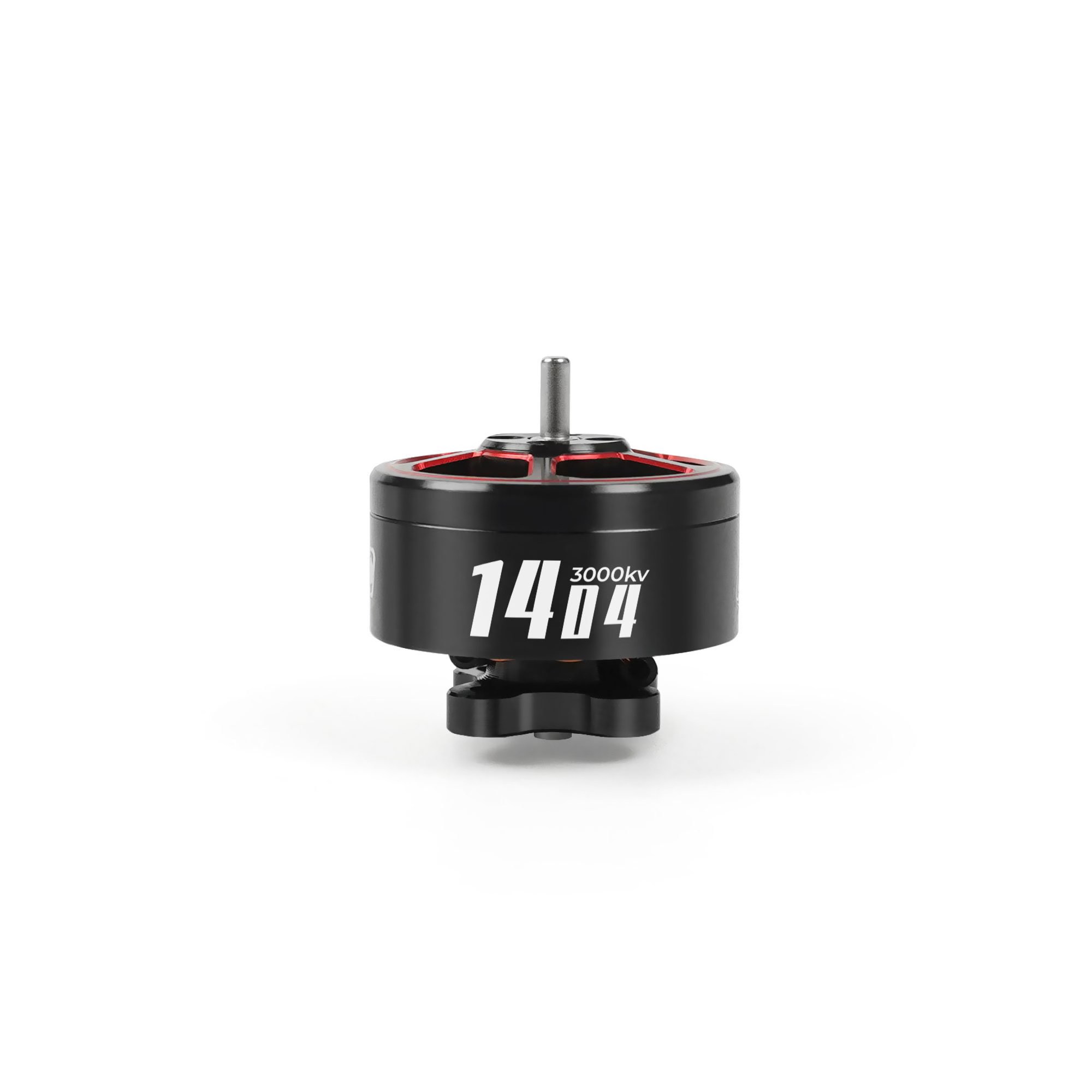
A motor twitches on the bench instead of starting cleanly. It is tempting to swap the ESC immediately, but three-phase motor stuttering can originate in a loose phase wire, damaged solder joint, magnet contact, or ESC fault.
Quick triage: symptom to next action
| Observed symptom | What it may indicate | Safe first check |
|---|---|---|
| Motor twitches but never spins up | Missing phase or failed ESC drive | Stop throttle; inspect all three motor phases |
| Motor bell catches when turned by hand | Dirt, bent shaft, rotor damage or bearing fault | Unplug battery and inspect mechanical drag |
| Fault stays on one ESC channel after a safe swap | Potential ESC output or FC resource issue | Investigate channel rather than buying four motors |
1. Recognize the failure instead of forcing throttle
A stuttering brushless motor may receive incomplete or inconsistent phase drive. Forcing the motor with higher throttle can overheat the winding or ESC MOSFETs. Disconnect the pack and inspect for hot components or burnt smell before proceeding. Never test with props installed.
2. Check mechanical drag and physical damage
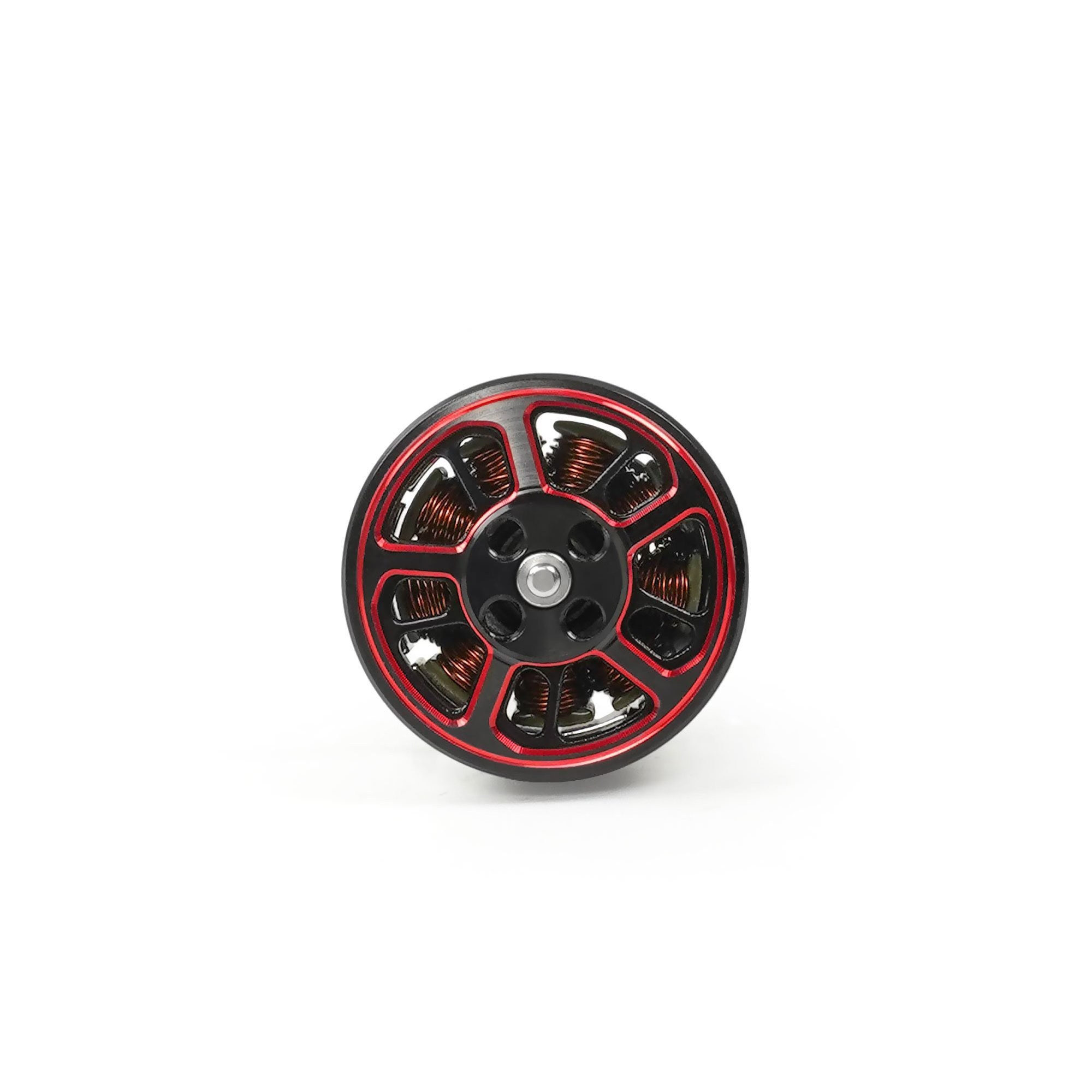
Spin the bell with no power. Look for bent shafts, fractured magnets, packed dirt and a bearing that catches at a particular angle. Compare the affected motor with another motor of the same type. Physical binding is evidence that must be resolved before any ESC firmware changes.
3. Inspect all three phase connections
A three-phase motor does not behave normally when one wire or solder joint has become open or intermittent. Look for hairline cracks at motor pads and connector pins pulled back inside plastic housings. Tug neither the winding wire nor tiny AIO plugs; inspect with a light and magnification.
4. Use controlled swaps only if competent
On builds with accessible motor connectors, exchange two known-good motors between outputs with power fully disconnected. If the fault follows the motor, suspect its wiring or winding. If it stays at the same ESC channel, investigate that output or flight-controller resource. Avoid solder swaps on energized boards and do not bridge adjacent ESC pads.
5. Know when to stop testing
A shorted or damaged phase may damage the ESC if repeatedly driven. If connectors look burnt, replace the compromised component rather than applying extra throttle. Document your findings and confirm current rating and physical fit before ordering replacements.
Verify the exact failed component before flying
With the pack disconnected, inspect the rotor and all phase wires; then compare behavior on the same motor output using an electrically compatible known-good motor only if you are competent with the wiring. A problem that follows the motor points toward its winding, plug or cable; one that remains with the ESC output needs output-level diagnosis. Never conduct these comparisons with propellers fitted, and stop immediately if components heat or smell abnormal.
Before buying replacements
Confirm connector type, board revision, voltage range, mounting dimensions and firmware support against the manufacturer’s documentation. A similarly named product can have different wiring and compatibility. FalconFly keeps relevant products in its drone and FPV shop (related equipment: GEPRC SPEEDX2 1404 3850KV motor), but a troubleshooting article is not evidence that a particular part must be replaced.
Related FalconFly guides
- FPV Motor Screws Too Long? How a Simple Repair Damages Windings
- ESC Desync vs Damaged Motor: Diagnose Sudden FPV Throttle Drops
What to learn from a controlled motor swap
A motor that only twitches is not the same as one spinning backward. If the frame uses compatible removable motor plugs, label the corners and exchange the suspect motor with a known-good one while all power is disconnected. A fault following the motor implicates its winding, connector or cable; a fault staying on the same output points toward the ESC channel or control signal. That simple A/B test avoids replacing an entire stack for one damaged lead.
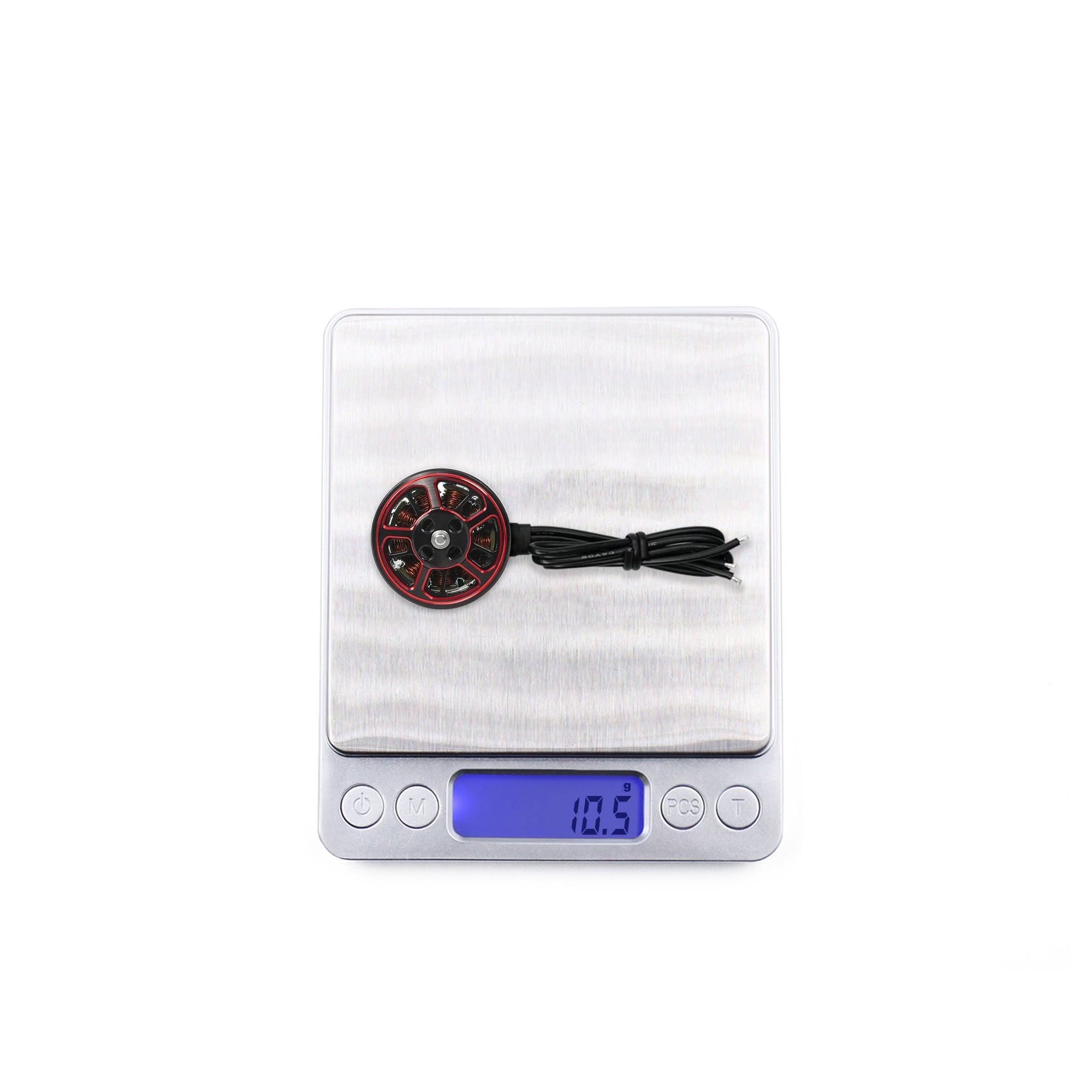
Never perform this test with propellers fitted. If the connector has overheated, the motor smells burnt or the ESC pad is visibly damaged, stop powered tests and inspect the board. Repeatedly pulsing a shorted winding may destroy an otherwise repairable ESC. Confirm the exact replacement connector and motor orientation before ordering.
Frequently asked questions
Is a twitching motor automatically a bad ESC?
No. A missing phase wire, loose micro-connector, damaged winding or physically stuck bell can look similar. Establish whether the problem follows the motor or stays with the ESC output.
Can I keep increasing throttle until it starts?
No. A phase fault can overheat the motor and MOSFETs. Stop powered testing if the motor only jerks, heats rapidly or smells burnt.
What is the safest way to compare outputs?
With props removed and the battery disconnected between changes, check wiring and, when the hardware uses compatible connectors, compare a known-good motor on another output. Never swap live ESC wires.
Technical reference
Read Betaflight Motors tab and safe testing for firmware- or hardware-specific implementation details.

















