


DJI Obstacle Avoidance Missed Glass or Thin Wires? Know the Sensor Limits

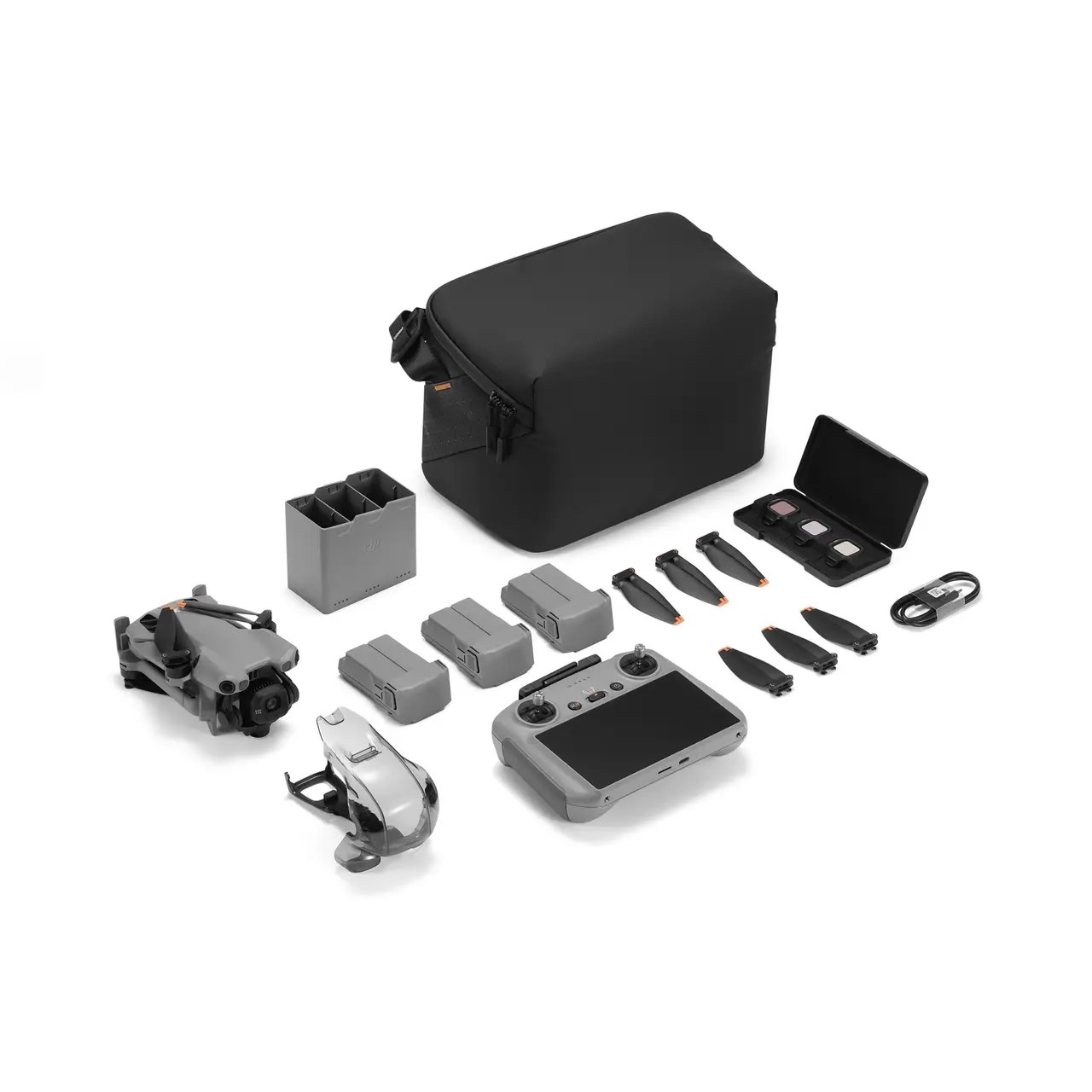
A drone confidently stops before a brick wall, so its pilot assumes it will also stop before a glass facade or a thin power line. That inference is dangerous. Obstacle-avoidance cameras need specific light, texture and object geometry to interpret the environment. A modern sensing system can be sophisticated and still be unable to classify a nearly transparent surface or a fine cable. The DJI Matrice 5T integrates vision, LiDAR and mmWave radar, but these sensors do not remove the need for safe obstacle clearance or an authorised mission plan. The issue is not simply a software bug; it is part of how vision sensing works.
What camera-based avoidance needs to see
DJI manuals describe vision systems as depending on adequate illumination and discernible patterns. Featureless white or black surfaces, glass, reflections, repeating tiles and water can all interfere with reliable depth estimation. A slender wire or bare tree branch may occupy too little of the image for consistent detection. The sensing coverage also differs by model, direction and flight mode. Do not read ‘omnidirectional’ as ‘detects every object from every angle at any speed’.
Why Dubai architecture is a difficult test
Glass towers combine strong reflections with transparent surfaces. An empty lobby may contain polished floors, shiny wall panels and repetitive lighting that confuse visual positioning. At sunset, rapid transitions between intense exterior light and dim interior shade can make sensing performance less predictable. Water adds another problem: reflective and changing texture. For any planned shoot, walk the route first and identify hazards that cannot be safely delegated to automation.
Obstacle warning is not an automatic braking guarantee
A camera drone has inertia, and the available braking distance depends on speed, mode and environmental conditions. DJI documentation expressly warns that sensing cannot replace pilot control. A system that can brake in one well-lit scenario may not achieve the same result in a fast pass near a featureless surface. Do not attempt a test by flying toward a window. Use the published model-specific sensing limits and maintain a practical separation margin from obstacles.
A shot-planning risk table
| Scene | Why sensing may be unreliable | Better plan |
|---|---|---|
| Glass facade | Transparency or reflected images | Keep a safe standoff distance |
| Construction crane | Thin structural bars and cables | Do not approach or rely on auto-avoidance |
| Waterfront | Low-texture moving reflective surface | Maintain generous altitude and pilot control |
| Dim corridor | Insufficient image contrast | Choose a safer alternative shot |
Inspect the sensors instead of trusting the icon
Before any permitted flight, check that sensor windows are clean and unobstructed, the gimbal moves freely, firmware and warnings are understood, and the aircraft is using an appropriate flight mode. Do not use abrasive cleaning products on sensor glass. A damaged or scratched sensing window requires proper service. If the aircraft announces that vision functions are unavailable, revise the flight rather than attempting to force the original route. Safety margins should come from your plan, not a marketing label.
Confirm the exact aircraft model, active firmware, current rules and environmental conditions. If a warning or physical safety issue is unresolved, postpone the flight rather than relying on an automated feature.
Example: filming a glass-fronted showroom
A customer wants the camera to travel toward a glass storefront, stop a short distance away and reveal the interior. The aircraft can recognize the visible framing yet struggle with the transparent central section. A pilot who has tested the sensors on a brick wall should not transfer that confidence to glass. Walk the location, review the geometry and plan a shot that preserves clear separation without relying on automatic braking. For product selection, read the specific sensing specification of an aircraft such as the DJI Mini 5 Pro—and remember that even a newer sensing system has environmental limits.
Glass surfaces can also reflect the aircraft, sky and moving people, making a video-based estimate unstable. Keep high-risk obstacles out of the planned flight corridor altogether.
What to document for a commercial job
Write down the intended flight path, nearest structural obstacles, light conditions, safe operating speed, alternate landing area and who has authority to call off the shot. If a vision-system warning appears, do not treat it as a cosmetic message. Stop and reassess the flight plan. After the job, inspect the sensing windows for dust or marks and note any unexpected warnings for future maintenance. A well-shot reveal should look effortless precisely because the risk was managed before takeoff.
Frequently asked questions
Can a DJI drone reliably avoid a power line?
Small wires and branches may not be detected reliably; maintain separation and direct pilot awareness.
Does obstacle avoidance work equally at night?
No. Many vision systems depend on adequate lighting; check the exact drone’s manual.
Will newer sensors guarantee detection of glass?
No system should be assumed to reliably recognize transparent and reflective surfaces in every condition.

















