


Buying a Used DJI Drone in Dubai: The Inspection Checklist That Matters

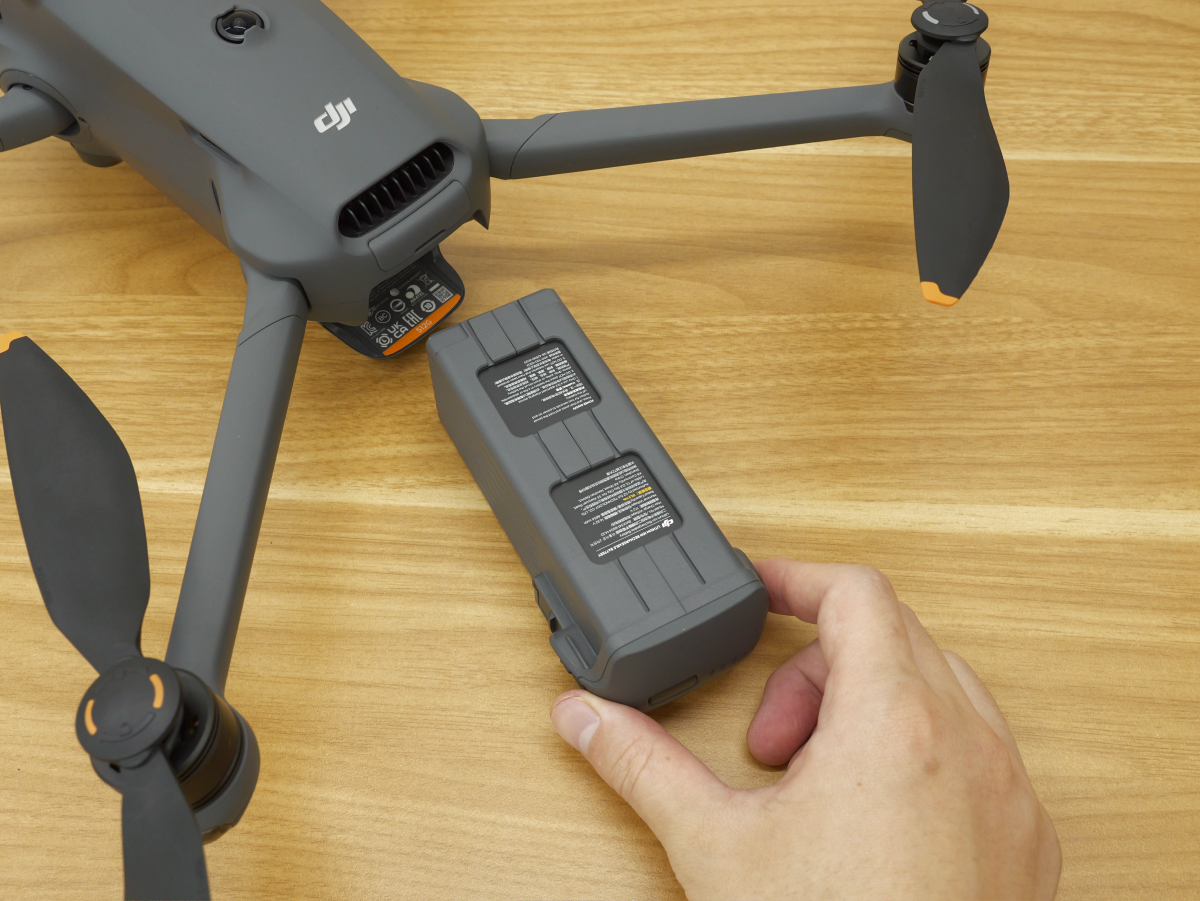
A used drone can look flawless on a table and still be an expensive mistake. The seller shows it turning on, the gimbal moves, and the price is tempting. But an aircraft that cannot be properly transferred, has a worn battery, hides water damage or produces unstable footage may cost more than a new package after repairs. A careful buyer should treat the handover as a technical acceptance test, not a quick accessory count.
Start with identity and ownership—not a test flight
Ask for the exact aircraft model, original serial number, controller variant, invoice or credible proof of purchase, and what is actually included. Check that the serial information on the aircraft matches the relevant records where applicable. Confirm account binding and ownership-transfer requirements for the exact DJI model through DJI’s official process before exchanging money. A factory reset does not necessarily prove that every account or service restriction has been cleared.
Do not assume that a used drone automatically carries transferable coverage or that the prior owner’s service agreement will follow it.
Inspect the airframe in good light
Look for mismatched shell gaps, tool marks, nonmatching screws, cracks around arms and landing feet, moisture residue in visible connectors and damaged propeller locks. Gently check whether moving joints behave normally without forcing them. A replaced arm is not automatically a reason to reject a drone, but it should be disclosed and supported by a credible repair history. Do not accept ‘the camera works’ as proof that impact sensors or obstacle systems are healthy.
Batteries are consumables, not free extras
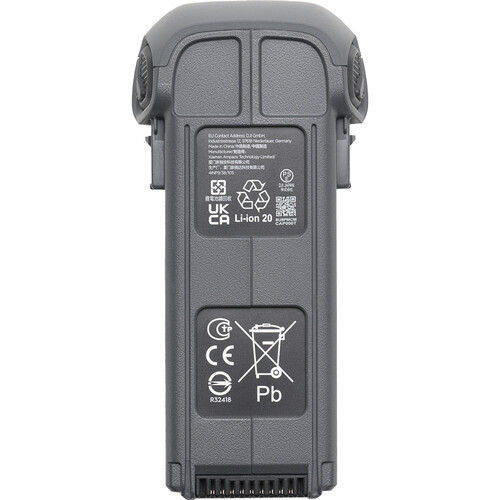
Record each battery serial, health information or cycle count if the specific model exposes it, and visible physical condition. The number of charge cycles alone does not tell you whether a pack has suffered overheating, prolonged deep discharge or mechanical damage. Inspect contacts for corrosion, swelling and wear. If any pack is suspect, do not charge it merely to finish the test. Replacement battery prices can materially change the true cost of a used bundle.
What to test on the controller and camera
| Area | Practical verification |
|---|---|
| Remote controller | Correct pairing, stick inputs and screen/touch operation |
| Gimbal | Smooth startup, no abnormal grinding or tilt warning |
| Camera | Sharp stills and video across supported lenses and settings |
| Storage | Successful recording and file transfer to your device |
| Firmware | Known compatible aircraft/controller versions |
| Battery bay | Secure latch and clean mating contacts |
Do not let the test flight become the risk
Any airborne demonstration must follow current local permissions, operator requirements and safety conditions; a seller asking for an unauthorized pavement takeoff is a warning sign. Where flight is legally permitted, a qualified pilot can verify stable hover, controls, image transmission and warnings without aggressive maneuvers. Otherwise make a conditional purchase or arrange inspection by a competent service provider. Do not use a GPS or compass warning as a reason to force an immediate launch.
When the handover is complete, confirm accessory inventory, transfer status and a written record of any known faults.
Signs that a suspiciously cheap bundle is not a bargain
A missing battery, nonoriginal controller or substitute charging hub can account for much of a large price difference. Ask the seller to itemize every accessory and check whether the controller truly belongs to the same transmission generation. A third-party battery may be incompatible, unavailable for the exact drone, or missing expected protective features. Price the replacement of questionable parts before comparing the bundle with a new kit.
A seller unwilling to demonstrate serial numbers, discuss repair history or explain account transfer deserves additional scrutiny. Do not transfer payment simply because the drone spins its propellers briefly on a desk.
What belongs in a written handover
Record seller and buyer details, aircraft and controller model/serials, number and identification of batteries, known repairs, included accessories and which party is responsible for required registration or transfer steps. State whether the aircraft has been inspected or sold without an airborne test due to flight restrictions. Keep copies of original purchase documents and confirmation of any manufacturer account transition. A short written record can prevent months of arguments about whether a missing remote or damaged battery was included.
Why test footage is more valuable than a glossy photo
Ask the seller for a fresh short recording made on the exact aircraft and camera combination being sold. Inspect it for unexpected blur, horizon drift, gimbal judder, dead pixels or compression artifacts. Compare still photos taken through each available camera lens if the model supports more than one. A cracked propeller or bent arm may produce visible vibration even when the gimbal appears to move normally on startup. Where a safe and legally authorized flight demonstration is not available, make that limitation explicit in the transaction.
After evaluating the drone, calculate the replacement cost of questionable batteries, missing charger and remote controller. A used bundle’s attractive asking price can disappear when essential accessories must be purchased separately.
Frequently asked questions
Does a low battery cycle count prove the battery is healthy?
No. Storage, temperature and physical condition can be just as important.
Can I test-fly a used drone anywhere in Dubai?
No. Follow current local operating permissions and restrictions.
Should I buy before account binding is resolved?
It is safer to verify the manufacturer’s applicable transfer or account requirements before payment.

















