


DJI Compass Interference Before Takeoff: Metal Roofs, Cars and Concrete

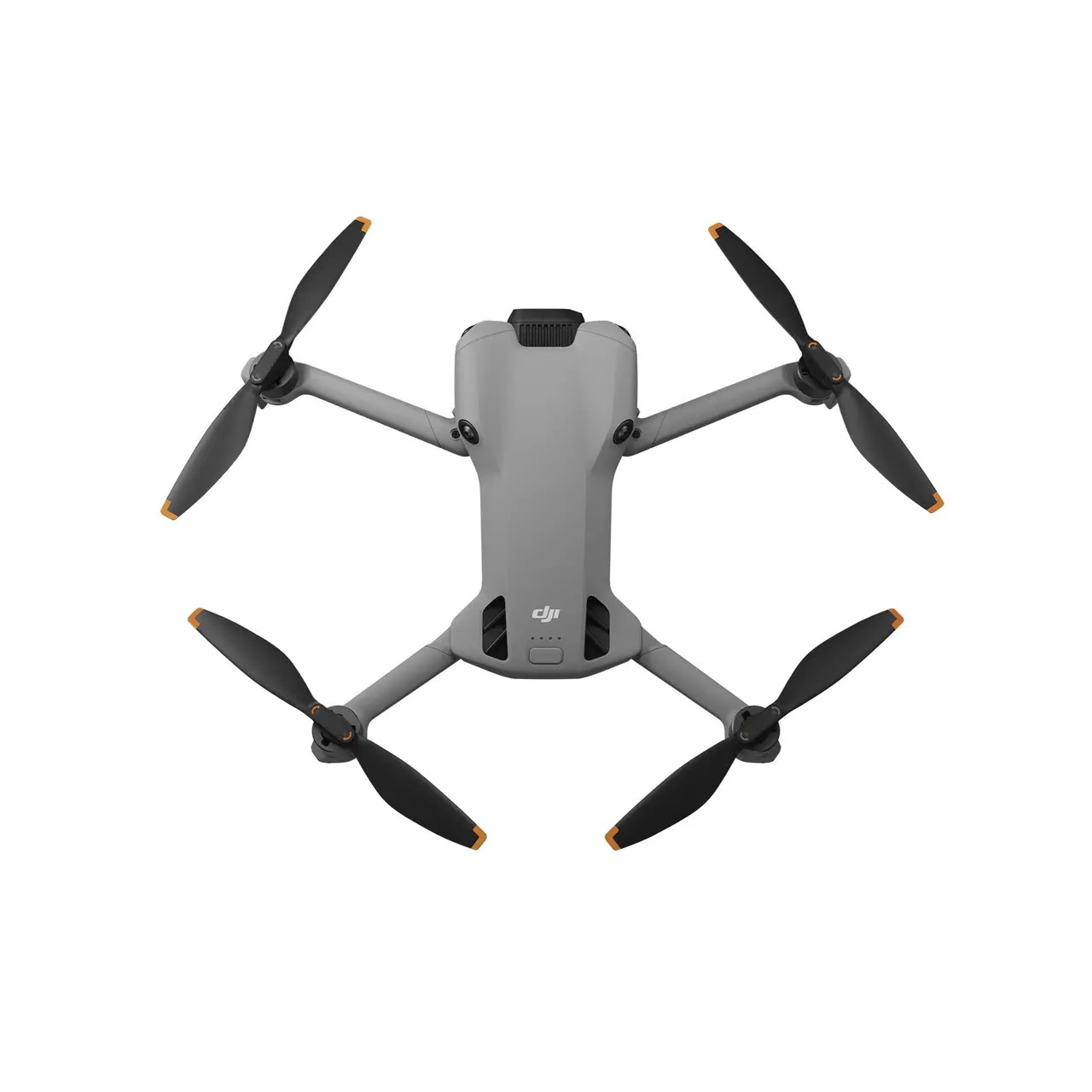
The drone worked yesterday. Today, standing beside a parked car on a rooftop, it reports compass interference before takeoff. It is easy to blame a recent firmware update or try recalibrating immediately. But magnetic interference is often local: steel reinforcement, metal railings, vehicle body panels or electrical equipment can distort compass measurements. The first useful response is environmental assessment—not repeated calibration beside the same metal.
What the compass is measuring
A drone compass, or magnetometer, helps estimate heading relative to the local magnetic field. Ferrous material and electric currents can distort that field. The aircraft may see conflicting information between compass, inertial sensors and other positioning inputs. A warning at one launch spot but not another is an important clue. It does not prove the hardware is defective, but it is a reason not to launch until the cause is understood and resolved.
Why rooftops and parking areas are common triggers
Reinforced concrete can contain steel bars beneath an ordinary-looking surface. Rooftop parapets, metal tables, vehicle bonnets, drainage covers and powered machinery create additional sources of disturbance. Moving the aircraft a short distance to a safe, permitted nonmetallic launch surface may change the indication, but do not treat a warning that disappears briefly as definitive proof of reliability. Follow the drone’s on-screen guidance and check for a clear operating environment.
Do not calibrate simply to make the warning disappear
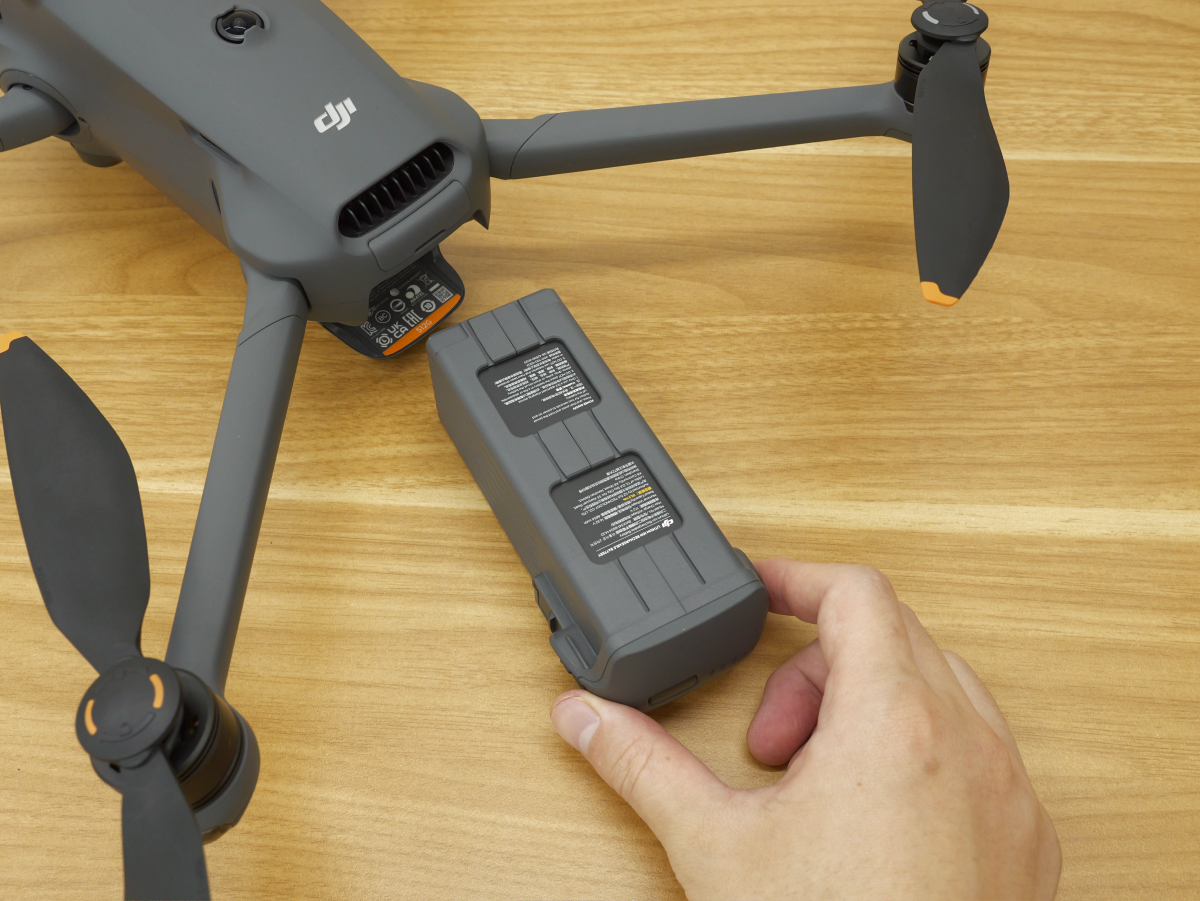
Compass calibration should follow model-specific manufacturer instructions. Repeating it next to magnetic interference can produce poor reference data and complicate later diagnostics. Before considering calibration, rule out nearby metal, magnetic accessories and electrical equipment; inspect whether the drone has experienced an impact or had hardware fitted incorrectly. If the manual requests a calibration, perform it under the specified conditions rather than improvising on a car roof.
Different symptoms, different first checks
| Symptom | Start with |
|---|---|
| Warning only at one rooftop | Local steel and magnetic environment |
| Warning everywhere after a crash | Physical inspection and professional service |
| Compass and GNSS disagree | Do not fly until navigation status is stable |
| Gimbal horizon tilted | Separate camera/gimbal checks from heading sensors |
A practical site-survey workflow
For a permitted filming location, survey the intended launch zone before bringing the drone out. Look for steel, power equipment, tall structures that restrict satellite visibility and safe emergency landing space. Keep the aircraft clear of prohibited or hazardous areas and do not use an improvised rooftop launch to bypass local permissions. If the warning persists in a suitable open environment, collect the exact message, firmware version and device history and consult authorized support. A professional operation does not start by flying through an unresolved navigation warning.
Confirm the exact aircraft model, active firmware, current rules and environmental conditions. If a warning or physical safety issue is unresolved, postpone the flight rather than relying on an automated feature.
Example: one bad corner of an otherwise suitable launch site
A filming crew reaches an approved location and places the drone on a metal drainage cover near a wall. A heading warning appears. A few meters away, on an unobstructed manufacturer-suitable surface, the warning may no longer be present. That pattern suggests a local disturbance, though it does not automatically rule out hardware problems. The lesson is to choose and assess launch surfaces rather than making the aircraft calibrate around every unsuitable spot. A camera drone such as the DJI Mini 5 Pro still benefits from a deliberate preflight survey.
Some magnetic accessories, camera mounting systems and powered equipment carried close to the drone can also affect the launch environment. Keep the area clear of unnecessary items.
When to involve authorized service
If the same compass warning persists in several suitable open environments, especially after a crash or hardware modification, document the exact message and seek model-specific support. Do not keep performing calibrations to make an intermittent failure disappear. Combining a compass problem with questionable GNSS reception or an unfamiliar return-home warning is a reason to postpone flying, not to fly a short trial and hope it resolves itself. Correct navigation behavior matters more than a delivery deadline.
Frequently asked questions
Does reinforced concrete cause compass problems?
Embedded steel can distort magnetic measurements, particularly near the surface.
Should I recalibrate every time I see interference?
Not automatically. First follow manufacturer guidance and identify environmental causes.
Can a compass warning be ignored if GPS is strong?
No. Position and heading sensors serve different purposes; unresolved warnings require attention.

















