


DJI Drone Gimbal Vibrates or Horizon Tilts: Safe Troubleshooting

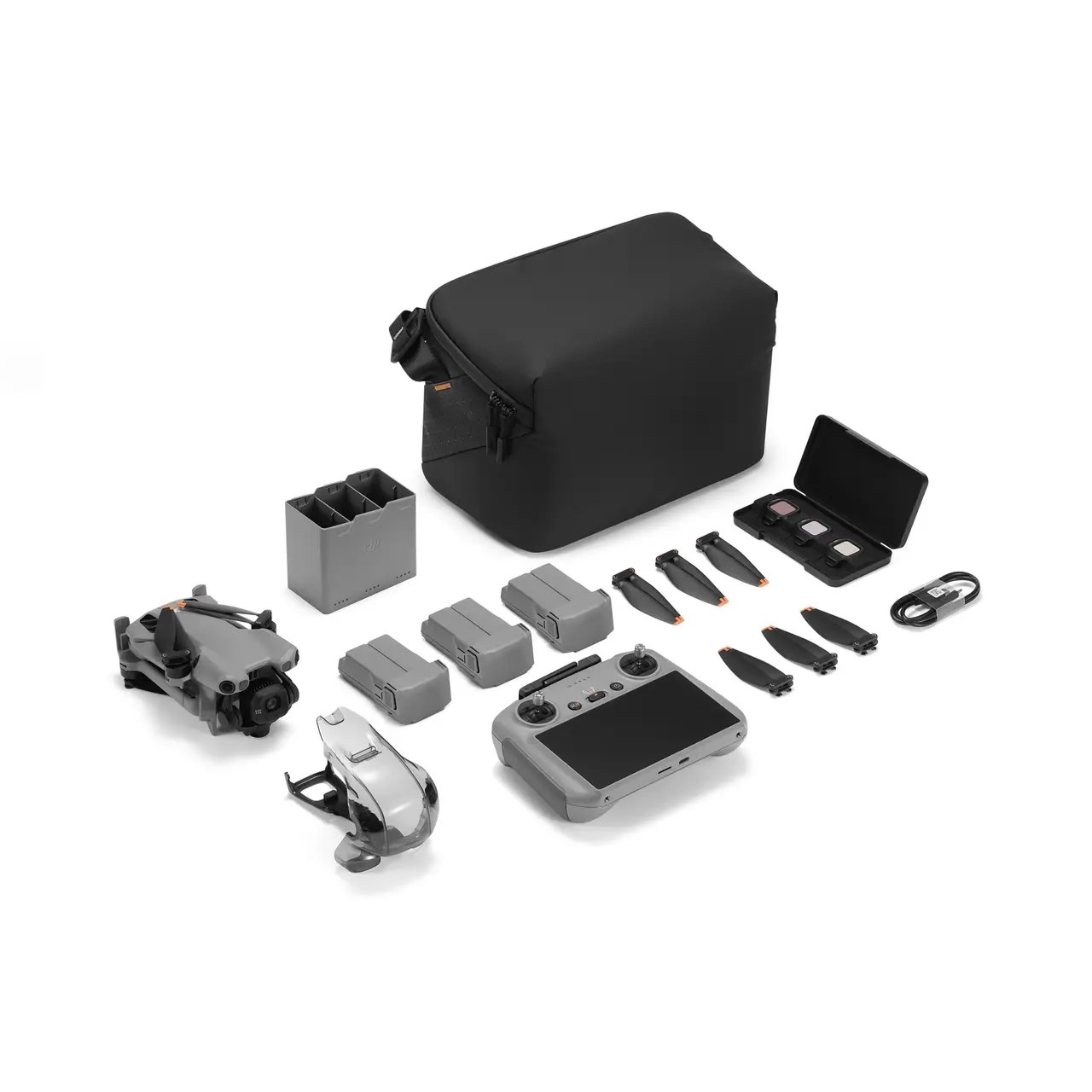
A crooked horizon or twitching gimbal can ruin otherwise excellent footage, but the causes vary widely. A temporary calibration problem, transport protector left in place, propeller vibration, loose camera mount or physical impact can create similar symptoms. A disciplined inspection prevents an avoidable flight with a damaged gimbal. These checks apply conceptually to many DJI camera drones, but individual menus and supported calibrations differ by model.
Start with the aircraft switched off
Remove any gimbal cover or transport protector exactly as the manufacturer instructs. Check for debris, sand or a snagged ribbon cable without pulling on the delicate mechanism. Inspect for a bent mount, displaced dampers, cracked shell or signs of a hard landing. The gimbal should never be manually forced through its travel or held against its motors while powered. If impact damage is visible, stop and arrange proper service.
Level ground and correct initialization
Place the aircraft on a stable, level surface and power it on with no object touching the camera. Confirm that the gimbal completes its startup movement and that the app reports no gimbal error. A slight horizon offset in otherwise stable footage may be addressed by a supported gimbal calibration or adjustment, but a constant motor buzz or violent shaking is not a normal calibration request.
Differentiate gimbal motion from propeller vibration
Review a short clip and note whether the horizon is simply tilted, slowly drifting or shaking at high frequency. A damaged propeller can transmit vibration through the body even if the gimbal itself is healthy. Check props, motor condition and arm integrity after shutdown. Never run a drone with suspect blades merely to see whether stabilization can compensate. Optical and digital stabilization cannot correct every mechanical vibration.
Firmware and calibration order
If the mechanism is intact, check the manufacturer’s app for firmware or calibration guidance relevant to the exact model. Calibrate on a stable surface and avoid moving the aircraft during the process. If a recommended calibration repeatedly fails, preserve the on-screen code or screenshot rather than forcing a hidden service procedure. Firmware updates will not repair a broken flex cable or cracked mounting bracket.
Proof before returning to work
Perform a ground-only camera pan/tilt check, then a brief authorized low-risk flight if no warnings remain. Record the same simple pan and level horizon at different yaw directions. Check that the issue does not return when aircraft motors load the frame. If the vibration returns only airborne, escalate propeller/mount inspection; if it occurs when stationary, inspect the gimbal system itself.
At-a-glance diagnostic comparison
| Horizon consistently off level | Supported gimbal calibration or trim |
| Buzzing immediately on power-up | Obstruction, impact, motor or flex issue |
| Fine jitter only when flying | Propeller and aircraft vibration |
| Calibration fails repeatedly | Stop and preserve diagnostic information |
Practical checklist
- Power down and remove gimbal cover
- Inspect physical freedom, mounts and propellers
- Initialize on a stable level surface
- Use only model-supported calibration
- Verify cautiously and stop if warning returns
Frequently asked questions
Can I straighten the gimbal by hand?
Do not force it. Delicate motors and flex cables are easily damaged.
Will an ND filter cause shaking?
An incorrectly fitted or overly heavy accessory can upset a gimbal; use only approved model-specific accessories.

















