


Two FPV Pilots, One Bad Video Feed: Preventing Analog Channel Interference

Your picture is fine until someone at the flying field plugs in a second quad. Suddenly the goggles are full of stripes or the other pilot’s camera appears. Often both people assume a receiver has failed. This is usually a frequency-planning and power-up problem, not a defective goggle screen. Shared analog 5.8GHz airspace needs deliberate channel assignments and a clear ground procedure—especially when newcomers arrive halfway through a session.
Why ‘different channel’ is not enough
Analog channel names are presets, and different bands can contain frequencies that overlap or sit very close to one another. Two pilots selecting ‘channel 3’ on unrelated bands may not be far apart in frequency. Adjacent-channel interference also depends on transmitter bandwidth, power and receiver filtering. Build a frequency list in MHz, not just letters and numbers. Raceband channel plans are often convenient for organized FPV use, but you still need to check the specific VTX and local spectrum rules.
The most dangerous moment is often on the bench
A drone powered at high VTX output just a meter from a pilot’s goggles can overwhelm a receiver even when the flying aircraft is hundreds of meters away. When several pilots fly, newcomers should ask before powering any transmitter. Use the hardware’s verified pit or low-power mode while configuring at the table. Some VTX units automatically change power after arming; learn that behavior before the first group session. Never assume that a switch shown in an OSD proves the transmitter has actually entered pit mode.
Antennas and geography still matter
Check matching polarization and correct connector types. A cracked VTX antenna can radiate badly and produce interference or poor reception. Separate the pilot line from the powered maintenance area where practical, and orient receiver antennas thoughtfully. For shared equipment, label channels on each craft and record the working frequency in a small team sheet rather than relying on memory. Even a well-spaced channel layout can fail if someone accidentally powers up an old preset.
A simple four-pilot procedure
| Step | Operator action |
|---|---|
| Before plug-in | Ask the flight-line coordinator for a free permitted frequency |
| On the bench | Keep VTX in verified low-power/pit mode where supported |
| Before takeoff | Confirm each pilot sees only their intended camera |
| After landing | Disarm and return to approved bench settings |
If video breaks up mid-flight
Prioritize controlled recovery rather than trying to reconfigure radio frequencies in flight. Have other pilots avoid powering or adjusting transmitters until the aircraft is safely down. Later, check the channel plan, receiver presets, logs and DVR footage, if available. The right technical fix may be changing how the team powers equipment on rather than replacing a transmitter. And if flights require permission or approved frequencies, a better channel plan never substitutes for complying with those rules.
A field lesson from a two-pilot session
The first pilot is already flying on one analog channel. A second pilot arrives with a quad set to a different band name but nearly the same frequency. Because the receiver is close to the bench, the new VTX briefly overwhelms the existing goggles. The mistake is not that either antenna is necessarily broken; it is that no one recorded the actual channel frequency or coordinated power-up. A simple whiteboard listing assigned channels in MHz would have prevented the incident.
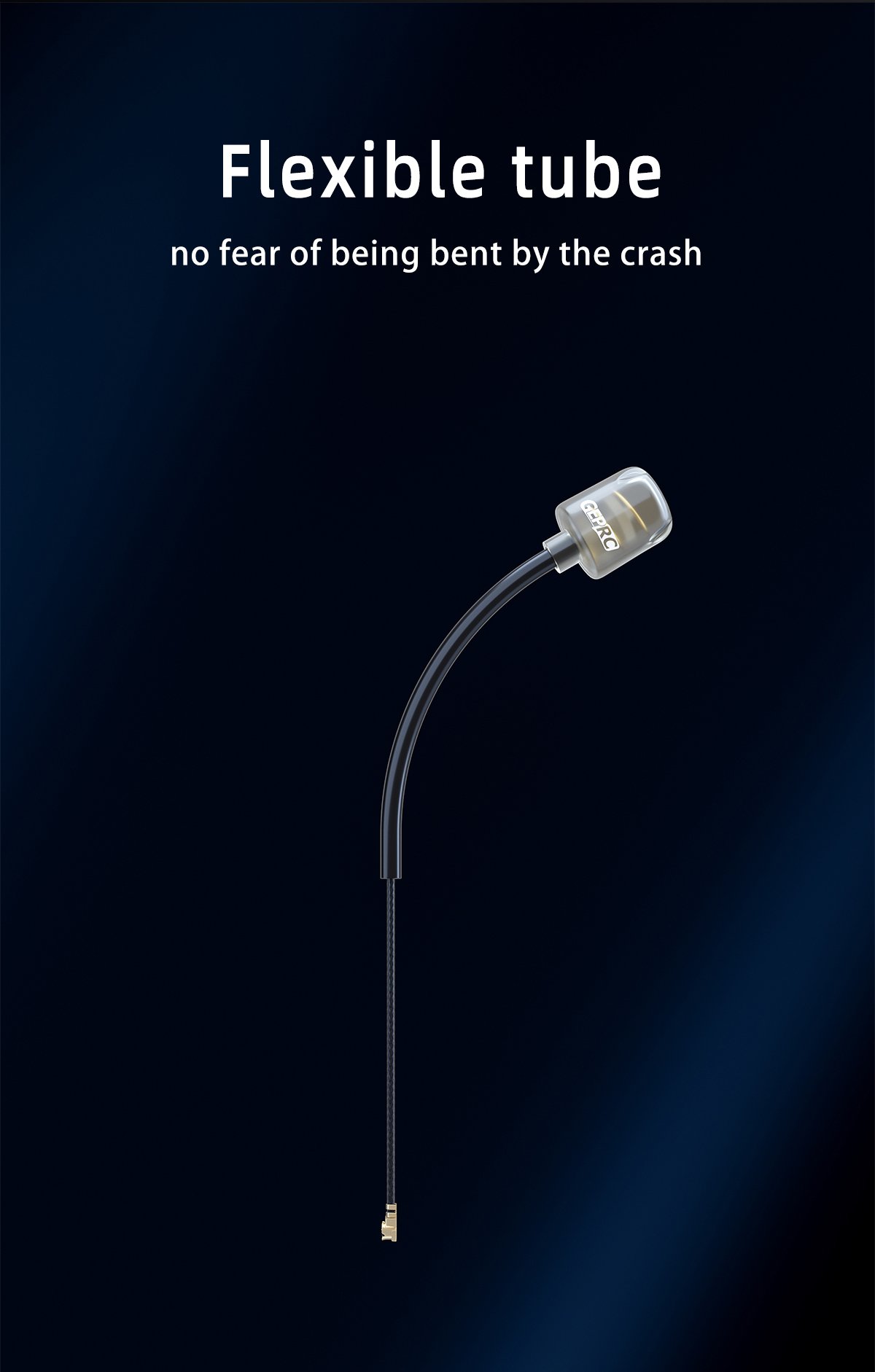
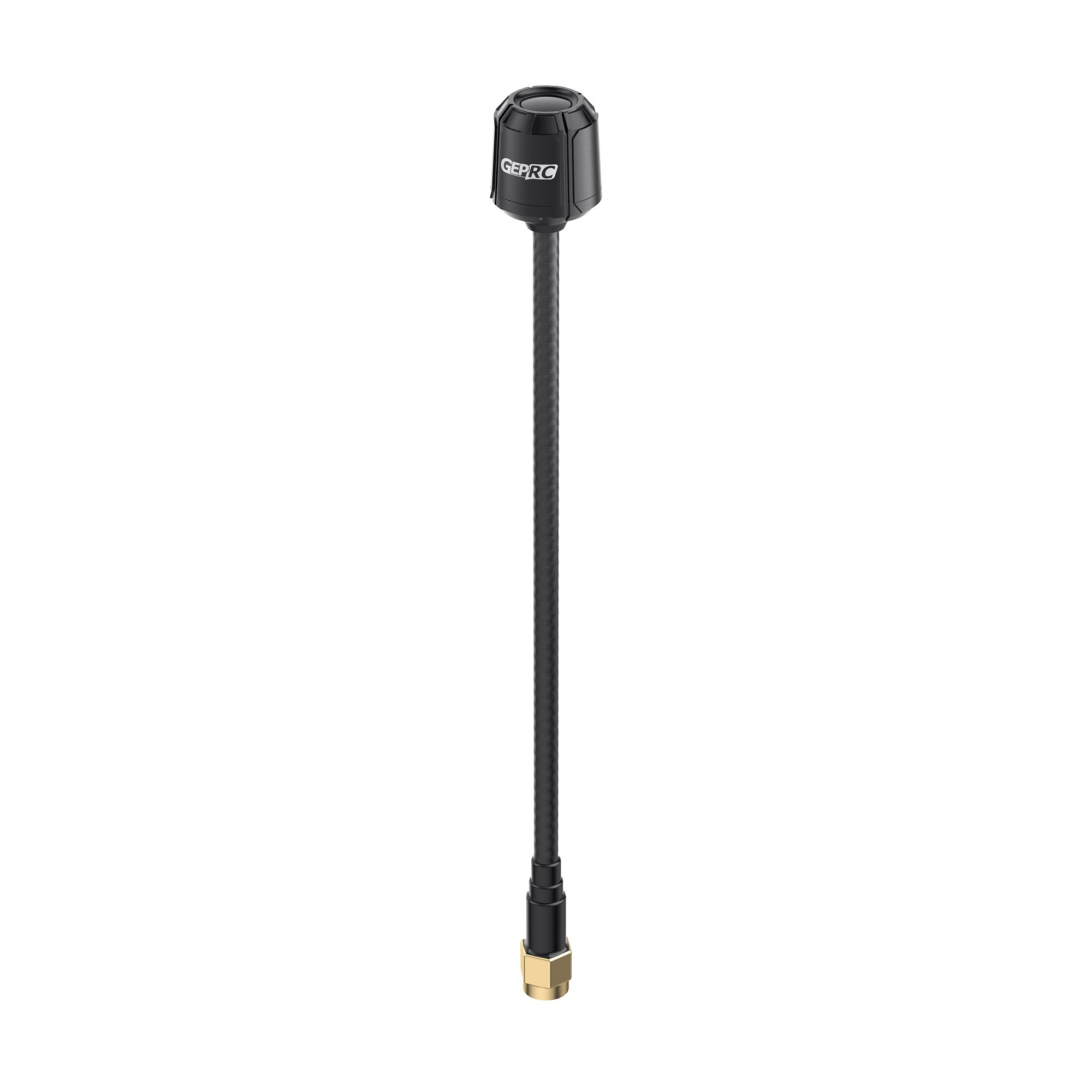
For aircraft maintenance, a matching antenna matters too. FalconFly stocks a compact GEPRC Peano RHCP U.FL antenna and a differently connected Momoda2 RHCP SMA antenna. They are not mechanically interchangeable just because both are described as 5.8GHz RHCP.
Make coordination part of the flight briefing
The person responsible for a group flight should document the approved frequencies and ask every operator to confirm an assigned channel before powering on. If another pilot has an incident, avoid switching on transmitters to ‘check’ while an aircraft is in distress. Recover the aircraft, then diagnose the overlap at the ground station. Channel plans should be revised when new equipment appears rather than treated as permanent labels.
Questions customers ask
Can two pilots use the same analog frequency?
Not safely for independent simultaneous FPV flights. Coordinate unique permitted frequencies and adequate separation.
Why did the nearby pilot override my video feed?
A close high-power transmitter can overwhelm the receiver front end; check power-up procedure.
Does Raceband remove all interference?
No. Correct channel assignment, power, antennas and separation still matter.
FPV antenna guide · monitor and DVR guide · analog VTX selection
Technical reference: official documentation.

















