


Sub250 Oasisfly30 O4 Pro vs Pavo20 Pro II: Outdoor FPV or Protected Cinewhoop?

A buyer asks for a small O4 Pro drone to film a cafe, follow a bicycle outdoors and occasionally fly freestyle. Those sound like three jobs, but they do not reward the same airframe. A protected cinewhoop and a compact open-prop freestyle model may both carry digital video, yet clearance, wind behavior, sound, crash consequences and repair costs differ. The camera name alone tells you very little about whether the entire system fits your work.
The most consequential difference: the propeller environment
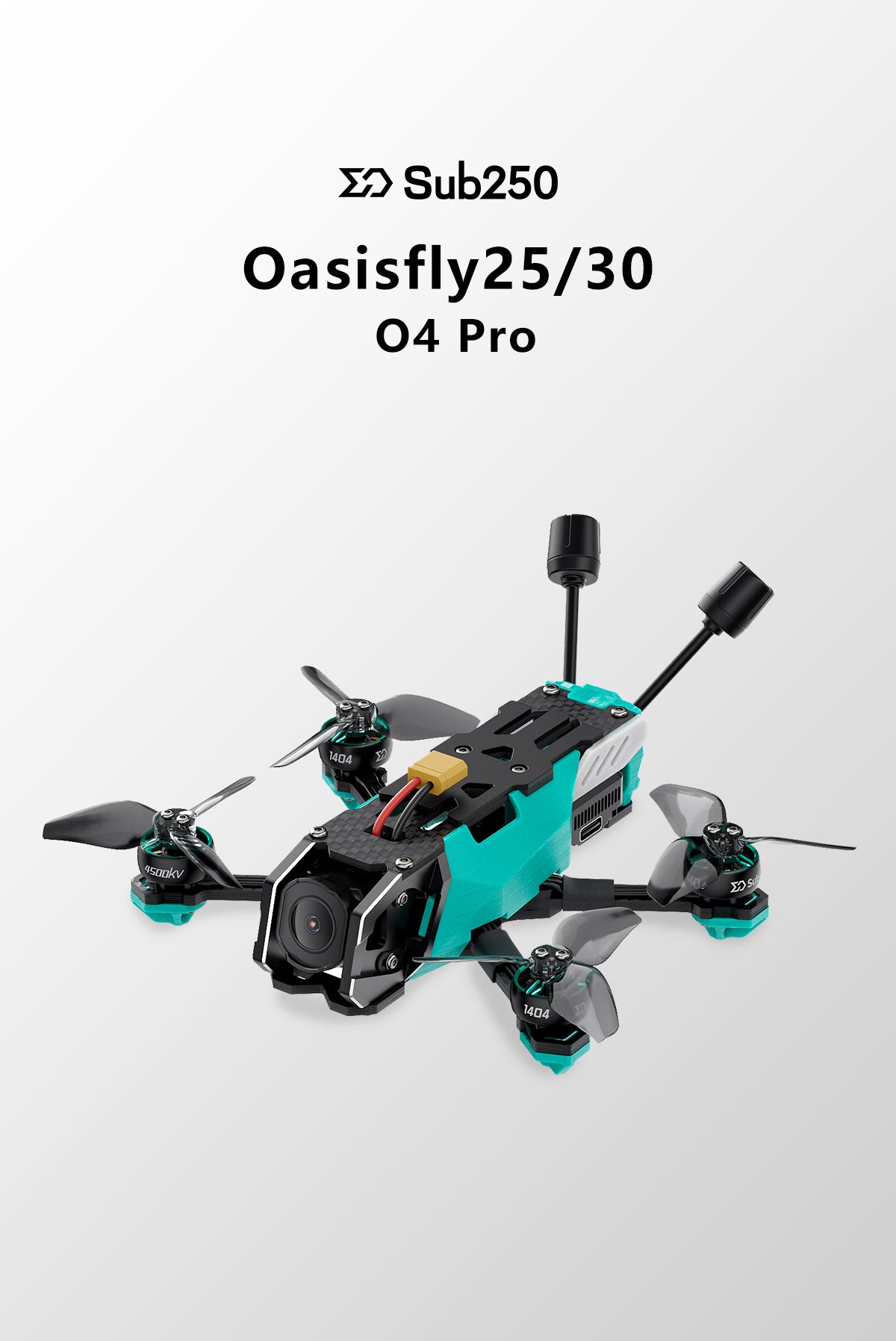
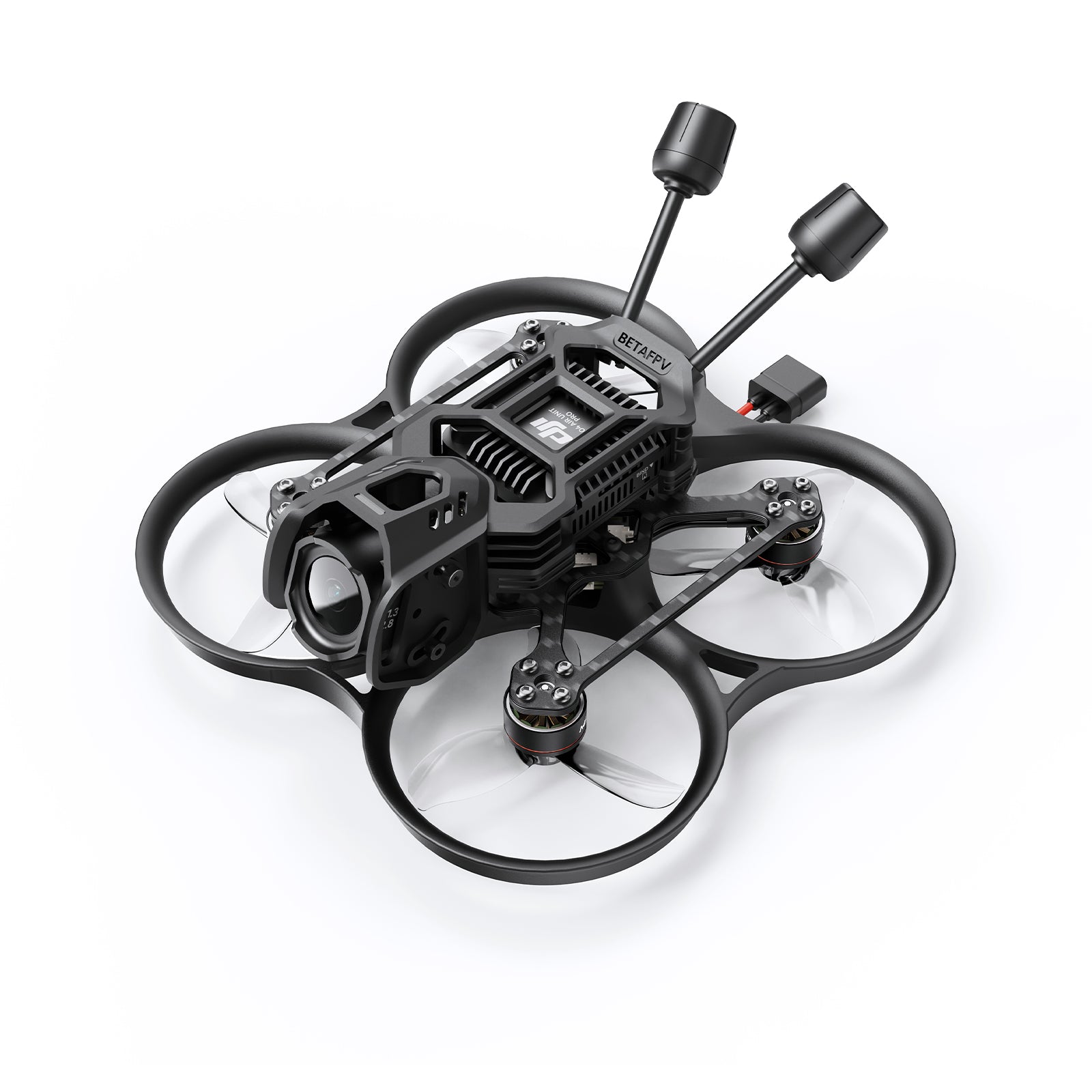
Pavo20 Pro II is a compact ducted cinewhoop platform, designed around protected propeller geometry. Oasisfly30 is a roughly three-inch-class freestyle platform with more exposed props. Ducts can reduce certain incidental contacts and help in constrained filming routes, but they do not make flying close to people inherently safe. Exposed propellers can offer a different aerodynamic and repair profile outdoors, with no surrounding guard to scrape against furniture. Neither design should be chosen on appearance alone.
If you are shopping for the 3S configuration discussed here, see the separate Pavo20 Pro II 3S listing and confirm its receiver option before ordering.
Before ordering, define the legal, physical and operational environment. The drone that works around empty interior architecture may not be your preferred freestyle machine on a windy open field.
Digital picture quality is not the same as flight behavior
Both product names reference DJI O4 Pro systems. That can make camera comparisons seem straightforward, but video performance still depends on vibration, camera mounting, propeller reflections, cooling and firmware. A faster aircraft with harsher vibration can produce worse footage despite using the same camera family. Ask for sample footage at the kind of speed and lighting you actually intend to use.
Also verify goggles and controller compatibility and whether the listed configuration includes an ELRS receiver, compatible radio, or a separately purchased transmitter.
Where each becomes convincing
| Scenario | Stronger selection question |
|---|---|
| Indoor empty commercial space | Will the ducted craft clear corners, doors and lights? |
| Open outdoor freestyle | Does the unguarded frame provide the handling you need? |
| Vehicle or bicycle follow | Can pilot skill, safety perimeter and battery reserve support the route? |
| Occasional travel | Which spare frame, battery and props are easier to carry? |
These are not claims that either model is approved for every location. Check local permissions and the aircraft’s actual specifications first.
A real customer budget includes the second crash
Price out replacement ducts or arms, camera bracket, props and batteries before comparing drone prices. A single crash may damage only inexpensive propellers on one build and a special duct or canopy on another. Conversely, a duct can prevent a small brush against furniture from becoming a major repair. A customer’s time waiting for a replacement part can cost more than the component itself on a paid filming job.
Look at battery insertion and connector access. A compact camera platform can be frustrating if changing packs disturbs the camera angle or pulls on fragile antenna leads.
Before you decide: simulate the exact shot list
Write down the tightest clearance, flight speed, camera tilt, expected wind exposure and how close the route comes to obstacles. For a smooth interior reveal, practice deliberately slow passes. For a technical outdoor freestyle session, test braking, acceleration and low-speed recovery in a clear approved area. Try to avoid buying one vehicle based on a spectacular video clip made by a pilot in a very different environment.
With any model, make sure the exact O4, battery, receiver and motor combination ships as described; similar product names can hide different revisions.
Imagine a real estate shoot followed by an outdoor practice session
For a paid interior tour, the pilot may need gentle low-speed movement, controlled noise, clear lines through empty doorways and enough propeller protection to reduce certain incidental contacts. For an outdoor practice session, the same pilot may want aggressive roll authority, quick braking and easy access to exposed motor hardware. One machine might handle both, but not equally well. Write the two shot lists separately rather than pretending a camera sensor solves the airframe tradeoff.
When assessing a used or ready-to-fly unit, ask for actual footage from the configuration being sold: same camera mount, same propellers and ideally a similar battery size. Generic manufacturer footage can hide important differences in stabilization and vibration.
Five questions that decide the order
Where are you legally permitted to fly? How wide is your narrowest planned route? Which digital goggles and radio do you already own? How quickly can you replace a broken propeller or duct? And what is the actual mass of the configured, battery-equipped aircraft? These questions expose the hidden costs of compatibility and repairs. If the buyer cannot answer them, compare the complete bundles—including batteries, goggles, radio and spare parts—before comparing aircraft-only prices.
Common customer questions
Is a ducted drone safe to fly around people?
Ducts are not a guarantee of safety. Follow local rules, maintain separation and use appropriate professional risk controls.
Does an O4 Pro camera guarantee identical footage?
No. Vibration, exposure, firmware, camera mounting and pilot movement still matter.
Can I swap the same battery between both models?
Only if each model’s voltage, dimensions, connector and recommended pack specifications match.
Continue with FalconFly
Sub250 Oasisfly30 O4 Pro · Pavo20 Pro II 4S · Pavo20 3S versus 4S.
Manufacturer information — check the manual for your exact revision before modifying equipment.

















