


LiPo Battery After a Drone Crash: Dent, Puffing or Torn Balance Lead?

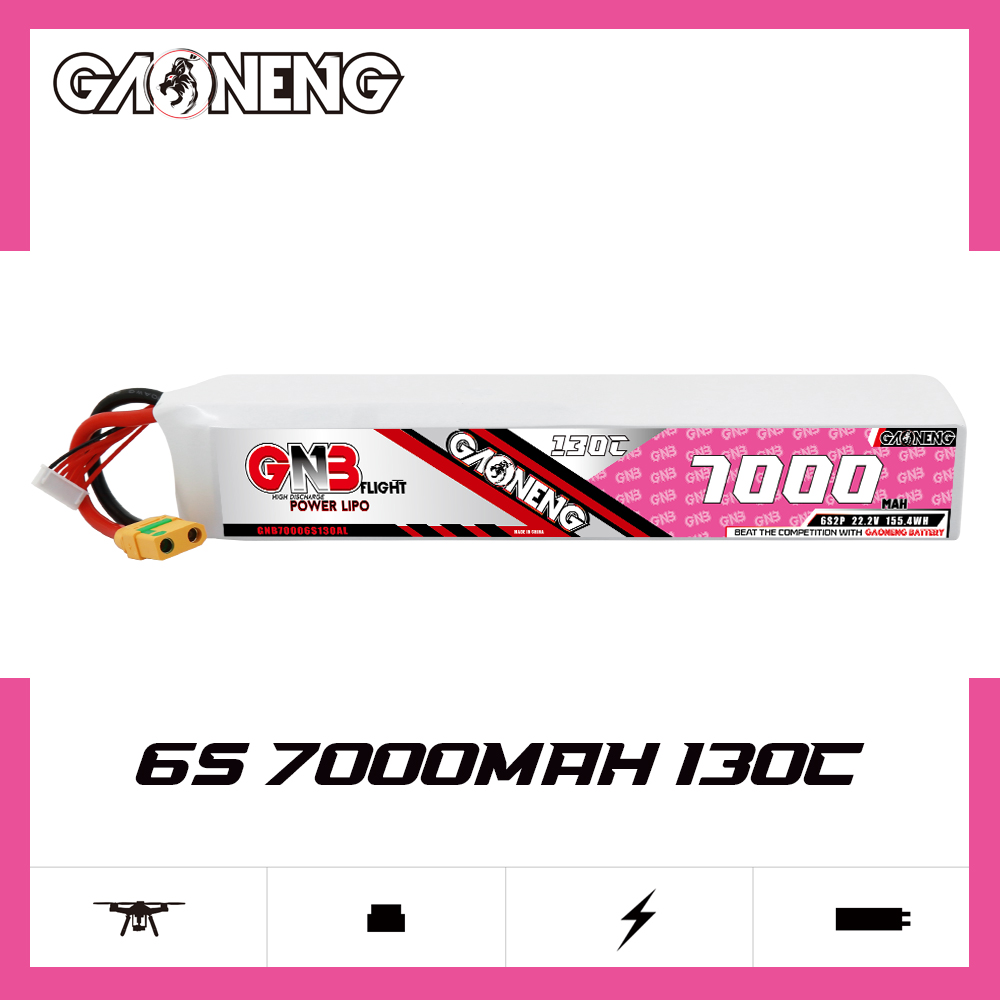
The quad is broken but the battery still shows a normal voltage on the charger. A customer asks whether that means the pack is safe to use. Unfortunately, voltage alone cannot reveal a punctured separator, crushed pouch layer or damage to an internal connection. A LiPo can be electrically alive and still be hazardous after an impact. The correct workflow is risk assessment and isolation—not charging it one more time to find out.
Stop at the crash site before reconnecting anything
Disconnect power if it can be done safely without handling a smoking or dangerously hot battery. Keep people away from a damaged pack. Look for smoke, swelling, leaks, unusual smell, exposed conductors, torn shrink wrap or evidence the pack was compressed under the aircraft. If the pack is heating, smoking or venting, do not handle it; follow local emergency procedures and avoid inhaling fumes. A severely damaged battery should not be brought indoors for routine charging or storage.
A dent is not a cosmetic detail
Pouch cells rely on thin internal layers that may be compromised by puncture or crushing. A surface mark in removable outer protection differs from a visible dent in the cell itself, but owners should not cut open the wrap to ‘see whether the cells are fine’. If a pouch is visibly deformed, swollen, punctured or leaking, retire it and use an appropriate local hazardous-waste or battery-recycling route that accepts damaged lithium cells. Do not throw it in ordinary household rubbish.
Balance leads deserve a separate inspection
Even without a swollen pouch, a crash can sever or pinch a balance wire. The small conductors expose individual cell connections and can create a short if they touch. A charger error or inconsistent cell reading after impact should not be ‘fixed’ by forcing the charge cycle. Do not splice or solder live, damaged packs as a casual DIY project. Have any electrical assessment performed by a competent battery technician, or retire the pack where safe inspection cannot establish reliability.
Damage triage
| Finding | Conservative response |
|---|---|
| Swelling, leakage, smoke or heat | Isolate, do not charge, seek safe disposal/emergency guidance |
| Puncture or deep cell dent | Retire the pack |
| Exposed or torn balance conductors | Do not charge or reconnect |
| Minor scuff to outer sleeve only | Inspect carefully; if uncertain, seek qualified advice |
Prevent the next battery incident
Review the crash path, strap routing, pad grip and connector strain relief. A properly fitted pack should not be able to slide against an exposed screw or sharp carbon edge. Keep batteries separate from metal tools during transport and secure loose balance connectors. Use original manufacturer guidance for charging and storage, and never leave packs unattended during charging. For a high-value aircraft, documenting which batteries experienced an impact can prevent a damaged unit from quietly returning to the flight rotation.
Confirm the exact aircraft model, active firmware, current rules and environmental conditions. If a warning or physical safety issue is unresolved, postpone the flight rather than relying on an automated feature.
Example: the battery that looks normal except for one corner
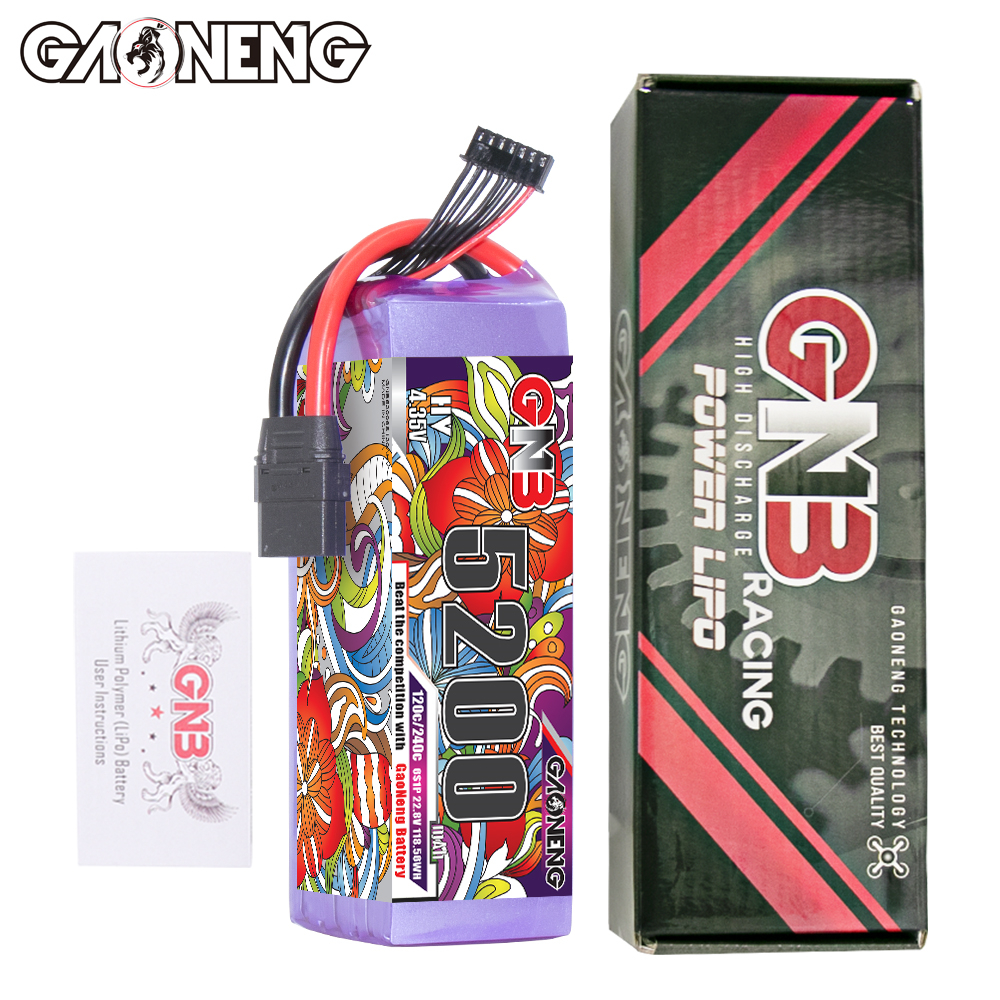
After a crash, a pilot notices that a large GNB 6S pack has a corner flattened against a carbon plate. The charger still reports a plausible total voltage. The pilot should not treat that reading as permission to charge or fly: a pouch may be internally damaged while preserving voltage for a time. Isolate the battery safely, avoid further electrical stress and seek appropriate damaged-lithium handling guidance. Replacing a suspect pack is expensive, but a battery fire can cost far more.
Do not cut open shrink wrap around suspicious cells to see whether the dent is ‘really internal.’ If the cell condition cannot be reliably assessed without unsafe manipulation, professional assessment or retirement is the conservative path.
What a fleet or workshop should record
Assign each pack a simple identification label and log significant impacts, charging irregularities, swelling and balance-lead faults. Include the crash date and whether the battery left its mount. Do not put a quarantined battery back into the usable battery drawer because it later shows a normal voltage. Establish a route to an authorized recycler or hazardous-waste service that can accept damaged lithium packs. These practices are especially valuable when several pilots share batteries and the next user did not witness the crash.
Frequently asked questions
If every cell reads normally, is the crashed pack safe?
Normal voltage does not rule out internal damage or physical cell deformation.
Can a swollen LiPo be discharged and reused?
No. Treat swelling as a reason to retire and dispose of the pack appropriately.
Should I repair a torn balance wire myself?
Do not work on live damaged battery leads without suitable professional competence and procedures.
Relevant FPV battery examples: GNB 660mAh 2S LiHV XT30 and GEPRC Storm2.0 1530mAh 8S LiPo XT60. Compare their cell count, chemistry, balance connector and damage signs against the original pack label; these two voltage classes are not interchangeable.

















