


Flying With FPV LiPo Batteries: 100Wh, 160Wh and Airline Cabin Rules


You have a flight out of Dubai, a drone in your carry-on and four batteries in a pouch. One pack is labeled 6S 1700mAh; another is a huge 7000mAh unit. Both say ‘LiPo’, but the airline does not classify them simply by chemistry or cell count. Watt-hours, packaging and the airline’s own rules determine whether they are acceptable. Getting this wrong at check-in can mean surrendering an expensive pack or missing the flight while reorganizing equipment.
Calculate Wh before packing
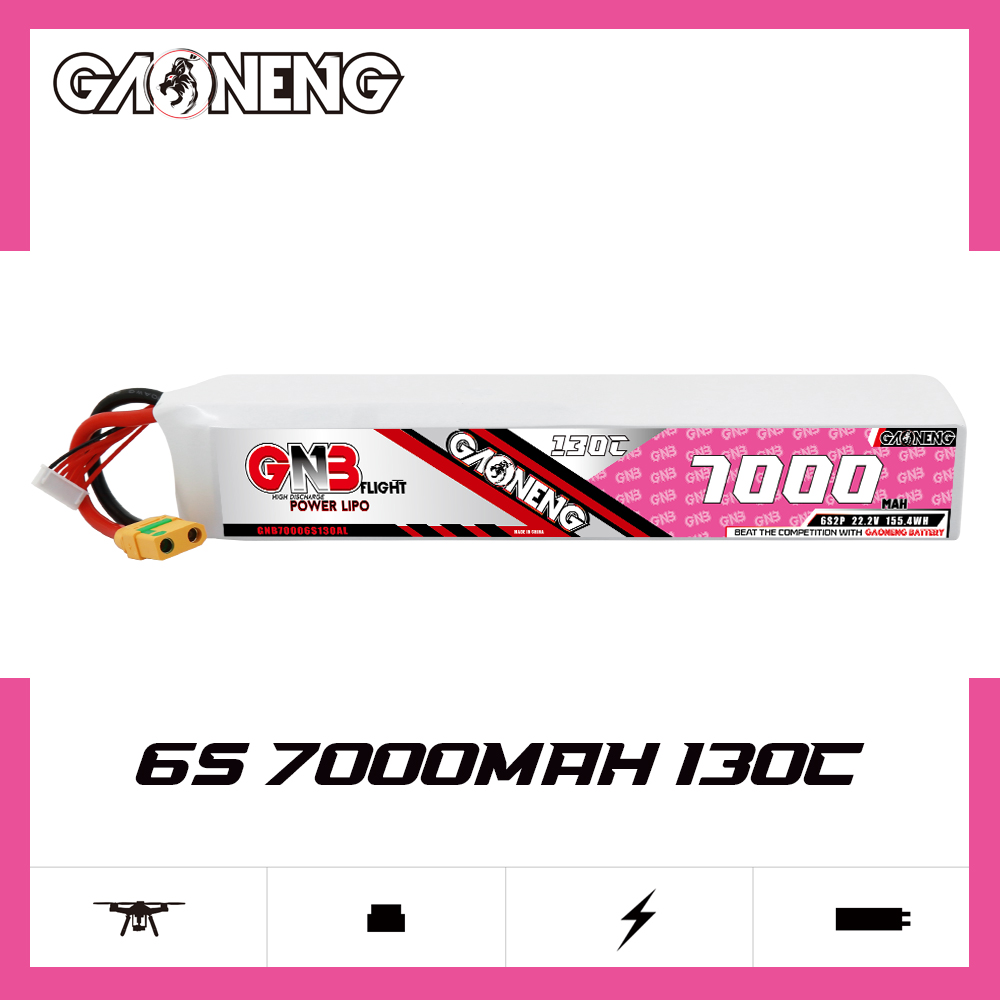
For a typical battery, nominal watt-hours equal nominal voltage multiplied by amp-hours. A conventional 6S 1700mAh 22.2V pack is about 37.7Wh. A 6S 5200mAh LiHV pack at 22.8V nominal is about 118.6Wh; a 6S 7000mAh 22.2V pack is about 155.4Wh. The manufacturer’s marked Wh value takes priority when provided. Do not use the full-charge voltage for this nominal energy classification unless the relevant guidance specifically instructs otherwise.
The passenger thresholds that matter
IATA’s current passenger guidance says rechargeable lithium batteries up to 100Wh are generally allowed in cabin baggage under applicable conditions. Batteries above 100Wh and up to 160Wh may be permitted with airline approval, often subject to a limited quantity. Over 160Wh is generally not permitted as passenger baggage. Airlines and destinations may impose stricter conditions. Obtain approval for eligible larger packs before traveling rather than hoping the check-in desk will improvise an exception.
Spare packs belong in the cabin
Protect every spare battery against short-circuiting terminals and external damage, using suitable individual packaging or protective pouches. IATA guidance says spare lithium batteries and power banks must not be packed in checked baggage. If carry-on baggage is taken at the gate for hold loading, remove spares and keep them with you in permitted cabin baggage. The drone itself and any installed battery must also comply with the carrier’s requirements. Do not carry puffed, leaking or recalled batteries.
Examples for a packing checklist
| Example pack | Nominal energy | Typical passenger category |
|---|---|---|
| 6S 1700mAh, 22.2V | 37.7Wh | Below 100Wh |
| 6S LiHV 5200mAh, 22.8V | 118.6Wh | Above 100Wh: airline approval |
| 6S 7000mAh, 22.2V | 155.4Wh | Above 100Wh: airline approval |
| Any pack over 160Wh | Over 160Wh | Generally prohibited in passenger baggage |
What a professional traveler should do a day before departure
Prepare a list of each pack’s cell count, nominal voltage, capacity, calculated Wh and label photo. Check the operating airline’s dangerous-goods policy and obtain any required written approval. Verify quantity limits and how connectors must be protected. Keep batteries accessible for security inspection without carrying loose unprotected leads. Remember that permission to transport a drone is separate from permission to import or operate it at your destination. A practical travel kit starts with compliance paperwork, not a large battery bag.
Confirm the exact aircraft model, active firmware, current rules and environmental conditions. If a warning or physical safety issue is unresolved, postpone the flight rather than relying on an automated feature.
Example: packing two high-capacity cinelifter batteries
Suppose a traveler brings two GNB 6S 5200mAh LiHV packs. At roughly 118.6Wh nominal each, they exceed the usual 100Wh threshold and therefore require the airline’s specific approval if the carrier allows them under the applicable 100–160Wh category. The fact that they fit easily inside a backpack does not change that classification. A different 7000mAh 6S pack is around 155.4Wh and also falls in that approval category, close to the upper limit.
Photograph manufacturer labels before departure. If a product’s marking is unclear or the airline applies a stricter rule, ask the carrier before arriving at the airport.
Approval is not the same as safe packing
Even an airline-approved battery must be protected from short circuits, damage and accidental activation. Keep spares in cabin baggage according to the applicable rules, with terminals individually protected and no loose conductive tools touching packs. Do not travel with damaged or swollen cells. If flying with drone equipment for a commercial assignment, check customs, import, dangerous-goods and destination operation requirements separately; one document rarely covers everything. The safest preflight step is a written airline confirmation for anything beyond the ordinary small-battery category.
Frequently asked questions
Can a 118Wh drone battery travel in checked luggage?
A spare lithium battery generally must travel in cabin baggage, and this size may require airline approval.
Can I take a 200Wh FPV battery as cabin baggage?
Passenger guidance generally prohibits batteries over 160Wh; consult specialized cargo procedures instead.
Does a fireproof LiPo bag remove the need for airline approval?
No. Packaging and energy limits are separate requirements.

















