


XT30 vs XT60 on FPV Drones: Connector Sizing and Safe Replacement

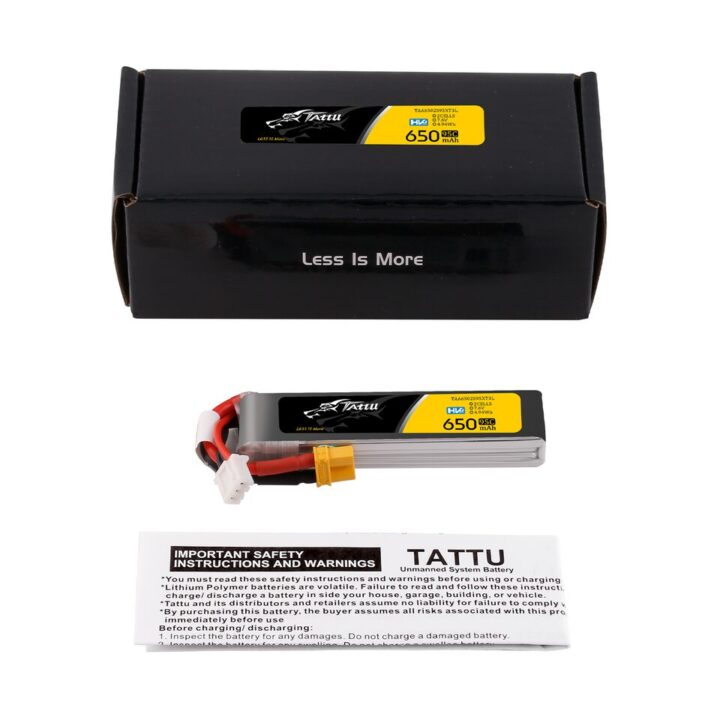
XT30 and XT60 connectors are common on FPV battery leads, but swapping one for the other does not upgrade the electronics behind it. Their names refer to connector families designed for different current classes, while safe current capability also depends on manufacturer, cable gauge, solder workmanship and heat conditions. A mismatched connector introduces resistance, heat and reliability problems. For pilots without soldering experience, a qualified repair is safer than learning on a live battery.
Select for the entire power path
A smaller micro quad may use XT30 because its expected current and physical footprint are modest. A larger, higher-current build commonly uses XT60. This is a design pattern, not an absolute threshold for every connector sold under those names. Check measured or documented maximum current, battery cable size, FC/ESC requirements and the original maker’s recommendation. Oversizing the plug alone does not change the battery’s discharge capacity.
Mating compatibility is not negotiable
XT30 does not mate directly with XT60. An adapter adds another pair of contact interfaces and potentially another failure point; it must be appropriately rated and mechanically secure. Avoid stacking multiple adapters in high-current use. Check polarity visually before every connection, particularly with unusual third-party wiring. Connector colors and wire orientation are not substitutes for a correct electrical check.
What a good joint must withstand
Flight vibration, repeated battery swaps, high pulse currents and heat stress a connector more than a static desk test. Poor wetting, a cold solder joint or unsupported wires can fail later even if the initial continuity check seems normal. Use correct materials and an appropriate bench setup. Disconnect battery packs completely before inspecting or repairing aircraft wiring; never heat or re-solder a live lithium pack lead without specialist training and protective procedures.
Prevent strain at the solder cup
The stiff region where wire meets solder needs insulation and mechanical support. Incorrect or damaged heat-shrink, exposed conductors and cables pulled tight around a carbon edge can create shorts. Route the lead so propellers cannot reach it and ensure there is enough slack for battery removal without pulling on an ESC pad. Examine the plug after a hard landing for melting, deformation or loose contact.
Know when the connector is not the cause
Voltage sag can come from aged cells, an undersized wire, cracked ESC pads or an overloaded system. Replacing XT30 with XT60 will not repair those faults. A connector that feels hot after a brief normal flight requires attention: power down, isolate the battery and inspect the whole path. If there are burn marks or intermittent power, do not fly until professionally repaired.
Comparison at a glance
| Small low-current builds | Often use XT30 where manufacturer-approved |
| Larger high-current builds | Often use XT60 or another appropriately rated connector |
| Plug hot after flight | Investigate contact resistance, load and workmanship |
| Repeated unplugging damages wire | Improve strain relief and connector access |
Practical buyer or repair checklist
- Check original airframe/ESC and battery connector type
- Review actual peak load and wire rating
- Inspect polarities and mating condition
- Use competent soldering and proper insulation for repairs
- Stop using any overheated or damaged power lead
Frequently asked questions
Can I change a pack from XT30 to XT60 to get more power?
No. Battery chemistry, cells and wiring determine power capability.
Are XT60 adapters safe for every aircraft?
No. Adapters must be electrically rated and mechanically suitable; extra contacts can fail.

















