ELRS Radio & Receiver Compatibility Guide | FPV Buying Guide UAE

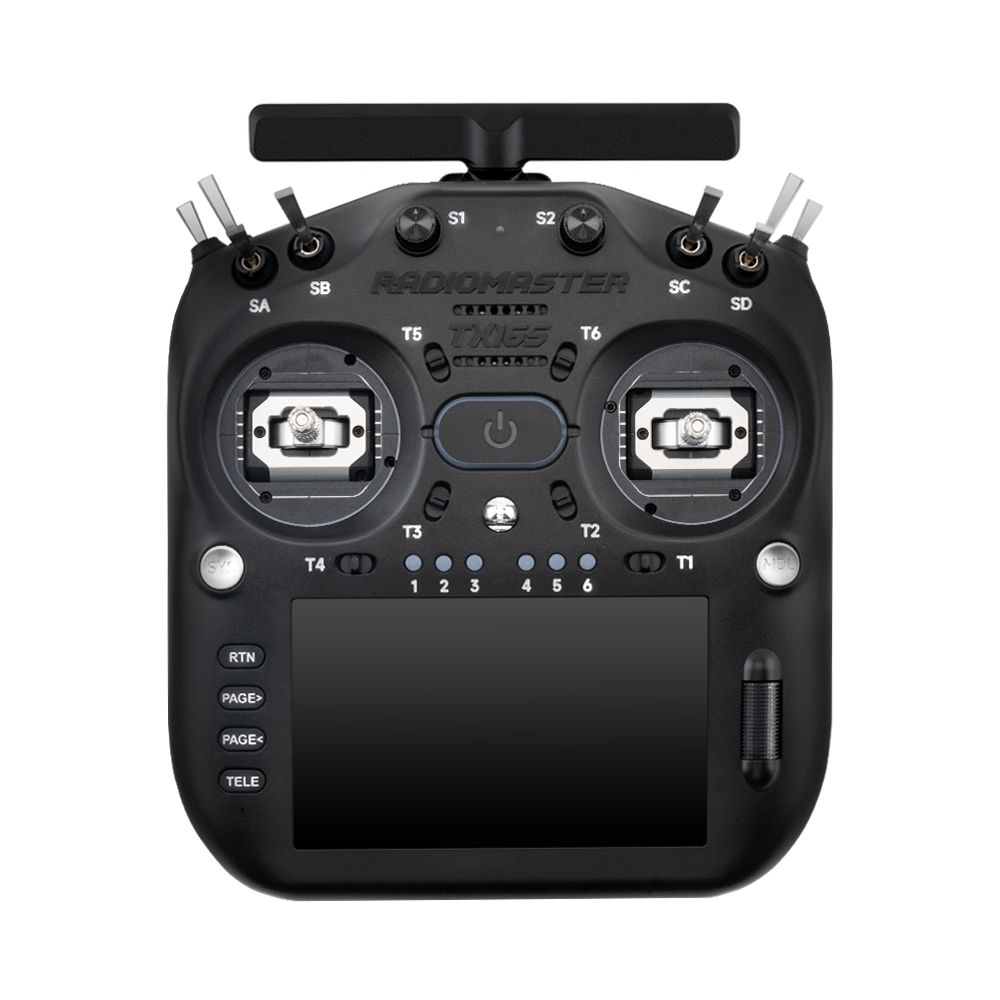
Choosing an FPV radio and receiver should be straightforward. This UAE-focused guide explains what must match before you buy an ExpressLRS (ELRS) controller, receiver or ready-to-fly drone.
- Radio protocol: check that both devices use ExpressLRS, not just that they operate at 2.4 GHz.
- RF band: standard 2.4 GHz ELRS must pair with 2.4 GHz ELRS; 868/900/915 MHz hardware requires a compatible 900 MHz setup.
- Firmware: match the major ExpressLRS version (for example 3.x to 3.x).
- Binding and region: use matching binding phrases and compatible regulatory-domain settings.
- Receiver output: choose a serial receiver for most Betaflight FPV builds, or a PWM receiver when your aircraft or controller needs individual servo channels.
1. Does any ELRS radio work with any ELRS receiver?
ELRS is an open radio-control ecosystem, and the manufacturer of the transmitter and receiver does not need to match. But protocol, frequency band, compatible major firmware version, binding phrase and regional settings must align. A conventional 2.4 GHz ELRS radio will not automatically bind to a 915 MHz-only receiver. Likewise, a transmitter with ELRS firmware 3.x will not bind with an older 2.x receiver until they are made compatible.
2. Which receiver type should you buy?
| Receiver type | Typical use | Before buying |
|---|---|---|
| 2.4 GHz ELRS serial | FPV flight controllers using a UART and CRSF protocol | Check wiring, RX/TX UART, antenna type and firmware |
| 2.4 GHz ELRS PWM | Fixed-wing or other RC models requiring individual channel outputs | Check channel count, servo power and connector layout |
| 900 MHz ELRS | Compatible long-range / regional-band systems | Match band and legal frequency configuration; not a direct 2.4 GHz substitute |
| Gemini / crossband | Selected diversity or multi-band systems | Verify the exact paired hardware and supported firmware mode |
3. Example radios and receivers available from FalconFly
These are real listings from our catalog. They are examples for comparing the type of hardware—not a guarantee that every pair listed below will bind without checking its firmware and configuration.
RadioMaster TX16S MK3 Black (ELRS / M2)
RadioMaster ER6 2.4GHz ELRS PWM Receiver
GEPRC Nano DUAL 2.4G C3 True Diversity
RadioMaster Bandit BR1 915MHz
4. ELRS and DJI O4: two separate links
A drone with a DJI O4 video transmitter and an ELRS receiver can use DJI goggles for video and an ELRS controller for flight control. The video link and the radio-control link are different systems. For example, FalconFly lists a BETAFPV Pavo20 Pro II O4 Pro 3S ELRS: check your goggles/O4 compatibility separately from the ELRS radio/receiver compatibility.
Frequently asked questions
Can a 2.4 GHz ELRS radio bind to a 915 MHz ELRS receiver?
Not with a standard single-band 2.4 GHz transmitter module. You need supported hardware and a matching operating band; crossband equipment has its own requirements.
Do ELRS brands need to match?
No. Hardware from different brands can work together when the required band, firmware and configuration match.
Why will my receiver not bind?
Check the RF band, major firmware versions, binding phrase and regional configuration first, then inspect power, wiring and antenna connections.
Is a PWM receiver suitable for every FPV flight controller?
Not necessarily. Most conventional Betaflight FPV builds use a serial receiver, so confirm the receiver output and your flight controller input before ordering.
Read our RadioMaster controller buying guide or follow the ELRS binding troubleshooting checklist before choosing a transmitter.
Explore FPV radio controllers and receivers or browse FPV drones.
Technical reference: ExpressLRS official FAQ and official binding documentation. Always verify the current specification of the exact product variant before purchase.