


FPV Drone Got Wet in Rain? Safe Recovery and the Limits of Conformal Coating

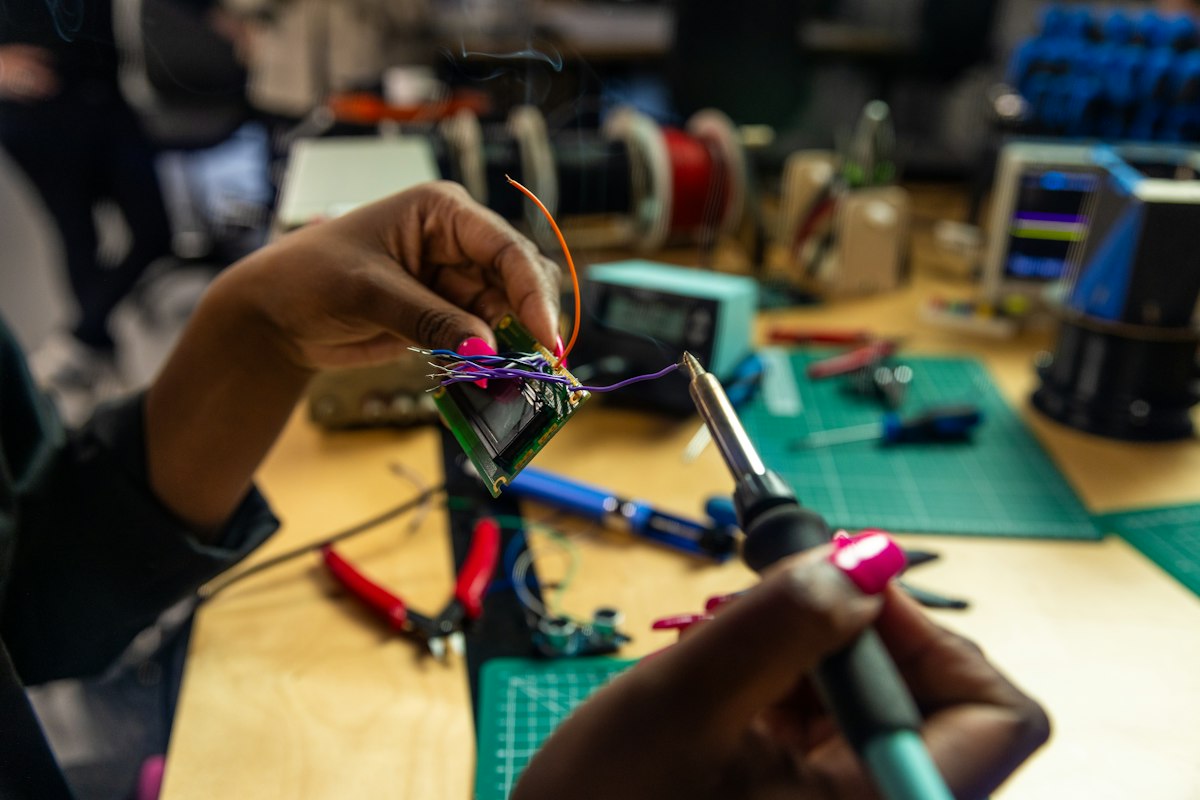
A quad flies through a sudden shower, lands in damp grass, and seems to work. Many pilots are tempted to power it up again to check the camera. The highest-priority decision is not firmware; it is whether moisture or conductive residue could short exposed electronics.
Why plain water can damage FPV electronics
Water in real outdoor environments is rarely chemically pure. Rain, salt spray, grass residue and dirt can leave conductive deposits between tiny PCB contacts. Even when a board dries enough to start, corrosion or trapped moisture under connectors can cause delayed failures. The flight controller, ESC, air unit, receiver and camera each contain different exposure-sensitive parts.
A wet frame is not the same as a wet energized board. Cut power before assessing the electronics. If the drone crashed into seawater, the salt contamination is particularly serious; the presence of visible water is not the only issue.
A disciplined recovery sequence
Keep the aircraft disarmed and disconnect the main battery when safe. Move it to a clean, dry workspace with proper ventilation. Remove outer covers only as appropriate for the model and service skill, document the wet areas, and inspect exposed connectors and PCBs for contamination or green/white corrosion. Do not power the electronics merely to see whether the LEDs light.
Qualified technicians may clean exposed boards with suitable electronics-safe methods and high-purity isopropyl alcohol, followed by thorough drying and inspection. Batteries, camera modules, sealed devices and delicate optical assemblies require their own manufacturer-specific procedures. If the incident was severe or the equipment is valuable, professional service is preferable to an improvised rinse.
What conformal coating actually protects
A correctly applied electronics-grade silicone conformal coating can reduce the chance of water bridging exposed PCB surfaces, but it is not a waterproof enclosure. It does not make connectors sealed, protect motor bearings or guarantee that a flight camera or battery can be submerged. Coating quality, coverage, mechanical damage and later repairs all affect protection.
Oscar Liang’s technical tutorial emphasizes completing and testing a build before coating, cleaning boards first and applying material precisely. It explicitly warns against coating USB ports, buttons, barometer openings and camera sensors. Aerosol overspray can contaminate parts that must stay uncoated.
| Exposure | Main risk | Preferred response |
|---|---|---|
| Fresh rain splash | Moisture/shorting | Disconnect, clean and dry appropriately |
| Salt water | Conductive residue and corrosion | Professional inspection recommended |
| Conformal-coated FC | Unprotected ports and other modules | Inspect the whole aircraft |
| Powered wet electronics | Possible immediate damage | Stop repeated power-on tests |
Why coating after water damage is a bad shortcut
Covering a wet, contaminated or corroded board with coating can trap the problem under a protective layer. A coating is a preventive manufacturing or maintenance step after inspection and proper cleaning—not a repair for a burnt regulator, a damaged sensor or intermittent connector contact. Any re-soldered joint may need appropriate rework and recoating.
Choose coating materials compatible with the components and follow ventilation and chemical safety instructions. Some solvents and curing processes are unsuitable for plastic parts, adhesives or sensitive modules.
Bench-test before the next flight
After the aircraft is demonstrably clean and dry, have it evaluated using controlled power methods and the relevant diagnostics. Check FC startup, gyro readings, ESC health, receiver link, camera feed, OSD and connected sensors. Investigate unusual power draw or warm components immediately. A successful power-up still does not prove long-term corrosion resistance.
For commercial shoots near UAE beaches, prevention matters: plan around sea spray, keep equipment clean and dry, and carry cases that reduce condensation. After exposure, log the incident and inspect again before the next job.

What water actually does to a drone electronics stack
An FPV quad may survive a splash and fail two days later because visible water is not the only threat. Rainwater and water from grass or mud can carry dissolved minerals, dirt and other conductive contaminants. As those deposits dry on PCBs and connector pins, corrosion and intermittent leakage paths can remain. A board that restarts successfully after the outside looks dry is not necessarily safe to fly under vibration and battery load.
Salt spray is especially corrosive around exposed connectors, solder pads and RF hardware. A coastal shoot in Dubai may expose the drone to fine sea mist without the quad landing in water. Later, a connector may show greenish deposits or the FC may reboot intermittently. The correct diagnosis starts with the exposure history, not just a current photograph. Keep a maintenance record of when the incident occurred and which parts were wet or energized.
Different components need different handling. A bare FC or ESC may be accessible for visual inspection, while a digital air unit, camera, motor bearing or intelligent battery can contain parts that are difficult to dry and inspect without specialist equipment. A sealed or packaged component should not be opened casually. Do not treat the entire aircraft as one washable electronic board.
The first actions after a wet landing
Land and disarm using the safest available method. If safe to handle, disconnect the flight battery promptly and keep it away from exposed electronics. If the battery itself is hot, swollen, leaking or physically damaged, prioritize fire safety and qualified assistance rather than trying to salvage it. Never plug the wet aircraft back into a LiPo simply to check for a camera picture. Powering a contaminated board may turn recoverable moisture exposure into permanent electrical damage.
Move the aircraft to a clean, dry and ventilated workspace. Photograph the situation before disassembling any accessible covers, then inspect connectors, screws, carbon edges, antenna leads and exposed boards. Avoid excessive heat, aggressive compressed air or household cleaning tricks that can push moisture deeper into components. Rice is not a reliable method for removing ionic contamination or corrosion residue, and a hair dryer can harm plastics or adhesives.
For exposed electronics, qualified technicians may use appropriate electronics-safe cleaning procedures, followed by controlled drying and inspection. The choice of solvent and method must match the component. Camera optics, microphones, pressure sensors, batteries and sealed radio modules may be unsuitable for general PCB cleaning. If you are uncertain about a valuable digital air unit or a heavily contaminated board, professional service is safer than an experiment.
What conformal coating protects—and what it cannot
Conformal coating is a thin insulating layer applied to appropriate electronic surfaces to reduce moisture-related leakage paths. It may improve resistance to splashes on coated PCB areas, but it does not turn a quad into a submersible aircraft. Open motor bearings, connectors, antennas, optical sensors, USB ports, buttons and battery joints remain exposed in different ways. A pilot should not fly in rain simply because the FC was coated.
The quality of preparation matters more than coating thickness alone. Boards should be clean, dry, properly assembled and electrically verified before coating. Applying protective material over existing contamination can trap the problem rather than fix it. Mask surfaces that must remain uncoated, including pressure-sensor openings, connector contacts and camera elements. Follow the coating manufacturer’s safety requirements, especially for ventilation, solvent exposure and curing.
Some coatings make later soldering and repair harder because they must be removed and restored around the reworked area. If a component is changed after coating, inspect the protective coverage again. Mechanical wear, crash damage or a battery strap rubbing against a board can remove protection. Keep inspection access in mind when designing a waterproofing strategy rather than burying every component under sealant.
Returning a wet drone to service responsibly
After cleaning and drying, a technician should inspect the supply rails, connectors and visible corrosion before a controlled power-on. Verify FC startup, gyro readings, ESC communication, video and radio links, GPS if installed, and sensor behaviour. Unexpected current draw or rapid heating is a reason to stop. Even a successful bench test does not guarantee long-term reliability because corrosion can progress under components that are not visible.
A controlled flight test should occur only after the aircraft has passed the relevant ground inspections and in a suitable authorized location. Start conservatively and check for unexplained resets, video loss or telemetry interruptions. Reinspect the aircraft afterward. If the incident involved salt water, prolonged immersion or powered exposure, replacing affected components may be more reliable than trusting them for a paid mission.
Prevention is more economical than recovery. Keep spare props and connectors clean, protect equipment during coastal transport, avoid storing damp drones in sealed hot cases, and inspect after flying in humid or dusty conditions. A sensible conformal coating plan can reduce certain risks, but good weather decisions, careful cleaning and disciplined maintenance remain essential.
Why a drone can fail days after it seems dry
A small FPV quad lands in wet coastal grass, is wiped off and powers on again. Two flights later, it begins rebooting when the battery is connected. The later symptom does not prove the original splash caused the failure, but it makes moisture and conductive residue important diagnostic leads. Contaminants can remain around fine-pitch connectors and under components after visible droplets disappear. Repeated power-on attempts are not an appropriate cleaning technique. If safe, disconnect the battery, inspect the exposed components and arrange suitable electronics cleaning and assessment. Do not coat the board to cover existing corrosion. Conformal coating is a preventive layer for clean, dry, correctly functioning electronics; it does not protect every connector, motor bearing or camera module and does not justify flying in rain.
Dry does not necessarily mean clean: delayed corrosion checks
After a wet incident, the absence of visible droplets is not a reliable endpoint. Moisture can remain inside sockets, beneath heat-shrink sleeves or between stacked PCBs, and dissolved residue can stay after the water itself evaporates. This is why a quad that starts normally a day later may still develop intermittent telemetry, unexplained video interference or a failed regulator weeks afterward. Logging what was exposed, what was cleaned and which connectors were inspected helps a technician evaluate a later fault.
Give each subsystem a separate status before declaring the aircraft fit for use: inspect the antenna connectors and coaxial leads; examine ESC and motor connectors for deposits; verify that the flight controller’s sensors are stable; and review the camera or air unit according to its maker’s service precautions. Any abnormal smell, unexpected heat, loss of link or unstable power should stop testing. Avoid applying conformal coating to an assembly whose condition is uncertain, since sealing over contamination can make subsequent inspection and repair harder.
For a drone intended to fly close to people, equipment or buildings, treat uncertain water damage as a service and risk-management decision, not a routine do-it-yourself flight test.
Frequently asked questions
Can I fly immediately if the drone still powers on?
Do not assume it is safe. Inspect for moisture, contamination and delayed damage first.
Does conformal coating make my FPV quad waterproof?
No. It reduces risk on coated electronics but does not seal connectors, cameras, batteries or motors.
Should I coat the entire assembled drone with spray?
No. Targeted application is preferred; avoid sensitive ports, switches, sensors and optical components.

















